
Victoria Votes Out Labor After 12 Years as Jess Wilson Becomes Its First Woman Elected Premier
Jess Wilson's Liberal-National coalition has ended 12 years of Labor government in Victoria, with the ABC calling the election within two hours of polls closing and premier Ben Carroll conceding his own seat of Niddrie as the count continues.
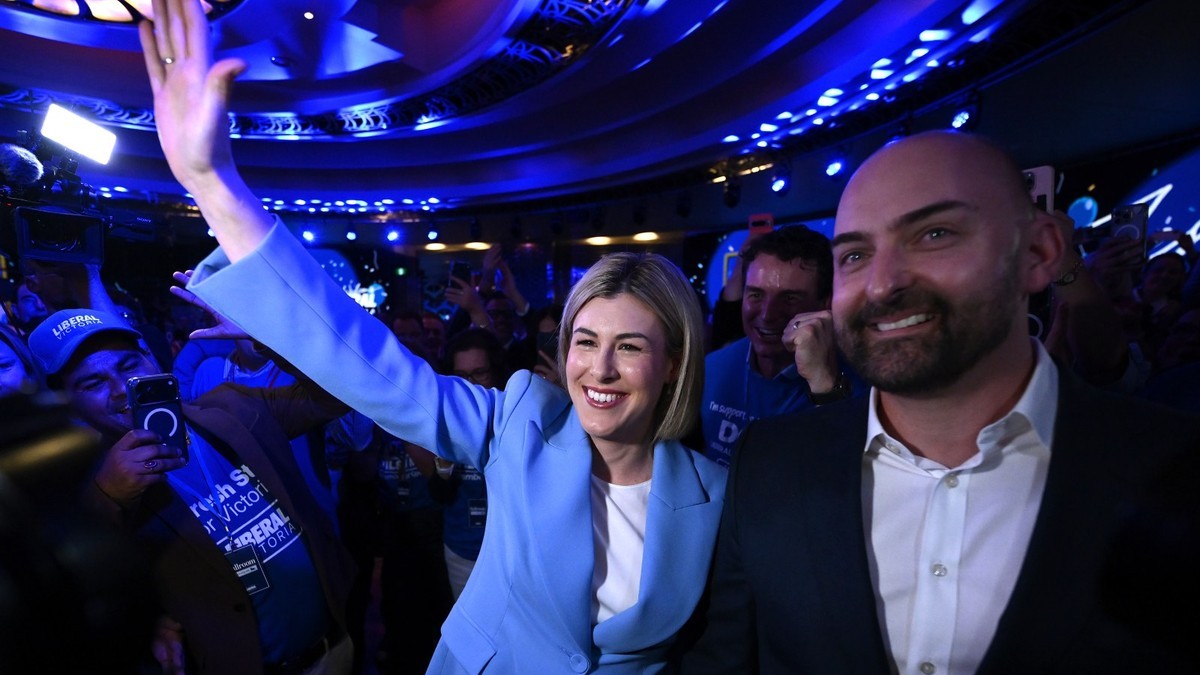
Melbourne, Australia — Twelve years of Labor government in Victoria ended on Saturday night, and it ended the way landslides do: early, wide, and with the losing premier conceding before 8:30pm. The Australian Broadcasting Corporation called the election for Jess Wilson's Liberal-National coalition less than two hours after the polls closed. What followed was not a swing. It was a rout, and by late evening the only question left was how much of the state Labor had left behind.
Victoria Votes Out Labor After 12 Years as Jess Wilson Becomes Its First Woman Elected Premier
Melbourne, Australia — November 28, 2026 — At the Liberal Party's election night function at the Park Hyatt, the faithful were embracing before a single seat had been certified, and the numbers arriving from the Victorian Electoral Commission kept making the room louder. By the time Wilson reached the stage, the question had shifted from whether she would win to how badly Labor would lose — and whether the Greens, not Labor, would end up leading the opposition.
The Call Came Before Eight
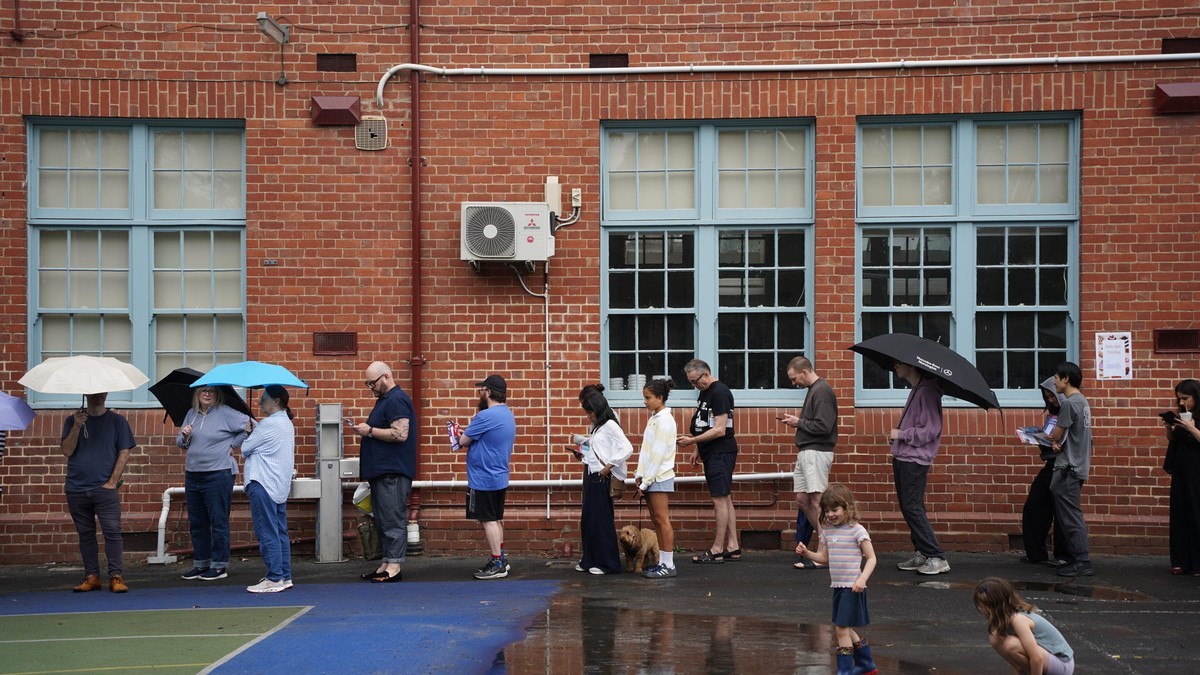
Polling places opened at 8am and shut at 6pm local time. At 7:44pm, the ABC projected a Coalition victory, with chief election and data analyst Casey Briggs pointing to a Labor primary vote stuck around the 19 percent mark — too low, he said, for the government to survive. Nine called it even earlier in the count, with just shy of seven percent of the vote tallied and sixteen seats already projected to fall to the Liberals and Nationals. Ben Carroll did not wait for the arithmetic to harden. The premier telephoned Wilson to concede before 8:30pm, then walked out to tell his own supporters that the result was, in his word, "brutal" — a concession delivered while his own electorate of Niddrie was still slipping away from him.
What the Count Shows, and What It Does Not
The count is live and moving, so every figure here carries its stage. At 9pm, with just under 19 percent of votes counted, the Victorian Electoral Commission had Labor on 17 percent of the lower-house primary vote, One Nation on 21.5, the Liberals on 28.5, the Nationals on 5.6 and the Greens on 15.7, according to SBS. By 10:02pm, with 27.4 percent counted, the ABC's tracker had the Coalition on 40 seats, Labor on three and the Greens on six. By 11:27pm, at 39.1 percent counted, that had moved to Coalition 48, Labor five, Greens seven, with 28 seats still in doubt; 45 seats are needed to govern. Politico put the Coalition's statewide primary at around 34 percent. None of it is final: three-cornered contests will keep counting into Sunday and early next week.
A Premier From Her First Term
Wilson is 36, the member for Kew, and less than four years ago she was delivering her maiden speech in state parliament. She ousted Brad Battin in November 2025 to become the first woman to lead the Victorian Liberal Party. On Saturday she became the state's 51st premier, the first woman elected to that office in Victoria, and — by Nine's count — the youngest Victorian premier in more than 150 years. Her father, Ron Wilson, sat in the same parliament for Bennettswood between 1999 and 2002. "You have given me the very best childhood a person could ever hope for and your support and belief in me have truly allowed me to reach for the stars and serve in the highest ways I can," she told the room. Then came the line her campaign had promised: "Tonight, I declare that Victoria is back open for business."
Labor's Collapse: Fourth Place and Falling
Twelve years of government did not merely end. It inverted. Labor's primary vote ran fourth behind the Coalition, One Nation and the Greens on the night's count, a result that would have been unthinkable in a state Reuters describes as one of the center-left party's strongest bastions. Reuters projected Labor would win far fewer than the 45 seats required to govern, down from 54. Politico put the pre-election figure at 56 and said the party's lower-house MPs could be reduced to single digits. Steve Bracks, a former Labor premier, offered the gentlest explanation available: "I would've liked Ben to have a bit more time, he came in too late." Carroll had held the premiership only since July, when Jacinta Allan resigned amid the Big Build allegations and a fight over the emergency services levy. Former premier John Brumby said the warning signs were everywhere months ago, in shops in Bendigo and on Collins Street, where lifelong Labor voters told him they were done. "People were gone off us. Right? That's just the truth of the matter."
Niddrie: the Premier Loses the Seat He Held Since 2014
The swing that ended the government started in the premier's own street. At 9pm, with the count barely a fifth done, the electoral commission had Liberal Samantha Byrne on 40.60 percent in Niddrie, Carroll on 21.59 and One Nation's Jason Taverna on 20.40. The ABC measured a 17.7 percent swing to the Liberal with 7.9 percent of the vote counted, and Nine described a genuine three-way contest there. Carroll had represented Niddrie since 2014 and called serving it a "privilege" in his concession speech. "This is a significant loss for Labor. It's not the result we wanted but it is a result we accept," he said. To Reuters he put it more plainly: "Victorians have spoken, and their message is clear: they want change."
One Nation's 21 Percent, and the Seats It Could Not Buy
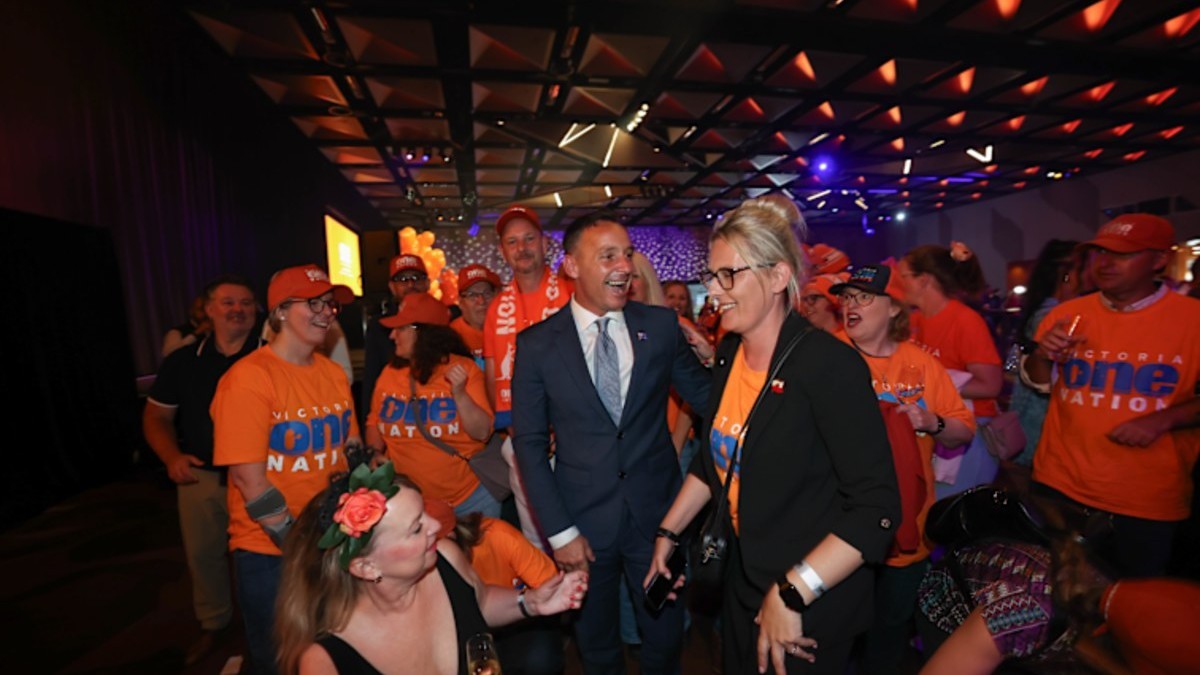
The loudest number of the night belonged to a party that spent the campaign being told it could not win. One Nation took 21.5 percent of the primary vote with 19 percent counted, per SBS — up from 0.3 percent four years ago, by Nine's reckoning. That surge bought exactly one lower-house seat by the time Nine called it, with the party leading in about half a dozen more. Its state leader, Warren Pickering, led first preferences in Pakenham with 34.1 percent at 16.54 percent counted, but the two-party-preferred stood at 58.3 to 41.7 in favor of Liberal Radmila Dyson — preferences from Labor, the Greens and the Victorian Socialists flowing past him. "The orange wave is coming from Victoria. And it is marching on NSW next year," Pickering told supporters. Pauline Hanson, beside him, promised: "One Nation won't be slowing down."
The Greens Are the Other Winners, and Possibly the Opposition
While One Nation converted votes into a handful of seats, the Greens converted a smaller vote into a larger bloc. Three hours into the count the party had won seven seats to Labor's two, according to The Age — a tally taken before the ABC's tracker, an hour later, showed Greens six and Labor three, a reminder that networks call seats at different moments. Greens leader Ellen Sandell had campaigned against the Coalition's privatization plans, putting the agenda at $13.8 billion, including the water lease, and warning that private ownership would raise costs and cut service quality. RedBridge Group research director Simon Welsh described a "dramatic reversal" in Greens polling and said the party could end the count ahead of One Nation on lower-house seats; he also credited opposition to Labor's crime policies, including twelve-month detention for low-level youth offenders. That raised a question nobody expected on Saturday morning: whether Labor would even form the opposition.
The Bill Behind the Backlash
None of this happened in a vacuum. Victoria carries $196.2 billion in debt, according to The West Australian, and former Liberal premier Jeff Kennett told The Nightly that voters were punishing "the knife crime, the $200 billion debt and the breakdown of infrastructure all over Victoria". He described Carroll as a "moderate, camouflage" replacement who could not retrieve the situation. The government's Big Build program — roughly 180 road, rail and infrastructure projects, with media tallies putting the total above $300 billion, per news.com.au — became a liability once a royal commission was called into allegations of corruption and union infiltration on its sites. Barrister Geoffrey Watson SC estimated in August that $15 billion of taxpayers' money had been wasted. Reuters also points to the world's longest city lockdown, in Melbourne, and the distrust it left behind.
What Wilson Has Promised, and the Fight Already Waiting
Wilson fought on crime, road maintenance and debt, and she will have to deliver on all three with a parliament that can refuse her. Her signature fiscal plan, announced on Thursday, is a 90-year lease of Melbourne Water's two sewage treatment plants and associated infrastructure to raise $9.2 billion against the debt. SBS reported that the Coalition's costings also envisage partially privatizing the sewerage network, scaling back level-crossing removals and curtailing Labor's planned expansion of free kindergarten. One Nation has already vowed to oppose the water lease in the upper house, which could strand the money. Wilson was candid about the timeline. It will "take years" to restore the state, she said, and "fixing it will not be easy, nor will it happen overnight".
What Comes Next
The count resumes Sunday and will run into next week, with three-cornered contests deciding the shape of a parliament Wilson must now learn to manage. Three questions matter more than the rest: the final size of the Coalition's majority, whether the Greens or Labor forms the official opposition, and whether the upper house lets the water lease through. Prime Minister Anthony Albanese posted his congratulations to Wilson, and federal deputy Liberal leader Jane Hume praised Wilson for pulling off the win. Politico notes that four of Australia's eight states and territories are now under Liberal leadership. For Albanese, the result is a warning shot from a state that has long been one of Labor's strongest. For Victoria, it is the end of an era — and the start of an argument about what replaces it.
By Jessica Ali, Staff Writer
This article was produced with AI-assisted research and editorial support. Sources: ABC News (Australia), Nine/9News, SBS News, Reuters, Politico, news.com.au, The Age, The West Australian, The Nightly and InDaily/AAP. Photographs: Joel Carrett/AAP (lead image); ABC News; Nine/9News. Results were still being counted at the time of publication and all seat and vote figures are provisional.
What's Your Reaction?
 Like
0
 Dislike
0
 Love
0
 Funny
0
 Wow
0
 Sad
0
 Angry
0

Editor-in-Chief at Global1.News. Atlanta-based journalist who cuts through the BS and tells it like it is. Lead anchor, host, and the voice you hear when the spin stops and the truth starts.









Comments (0)