
FCC approves SpaceX plan to put AI data centers in space
SpaceX just got the FCC’s nod to start building what it calls an orbital data center constellation – up to a million satellites that would host AI workloads in space.
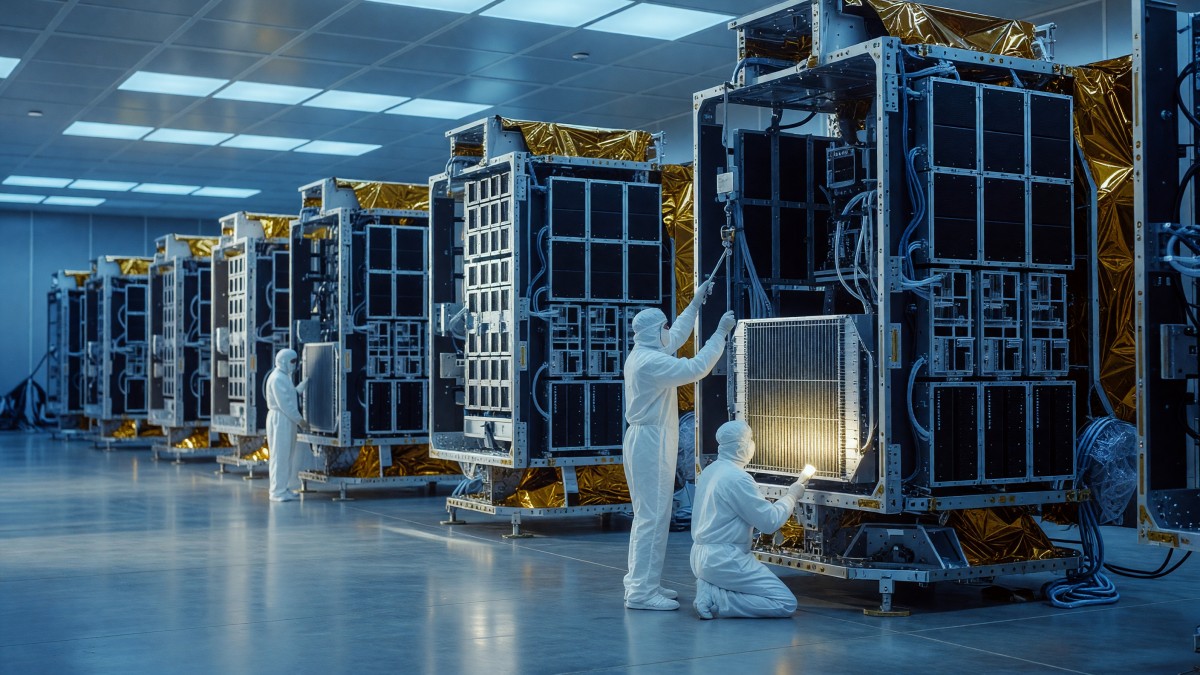
SpaceX just got the FCC’s nod to start building what it calls an orbital data center constellation – up to a million satellites that would host AI workloads in space. That’s a regulatory win for Elon Musk, but for the rest of us running real hosting infrastructure on the ground, it’s another reminder that the hype‑driven “off‑planet compute” narrative is still a long way from being a practical alternative to the grind of keeping servers cool, powered and connected.
What the FCC actually approved
The commission gave SpaceX a conditional green light to deploy and operate a constellation of up to 1 million satellites for its so‑called Starmind orbital data centers. The approval is limited to using radio‑frequency communications to keep a link with the satellites if their primary laser links fail, and it grants a seven‑year window to launch the first operational unit, with a 14‑year horizon to fill the whole constellation.
Crucially, the FCC did not clear the entire regulatory package. The agency has yet to sign off on SpaceX’s plan to handle orbital debris for satellites above 600 km, nor on a waiver that would let retired satellites linger in higher orbits or even head toward the sun. Those gaps mean the “data center in space” promise is still very much a work‑in‑progress, not a launch‑ready service.
Opposition and the real concerns
Amazon, Viasat and the American Astronomical Society all lodged objections. Amazon, which is building a rival to Starlink, slammed the filing as a “lofty ambition rather than a real plan” and warned that the proposal “risks real harm.” Their gripe wasn’t just about competition; they flagged orbital debris, congestion, radio‑frequency interference and environmental fallout.
The American Astronomical Society’s concerns about scientific research were brushed aside by the FCC, which said those issues fell outside its authority. That dismissal doesn’t erase the fact that adding a million new objects to low‑Earth orbit would dramatically increase collision risk – a nightmare for anyone who has ever had to de‑orbit a satellite after a malfunction.
Technical hurdles that aren’t hype‑free
Even with regulatory clearance, SpaceX faces a mountain of engineering challenges. Cooling processors in the vacuum of space is not as simple as turning on a fan. The lack of atmosphere means heat must be radiated away, and high‑performance AI chips generate more heat than a small furnace. Without a proven cooling solution, the whole concept risks overheating before it ever reaches orbit.
Then there’s the cost side. SpaceX must “dramatically reduce the cost of manufacturing and launching satellites” to make a million‑satellite data center financially viable. The FCC’s conditional approval gives them a timeline, but the economics of launching thousands of chips into orbit remain unproven, especially when you factor in the need for high‑throughput laser links between satellites and the existing Starlink backbone.
Financing the chips that never touch the ground
Securing financing for space‑bound silicon is another blind spot. Traditional chip financing models rely on predictable supply chains and clear ROI from data center operators. Here, the ROI is speculative – you’re betting that a future market will value “space‑hosted AI” enough to cover the launch and insurance costs. That uncertainty makes it hard for venture capitalists to justify the risk, especially after recent market pull‑backs on over‑promised infrastructure projects.
For independent hosting providers, this is a cautionary tale. The lure of “next‑gen” tech can mask the underlying capital intensity. When a hyperscaler throws billions at a speculative venture, they can absorb the loss. Smaller players can’t afford that luxury, so they must stay grounded in the economics of power, cooling and network latency that they can actually control.
Regulatory loopholes and the debris dilemma
The FCC’s waiver request to keep retired satellites above 2,000 km for longer than the standard five‑year de‑orbit window is a red flag. Current space debris mitigation guidelines are there to protect the orbital environment for all users. Allowing satellites to linger in higher orbits could create a “graveyard” of dead hardware that complicates future launches and raises collision odds.
SpaceX’s plan to move some retired units into other Earth orbits or even around the sun is, at best, a theoretical cleanup strategy. In practice, executing such maneuvers requires additional fuel, propulsion hardware and precise tracking – all of which add weight, cost and complexity. For anyone watching the debris situation, that’s a gamble you don’t want to see become the norm.
What this means for independent hosting founders
From a business‑risk perspective, the SpaceX orbital data center story is a reminder that “future‑proof” tech often comes with hidden costs. The hype around off‑planet compute can distract from the day‑to‑day realities of running a data center: power bills, cooling efficiency, hardware refresh cycles, and network latency. Those are the metrics that directly affect your bottom line.
Independent providers should treat the SpaceX approval as a signal of where the industry narrative is heading, not as a blueprint for immediate action. Focus on tightening your own infrastructure, improving PUE (Power Usage Effectiveness), and diversifying your network paths. Those are the levers you can actually move today, whereas the orbital data center will remain a speculative venture for years, if not decades.
Actionable advice for founders now
First, audit your current hardware lifecycle. If you’re still running legacy servers that consume excessive power, the savings from a more efficient refresh will far outweigh any imagined benefit from a space‑based alternative. Second, lock down your network redundancy on the ground. Laser links between satellites sound flashy, but they still rely on ground stations that can become single points of failure.
Third, keep an eye on regulatory developments. The FCC’s 14‑year deployment window means there will be multiple checkpoints where you can reassess the viability of orbit‑based compute. Finally, stay skeptical of any vendor promising “zero‑latency” or “infinite scalability” from space. Those claims often hide the very real constraints of launch costs, debris risk and thermal management that we’ve just outlined.
In short, SpaceX’s FCC win is a headline‑grabbing milestone, but it’s far from a practical solution for today’s hosting challenges. As a founder who’s been knee‑deep in server racks for a decade, I’ll be watching the orbital drama with a healthy dose of doubt – and a focus on the real work of keeping the lights on, the servers cool, and the network humming down here on Earth.
— Allan Ali, Founder
This article was produced with AI-assisted research and editorial support. Reporting is based on the source material cited below. Sources: TechCrunch; techcrunch.com; Global1.News (28 November 2026).
By Allan Ali, Global1.News
What's Your Reaction?
 Like
0
 Dislike
0
 Love
0
 Funny
0
 Wow
0
 Sad
0
 Angry
0

Publisher of Global1.News. Automation architect, systems builder, and the guy making sure the truth gets published.















Comments (0)