
How foreign navies could reshape Iran’s grip on Hormuz after the war
Iran’s warning on Thursday about foreign naval deployments around the Strait of Hormuz underscores a growing tension between Tehran and nations seeking to secure the vital waterway.
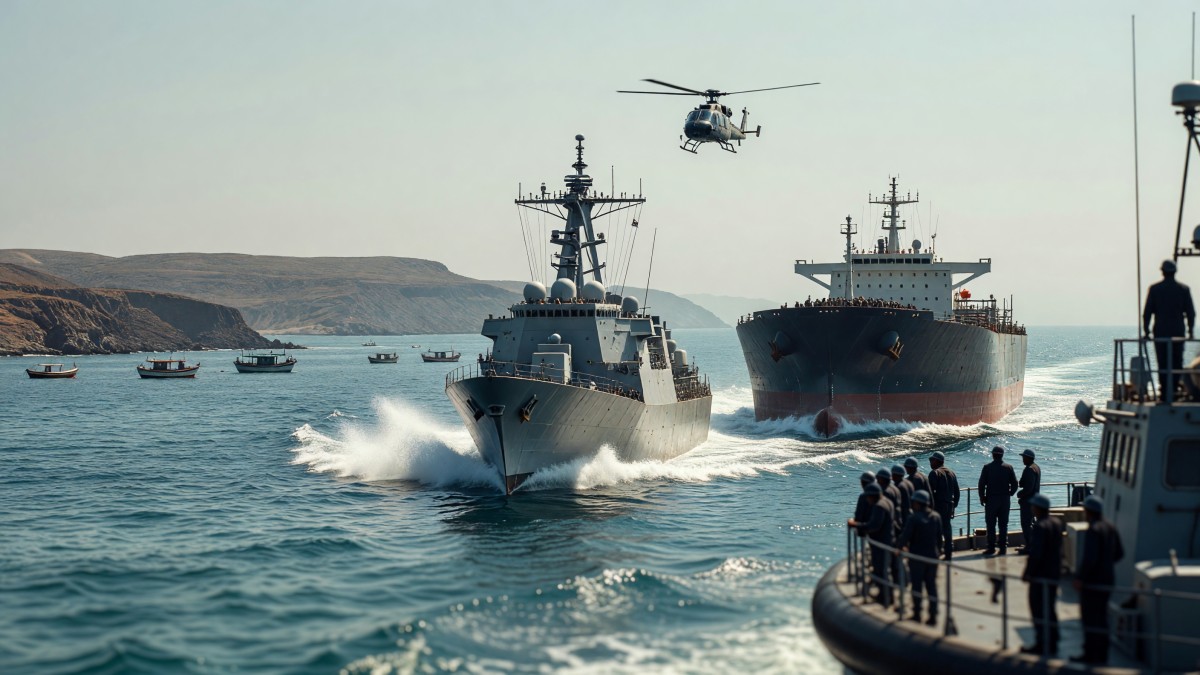
Iran’s warning on Thursday about foreign naval deployments around the Strait of Hormuz underscores a growing tension between Tehran and nations seeking to secure the vital waterway. The alert came after Iranian Foreign Minister Abbas Araghchi spoke with his South Korean counterpart, Cho Hyun, about Seoul’s plan to expand its Cheonghae anti‑piracy unit’s operations near the strait. While South Korea frames the move as a defensive measure to protect its commercial vessels and citizens, Iran perceives it as a potential threat to its longstanding maritime leverage, especially as the region grapples with the aftermath of the ongoing war.
Background to the Hormuz dispute
The Strait of Hormuz remains one of the world’s most strategic chokepoints, funneling a significant share of global oil shipments. Iran has historically used its proximity to the strait to exert political pressure, threatening to disrupt shipping if its interests are challenged. This leverage has been a cornerstone of Tehran’s regional strategy, especially during periods of heightened tension with the United States and its allies.
In recent months, the war in the region has intensified scrutiny of the strait’s security. International shipping has faced disruptions, prompting several nations to consider bolstering their naval presence. South Korea’s proposal to extend its anti‑piracy mission into waters south of Oman, close to Hormuz, reflects a broader trend of states seeking to protect commercial interests while avoiding direct involvement in the conflict.
The South Korean proposal
South Korea’s Cheonghae anti‑piracy unit, already active in the Gulf of Aden, plans to broaden its operational scope to include maritime surveillance and mine‑clearance capabilities near Hormuz. The expansion is presented as a precautionary step to safeguard South Korean merchant vessels and nationals traveling through the region. According to the source material, Seoul has also weighed participation in multinational efforts aimed at restoring freedom of navigation, signaling a willingness to cooperate with other navies on security tasks.
Cho Hyun, speaking on behalf of the South Korean government, assured Iranian Foreign Minister Abbas Araghchi that the mission is not intended to intervene in the war or to deploy forces for combat operations. The emphasis on defensive intent is designed to distance the initiative from broader U.S. military objectives in the area, which Tehran views with suspicion.
Iran’s response and concerns
Foreign Minister Araghchi warned that the proposed expansion would not contribute to stability or security. He argued that the presence of foreign naval forces could actually heighten tensions and “expand the scope of conflicts.” From Tehran’s perspective, any multinational military footprint near Hormuz threatens its ability to influence shipping routes, a tool it has traditionally leveraged in diplomatic negotiations.
The Iranian reaction is rooted in a broader strategic calculation: maintaining a credible threat to disrupt oil flow remains a key bargaining chip. A sustained foreign naval presence, even if framed as anti‑piracy, could erode that leverage over the long term, especially after the war concludes. Tehran’s warning therefore reflects both immediate security concerns and longer‑term geopolitical calculations.
Implications for regional security dynamics
The dialogue between Seoul and Tehran highlights the delicate balance between protecting commercial interests and avoiding escalation. While South Korea seeks to shield its shipping, the move could inadvertently draw the region into a more complex security environment. If other nations follow Seoul’s lead, a de‑facto multinational naval presence could emerge, reshaping the power balance around Hormuz.
Such a shift would have ripple effects across the Middle East. Regional actors, including the United Arab Emirates and Saudi Arabia, closely monitor any changes to the strait’s security architecture. A perceived encroachment by foreign navies could prompt them to adjust their own maritime postures, potentially leading to a layered security environment where multiple forces operate in close proximity.
Potential economic repercussions
The Strait of Hormuz is a critical artery for global energy markets. Any disruption, whether caused by conflict or heightened naval activity, can affect oil prices and, by extension, the economies of both oil‑exporting and importing nations. South Korea’s commercial fleet, which relies heavily on secure sea lanes for its export‑driven economy, stands to benefit from reduced piracy and mine threats.
Conversely, Iran’s economy, already strained by sanctions and war‑related damage, could suffer if its ability to influence shipping diminishes. The loss of leverage might limit Tehran’s capacity to extract concessions in future diplomatic negotiations, potentially reshaping its economic calculus in the post‑war landscape.
Diplomatic avenues and the role of dialogue
The recent telephone conversation between Araghchi and Cho underscores the importance of diplomatic channels in managing maritime security concerns. While the two sides remain far apart on the strategic implications, the exchange demonstrates a willingness to discuss intentions and mitigate misunderstandings.
Continued dialogue could help define clear parameters for South Korea’s mission, ensuring it remains strictly defensive and non‑interventionist. Transparent communication about operational zones, rules of engagement, and coordination with existing regional actors could reduce the risk of accidental confrontations and preserve a degree of stability in the waterway.
Looking ahead: scenarios for Hormuz after the war
As the war draws toward an uncertain conclusion, the future of the Strait of Hormuz hangs in the balance. One scenario envisions a continued multinational naval presence, led by countries like South Korea, aimed at securing commercial shipping while avoiding direct conflict. In this model, Iran’s leverage would be curtailed, prompting Tehran to seek alternative diplomatic tools.
Another possible outcome is a negotiated arrangement that limits foreign naval deployments in exchange for guarantees of safe passage for Iranian vessels. Such a compromise would require delicate bargaining and confidence‑building measures, but could preserve a degree of Iranian influence while addressing broader security concerns.
Regardless of the path chosen, the interplay between commercial interests, regional security calculations, and diplomatic engagement will shape the post‑war order around Hormuz. Stakeholders, from Tehran to Seoul and beyond, must navigate these complexities carefully to avoid a spiral of escalation and to ensure that the strait remains a conduit for trade rather than a flashpoint for conflict.
This article was produced with AI-assisted research and editorial support. Reporting is based on the source material cited below. Sources: Al-Monitor; al-monitor.com; Global1.News (28 November 2026).
By Hannah Berg, Staff Writer
What's Your Reaction?
 Like
0
 Dislike
0
 Love
0
 Funny
0
 Wow
0
 Sad
0
 Angry
0

Israel Correspondent at Global1.News. Based in Tel Aviv, covering Israeli politics, security, technology, and society. Provides balanced, deeply-sourced reporting on one of the most closely-watched regions in the world.














Comments (0)