
It’s not easy to be woman in Nigerian music industry – Skales
In a recent wave of social media affirmation, Nigerian singer Sk Skale — known for his 2015 hit “Shake Body” — took to his X account to salute female artists across the entertainment sector.
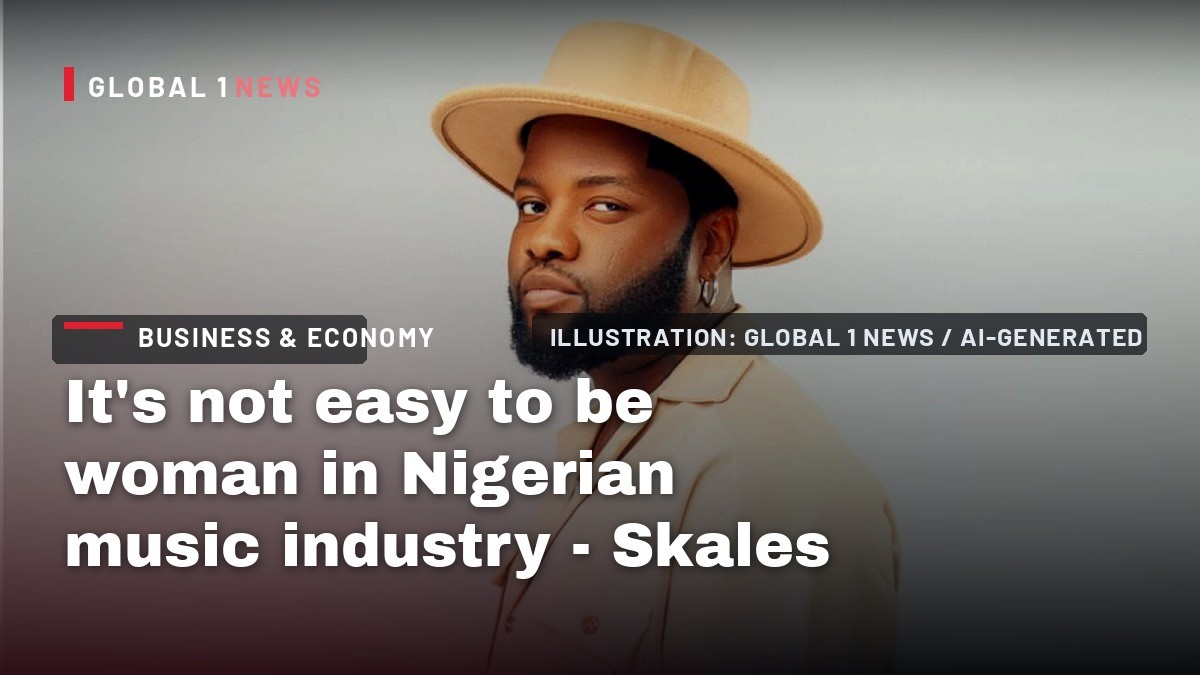
In a recent wave of social media affirmation, Nigerian singer Sk Skale — known for his 2015 hit “Shake Body” — took to his X account to salute female artists across the entertainment sector. His succinct message, “Big up all the females in the entertainment industry … it ain’t easy being a woman in this industry … big up to y’all for real,” resonated widely, echoing a broader conversation that has been gaining momentum on podcasts and online forums. The post, made on Thursday, was not an isolated gesture; it arrived on the heels of a candid interview by fellow singer‑songwriter Fave, who used the platform of the Afropolitan podcast to lay bare the unique hurdles that women confront in the Nigerian music arena.
Fave’s Podcast Revelation
During the Afropolitan episode, Fave articulated a stark reality: female artistes are evaluated not only on the merit of their musical talent but also through the lens of their sex appeal. She argued that this dual standard creates a “more difficult” pathway for women seeking to carve sustainable careers in Afrobeats. While she did not quantify the disparity, her remarks underscored a persistent perception that women must simultaneously satisfy artistic expectations and aesthetic judgments, a pressure that male counterparts typically do not face.
Fave’s commentary also highlighted a generational shift in vocal styling. She asserted that she, alongside Tems and Ayra Starr, introduced “different voices” that diverged from the “very feminine voice people were used to” in earlier eras of Nigerian pop. This claim positions the trio as catalysts for a broader redefinition of what a female voice can sound like in the Afrobeats landscape, suggesting that vocal diversity is becoming a hallmark of contemporary female expression.
Skales’ Public Acknowledgement
Skales’ public endorsement of female peers can be read as both a personal tribute and a strategic alignment with the evolving discourse on gender equity in the creative industries. By publicly “big‑upping” women, he not only validates the struggles articulated by Fave but also amplifies the call for a more inclusive environment. His tweet, shared on a Thursday, was succinct yet powerful, employing colloquial phrasing that resonates with the everyday language of Nigerian youth while simultaneously delivering a message of solidarity.
The timing of Skales’ post is noteworthy. Coming shortly after Fave’s podcast appearance, it signals a ripple effect where male artists are beginning to echo concerns traditionally voiced by women. This cross‑gender acknowledgment may signal an emerging allyship that could help shift entrenched industry norms, though the depth and durability of such support remain to be observed.
Historical Context of Female Voices in Afrobeats
Historically, female singers in Nigeria have often been pigeonholed into a “very feminine” vocal aesthetic, a term Fave used to describe the prevailing style before the rise of artists like Tems and Ayra Starr. This conventional sound was frequently linked to softer timbres and lyrical themes centered on romance and heartbreak, reflecting broader societal expectations of femininity. While these early voices achieved commercial success, they operated within a framework that limited artistic experimentation.
The emergence of Tems, Ayra Starr, and now Fave marks a departure from that template. Their vocal deliveries incorporate deeper registers, nuanced phrasing, and lyrical content that traverses empowerment, self‑assertion, and social commentary. By breaking away from the “very feminine” mold, they have expanded the sonic palette available to women in the genre, encouraging newer entrants to explore a broader range of expressive possibilities.
Industry Pressures Beyond Talent
Fave’s assertion that female artistes are judged on sex appeal points to a broader industry practice where visual branding, fashion choices, and public persona often intersect with musical output. In a market where music videos, social media presence, and live performances are integral to commercial viability, women frequently encounter expectations to curate an image that aligns with prevailing beauty standards. This dual burden can divert focus from artistic development and place additional emotional labor on female performers.
While the source material does not provide quantitative data on the impact of these pressures, the qualitative description suggests a “more difficult” career trajectory for women. The implication is that success may require navigating a complex matrix of talent, marketability, and personal authenticity—a balancing act that can be both exhausting and limiting.
Collective Impact of Tems, Ayra Starr and Fave
According to Fave, the trio’s arrival on the scene has altered public perception of female artistry in Afrobeats. By presenting “different voices,” they have challenged the monolithic image of the female singer and opened space for varied vocal textures and thematic content. This shift is not merely aesthetic; it carries cultural weight, signaling to audiences and industry gatekeepers alike that women can occupy diverse artistic roles without being confined to a singular archetype.
The ripple effect of this change is evident in the growing visibility of female producers, songwriters, and instrumentalists who are now being recognized for contributions beyond vocal performance. While the source material does not detail these ancillary developments, the broader narrative suggests an ecosystem gradually expanding to accommodate multifaceted female participation.
Social Media as a Platform for Advocacy
The exchange between Fave’s podcast remarks and Skales’ X post illustrates how digital platforms are reshaping advocacy within the Nigerian music industry. Podcasts provide a space for in‑depth discussion, allowing artists like Fave to articulate nuanced experiences. Meanwhile, micro‑blogging sites such as X enable rapid, wide‑reaching dissemination of supportive messages, as demonstrated by Skales’ succinct yet resonant tweet.
These channels democratize the conversation, allowing fans, critics, and fellow artists to engage directly with the issues raised. The viral nature of both the podcast clip and Skales’ tweet underscores the appetite for dialogue around gender equity, suggesting that public sentiment may be coalescing around a demand for systemic change.
Looking Ahead: Prospects for Gender Equity in Nigerian Music
As the discourse gains traction, the next phase will likely involve concrete actions aimed at leveling the playing field. Potential avenues include mentorship programs linking established female artists with emerging talent, industry pledges to ensure equitable representation in festival line‑ups, and increased investment in women‑led production houses. While the source material does not enumerate specific initiatives, the momentum generated by voices like Fave’s and the allyship signaled by Skales hint at a growing willingness to address entrenched disparities.
Ultimately, the evolution of female representation in Nigerian music will hinge on sustained advocacy, structural reforms, and the continued emergence of artists who defy conventional expectations. The acknowledgment from male peers, coupled with the pioneering vocal styles of Tems, Ayra Starr and Fave, offers a promising foundation for a more inclusive future where talent, rather than gendered perception, determines artistic success.
This article was produced with AI-assisted research and editorial support. Reporting is based on the source material cited below. Sources: Daily Post Nigeria; dailypost.ng; Global1.News (18 September 2026).
By Sarah Okafor, Staff Writer
What's Your Reaction?
 Like
0
Like
0
 Dislike
0
Dislike
0
 Love
0
Love
0
 Funny
0
Funny
0
 Wow
0
Wow
0
 Sad
0
Sad
0
 Angry
0
Angry
0

Africa Correspondent at Global1.News. Based in Lagos, covering politics, business, technology, and culture across the continent. Focused on telling African stories beyond the headlines — the innovation, entrepreneurs, and communities shaping the region's future.












Comments (0)