
Israel piles pressure on Arab parties as Netanyahu seeks government
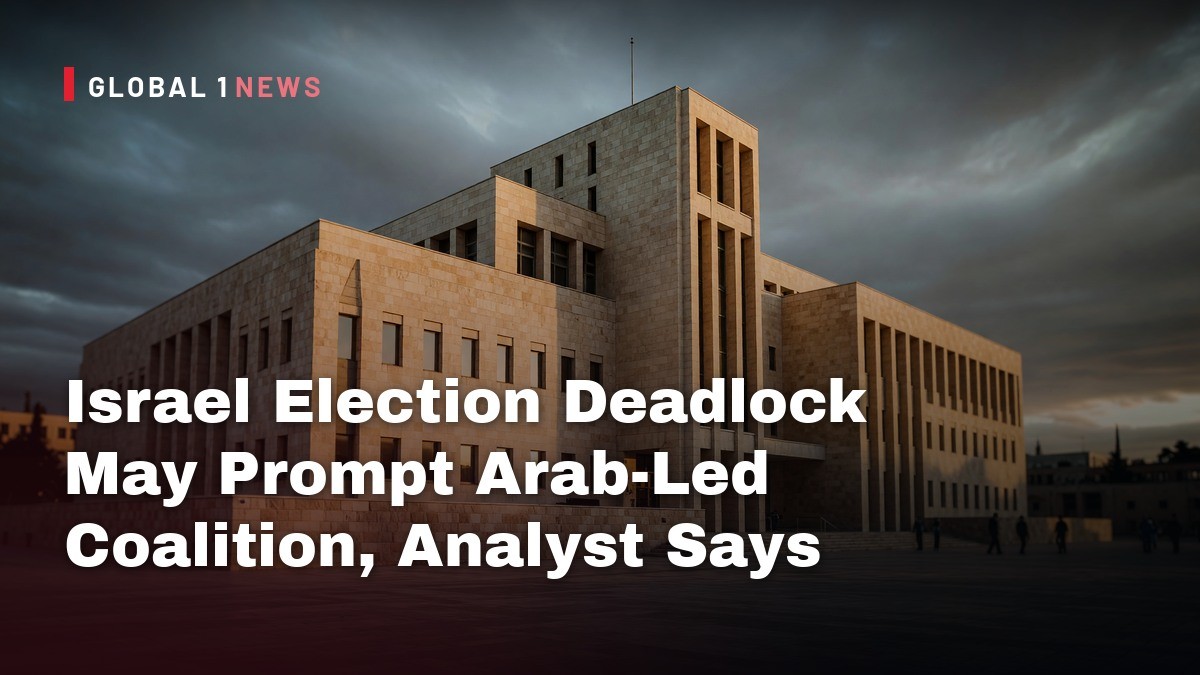
Prime Minister Benjamin Netanyahu’s bloc intensified pressure on Israel’s Arab parties on Thursday, reviving unproven claims of foreign funding as the nation scrambles to form a government after a fragmented election.
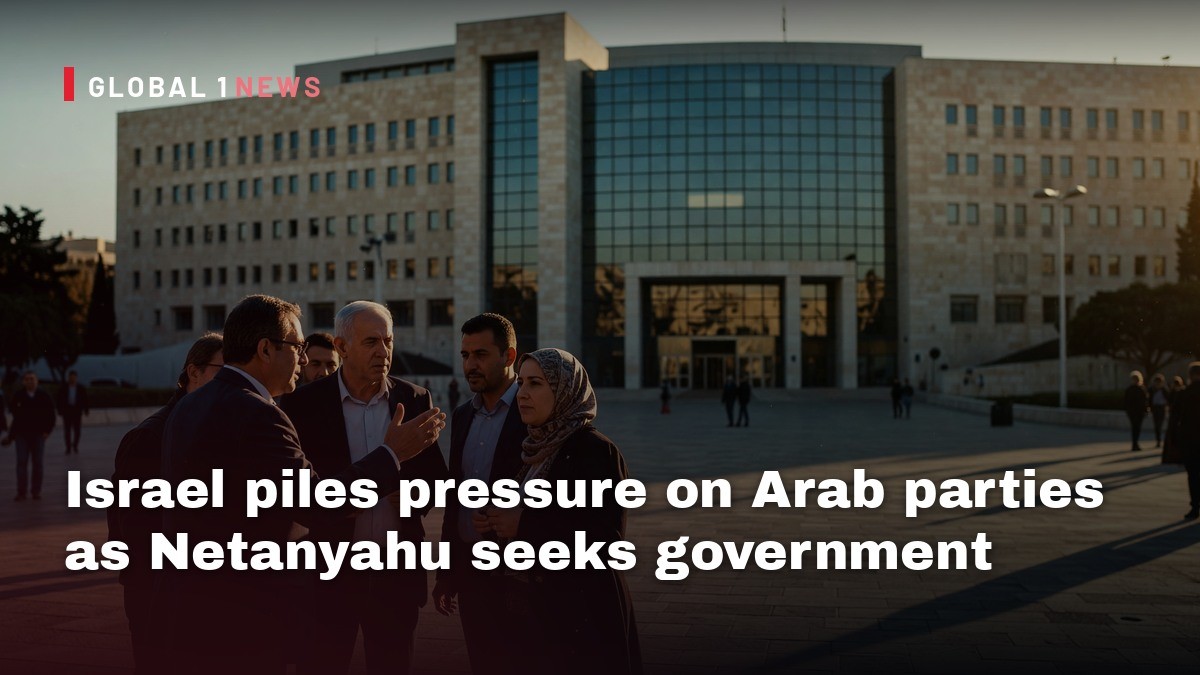
Prime Minister Benjamin Netanyahu’s bloc intensified pressure on Israel’s Arab parties on Thursday, reviving unproven claims of foreign funding as the nation scrambles to form a government after a fragmented election. The move, spearheaded by National Security Minister Itamar Ben Gvir, a hard‑line figure known for his confrontational stance toward Palestinians, called for the immediate arrest of Arab party leaders, underscoring the heightened political stakes and the broader security concerns that dominate Israeli politics today.
Election results and the Arab bloc’s breakthrough
With nearly 93 percent of ballots counted, the vote tally left Netanyahu’s Likud‑led bloc at 53 seats and the opposition coalition headed by former military chief Gadi Eisenkot at 48. Both fell short of the 61 seats required to command a majority in the 120‑member Knesset. Meanwhile, the two main Arab formations surged to an unprecedented combined total of 19 seats, a performance that could tip the balance of power if the opposition were to secure Arab support.
Yousef Jabareen, leader of the left‑leaning Joint List, told AFP that while his bloc would cooperate with the opposition to unseat Netanyahu, it would not join a governing coalition. He framed the Arab parties’ stance as a push to end what he described as “Netanyahu’s blood‑soaked government,” while also noting deep policy disagreements with Eisenkot, particularly over the ongoing destruction of Gaza that followed the October 7, 2023 Hamas attack.
Accusations of foreign financing and the “Raamgate” controversy
The latest political flashpoint centers on allegations that the Arab party Raam received funding from Qatar, a Gulf state with known channels to Hamas. Supreme Court Justice Noam Sohlberg, who heads the Central Election Commission, asked the Shin Bet security service to investigate the claim. Netanyahu’s Likud party seized on the accusation, branding it a “political earthquake” and alleging that Israel’s elections had been “stolen.”
Despite the fervor, government officials have not presented concrete evidence to substantiate the Qatar funding claim. The police have indicated that they will investigate any complaints related to election integrity, and they have already arrested three suspects in a separate, isolated local case involving alleged cash envelopes. Critics argue that the timing of the accusations is designed to tarnish the Arab parties and make them appear “toxic” to Eisenkot’s opposition bloc.
Netanyahu’s broader strategy and political calculus
Netanyahu, Israel’s longest‑serving prime minister, has a history of navigating complex political alliances. Over the past year, he has faced scrutiny over alleged Qatar‑linked payments to two of his aides, a scandal that resurfaced during the current election cycle. While he has previously tolerated limited Qatari funding to Hamas‑ruled Gaza as a means of preserving stability, the October 7, 2023 Hamas onslaught dramatically altered that calculus.
By foregrounding allegations of foreign money, Netanyahu appears to be rallying his right‑wing base, warning that a coalition with Arab parties would empower “foreign interests.” The rhetoric aligns with Ben Gvir’s call for immediate arrests, signaling a hard‑line approach that seeks to marginalize Arab political influence and consolidate right‑wing support ahead of any coalition negotiations.
Eisenkot’s response and the opposition’s dilemma
Opposition leader Gadi Eisenkot, who commands a coalition of centrist and right‑leaning forces, has publicly condemned the allegations as unfounded while pledging “utmost vigilance” against election interference. He warned that political actors should not exploit the volatile situation to influence the timing of the 26th Knesset’s inauguration.
Eisenkot’s right‑leaning ally, Avigdor Lieberman, described the Qatar funding claims as “dramatic and unprecedented,” urging a swift investigation. Yet Eisenkot remains cautious about forming a government that relies on Arab support, given the deep policy rifts over the Gaza conflict and the broader security agenda.
Security concerns and the looming Iran threat
Parallel to the political wrangling, Israel faces a renewed security threat from Iran. Netanyahu has repeatedly threatened pre‑emptive strikes against Tehran, a stance echoed by his ally, U.S. President Donald Trump, who signaled readiness to act after the upcoming U.S. midterm elections. An Iranian attack could force Eisenkot’s hand, potentially prompting an emergency unity government—a scenario he has publicly dismissed.
The specter of war with Iran adds urgency to the coalition talks. Military officials have warned that Netanyahu lacks a clear mandate to pursue aggressive action, urging that the armed forces not be used for political ends. The interplay between security imperatives and political negotiations underscores the delicate balance Israel must strike as it navigates both domestic and regional challenges.
The role of the President and the next steps
President Isaac Herzog, who will receive the official election results, holds the constitutional authority to task a Knesset member with forming a government. The decision will hinge on the final seat distribution, the outcome of any investigations into alleged foreign funding, and the evolving security landscape.
Given the fragmented parliament, Herzog may explore alternative pathways, such as encouraging a minority government supported by a confidence‑and‑supply arrangement, or prompting a new election if coalition talks stall. The President’s move will be closely watched by both domestic actors and international partners, particularly the United States, which is monitoring Israel’s political stability amid its own electoral cycle.
Implications for Israel’s democratic fabric and regional dynamics
The current impasse highlights the tension between Israel’s democratic institutions and the deep societal cleavages that surface during election cycles. The Arab parties’ historic surge reflects a growing demand for representation among Israel’s Arab citizens, yet the political backlash underscores persistent mistrust and competing narratives about national identity and security.
How Israel resolves this stalemate will shape not only its internal political equilibrium but also its regional posture. A government that marginalizes Arab voices could exacerbate internal divisions, while a coalition that includes Arab parties may signal a shift toward broader inclusion, albeit contingent on reconciling divergent policy priorities on Gaza, the West Bank, and Iran. The coming weeks will test Israel’s ability to balance democratic representation, security imperatives, and the complex web of regional relationships that define its strategic landscape.
This article was produced with AI-assisted research and editorial support. Reporting is based on the source material cited below. Sources: Al-Monitor; al-monitor.com; Global1.News (29 October 2026).
By Hannah Berg, Staff Writer
What's Your Reaction?
 Like
0
 Dislike
0
 Love
0
 Funny
0
 Wow
0
 Sad
0
 Angry
0
Israel Correspondent at Global1.News. Based in Tel Aviv, covering Israeli politics, security, technology, and society. Provides balanced, deeply-sourced reporting on one of the most closely-watched regions in the world.











Comments (0)