
Iran Says Oman Talks Delayed by Complexity, Interference
The intricate dance of diplomacy and deterrence in the Persian Gulf has reached a critical juncture. As Iran and Oman work to finalize a maritime transit agreement for the Strait of Hormuz, Tehran’s Foreign Ministry Spokesperson Esmaeil Baghaei has signaled that the process is being deliberately prolonged by the complexity of the issues at hand and active efforts by external actors to undermine the negotiations.
The intricate dance of diplomacy and deterrence in the Persian Gulf has reached a critical juncture. As Iran and Oman work to finalize a maritime transit agreement for the Strait of Hormuz, Tehran’s Foreign Ministry Spokesperson Esmaeil Baghaei has signaled that the process is being deliberately prolonged by the complexity of the issues at hand and active efforts by external actors to undermine the negotiations. The outcome of these talks will determine the flow of roughly one-fifth of the world’s daily oil consumption, making this a high-stakes test of regional diplomacy amid the fragile post-war order.
The stakes could not be higher. The Strait of Hormuz, which normally carries about 20 million barrels of oil per day, remains closed to regular commercial traffic under Iranian orders, a direct consequence of the devastating US-Israeli military campaign that began on February 28, 2026. With Brent crude surging above $85 per barrel and inching closer to $90, the world’s energy markets are watching every signal from Muscat, Tehran, and Washington.
Iran and Oman Edge Toward a Hormuz Shipping Agreement, But Sabotage and Complexity Delay Final Deal
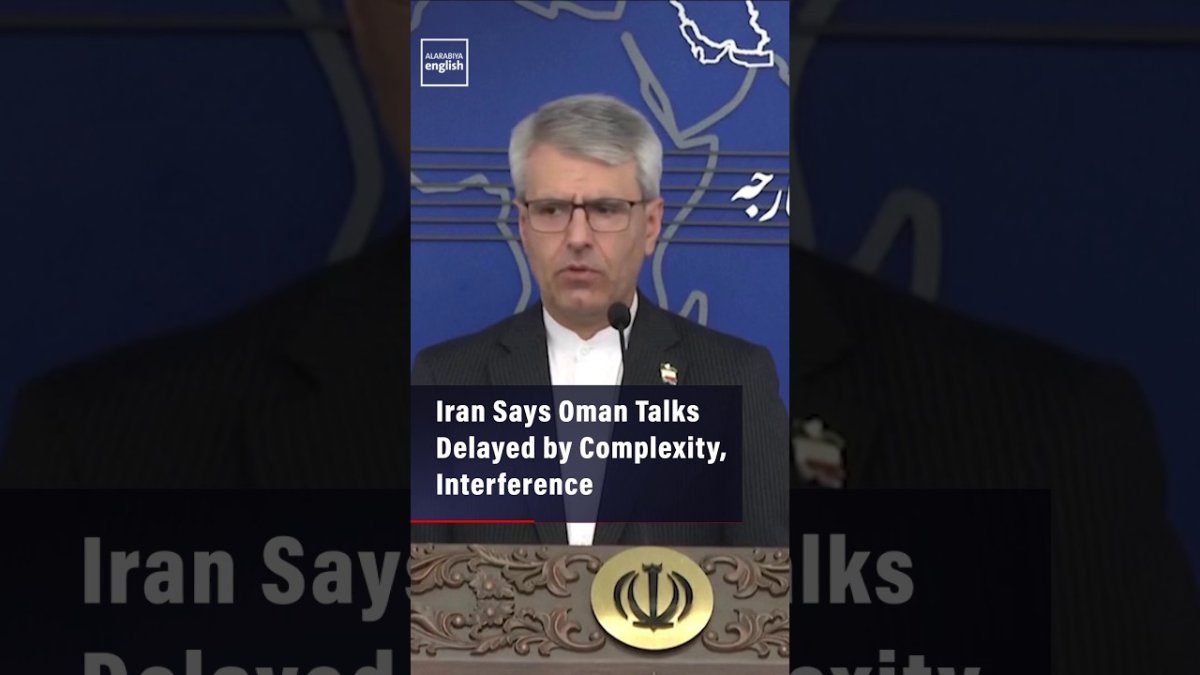
Beirut, Lebanon - August 17, 2026 - Iran’s Foreign Ministry Spokesperson Esmaeil Baghaei confirmed on Monday that talks with Oman regarding a new maritime shipping route through the Strait of Hormuz have made positive progress over the past three weeks, but he cautioned that the process is being prolonged due to the complexity of the issues and efforts by some actors to undermine the process. The admission, made to Defa Press and reiterated in statements to the Associated Press, underscores the fragile nature of the negotiations that could restore a critical artery of global energy trade.
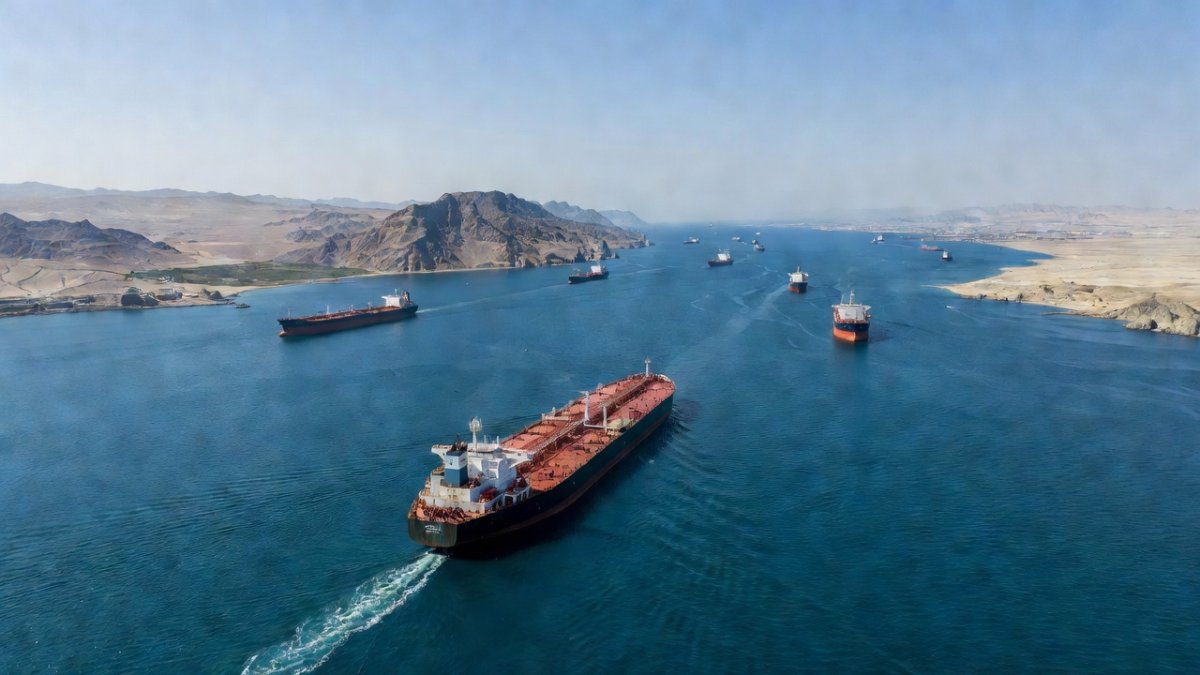
Baghaei’s remarks come just days after Iran and Oman agreed on the geographic coordinates for a shipping route through the strait on August 4-5, with a joint announcement being finalized. However, the spokesperson blamed security complications caused by US and Israeli military actions for the delays, framing the prolonged talks as a direct consequence of the broader confrontation that has defined the region since late February.
The Context of a Closed Strait: From War to Ceasefire
The current impasse is rooted in the devastating conflict that erupted on February 28, 2026, when US and Israeli airstrikes killed several senior Iranian officials, including Supreme Leader Ali Khamenei. The assassination of the Supreme Leader sent shockwaves through the Islamic Republic and triggered a full-scale regional war that only subsided with a ceasefire on April 8. In the aftermath of the aggression, Iran moved swiftly to restrict transit through the Strait of Hormuz, a strategic choke point that had long been Tehran’s primary leverage in any confrontation with the West.
The closure has had immediate and severe consequences for global energy markets. With the strait handling roughly 20 million barrels per day—about one-fifth of global oil consumption—the disruption has sent prices soaring. On August 10, oil surged above $85 per barrel as the deal remained elusive, with Houthi rebels simultaneously continuing attacks on Saudi Arabia’s oil infrastructure. By August 11, oil prices jumped 5% in a third consecutive session of gains, with Brent crude moving closer to the psychologically significant $90 mark.
The Pakistan-Brokered Framework and the $300 Billion Question
The path to the current negotiations was paved by a significant diplomatic breakthrough on June 17, 2026. A Pakistan-brokered Memorandum of Understanding between Tehran and Washington outlined a phased de-escalation: the US was to end its naval blockade within 30 days, remove forces near Iran after a “final deal,” and begin work on a reconstruction and development package for Iran of at least $300 billion. This framework was seen as a face-saving mechanism for both sides, allowing the Trump administration to claim a diplomatic victory while providing Tehran with a tangible economic lifeline.
However, implementation has been anything but smooth. On August 8, a US official stated that Iran and Oman had made progress toward a deal that could restore commercial shipping, but Washington explicitly linked the lifting of the Iranian ports blockade to Tehran’s compliance with the terms of the June memorandum. This conditional approach has created a chicken-and-egg dilemma: Iran insists the Strait of Hormuz will stay closed until the US agrees to demands including the complete lifting of the naval blockade, while Washington demands verifiable Iranian compliance before making further concessions.
Baghaei’s Message: Complexity, Sabotage, and Sovereignty
In his most detailed public comments to date, Baghaei framed the prolonged talks as a function of both technical complexity and deliberate obstruction. “Talks with Oman continue but are prolonged due to the complexity of the issues and efforts by some actors to undermine the process,” he said, without naming the specific actors. The oblique reference to sabotage is widely interpreted in regional diplomatic circles as a nod to both US intelligence operations and Israeli efforts to prevent any normalization of Iran’s maritime position.
The spokesperson emphasized that the Iran-Oman arrangement is an independent understanding between the two coastal states, aimed at ensuring safe passage while preserving sovereignty. This framing is crucial for Tehran, which seeks to present the agreement as a bilateral matter between littoral states rather than a concession extracted under US military pressure. By positioning Oman as the mediator and co-signatory, Iran can claim it is exercising its sovereign rights over its territorial waters while still providing a pathway for de-escalation.
The IRGC’s Hardline Posture and the Tangsiri Factor
Complicating the diplomatic track is the uncompromising stance of the Islamic Revolutionary Guard Corps (IRGC). On August 14, IRGC Navy Commander Alireza Tangsiri categorically stated that the Strait remains closed, dismissing US claims about the level of maritime and oil traffic. Tangsiri’s public dismissal of Kpler data suggesting increased traffic highlights the internal tensions within Iran’s power structure—between the diplomatic corps seeking a negotiated settlement and the security establishment that views any reopening as a strategic concession.
The IRGC’s posture is not merely rhetorical. During the confrontation, Iran seized cargo ships including the Epaminondas, demonstrating its willingness to enforce its maritime claims through direct action. The continued detention of these vessels serves as both a bargaining chip and a warning to shipping companies considering a return to the strait without explicit Iranian guarantees. Tangsiri’s statements suggest that even if Foreign Minister Abbas Araghchi and his team finalize the agreement with Oman, implementation will require the IRGC’s buy-in—a significant hurdle given the institution’s institutional suspicion of US intentions.
Oman’s Mediating Role: Sultan Haitham’s Delicate Balance
Oman has once again positioned itself as the indispensable mediator in Gulf crises, a role it has played for decades. Sultan Haitham bin Tariq’s government maintains cordial relations with both Tehran and Washington, making Muscat the natural conduit for back-channel communications. The August 4-5 agreement on geographic coordinates for the shipping route represents a significant technical achievement, but the finalization of a joint statement has proven elusive.
Oman’s strategic calculus is straightforward: a prolonged closure of the Strait of Hormuz would devastate the regional economy, including Oman’s own maritime and logistics sectors. However, Muscat must also balance its security relationship with the United States, which maintains a significant military presence in the region. By facilitating the Iran-Oman agreement, Sultan Haitham’s government is effectively providing Washington with a face-saving mechanism to lift the naval blockade without appearing to capitulate to Iranian demands—while simultaneously giving Tehran a sovereign pathway to reopen the strait without appearing to surrender to US pressure.
Energy Markets and the Geopolitical Endgame
The market reaction to the prolonged talks tells a clear story of nervousness and speculation. Oil prices have remained elevated above $85 per barrel since August 10, with the August 11 surge of 5% reflecting growing doubts about a near-term resolution. The combination of the Hormuz closure, Houthi attacks on Saudi infrastructure, and the broader uncertainty surrounding the post-war order has created a risk premium that is unlikely to dissipate quickly.
For Washington, the calculus is equally complex. President Donald Trump confirmed on August 4-5 that talks with Iran had resumed, signaling a willingness to engage diplomatically despite the hawkish rhetoric that characterized the early stages of the conflict. However, the administration’s linkage of the ports blockade to Iranian compliance suggests that the White House is seeking to extract maximum concessions before making any concrete moves. The $300 billion reconstruction package remains on the table, but its disbursement is contingent on a “final deal” that has yet to materialize.
Strategic Analysis: What Each Side Wants and What Comes Next
The strategic calculus for each party reveals a complex web of incentives and constraints. Iran seeks three primary objectives: the complete lifting of the US naval blockade, recognition of its sovereign rights over the Strait of Hormuz, and access to the $300 billion reconstruction package to rebuild its war-shattered economy. The Iran-Oman agreement serves as the vehicle to achieve these goals while maintaining the fiction that Tehran is not negotiating under duress.
The United States, for its part, wants to demonstrate that its military campaign achieved its objectives without being drawn into a prolonged occupation or a second front. The Trump administration needs a diplomatic off-ramp that allows it to claim victory while ensuring that Iran does not emerge from the conflict with enhanced regional influence. The linkage between the blockade and Iranian compliance is designed to ensure that Tehran’s concessions are verifiable and irreversible.
Oman’s role as mediator serves its own interests by reinforcing its status as an indispensable regional broker, a position that brings both diplomatic prestige and economic benefits. The second-order effects of a successful agreement would be significant: lower oil prices, reduced risk premiums, and a potential thaw in Iran’s relations with Gulf states that have been wary of Tehran’s regional ambitions.
The Road Ahead: Finalization and Implementation Risks
As of August 17, the sides are working to finalize details for a joint statement, with Baghaei expressing cautious optimism about the progress made over the past three weeks. However, the path to implementation remains fraught with risk. The IRGC’s continued insistence that the strait remains closed suggests that any agreement will require a coordinated security handover, a process that could take weeks or even months to execute.
The immediate test will be whether the joint statement can be issued without further delays. If the agreement is finalized, the next phase will involve the actual reopening of the strait to commercial traffic, a process that will require coordination between Iranian naval forces, Omani maritime authorities, and international shipping companies. The seizure of vessels like the Epaminondas will need to be resolved, and security guarantees will need to be credible enough to convince insurers and shipping lines to return.
For now, the world waits. The prolonged talks between Tehran and Muscat are a microcosm of the broader regional dynamics—a delicate balance of coercion and diplomacy, sovereignty and interdependence, that will determine the trajectory of the Middle East in the post-war era. The complexity that Baghaei cites is real, and the efforts to undermine the process are equally tangible. Whether the agreement can withstand these pressures will be the defining question of the coming weeks.
By Malik Hassan, Staff Writer
This article was produced with AI-assisted research and editorial support. Reporting is based on sources cited in the article.
What's Your Reaction?
 Like
0
Like
0
 Dislike
0
Dislike
0
 Love
0
Love
0
 Funny
0
Funny
0
 Wow
0
Wow
0
 Sad
0
Sad
0
 Angry
0
Angry
0
Middle East Correspondent at Global1.News. Based in Beirut, covering politics, conflict, energy, and society across the Middle East. Brings context and depth to a region often reduced to headlines.












Comments (0)