
Catherine's emotional cancer documentary strips away the stiff upper lip
The Princess of Wales has taken a step that would have seemed unimaginable a generation ago: she has fronted a candid, self‑filmed documentary about her battle with cancer.
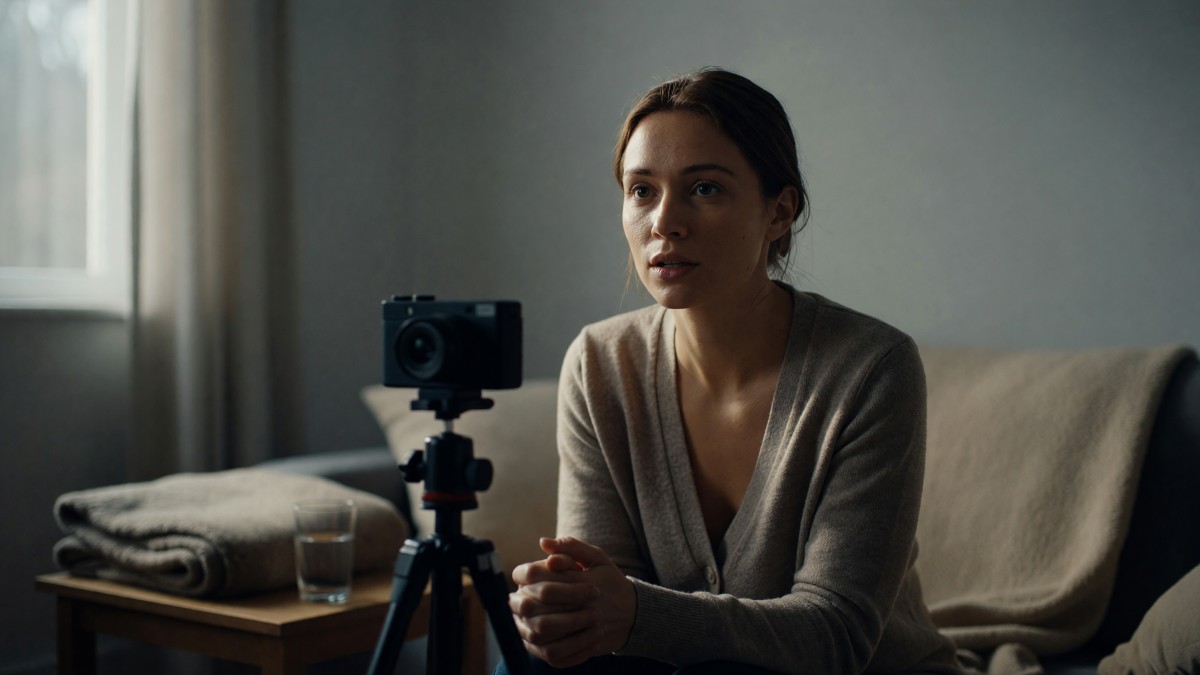
The Princess of Wales has taken a step that would have seemed unimaginable a generation ago: she has fronted a candid, self‑filmed documentary about her battle with cancer. Titled Heal and broadcast on BBC One, the half‑hour film strips away the traditional royal reserve, offering a raw glimpse into Catherine’s personal journey and, by extension, the broader experience of hundreds of thousands of Britons confronting the disease each year.
From palace walls to mountain peaks
Unlike the usual regal tableau of palaces and carriages, Heal is set against the stark, breath‑taking backdrop of the Three Peaks Challenge – a day‑long trek across the highest summits of England, Wales and Scotland. The documentary follows Catherine as she drives between the peaks, climbs, and shares moments with fellow hikers. This physical ascent serves as a metaphor for the “scary, disorientating experience” of her treatment, illustrating how resilience is built not only through medical intervention but also through the support of others.
At the summit of one mountain, Catherine receives voice messages from her three children – George, Louis and Charlotte – each expressing love in a way that underscores the closeness of the family. The film later captures a tender scene where the children, alongside Prince William, share a group hug, tears brushed aside but palpable. These intimate family moments, rare in royal media, become the emotional peaks that the programme hopes viewers will carry forward.
A departure from royal tradition
Royal commentator Valentine Low notes that “no previous generation of the Royal Family would have considered producing something like this.” Historically, the monarchy has guarded its privacy, especially regarding personal health. Catherine’s decision to front a documentary that openly discusses vulnerability marks a clear shift, reflecting a generation more inclined to seek a “positive message from the experience.” By controlling the narrative herself, without an external interviewer, she maintains agency while still breaking new ground.
Prof Pauline Maclaran of Royal Holloway, who viewed the screening, described the film as possessing an “emotional directness” that is an “unusual departure.” She believes the public will admire Catherine’s bravery, suggesting that the documentary could resonate strongly with audiences accustomed to more guarded royal communications.
The emotional core of the film
At its heart, Heal is a soul‑baring account of fear, anxiety and uncertainty – emotions Catherine says are shared by “hundreds of thousands of people each year” who receive the dreaded diagnosis. She reflects on how cancer “changes you physically” and forces a confrontation with mortality, prompting a shift in perspective that she describes as a pilgrimage toward “spiritual health.” The film does not disclose the specific type of cancer or treatment details, keeping the focus on the universal emotional landscape rather than medical specifics.
Viewers are likely to be moved, whether to tears or to a sense of schmaltz, as the documentary leans heavily on personal narration and family interaction. This self‑scripted video diary format, while lacking the investigative rigour of traditional documentaries, offers an authenticity that can be powerful for those navigating similar journeys.
Impact on public conversation and NHS awareness
The documentary arrives at a time when waiting times and support for NHS cancer patients remain pressing concerns. By foregrounding her own experience, Catherine indirectly highlights the disparity between the care she received at the Royal Marsden Cancer Charity hospital and the everyday realities faced by the majority of patients. The film’s raw depiction of hospital wards and conversations with fellow patients may spark renewed dialogue about the adequacy of treatment pathways and post‑treatment support across the health service.
Leaders in the cancer support sector have welcomed the film’s honesty. Michelle Mitchell, chief executive of Cancer Research UK, says that seeing a public figure speak openly about “fear, hope and the long road to recovery” can make a real difference for those currently undergoing treatment. Similarly, Ceinwen Giles of Shine Cancer Support stresses that the documentary provides a template for younger adults and families to start their own conversations about how cancer impacts every facet of life.
Charitable dimension and international reach
Proceeds from the documentary are earmarked for the Royal Marsden Cancer Charity, mirroring the charitable angle of Catherine’s Three Peaks Challenge fundraiser. This aligns the film with a broader philanthropic strategy, linking personal narrative to tangible support for cancer care. The programme will also be streamed internationally – on NBCUniversal in the United States, Channel 9 in Australia, and CTV and Noovo in Canada – extending its potential influence beyond the UK.
By broadcasting on both BBC iPlayer and BBC One, the film is positioned for maximum domestic reach. Its scheduled airing at 18:40 GMT on 29 November ensures that it will be accessible to a wide audience, while the availability on iPlayer from midday the same day offers flexibility for viewers to engage at their convenience.
Balancing personal vulnerability with royal duty
While the documentary offers a poignant glimpse into Catherine’s personal battle, it also raises questions about how this openness will sit alongside her future responsibilities as queen. The melancholy tone, describing a “really dark time,” juxtaposes with the expectation of regal composure. Yet, the film suggests a redefinition of royal duty – one that includes advocating for health issues and using personal experience to foster national empathy.
In the film, Catherine speaks of “giving back” to those facing similar health worries and acknowledges the support of health services and charities. This framing positions her as a bridge between the monarchy and the public, using her platform to amplify the voices of patients and to encourage a more compassionate societal response to illness.
What Heal means for the future of royal media
By opting for a self‑directed documentary, Catherine has set a precedent for how the royal family might engage with contemporary media. The choice to forgo traditional interview formats in favour of a personal video diary reflects an understanding of the “social media age,” where authenticity and direct connection are prized. This approach could inspire future royal communications to adopt more intimate, narrative‑driven formats.
Ultimately, Heal is more than a personal testimony; it is a cultural moment that challenges long‑standing notions of royal privacy, invites public discourse on cancer care, and demonstrates how personal vulnerability can be harnessed for collective benefit. Whether viewers find it moving, schmaltzy, or somewhere in between, the documentary is poised to spark conversation across living rooms and parliamentary chambers alike, underscoring the power of a single story to illuminate a national health challenge.
This article was produced with AI-assisted research and editorial support. Reporting is based on the source material cited below. Sources: BBC News UK; bbc.co.uk; Global1.News (28 November 2026).
By Erica Thornton, Staff Writer
What's Your Reaction?
 Like
0
 Dislike
0
 Love
0
 Funny
0
 Wow
0
 Sad
0
 Angry
0

US Politics and Policy Correspondent at Global1.News. Based in Washington DC, covering American politics, policy, elections, and the courts. Knows how the system works and tells you what it actually means.











Comments (0)