
Caricom could face US$3.6 billion shipping bill under IMO climate rules
Caribbean businesses and households are bracing for a steep rise in the cost of the goods they import, as the International Maritime Organisation’s new Net‑Zero Framework threatens to add billions of dollars to shipping charges.
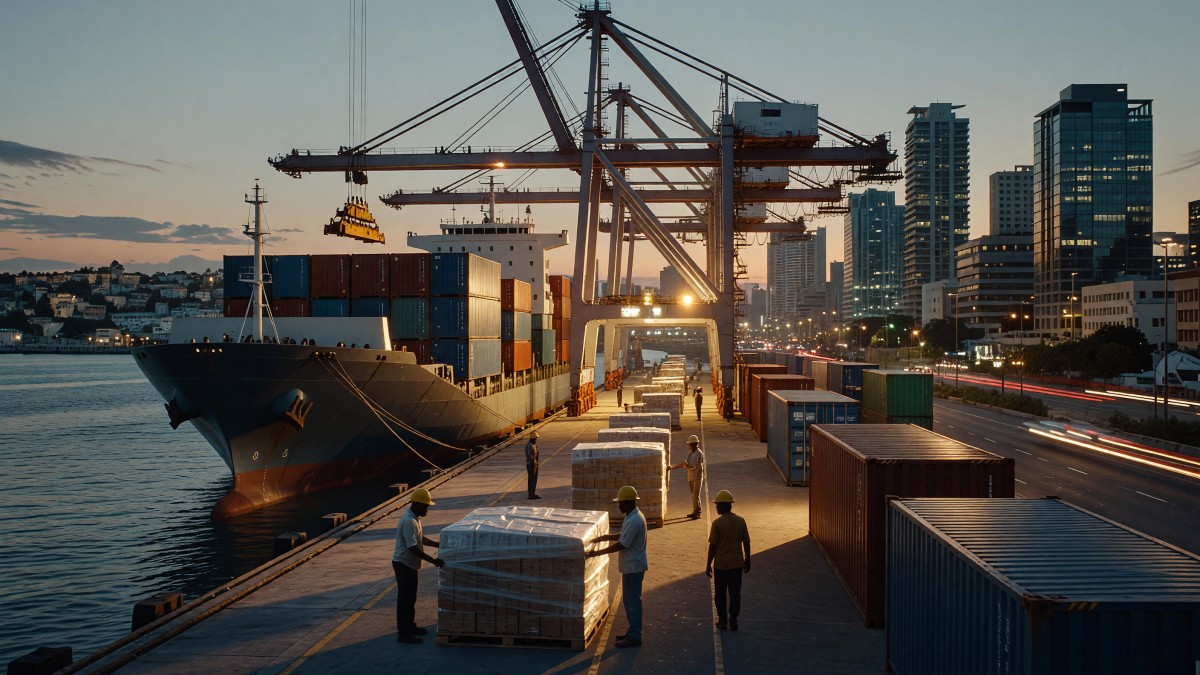
Caribbean businesses and households are bracing for a steep rise in the cost of the goods they import, as the International Maritime Organisation’s new Net‑Zero Framework threatens to add billions of dollars to shipping charges. A fresh study by the Caricom Private Sector Organisation (CPSO) quantifies the impact, warning that between 2028 and 2035 the region could face an extra US$3.6 billion in freight costs under the framework as currently approved. The findings arrive just as the IMO’s Marine Environment Protection Committee reconvenes in London, and they are already shaping the negotiating stance of Caribbean governments and private firms.
The CPSO’s Bottom‑Line: A $3.6 billion Shipping Bill
The CPSO’s analysis, the first to break down the Net‑Zero Framework’s effect on each of the twelve Caricom member states, estimates that the cost of shipping imports could climb by roughly 14 per cent by 2035. In that year alone, the surcharge would amount to about US$761 million, pushing the overall freight price to a third higher than the level recorded in 2027.
When the surcharge is passed on to consumers, the landed cost of imported goods could rise by around 2.5 per cent before customs duties are applied. For economies where imports constitute between 28 and 47 per cent of gross domestic product, that translates into a noticeable dent in household budgets. The study also projects that real import volumes could fall by US$2.9 billion – roughly 9.5 per cent – by 2035, with food imports alone shrinking by US$312 million.
Why the Charge Is Likely to Pass Through to Consumers
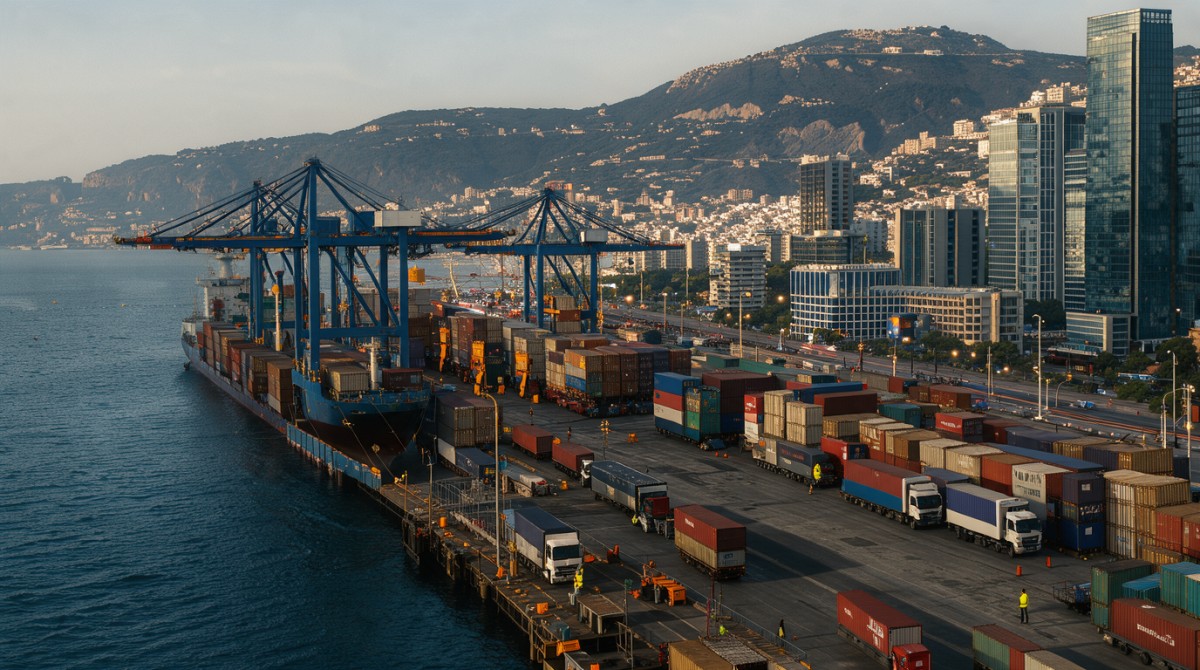
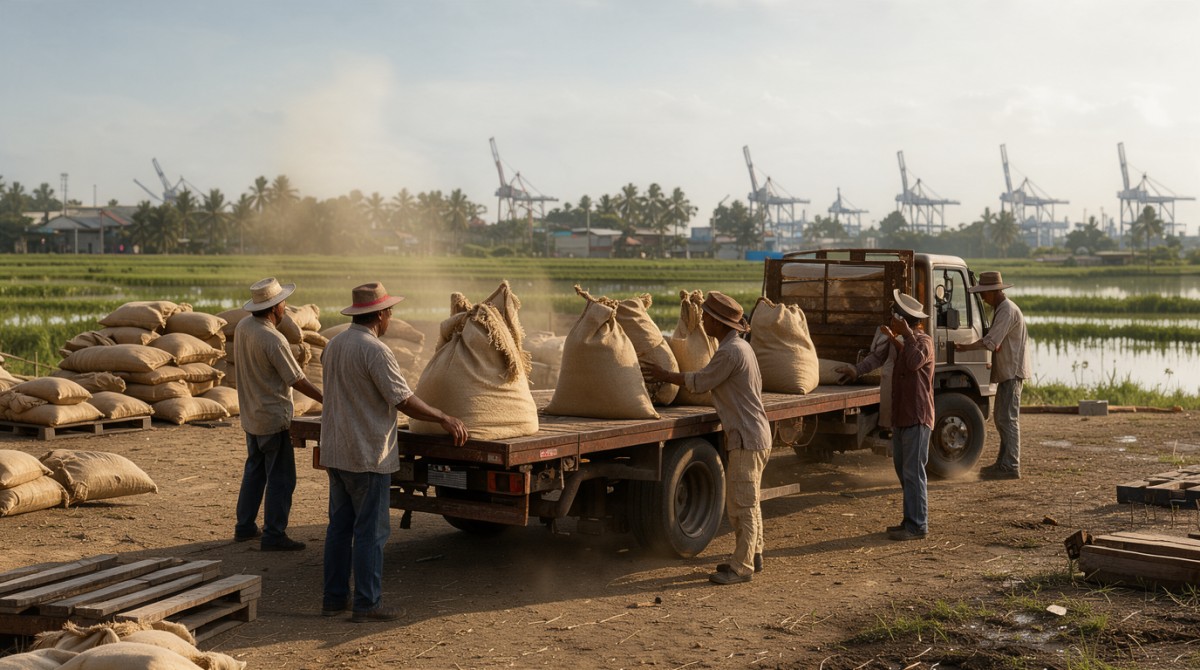
Caribbean ports lack the infrastructure to handle the cleaner fuels that the IMO’s Net‑Zero Framework envisions. The region has no bunkering network for low‑carbon fuels, and its feeder vessels – the small ships that link the islands to larger global carriers – are not represented in shipyard order books. Independent research cited by the CPSO confirms that commercially viable alternative fuels are not yet available, and nine global shipping associations echoed this view on 18 November.
Because the ships cannot readily switch to greener fuels, carriers are expected to absorb the cost of the IMO’s carbon charge and then pass it on as a freight surcharge, much as they have done for the European Union’s carbon pricing scheme since 2024. The impact will not be uniform: the seven tourism‑dependent islands could see real imports fall between 6.6 and 9.5 per cent, while the smallest islands on thinly served routes risk reduced service frequency or even route withdrawals.
Comparing the Five Proposed Texts
The CPSO model examined the approved framework alongside four alternative proposals tabled ahead of the MEPC 85 meeting. Under the approved text, the cumulative extra shipping cost for the region over the 2028‑2035 window is estimated at US$3.6 billion. Japan’s proposal would lower that burden to about US$3.0 billion, while Tuvalu’s more ambitious option would raise it to roughly US$4.8 billion.
Two other proposals – from Brazil and Liberia – appear less costly, at about US$0.7 billion and US$0.5 billion respectively, but they do not guarantee any return of funds to the Caribbean. The CPSO stresses that, regardless of the final text, all five options would increase shipping and import costs for Caricom peoples.
The Funding Gap and the Call for Safeguards
By 2030, the region’s payments into the IMO’s Net‑Zero Fund could represent about 2 per cent of the fund’s expected revenue, even though Caricom accounts for only 0.12 per cent of global imports. The rules governing the distribution of that fund’s proceeds have yet to be drafted, leaving the Caribbean exposed to a disproportionate financial burden.
In response, the CPSO has set out three non‑negotiable conditions for any adopted text. First, the rules must recognise the heightened vulnerability of Small Island Developing States (SIDS) and earmark a share of the fund for them, with a phased implementation that eases the impact on the most fragile trade routes. Second, any money paid into the fund must be returned to the region – at least the amount paid on both imports and exports – through a region‑controlled channel such as the Caribbean Development Bank. Third, the chosen option must carry the lowest net cost to Caricom, keeping the lower‑cost proposals from Japan, Brazil and Liberia on the table.
Turning a Cost into an Opportunity
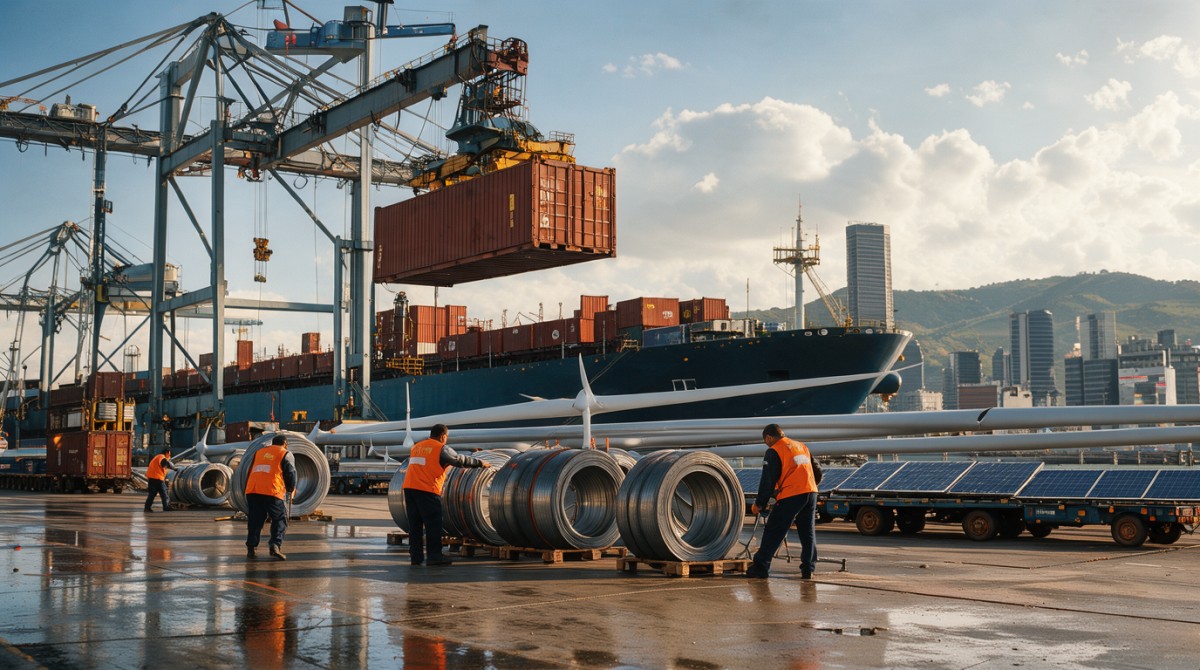
While the immediate picture is one of added expense, the CPSO also points to a potential upside. Once the necessary ships and fuel‑supply infrastructure are in place, a dual‑fuel feeder vessel could save between US$200 and US$250 for every tonne of conventional fuel it replaces. This saving, however, hinges on the development of the required infrastructure and fleet upgrades – a gap that the private sector says it is ready to help bridge.
Dr Patrick Antoine, the CPSO’s chief executive, framed the issue as both an investment agenda and a negotiating stance. “Caricom can be a supplier of cleaner marine fuels, not just a payer of carbon charges,” he said, underscoring the need for financing, shipbuilding and fuel‑supply projects to materialise before the region is forced into a purely cost‑absorbing role.
What This Means for the Everyday Caribbean Consumer
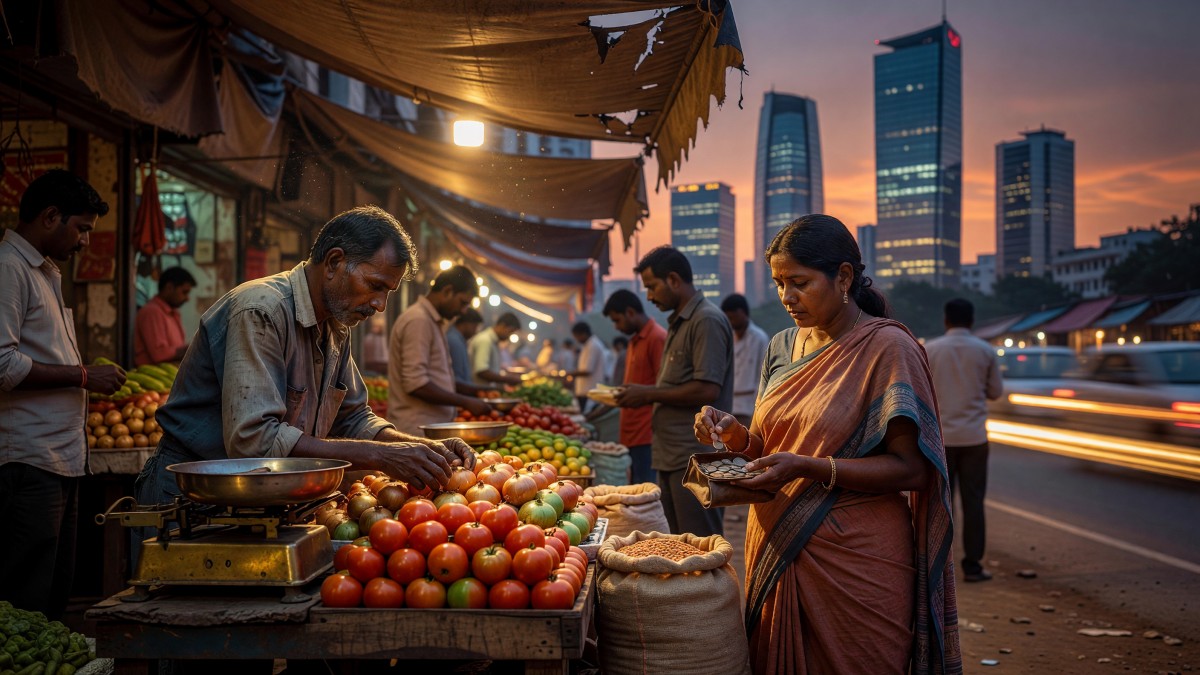
For the average person in Port of Spain, Bridgetown or Scarborough, the ripple effects of higher freight charges will be felt at the checkout. A 2.5 per cent rise in landed import costs, layered on existing customs duties, translates into higher prices for everything from food staples to household appliances. In economies where imports form a sizeable slice of GDP, those extra costs quickly erode disposable income and can strain food security.
Moreover, the projected decline in real import volumes – up to US$2.9 billion by 2035 – suggests that some goods may become scarcer, potentially prompting retailers to raise prices further or to source from more distant, costlier suppliers. The tourism sector, a lifeline for many islands, could also feel the pinch if higher freight costs lead to reduced availability of essential supplies for hotels, restaurants and cruise‑ship provisioning.
Looking Ahead: Negotiations, Infrastructure and Regional Unity
The MEPC 85 session, running from 30 November to 3 December in London, will be a decisive moment for the Caribbean. The framework is slated to return for a final decision on 4 December, and the CPSO’s study aims to ensure that Caricom’s voice is heard loud and clear. By presenting hard‑numbers on the economic impact and laying out concrete safeguards, the private sector hopes to shape a compromise that protects the region’s cost of living and food security.
Beyond the negotiations, the longer‑term challenge will be building the infrastructure needed to transition to cleaner fuels. That includes developing bunkering facilities, investing in dual‑fuel vessels and establishing financing mechanisms – perhaps through the Caribbean Development Bank – to fund the necessary upgrades. If successful, the Caribbean could not only mitigate the immediate cost burden but also position itself as a hub for greener maritime services in the Atlantic.
In the meantime, the CPSO’s warning serves as a reminder that global climate policies, while essential, must be calibrated to the realities of small island economies. As the region prepares for the upcoming IMO decision, the message is clear: Caricom will not accept a one‑size‑fits‑all approach that deepens the cost of living for its people. Instead, it will push for safeguards, equitable fund distribution and, where possible, turn the looming expense into an investment in a cleaner, more resilient maritime future.
This article was produced with AI-assisted research and editorial support. Reporting is based on the source material cited below. Sources: Now Grenada; nowgrenada.com; Global1.News (28 November 2026).
By Sharon Sahatoo, Staff Writer
What's Your Reaction?
 Like
0
 Dislike
0
 Love
0
 Funny
0
 Wow
0
 Sad
0
 Angry
0

Caribbean Correspondent at Global1.News. Based in Port of Spain, Trinidad, covering Caribbean politics, economy, energy, climate, and culture. Amplifying the voices and stories of the Caribbean region.










Comments (0)