
Hormuz Closure 2026: Geopolitical Shocks Reshape Global Markets
The closure of the Strait of Hormuz following the February 2026 Iran war has fundamentally altered the energy security calculus of the Middle East, sending shockwaves through global financial markets that continue to reverberate six months later.
The closure of the Strait of Hormuz following the February 2026 Iran war has fundamentally altered the energy security calculus of the Middle East, sending shockwaves through global financial markets that continue to reverberate six months later. As Washington and Tehran remain locked in a high-stakes standoff over the strategic waterway, market strategists warn that the prolonged disruption threatens to reignite inflation and test the resilience of the global financial system.
Hormuz Closure and Market Jitters: The Geopolitical Shockwave Redefining Global Energy Security
Dubai, United Arab Emirates – August 15, 2026 — The world's most critical energy artery remains effectively sealed, and the financial markets are beginning to feel the sustained pressure. Nour Eldeen Al-Hammoury, Chief Market Strategist at Equiti Group, cautioned in a recent analysis that a wider regional conflict could trigger significant inflation and broader financial market risks, a warning that resonates deeply as the Strait of Hormuz enters its sixth month of near-total closure.
Geopolitical Context: A Waterway Held Hostage
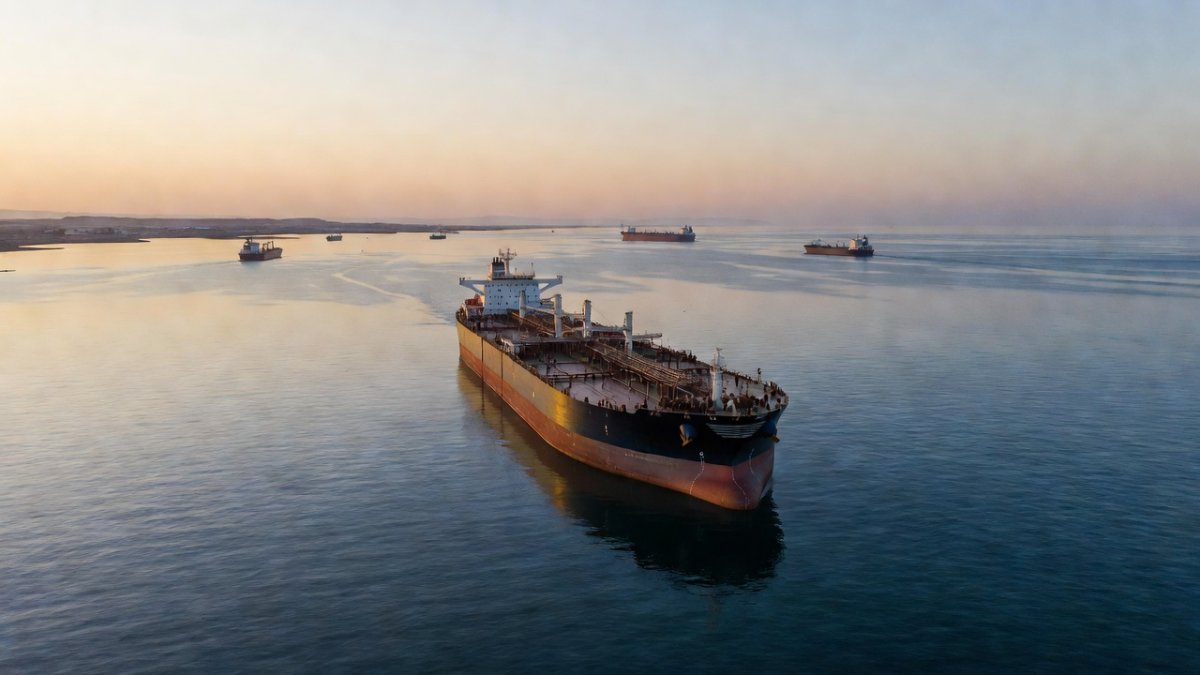
The current crisis traces back to February 28, 2026, when US-Israeli strikes killed several senior Iranian officials, including Supreme Leader Ali Khamenei. Tehran's retaliatory response was swift and strategically devastating: the effective closure of the Strait of Hormuz, the narrow passageway connecting the Persian Gulf to the Gulf of Oman. Before the war, Hormuz carried roughly 20 million barrels of oil and petroleum products per day, representing approximately one-fifth of global oil supplies.
The scale of the disruption is unprecedented. Maritime intelligence firm Windward recorded just 10 vessel transits on Monday, August 10, 2026, compared to roughly 130 daily crossings in pre-war periods. This near-total halt in traffic has transformed the global energy map, forcing buyers to scramble for alternative supplies while tanker rates and insurance premiums have skyrocketed.
Diplomatic efforts have yet to yield a breakthrough. Qatar's Foreign Ministry indicated that Oman-Iran talks on reopening the strait were at an advanced stage, but Tehran maintains a hardline position. Iranian officials insist the strait will remain closed until the United States meets conditions including war reparations and the lifting of sanctions. Meanwhile, President Trump has made provocative statements, claiming Washington had "total control" over the strait and separately announcing he would soon declare Hormuz "US territory" — a move that regional analysts view as dangerously escalatory.
Historical Background: Energy as a Weapon Through the Decades
The use of energy as a geopolitical weapon has a long and troubled history in the Middle East, and the current crisis draws direct parallels to several pivotal moments. The 1973 Arab oil embargo, imposed by OAPEC in response to US support for Israel during the Yom Kippur War, quadrupled oil prices and triggered stagflation across Western economies. The 1979 Iranian Revolution similarly disrupted supplies, sending prices from $14 to $39 per barrel within a year and cementing the notion that political instability in the Gulf carries immediate global economic consequences.
The 1990 Gulf War following Iraq's invasion of Kuwait saw prices spike to $41 per barrel, though the swift international response and release of strategic reserves helped stabilize markets. More recently, the 2022 Ukraine war demonstrated how a major producer's exclusion from markets could reshape global energy flows, with European nations scrambling to replace Russian gas and oil. In each instance, the pattern has been consistent: geopolitical shocks in energy-producing regions translate rapidly into inflation, economic slowdown, and financial market volatility.
What distinguishes the current Hormuz closure is its sheer scale. The International Energy Agency's March 2026 report called it the largest supply disruption in the history of the global oil market, with global output falling by an estimated 8 million barrels per day. This dwarfs previous disruptions and explains why the IEA's August 2026 Oil Market Report cut its 2026 global oil demand forecast by roughly 550,000 barrels per day versus the previous month, projecting demand to fall about 1.6 million bpd across the year.
Regional Dynamics: Gulf States Navigate a Precarious Balance
The Gulf states find themselves in an extraordinarily delicate position. Saudi Arabia and the UAE, as the region's dominant producers, possess the spare capacity to partially offset the Hormuz disruption, yet they face a strategic dilemma. Increasing output to stabilize global markets could be interpreted as undermining Iran, potentially drawing retaliation against their own infrastructure. Conversely, maintaining production discipline risks alienating Western allies who view stable energy supplies as essential to global economic stability.
OPEC+ dynamics have become increasingly complex. June Goh of Sparta Commodities in Singapore noted that OPEC crude production can only increase with normal flows through Hormuz, keeping oil supported at $85-90 per barrel barring diplomatic breakthroughs. This assessment underscores the structural constraint: even if Gulf producers wanted to ramp up output, they physically cannot export significant additional volumes while the strait remains closed.
Iran's calculus appears rooted in maximizing leverage. By holding the strait hostage, Tehran seeks to force concessions on war reparations and sanctions relief, betting that sustained economic pain in global markets will pressure Washington into negotiations. The Houthi dimension adds another layer of complexity. The internationally recognized Yemeni government accused Iran-aligned Houthis of killing six people in missile attacks on a commercial vessel in the Bab al-Mandeb strait on August 12, demonstrating that the conflict has expanded beyond Hormuz to threaten the Red Sea route as well.

Market Impact and Strategic Calculus: Inflation, Central Banks, and Safe Havens
The financial market response has been dramatic but nuanced. Brent crude stood at $89.53 per barrel (October futures) at 08:00 GMT on August 12, 2026, up approximately 24 percent versus pre-war levels and rising more than 2 percent overnight. This elevated price level, while significant, remains well below the peak of roughly $138 per barrel touched in March when the shock first hit, before major economies released approximately 400 million barrels from strategic reserves to dampen the spike.
The US Energy Information Administration's August 12, 2026 projection offers a sobering outlook: Middle East oil production will not return to near pre-conflict levels until early 2027, with Brent averaging $87 per barrel in 2026. This extended timeline suggests markets must adapt to a prolonged period of elevated energy costs, with profound implications for inflation and monetary policy.
Equiti Group's Al-Hammoury, who was appointed Chief Market Strategist in January 2026 and brings over 15 years of experience in global markets strategy and central bank policy, emphasizes the inflationary transmission mechanism. Higher energy costs feed directly into consumer prices, forcing central banks to maintain restrictive monetary policies even as economic growth slows. This stagflationary environment poses a particular challenge for policymakers who must balance inflation fighting against recession risks.
Equities sold off sharply in March 2026 as oil spiked, though NYU professor Aswath Damodaran characterized the selloff as a recalibration rather than panic — a distinction that suggests investors are pricing in a prolonged but manageable disruption rather than a systemic collapse. Gold has traded at elevated levels, reflecting its traditional role as a safe haven during geopolitical crises. Bond markets remain under pressure from energy-driven inflation concerns, with yields elevated as investors demand compensation for rising price pressures.
The real economy is already showing strain. Canada suspended federal fuel taxes as inflation rose, and its 2026 growth forecast was revised down — a harbinger of what other energy-importing nations may face. Tim Waterer of KCM Trade in Sydney observed that "confidence is clearly eroding" and that dragging talks raise scepticism about a near-term resolution, capturing the market sentiment that the crisis will persist.
US Energy Secretary Chris Wright has offered a more optimistic assessment, stating that the seven-day average of oil leaving Hormuz had recovered to about 9 million bpd, crediting US military and Gulf ally coordination. However, oil research firm Commodity Context estimated the moving average peaked at about 7 million bpd, suggesting a significant gap between official claims and independent verification. This discrepancy itself reflects the information fog surrounding the crisis.
Regional Implications: A New Era of Energy Insecurity
The strategic calculus for all parties involved points toward a prolonged standoff with no clear exit ramp. Iran's leadership, having absorbed the loss of its Supreme Leader, appears committed to extracting maximum concessions before considering any reopening of the strait. The United States, having initiated the strikes that triggered this crisis, faces domestic political pressure to demonstrate resolve while managing the economic consequences of sustained high oil prices.
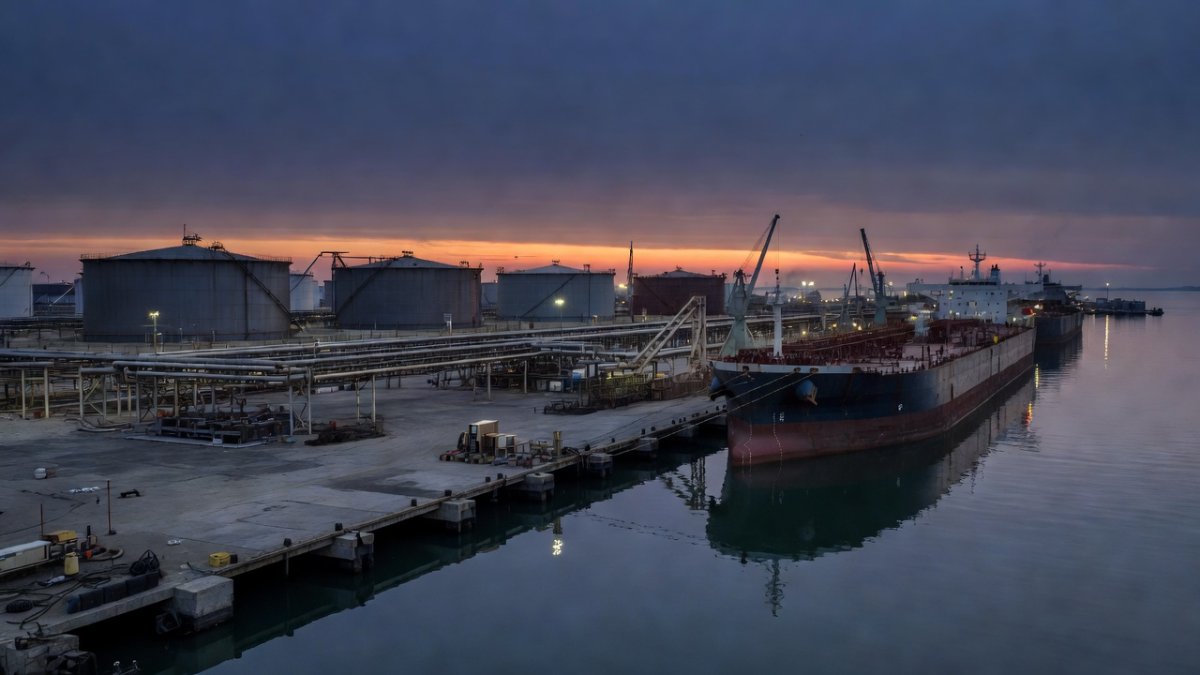
For Gulf producers, the crisis accelerates the strategic diversification that has been underway for years. Saudi Arabia's Vision 2030 and the UAE's economic transformation programs take on renewed urgency as the region's traditional energy export model faces unprecedented disruption. The sovereign wealth funds of the Gulf, collectively holding trillions in assets, are likely to accelerate investments in non-oil sectors and global markets as a hedge against continued energy volatility.
The broader Middle East dynamic has shifted significantly. The Arab-Israeli normalization process, already strained by the war, faces additional pressure as regional states reassess their security alignments. Turkey's foreign policy has become more cautious, balancing its NATO obligations against its economic ties with Iran. The Sunni-Shia competition has intensified, with the Houthi attacks in Bab al-Mandeb demonstrating Iran's ability to project power through proxies across multiple fronts.
Looking forward, the resolution of the Hormuz crisis will depend on whether diplomatic channels can produce a face-saving formula for Tehran. The advanced Omani-Iranian talks offer a potential pathway, but the conditions Tehran has set — war reparations and sanctions relief — remain significant obstacles. The United States, for its part, appears unwilling to concede on these demands while Iran continues to hold global energy markets hostage.
The second-order effects of this crisis will persist long after the strait reopens. Energy security will dominate policy discussions in importing nations, accelerating investments in renewable energy, strategic reserves, and supply diversification. The global financial system will likely see increased regulation of commodity markets and greater scrutiny of energy trading practices. And the Middle East's geopolitical landscape will be permanently altered by the demonstration that a single chokepoint can hold the global economy hostage.
For market participants, the lesson is clear: geopolitical risk has returned as a dominant factor in financial markets, and the era of cheap, secure energy from the Gulf cannot be taken for granted. As Al-Hammoury's warning suggests, the intersection of regional conflict and global finance will continue to produce volatility, requiring investors to maintain robust risk management frameworks and a keen awareness of Middle East dynamics.
The coming months will be critical. If diplomatic efforts succeed in reopening Hormuz, markets can begin the long process of normalization. If they fail, the world faces the prospect of sustained high energy prices, persistent inflation, and a global economy struggling to adapt to a new reality of energy insecurity. Either way, the events of 2026 have permanently reshaped the relationship between Middle East geopolitics and global financial stability.
By Malik Hassan, Staff Writer
This article was produced with AI-assisted research and editorial support. Reporting is based on sources cited in the article.
What's Your Reaction?
 Like
0
Like
0
 Dislike
0
Dislike
0
 Love
0
Love
0
 Funny
0
Funny
0
 Wow
0
Wow
0
 Sad
0
Sad
0
 Angry
0
Angry
0
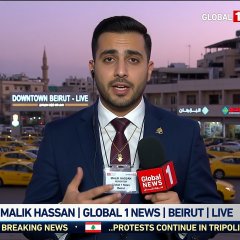
Middle East Correspondent at Global1.News. Based in Beirut, covering politics, conflict, energy, and society across the Middle East. Brings context and depth to a region often reduced to headlines.












Comments (0)