
High Court Stays FSSAI Action on ITC's Aashirvaad Atta '100%' Claims
Delhi High Court stays FSSAI action on ITC's licence over '100%' claims on Aashirvaad atta. Next hearing September 9; jurisdiction question central.
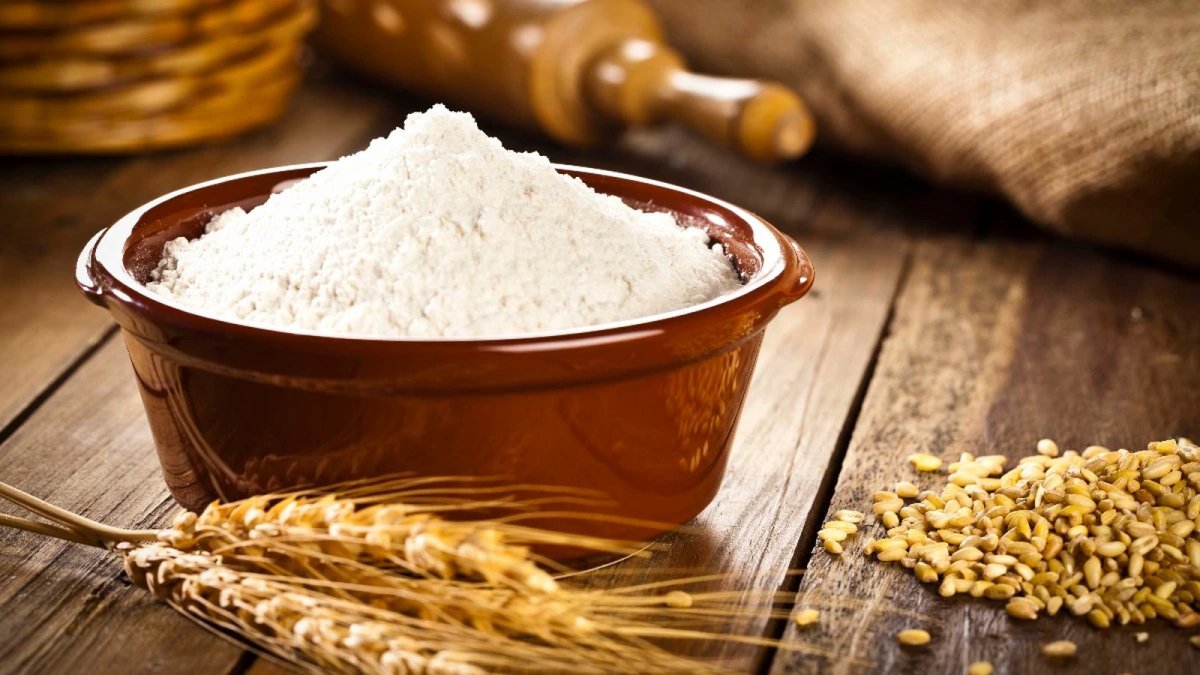
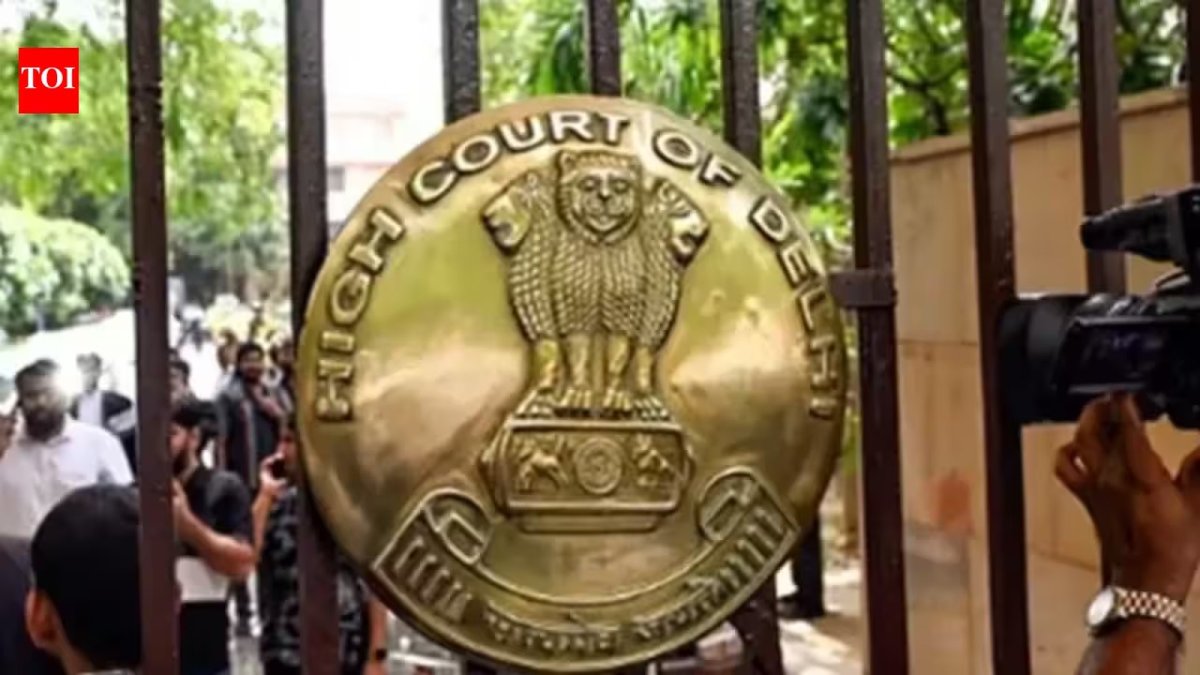
The Delhi High Court on Tuesday granted interim relief to ITC Ltd, directing the Food Safety and Standards Authority of India (FSSAI) to hold off on any decision to cancel or suspend the company's licence over its "100%" claims on Aashirvaad atta packaging. The order provides a temporary reprieve to one of India's largest packaged staple food brands, even as the regulator's broader crackdown on label claims continues to reshape the consumer goods landscape.
High Court Stays FSSAI Action on ITC's Aashirvaad Atta '100%' Claims
New Delhi, August 25 — The Delhi High Court's interim order on Tuesday blocks, for now, any punitive action by the FSSAI against ITC Ltd over the use of "100%" claims on its Aashirvaad M.P. Chakki Atta product, a staple in millions of Indian kitchens. Justice Swarana Kanta Sharma issued notice to the food regulator on ITC's petition and directed it to "hold its hands" until the next hearing, scheduled for September 9, 2026.
What the Court Said
Justice Sharma's order was unambiguous in its interim effect. "Since the issue regarding jurisdiction is to be decided and the courts will be closed, till the next date of hearing, no decision regarding cancellation of the license will be taken," the court observed. The matter will now be heard on September 9, with both parties directed to file brief notes on the jurisdictional question raised by FSSAI's counsel.
The regulator's legal team had questioned the maintainability of ITC's petition before the Delhi High Court, arguing that the latest improvement notice was issued in Kolkata by the Central Licensing Authority. The court has also scheduled an order for August 31 on the maintainability of a separate plea filed by AWL Agri Business Ltd, which received notices over allegedly misleading label declarations including "100% Veg" and "Cholesterol Free - For Healthy Lifestyle" on its Fortune Soya Health Refined Soyabean Oil.
The '100%' Crackdown
The dispute traces back to May 28, 2025, when FSSAI issued an advisory to all food business operators asking them to discontinue the use of the term "100%" on food product labels, packaging, and promotional material. The regulator argued that such absolute claims were misleading and impermissible under the Food Safety and Standards Act, 2006, which consolidated Indian food law under a single authority.
The crackdown has already had a tangible impact across the industry. Six food business operators — Amway India (100% Pure Coconut Oil), Emami (Zhandu Honey), Bonn Biscuits, Apis India (honey), Juza Foods (baby food), and Masterchow (Ramen Noodle) — corrected such claims earlier this year. Dabur also received a prohibition order over similar label-claim issues, and its shares fell about 4 per cent at the time, underscoring the market sensitivity to regulatory action in this space.
ITC's Legal Challenge
ITC, which filed its petition through counsel Rohit Sharma, has mounted a multi-pronged legal challenge against the FSSAI's actions. The company's core argument is procedural: the improvement notice issued on August 13, 2026, by the Central Licensing Authority in Kolkata came before the expiry of the 30-day period granted to ITC to respond to the regulator's initial notice of August 10, 2026.
That initial notice asked ITC to explain within 30 days why action should not be taken against it for allegedly failing to comply with the advisory. The regulator specifically flagged claims such as "100% Atta & 100% Madhya Pradesh Wheat" on the product label and "Made from 100% M.P Wheat only" in an advertisement as misleading. FSSAI also raised objections to the use of "0% Maida" on the product.
ITC contends that the improvement notice, which directed the company to remove these claims from all labels, advertisements, and its website within 15 days, effectively functioned as a final prohibition order — issued prematurely and without due process. The company has termed the notice "non-speaking" and "mechanical," arguing it was issued without due application of mind.
Jurisdiction Question
The jurisdictional dispute is now central to the case. FSSAI's counsel argued that since the improvement notice was issued in Kolkata, ITC's petition should not be heard by the Delhi High Court. The court has asked both parties to file brief notes on this issue, and the September 9 hearing will address it directly.
This is not merely a procedural technicality. The outcome of the jurisdiction question could set a precedent for how food companies challenge regulatory actions across India. If the Delhi High Court declines jurisdiction, companies may be forced to litigate in multiple jurisdictions depending on where notices are issued, potentially complicating and lengthening disputes with the regulator.
ITC's Substantive Arguments
Beyond the procedural objections, ITC has challenged the very basis of the FSSAI advisory. The company termed the advisory "arbitrary," arguing it goes beyond the regulator's powers under the Food Safety and Standards Act, 2006, and bypasses the framework prescribed under the law.
ITC's position is that food business operators are bound by the Act, its rules, and its regulations — not by an advisory issued outside this framework. This is a significant legal argument that, if accepted, could have far-reaching implications for how FSSAI communicates policy changes to the industry. The company also described the threat of licence suspension as "arbitrary and disproportionate," particularly given that the underlying claims relate to factual statements about the product's composition and sourcing.
What This Means for Consumers
For Indian consumers, Aashirvaad is not just another brand — it is one of the largest packaged atta brands in the country, and chakki atta is a staple kitchen purchase for millions of households. The dispute raises questions about how much trust consumers can place in label claims, and whether "100%" and "0%" declarations are meaningful or merely marketing tools.
The FSSAI's position is that such absolute claims can mislead consumers, particularly when they relate to sourcing claims like "100% Madhya Pradesh Wheat." The regulator's concern is that consumers may not be able to verify such claims independently, and that the use of absolute terms could create false impressions about product quality or origin.
ITC, for its part, maintains that its claims are factually accurate and that the product does, in fact, use 100% Madhya Pradesh wheat. The company's argument is that truthful claims should not be prohibited merely because they are absolute in nature.
What This Means for Food Companies
The interim order provides breathing room not just for ITC, but for the broader food industry. The FSSAI crackdown on "100%" claims has already forced several companies to change their labels, and the threat of licence suspension has been a powerful compliance tool. The Delhi High Court's intervention signals that courts are willing to scrutinise the regulator's processes, particularly when notices are issued before the expiry of response periods.
For food companies, the key takeaway is that compliance with FSSAI advisories is necessary, but so is due process. The case also highlights the importance of challenging regulatory actions through the courts when procedural irregularities are apparent. The September 9 hearing will be closely watched by the industry, as it could clarify the scope of FSSAI's advisory powers and the limits of its enforcement actions.
The Bottom Line
The Delhi High Court's interim order is a significant development in the ongoing tussle between FSSAI and India's largest food companies. While the regulator's intent to standardise label claims is understandable, the case raises legitimate questions about the legal framework governing such advisories and the procedural fairness of enforcement actions.
For ITC, the immediate threat of licence suspension has been averted, but the company still faces an uncertain legal road ahead. For FSSAI, the case tests the limits of its regulatory authority and its ability to enforce compliance through advisories rather than through formal rule-making processes. For consumers, the outcome will determine whether "100%" claims on food labels remain a common sight or become a relic of a less regulated era.
The September 9 hearing will provide the next chapter in this story, but the broader questions — about the balance between consumer protection and truthful advertising, and about the proper scope of regulatory power — are likely to persist well beyond this single case.
This article was produced with AI-assisted research and editorial support. Sources: Economic Times, India Today, Times of India, PTI.
— By Dr. Raj Patel, Staff Writer
What's Your Reaction?
 Like
0
Like
0
 Dislike
0
Dislike
0
 Love
0
Love
0
 Funny
0
Funny
0
 Wow
0
Wow
0
 Sad
0
Sad
0
 Angry
0
Angry
0

India/South Asia Correspondent at Global1.News. Analytical voice with a background in science and health journalism. Based in New Delhi, covering Indian politics, education, healthcare, technology, and policy. Breaks down complex data into clear, actionable reporting.















Comments (0)