
Heatwave Economic Costs Hit Latin America Hard in 2026
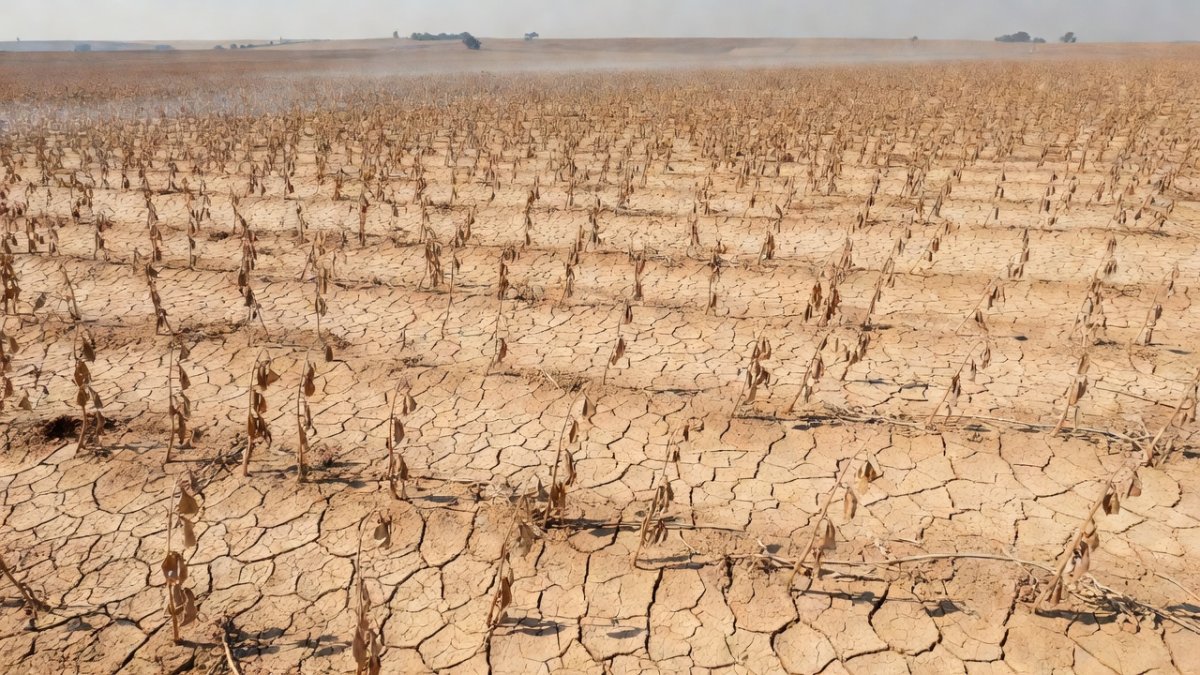
In the sweltering fields outside São Paulo, soybean farmers are watching their crops wither under temperatures that refuse to drop below 38C — a scene repeated across Latin America as heatwaves shift from rare events into recurring economic disasters that threaten food security and livelihoods for millions.
In the sweltering fields outside São Paulo, soybean farmers are watching their crops wither under temperatures that refuse to drop below 38C — a scene repeated across Latin America as heatwaves shift from rare events into recurring economic disasters that threaten food security and livelihoods for millions.
Heatwaves Drain Billions from Global Economies as Latin America Faces Crop Failures and Lost Productivity
Sao Paulo, Brazil - August 2, 2026 — As record temperatures scorch fields and factories from the UK to Brazil, new analyses reveal heatwaves are no longer just health crises but silent killers of economic output, with lost working hours, damaged harvests and disrupted supply chains pushing costs into the trillions over the coming decade.
The Price of a Hotter Hour
Al Jazeera English's Yasmeen ElTahan explains in "What does a heatwave cost?" that beyond being a health hazard, heatwaves drain global economies through lost productivity, damaged crops and disrupted industries. The June 2026 UK heatwave delivered a stark example, erasing roughly 24 million lost working hours and approximately 1.15 billion pounds, or about 1.5 billion dollars, in lost economic output. Construction, agriculture and manual labour sectors absorbed the heaviest blows, with 87 percent of workers in some surveys reporting direct heat-related impacts on their daily tasks. Verdant Thinking analysis placed the productivity hit even higher at 2.4 billion pounds and projected that extreme-heat costs could climb to 6 billion pounds per year by 2030 if trends continue unchecked. NIESR researchers reinforced these figures by modeling how sustained high temperatures reduce cognitive function and physical output across entire workforces. These losses compound when supply chains stall, as factories and transport networks slow under the same conditions. Latin American observers note similar patterns emerging in their own industrial zones, where inadequate cooling infrastructure amplifies every degree of extra heat into measurable GDP erosion. The data underscores that every hotter hour carries a quantifiable price tag that societies can no longer afford to ignore.
Agriculture Under the Sun
The June 2026 European heatwave, with temperatures above 40C or 104F in places, damaged key grain growth stages across the continent. Coceral data showed the EU and UK grain production outlook cut by about 9 million metric tons, representing a roughly 3 percent decline and the lowest levels since 2018 in some assessments. Estimated grain farmer losses reached around 2 billion dollars, or roughly 2 to 2.3 billion euros, with France and Hungary hit hardest, followed closely by Germany, Austria and Poland. Corn suffered particularly severe damage, with failed cob formation leading to total losses in some fields, while wheat and barley, especially spring varieties, struggled during the critical grain-filling period. These shortfalls immediately raised food-price inflation concerns across Europe and beyond. LSE/Grantham analysts linked the event to broader climate-driven yield volatility that will recur more frequently. For Latin American exporters competing in the same global markets, the European shortfall created both opportunity and warning, highlighting how quickly one region's heatwave can ripple into price spikes and supply uncertainty worldwide. The agricultural sector's exposure demonstrates why heat resilience must become a core investment priority rather than an afterthought.
What This Means for Latin America
Brazil's government announced a roughly 260 million dollar preventive package ahead of forecast extreme heat, allocating about 166 million dollars for purchasing and stockpiling 310,000 metric tons of rice and 180,000 metric tons of corn to buffer against poor harvests. Conab and INPE monitoring systems flagged rising drought risks, while IBAMA stepped up enforcement against illegal burning that worsens heat retention. Economists projected food inflation of 8.5 to 9 percent versus a baseline around 7.2 percent due to crop failures known locally as quebra de safra, compounded by higher fertilizer and transport costs. Brazil remains a top global producer of soybeans, corn, coffee and sugar, so any sustained heat stress here sends shockwaves through international commodity markets. Regional policymakers are now studying how early stockpiling and irrigation investments can blunt future impacts. The Brazilian experience offers a template for neighbors facing similar threats, showing that proactive fiscal measures can mitigate some inflationary pressure even when harvests falter. Yet the scale of the challenge requires coordinated action across borders if Latin America is to protect both its farmers and its urban consumers from escalating heat-driven economic pain.
The Human Cost: Health and the Informal Workforce
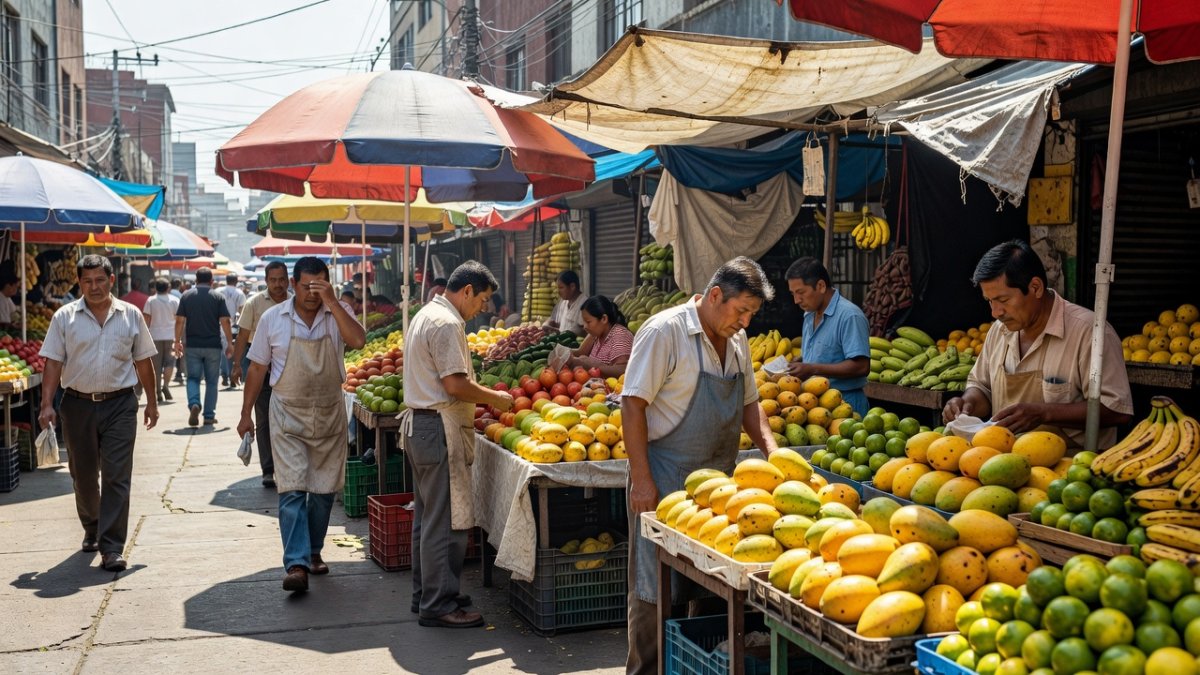
An IPS report cited approximately 120,000 deaths in Brazil between 2000 and 2019 from causes associated with heat waves, often recorded under cardiovascular or respiratory diagnoses and therefore leading to significant underreporting. Mexico authorities at Secretaria de Salud and Proteccion Civil issued repeated alerts for extreme heat in multiple states, warning of dehydration, heat exhaustion and heatstroke, or golpe de calor, with CONAGUA providing supporting meteorological data. Vulnerable groups include children, the elderly and those with pre-existing conditions. ILO data projects that heat stress linked to climate change will cause about 2.2 percent of total working hours lost globally by 2030, equivalent to roughly 80 million full-time jobs. Disproportionate effects fall on informal-economy workers in hot climates like Mexico, where informal work often exceeds 50 percent of the workforce. These workers lack access to cooling, regulated breaks, hydration stations and sick leave, leaving agriculture, construction, outdoor manufacturing and street vending most exposed. The human toll translates directly into lost wages and household instability, deepening inequality. Latin American governments must prioritize protections for this invisible workforce if they hope to contain both the health and economic dimensions of rising temperatures.
A Super El Niño Price Tag
Forecasts point to a record-strength Super El Niño event with Pacific temperature anomalies potentially reaching about 3.6C, far exceeding recent strong events. This raises drought risks across parts of Brazil and South America while threatening destructive rains and storms in southern Brazil, Argentina, Uruguay, Paraguay and Chile. One analysis tied repeat strong historical El Niño events to roughly 686 billion dollars in immediate global economic losses, with five-year impacts potentially reaching 3.1 trillion dollars. Economists warned of price shocks of 10 to 50 percent across core food commodities, with exposed crops like rice, palm oil, sugar and coffee potentially rising 50 to 100 percent or more, effects that could linger into 2028. INPE and IBAMA data already show early stress signals in Brazilian growing regions. The combination of El Niño-driven extremes with baseline warming creates a multiplier effect that amplifies every existing vulnerability in Latin American agriculture and labor markets. Policymakers are racing to model these cascading costs before the peak impacts arrive, recognizing that delayed action will multiply the eventual bill for households already stretched by inflation.
Who Pays, and Who Profits
The burden of heatwave costs falls heaviest on smallholder farmers, informal workers and low-income urban residents across Latin America, while certain agribusiness and cooling-technology firms stand to gain from adaptation spending. Verdant Thinking and NIESR reports highlight how productivity losses concentrate in sectors without climate-controlled environments, leaving workers to absorb wage cuts or job losses. In Brazil, Conab stockpiling programs shift some fiscal pressure onto taxpayers, yet they also create opportunities for suppliers of rice and corn. ILO findings emphasize that informal workers rarely capture any upside from adaptation investments. LSE/Grantham researchers note that insurance products and resilient infrastructure projects can generate profits for large corporations while leaving the most exposed populations under-protected. This uneven distribution raises urgent questions about equity in climate finance. Latin American governments must design policies that channel resources toward the vulnerable rather than allowing market forces alone to determine winners and losers in an increasingly hot economy.
The Bottom Line — What Comes Next
With Super El Niño risks compounding existing heat trends, Latin America faces a narrowing window to build resilience before annual losses reach unsustainable levels. Investments in irrigation, early-warning systems and formal-sector protections for informal workers offer the clearest paths to containing both human and economic damage. Regional bodies can draw on ILO projections and Coceral-style monitoring to coordinate responses that protect food production and labor productivity simultaneously. Brazil's preventive package demonstrates one workable model, yet scaling such efforts across the continent will require sustained political will and international support. The data from the UK, Europe and Brazil together paint a consistent picture: every degree of additional heat carries measurable costs that grow exponentially without intervention. By prioritizing adaptation now, Latin American nations can reduce future price shocks, safeguard public health and preserve the economic contributions of their most exposed workers. The choice is no longer whether to act, but how quickly societies can mobilize before the next heatwave arrives.
By Elena Vasquez, Staff Writer
This article was produced with AI-assisted research and editorial support. Reporting is based on sources cited in the article.
What's Your Reaction?
 Like
0
Like
0
 Dislike
0
Dislike
0
 Love
0
Love
0
 Funny
0
Funny
0
 Wow
0
Wow
0
 Sad
0
Sad
0
 Angry
0
Angry
0

Latin America Correspondent at Global1.News. Based in Mexico City, covering politics, economics, energy, and culture across the region. Brings an on-the-ground perspective to stories spanning from the Rio Grande to Patagonia.














Comments (0)