
Gadkari Flags E20 Parts Replacement for BS-III Vehicles
Union Road Transport and Highways Minister Nitin Gadkari's July 29, 2026 Rajya Sabha reply has sent a clear signal to owners of pre-2016 BS-III vehicles: E20 petrol is safe for engines but certain rubber hoses, gaskets and seals may need replacement during routine servicing.
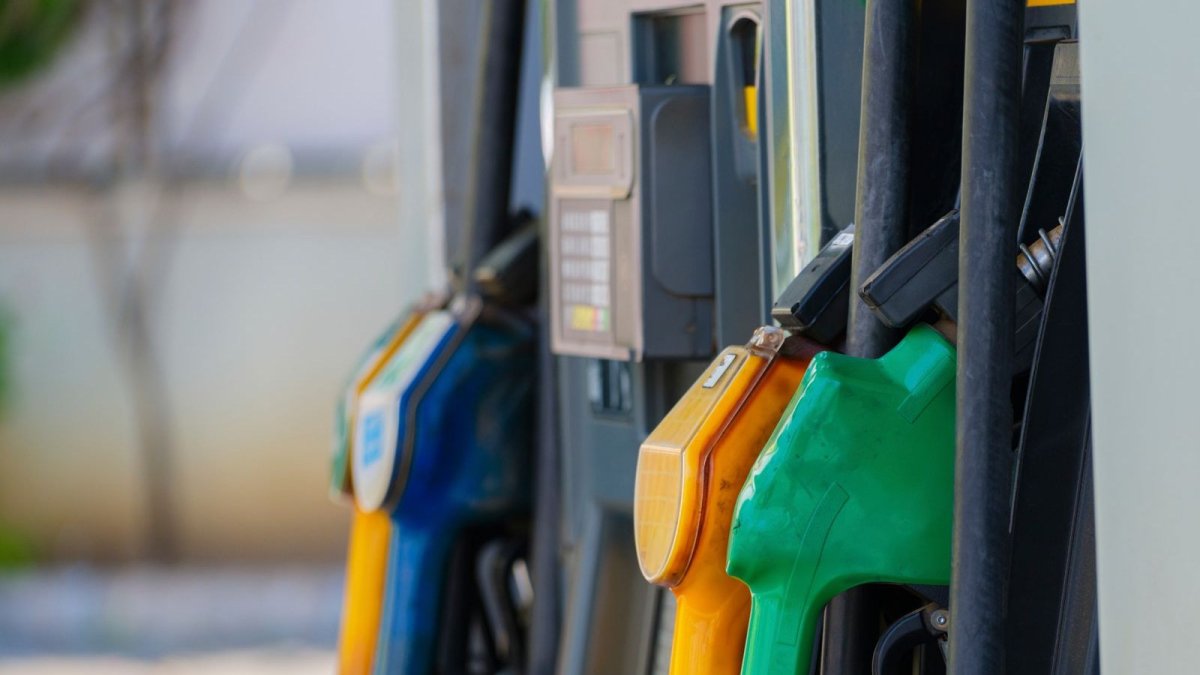
Union Road Transport and Highways Minister Nitin Gadkari's July 29, 2026 Rajya Sabha reply has sent a clear signal to owners of pre-2016 BS-III vehicles: E20 petrol is safe for engines but certain rubber hoses, gaskets and seals may need replacement during routine servicing. The clarification, echoed in a Lok Sabha written reply the next day, underscores both the government's push for higher ethanol blends and the practical costs falling on older vehicle fleets. For millions of Indian motorists still driving cars and two-wheelers built before 2016, the message is straightforward-plan for targeted maintenance rather than engine overhauls.
Gadkari Flags E20 Parts Replacement for BS-III Vehicles
New Delhi, India - August 1, 2026 - Union Minister Nitin Gadkari informed Parliament that owners of BS-III vehicles made before 2016 may face modest servicing costs for rubber and gasket replacements when switching to E20 petrol, while confirming that no engine modifications are required.
The Parliamentary clarification
Union Road Transport and Highways Minister Nitin Gadkari informed the Rajya Sabha on July 29, 2026, that certain rubber parts and gaskets in BS-III vehicles introduced from April 1, 2005 and manufactured before 2016 may require replacement when using E20 petrol. A parallel written reply was submitted to the Lok Sabha on July 30, 2026. Gadkari stated these components can be managed during routine servicing and that government and manufacturer studies confirm E20 requires no engine modifications.
The affected components include rubber hoses, gaskets, seals, O-rings and plastic fuel-system parts in BS-III vehicles produced between April 2005 and 2015. These parts were engineered for E0 or E5 blends and may need periodic checks, though no engine redesign is required. In contrast, BS-IV and BS-VI vehicles built from 2016 onward incorporate E20-compliant materials under updated standards, eliminating such concerns for newer fleets.
The parliamentary questions reflect growing scrutiny of India's accelerated ethanol blending programme. With the nationwide E20 mandate already in force, lawmakers are examining compatibility risks for the large pre-2016 vehicle population and the adequacy of servicing infrastructure to handle routine part replacements without imposing extra costs on owners.
Why ethanol attacks rubber and plastic
Ethanol functions as a solvent that interacts with elastomers and plastics in older fuel systems. Components such as fuel lines, gaskets, seals, O-rings and plastic fuel-system parts in BS-III vehicles, designed for E0 or E5 petrol, can swell, harden or degrade. E20 compatibility standards applied only from 2022-2023 under BS-VI Phase 2 norms, leaving pre-2016 vehicles exposed to material incompatibility over extended use.
Ethanol's hygroscopic nature allows it to absorb atmospheric moisture, altering solubility behaviour compared with pure petrol and enabling extraction of plasticisers from rubber compounds. This leads to swelling, hardening or cracking over time. Compatible materials such as fluororubber (FKM), nylon and high-density polyethylene resist these effects, whereas natural rubber, nitrile rubber, polyurethane and certain PVC formulations do not.
Degraded seals can produce fuel leaks and vapour emissions, raising both efficiency and safety issues. India's vehicle parc still contains tens of millions of pre-2016 petrol models, making material compatibility a widespread concern during the transition to higher ethanol blends.
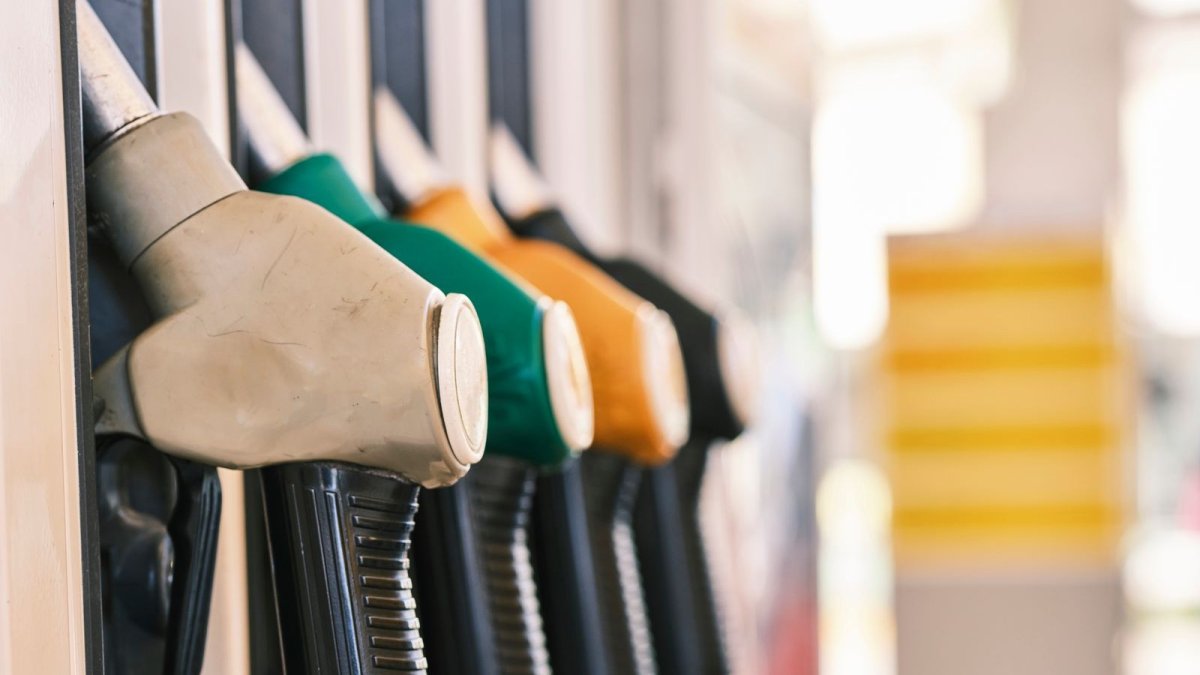
The mileage question: 2-6% vs 10%+
Gadkari reported that E20 may reduce fuel efficiency by 2 to 6 per cent without causing engine failures in testing. In contrast, a LocalCircles survey from May 2026 found nearly 50 per cent of owners of petrol vehicles purchased in 2022 or earlier reported efficiency declines, while three in ten noted unusual engine wear. A Livemint survey indicated six in ten pre-2023 car owners experienced over 10 per cent mileage drops after nationwide E20 rollout.
Ethanol possesses roughly two-thirds the energy density of petrol, so a mileage reduction is an expected physical outcome. Laboratory tests under controlled conditions often record the lower 2-6 per cent range, yet real-world driving in dense traffic, with older engines and without ECU recalibration, produces larger shortfalls.
Carburettor-era two-wheelers and pre-2016 cars lack the fuel-mapping adjustments needed for ethanol's different combustion characteristics, widening the gap between official figures and owner reports. Experts note that reported engine wear may stem from prolonged use of incompatible materials rather than ethanol itself, underscoring the need for targeted servicing guidance.
India's ethanol push: from E10 to E20 and beyond
India mandated E20 petrol nationwide from April 1, 2025, achieving the target in March 2025, five years ahead of schedule. The programme, overseen by the Ministry of Petroleum and Natural Gas with procurement by IOCL, BPCL and HPCL, aims to reduce crude imports exceeding 85 per cent of requirements, enhance energy security and support sugarcane and grain farmers. The Ministry of Road Transport and Highways is now evaluating E85 and E100 flex-fuel options.
The National Policy on Biofuels 2018 originally targeted 20 per cent blending by 2030; the deadline was later advanced to 2025-26. Early achievement was supported by diversified feedstocks including sugarcane juice, B-heavy and C-heavy molasses, and surplus grains such as rice and maize. Public spending extends beyond oil marketing company procurement to farmer incentives and distillery capacity.
Flex-fuel vehicle development is under active consideration to enable E85 and E100 use. At the same time, the programme faces debate over food-versus-fuel trade-offs and the high water intensity of sugarcane cultivation, prompting calls for balanced feedstock strategies that protect both energy security and agricultural sustainability.
What this means for vehicle owners and service centres
Owners of BS-III vehicles in cities such as Delhi, Mumbai and Chennai face potential servicing costs for fuel-system components during routine maintenance. Service centres must stock compatible parts and train technicians on E20-specific checks. Taxpayers indirectly support the programme through public spending on ethanol production, while farmers in Uttar Pradesh and Maharashtra benefit from expanded distillery demand.
Vehicle owners can conduct basic visual inspections by examining rubber fuel lines for signs of swelling, cracking or seepage around connections, and by monitoring for unusual petrol odours near the tank or engine bay during weekly checks. Routine servicing should include pressure testing of the fuel system, replacement of non-compatible gaskets and verification of filter integrity to prevent ethanol-induced degradation. Replacement costs for fuel hoses and gaskets on BS-III cars typically range from Rs 2,500 to Rs 6,000, while two-wheelers may incur Rs 800 to Rs 2,000 at authorised centres, depending on model and labour rates.
Authorised service networks maintain trained technicians equipped with E20-specific diagnostic tools, whereas local mechanics often rely on generic parts that may accelerate wear. Ignoring degraded rubber components raises fire risks from vapour leaks, particularly in high-temperature conditions common across Indian cities. On the supply side, ACMA members have scaled production of E20-compatible aftermarket hoses and seals, improving availability through regional distributors, though smaller towns may still face delays in sourcing certified components.
The road ahead
CEEW analysis highlights varying production costs across feedstocks including sugarcane juice and molasses. The shift toward flex-fuel vehicles will require updated ARAI testing protocols and SIAM coordination. Policy decisions on E85 and E100 will influence long-term crude import bills and agricultural supply chains across major ethanol-producing states.
Announcements by Nitin Gadkari and the Ministry of Road Transport and Highways have urged automakers to accelerate flex-fuel engine production, aligning with updated ARAI protocols coordinated through SIAM. Brazil's long-standing flex-fuel fleet, where vehicles routinely operate on E100 blends, offers a reference for India's potential trajectory, demonstrating reduced crude dependence alongside diversified agricultural feedstock use.
India's ethanol capacity is expanding through new distilleries and sugar mill diversification, supporting the 2025-26 blending target. Adoption of E85 or E100 could lower fuel economy by 5-10 percent in unmodified engines, necessitating engine recalibration for optimal performance. Policymakers must balance these gains against food security concerns, sugarcane water intensity and the need to sustain agricultural supply chains in Uttar Pradesh and Maharashtra without compromising staple crop availability.
The Bottom Line
E20 delivers energy security gains but imposes targeted maintenance on older vehicles and variable efficiency impacts on owners. Routine servicing offers a practical mitigation path, yet sustained monitoring by the Ministry of Road Transport and Highways remains essential for equitable rollout across India's diverse vehicle fleet.
-- By Dr. Raj Patel, Staff WriterThis article was produced with AI-assisted research and editorial support. Reporting is based on sources cited in the article.
What's Your Reaction?
 Like
0
Like
0
 Dislike
0
Dislike
0
 Love
0
Love
0
 Funny
0
Funny
0
 Wow
0
Wow
0
 Sad
0
Sad
0
 Angry
0
Angry
0

India/South Asia Correspondent at Global1.News. Analytical voice with a background in science and health journalism. Based in New Delhi, covering Indian politics, education, healthcare, technology, and policy. Breaks down complex data into clear, actionable reporting.















Comments (0)