
Insight Wat Pho App Transforms Temple Visits into Interactive Cultural Experiences
The Bangkok Post released a new video feature today showcasing the Insight Wat Pho mobile app, which turns visits to one of Bangkok's most visited temples into guided interactive experiences. The free application combines audio narration, detailed maps and augmented reality tools to help visitors explore Wat Pho in Phra Nakhon district while respecting its historic structures.
The Bangkok Post released a new video feature today showcasing the Insight Wat Pho mobile app, which turns visits to one of Bangkok's most visited temples into guided interactive experiences. The free application combines audio narration, detailed maps and augmented reality tools to help visitors explore Wat Pho in Phra Nakhon district while respecting its historic structures. This development arrives as Thailand continues to balance its deep temple traditions with growing tourism numbers.
Insight Wat Pho App Turns Temple Visits into Interactive Cultural Experiences
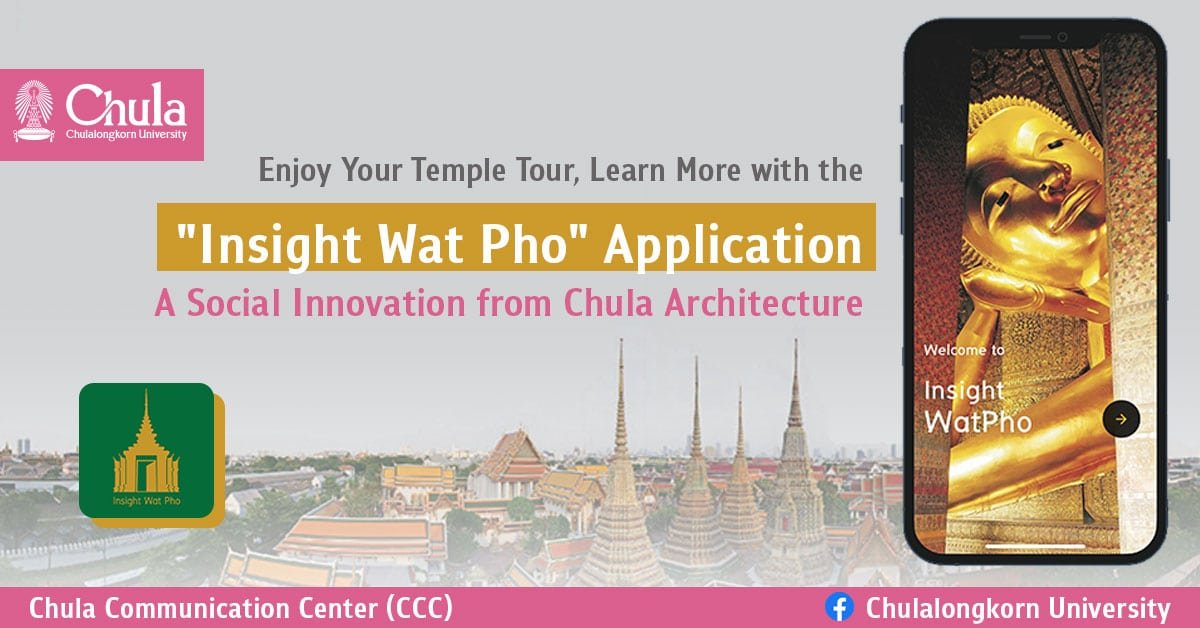
Bangkok, Thailand – August 1, 2026 — The Bangkok Post video highlights how the Insight Wat Pho app now guides visitors through Wat Pho with seven practical features that combine technology and heritage preservation. Developed through collaboration between Chulalongkorn University researchers, Wat Pho temple and the National Innovation Agency, the app addresses daily crowds of 10,000 to 15,000 tourists who sometimes climb on ancient structures without realizing their value.
Seven Features Guide Visitors Through Wat Pho
The app opens with Plan Your Visit, which lists directions, opening hours and ticket information for the temple complex. Visitor Map provides a detailed layout of the grounds so users can navigate without straying onto protected areas. Wat Pho in History displays a 3D model showing the temple during the reigns of King Rama I, King Rama III and the present day.
Wat Pho from the Sky activates augmented reality when users scan ground markers, allowing them to rotate and zoom an overhead diagram of the entire site. The Explore section lets visitors scan key architecture and Buddha statues to hear sounds and descriptions, including Poetry Quizzes drawn from stone inscriptions on the balcony pillars. Freeze-Frames shows photographs of Wat Pho from about 100 years ago so users can locate the same spots today and compare changes. Yak Wat Pho turns the visit into a coordinate-based hunt for the four human-sized guardian giants housed in glass openings at the gates of the Phra Mondob Scripture Hall.
Dr. Wilasinee Suksawang Leads the Social Innovation Project
Dr. Wilasinee Suksawang, a lecturer in the Department of Landscape Architecture at Chulalongkorn University Faculty of Architecture, started the Insight Wat Pho project after observing tourists climbing on structures more than a hundred years old. She focused on environmental education and ethics to address root causes rather than symptoms of damage that proves difficult to repair. The Chulalongkorn Architecture research team worked directly with Wat Pho monks and the National Innovation Agency to build the application.
Dr. Wilasinee previously supported the Amphawa community more than ten years ago, helping transform it into a destination where young residents returned to open businesses. Her current Bang Pho Living Lab project works with the Prachanarumit Community on Bang Pho Woodworking Street, where woodworking families have operated for over eighty years.
Wat Pho Holds Deep Historical and Cultural Importance
Wat Pho, formally known as Wat Phra Chetuphon Wimon Mangkhalaram Rajwaramahawihan, ranks among Bangkok's most popular attractions and is regarded as Thailand's first university. Stone tablets inside the temple preserve recipes for traditional medicine and references to Thai massage techniques. The Epigraphic Archives of Wat Pho, inscribed on the balcony pillars, are registered UNESCO artifacts that the app presents as AR images with audio poetry readings.

The temple complex attracts 10,000 to 15,000 visitors daily and serves as a royal temple linked to King Rama I. Its Reclining Buddha and surrounding chedis remain central to Thai Buddhist practice, drawing locals and international travelers alike for merit-making and quiet reflection.
Thai Tourism Trends Meet Sustainable Practices
The growing trend of visitors wearing traditional Thai costumes at historic sites brings soft power that supports local economies through photography services and nearby vendors. At the same time, the practice creates environmental pressures on fragile temple grounds that require careful management. The Insight Wat Pho app fits naturally into Thai temple-visiting culture, where families often make merit during festivals such as Thot Kathin or simple weekend outings.
By offering structured digital guidance, the app helps maintain the respectful atmosphere that defines these visits while allowing tourists to learn about the site's royal and educational heritage without causing unintended harm.
Thailand welcomed roughly 35 million international visitors in 2024, following a pre-pandemic peak of nearly 40 million in 2019, with tourism contributing around 12 percent of GDP and supporting millions of livelihoods. Bangkok remains consistently among the world's most-visited cities, and Wat Pho, situated on Rattanakosin Island near the Grand Palace, stands as one of the capital's top ticketed attractions. In this context, heritage-focused technology plays a vital role in sustaining the national economy by encouraging visitors to engage more deeply and stay longer at cultural landmarks. Such tools help distribute economic benefits more evenly, supporting small businesses and reinforcing Thailand's reputation as a destination where tradition and modern convenience meet warmly, especially as recovery efforts continue this week.
Regional Implications for ASEAN Heritage Sites
Thailand's approach to digital temple guidance carries lessons for other ASEAN countries that manage similar historic Buddhist and Hindu sites facing high visitor volumes. Nations across Southeast Asia share concerns about balancing tourism revenue with preservation of centuries-old structures. The Insight Wat Pho model demonstrates how universities, temples and national innovation agencies can work together on practical tools that respect local customs.
Digital tourism tools like this one also support regional connectivity goals by making cultural sites more accessible to travelers from neighboring countries who already participate in ASEAN tourism networks.
In recent years, iconic sites across Southeast Asia have drawn millions while grappling with the delicate balance of welcoming guests and safeguarding their legacies. Angkor Wat in Cambodia draws over 2.5 million visitors a year, Bagan in Myanmar stands as a UNESCO World Heritage site with thousands of temples, Borobudur in Indonesia ranks as the world's largest Buddhist temple and attracts about 3 million visitors a year, and Luang Prabang in Laos preserves its UNESCO-listed old town charm. Each location faces mounting pressure from foot traffic that can erode structures and strain local resources, much like the shared challenge of sustaining cultural depth amid growing interest. Thailand's thoughtful app model, which layers gentle guidance onto heritage experiences, offers a promising template that neighboring countries might adapt to ease these tensions and foster more mindful exploration today.
Expert Views on Education and Community Impact
Dr. Wilasinee emphasizes solving problems through education rather than restrictions alone. Her earlier work in Amphawa showed how targeted community projects can revive local economies while preserving cultural identity. The Bang Pho Living Lab continues this pattern by supporting long-standing woodworking families in Bangkok's Bang Pho district.
She sees the app as an extension of these efforts, using technology to teach visitors about environmental ethics and the priceless value of structures that have stood for generations.
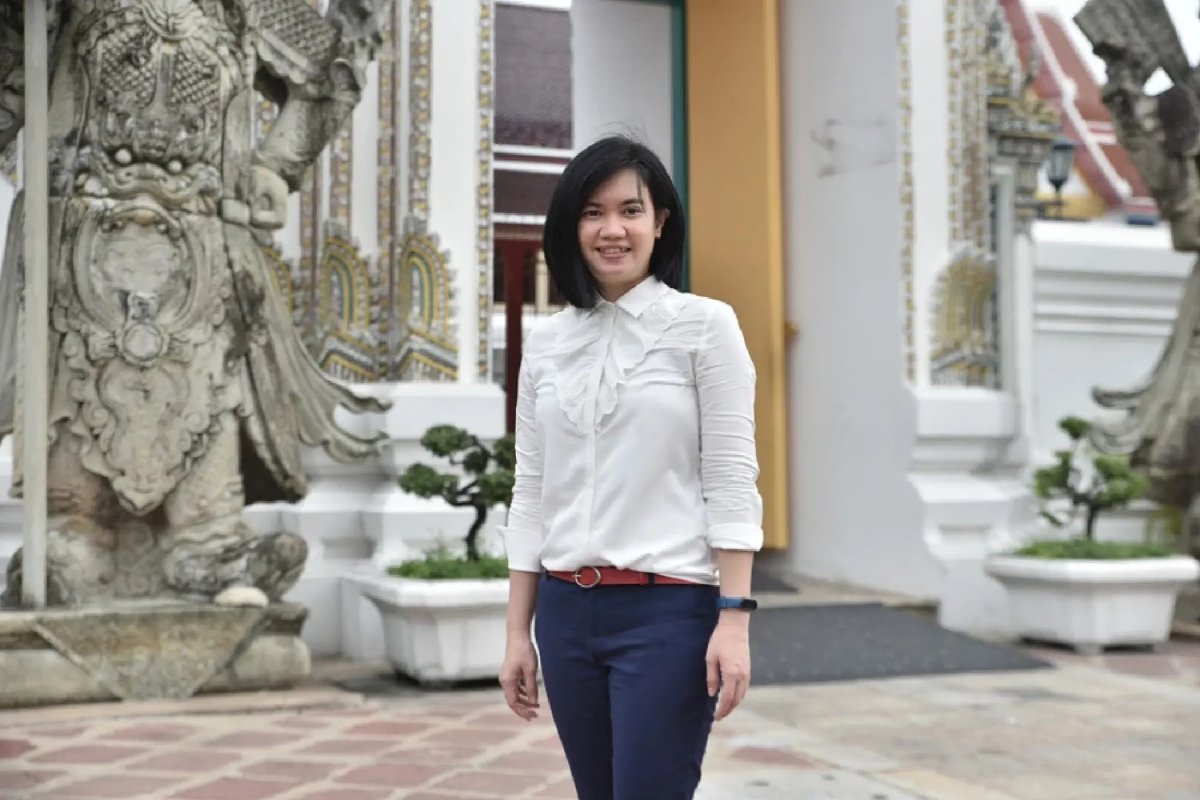
Dr. Wilasinee's Faculty of Architecture has long partnered with communities like the Amphawa floating-market area, which grew into one of Samut Songkhram province's most visited destinations, while the Bang Pho Living Lab now supports Prachanarumit Community woodworking entrepreneurs who carry forward more than 80 years of craft tradition. When visitors linger at these sites, local vendors and small shops see meaningful gains that strengthen neighborhood economies. This community-economics logic reflects a gentle Thai approach where technology serves as a bridge, helping families pass down skills across generations and allowing everyday people to share their heritage with quiet pride. In recent years, such connections have shown how thoughtful innovation can nurture both cultural continuity and everyday well-being for those who call these places home.
Future Plans Include Wat Arun and Special Events
The development team plans to introduce a business model that keeps the core app free while offering paid options for booking special events such as watercolor painting sessions at Wat Pho and nighttime temple tours. Users will also be able to reserve limited-edition souvenirs and connect with certified tour guides exclusively through the platform.
Expansion will next target Wat Arun Ratchawaram Ratchawaramahaviharn, known as the son temple of Wat Pho because Wat Pho honors King Rama I while Wat Arun honors King Rama II. The same tourist pressures from costume photography have appeared at Wat Arun, making the app's features relevant there as well.
What to Watch For
App updates will add new AR content and expanded poetry quizzes in coming months. The Wat Arun rollout is expected to follow the same pattern of collaboration with local temple authorities. During the upcoming tourism season, users can book special events and souvenir reservations directly through the app on both App Store and Google Play. The Insight Wat Pho Facebook page will share updates on new features and community events.
Thailand's high tourism season runs roughly November through February, a time when many travelers seek meaningful ways to connect with local culture. The app remains free on the App Store and Google Play, yet planned paid features such as watercolor painting events, night tours, limited-edition souvenirs, and certified tour guide reservations promise to enrich experiences further. With Wat Arun next in line for similar enhancements, readers may watch how these additions unfold in coming months and whether they inspire broader adoption across the region. This forward-looking path highlights a warm commitment to evolving heritage engagement while keeping community voices at the center, inviting gentle participation that benefits both visitors and locals alike today.
The Insight Wat Pho app shows how Thailand can welcome visitors while protecting the living heritage of its temples, offering a model that respects both tradition and the practical needs of communities across the region.
By Ann Srisawat, Staff Writer
This article was produced with AI-assisted research and editorial support. Reporting is based on sources cited in the article.
What's Your Reaction?
 Like
0
Like
0
 Dislike
0
Dislike
0
 Love
0
Love
0
 Funny
0
Funny
0
 Wow
0
Wow
0
 Sad
0
Sad
0
 Angry
0
Angry
0

Southeast Asia Correspondent at Global1.News. Based in Bangkok, covering Thai and Southeast Asian politics, economy, technology, and culture. Deep regional perspective on one of the world's most dynamic regions.














Comments (0)