
DR Congo Begins Ebola Vaccine Trial as WHO Warns Outbreak 'Growing Exponentially'
The DR Congo is preparing to deploy an Ebola vaccine in a clinical trial as the WHO warns the outbreak is growing exponentially. Close to 2,500 people have died in three months, with 20,000 doses to be tested against the Bundibugyo species and 50,000 for frontline workers.
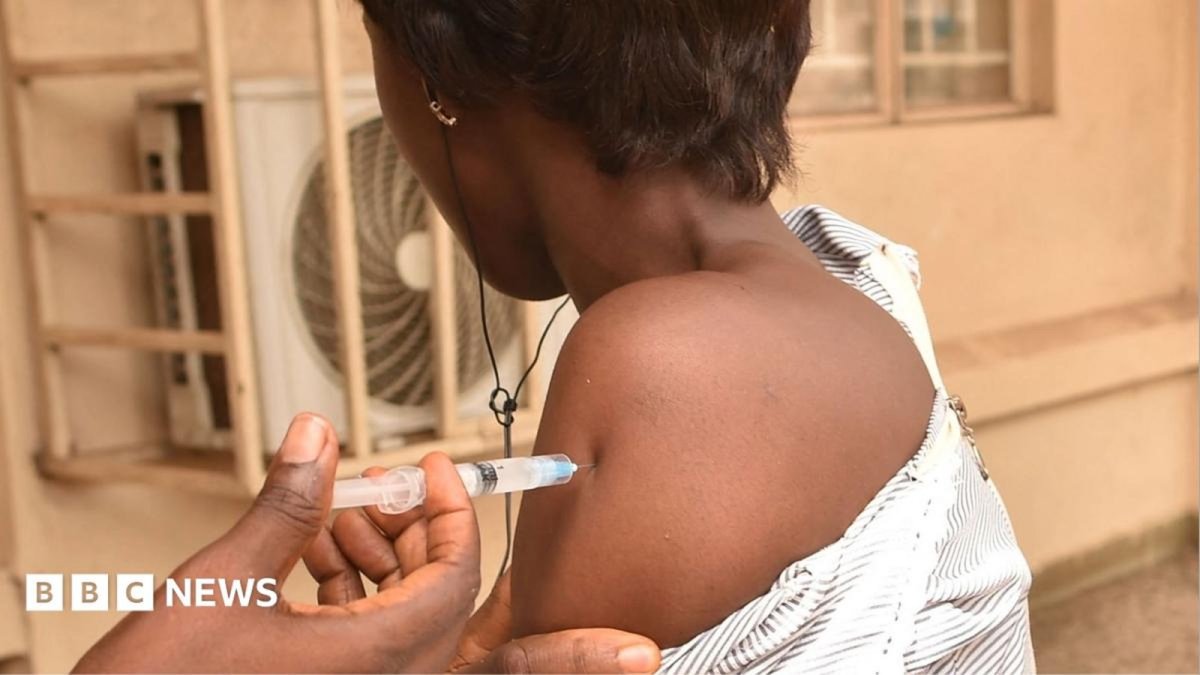
DR Congo Ebola Vaccine Trial Begins as WHO Warns Outbreak
Dakar, Senegal — The Democratic Republic of the Congo is preparing to deploy an Ebola vaccine in a new clinical trial, even as the World Health Organization (WHO) issued a stark warning that the current outbreak is accelerating at an alarming rate across the country's north and east. The move marks a critical juncture in a fight that has already claimed close to 2,500 lives in just three months, making this the deadliest Ebola outbreak in the nation's history.
For those of us who have lived through the continent's recurring battles with viral haemorrhagic fevers, the news carries a familiar weight of urgency and sorrow. But it also brings hope — the promise of science, the resilience of communities, and the quiet determination of African health workers on the front lines. According to the BBC, the WHO confirmed that 20,000 doses of the Ervebo vaccine will be used in a clinical trial to assess its effectiveness against the Bundibugyo species of the virus currently circulating, while an additional 50,000 doses will be administered to front-line health workers.
A New Enemy: The Bundibugyo Species
The challenge facing Congolese health authorities is unprecedented. The Ervebo vaccine, which has proven highly effective against the Zaire species of Ebola, does not currently have a proven counterpart for the Bundibugyo species. This strain is rarer and more elusive, with only two known prior outbreaks in history. The trial, therefore, is not just a formality — it is a race against time to determine whether existing tools can be repurposed to fight a slightly different, but equally deadly, foe.
Experts have noted that the virus may have been spreading in the DR Congo since as early as February. In a troubling revelation, infections of the Bundibugyo species were initially misdiagnosed as typhoid and malaria, allowing the virus to gain a foothold before the true nature of the outbreak was identified. This delay, compounded by the immense logistical challenges of operating in conflict-hit areas, has allowed the disease to spread over an area larger than France.
WHO Warning: 'Growing Faster and Wider'
The WHO's new warning is stark. Julien Harneis, the WHO's Ebola co-ordinator, told reporters that the outbreak is "growing exponentially" in the north and east of the country. The statistics are sobering: half of the deaths have occurred in the last 20 days alone. Harneis, speaking via AFP, delivered a chilling assessment: "It is growing faster and wider than the Ebola response."
This is not merely a public health emergency; it is a humanitarian crisis unfolding in real-time. The spread now covers a geographic area bigger than France, a scale that overwhelms any single response team. The virus is outpacing the very systems designed to contain it.
The Human Cost: 180 Children Orphaned
Behind the statistics are faces, families, and futures interrupted. A new report by Save the Children suggests that at least 180 Congolese children have lost both parents or caregivers since the outbreak began. These are the silent casualties of the epidemic — children who have lost their loved ones to a terrifying disease and now face life without a safety net.
In many African communities, the extended family network is the primary social security system. But an outbreak with this ferocity can decimate entire households, leaving orphans to be cared for by grandparents, older siblings, or neighbours who are themselves struggling to survive.
The response must therefore be holistic. While vaccines and treatments are critical, so too are psychosocial support, safe housing, and education for these children. The continent's collective memory of the 2014-2016 West Africa outbreak, which claimed more than 11,000 lives, reminds us that the aftermath of Ebola is as much about rebuilding lives as it is about containing the virus.
Conflict and Containment: A Double Battle
The DR Congo is fighting two wars simultaneously: one against the virus, and one against the complex dynamics of armed conflict that have plagued the eastern provinces for decades. The M23 rebel group, which controls parts of the east, has announced new restrictions on movement between government-held and rebel-held areas of North Kivu province. Shared taxis and passenger boats between these areas will be suspended for one month starting Saturday, while other transport will continue under strict health controls.
These measures follow reports that two travellers tested positive for Ebola in a village under M23 control. The rebel group, which captured Goma and Bukavu in early 2025, has sought to demonstrate administrative capacity by mounting a parallel Ebola response. In late June, the rebel authorities declared their zones Ebola-free — a claim that now appears premature.
The fragmentation of the response is a major concern. Health teams face immense difficulties in conflict-hit areas, where insecurity limits access and local suspicions of health authorities can hinder contact tracing and vaccination efforts. Traditional burial practices, which involve close contact with the deceased, have also hampered the response, as the virus spreads through contact with infected bodily fluids.
A Continent's Memory: Senegal's 2014 Lesson
For those of us in West Africa, the news from the DR Congo stirs memories of 2014, when the region was gripped by fear during the West Africa outbreak. Senegal successfully contained a single imported Ebola case that year, a moment remembered for the continent's collective vigilance and cross-border solidarity — a testament to what can be achieved when governments, communities, and health workers unite with a common purpose.
That experience taught us that Ebola is not just a medical challenge; it is a test of social cohesion and trust. In Senegal, the response was swift, transparent, and community-driven. Neighbours looked out for one another, and information flowed freely. The DR Congo now faces a far more complex scenario, with armed groups, displacement, and a larger geographic footprint. But the principles remain the same: trust, communication, and solidarity are as vital as any vaccine.
The WHO and the Africa Centres for Disease Control and Prevention have welcomed the allocation of vaccine doses, describing it as a vital reinforcement of the response. This is a moment for the continent to rally behind the DR Congo — with resources, expertise, and political will. The virus knows no borders, and the lessons of 2014 are clear: an outbreak anywhere is a threat everywhere.
Understanding the Virus: Symptoms and Transmission
Ebola is a rare but deadly viral disease, and the Bundibugyo species is even rarer, with only two known prior outbreaks. The symptoms — similar to flu or malaria — include fever, headache, and tiredness, and can begin suddenly within two to 21 days of infection. As the disease progresses, vomiting and diarrhoea can develop, leading to organ failure. The virus spreads through contact with infected bodily fluids, making safe burial practices and rigorous infection control essential.
The fact that initial symptoms mimic more common diseases like malaria and typhoid is a significant challenge. Patients may not seek Ebola-specific care until the disease has advanced, increasing the risk of transmission to family members and health workers. Public awareness campaigns are therefore crucial, but they must be tailored to local contexts and languages, and delivered by trusted community figures.
Looking Ahead: A Race Against Time
As the vaccine trial gets underway, the world watches closely. The coming weeks will be critical in determining whether the Ervebo vaccine can offer protection against the Bundibugyo species. If successful, it would be a monumental achievement for global health and a testament to scientific collaboration. If not, the response will need to pivot to other strategies, including experimental treatments and enhanced supportive care.
But the vaccine is not a silver bullet. It must be accompanied by a comprehensive response that addresses the root causes of the outbreak's spread: insecurity, mistrust, and inadequate healthcare infrastructure. The M23's restrictions on movement, while ostensibly aimed at containing the virus, also risk isolating communities and hindering the delivery of aid. The parallel response mounted by the rebel authorities must be coordinated with national and international efforts, not conducted in isolation.
The people of the DR Congo have endured so much — decades of conflict, displacement, and now this devastating outbreak. They deserve a response that matches their resilience. The 180 orphaned children, the families torn apart, the health workers risking their lives — they are the reason this fight matters. As the WHO warned, the outbreak is growing faster and wider than the response. It is time for the world to step up, not just with doses and dollars, but with a sustained commitment to seeing this crisis through.
For Africa, this is not just another news story. It is a call to action, a reminder of our shared vulnerability, and a testament to our collective strength. We have faced Ebola before, and the only way to defeat it is together.
This article was produced with AI-assisted research and editorial support. Sources: BBC Africa.
By Amara Diop, Staff Writer
What's Your Reaction?
 Like
0
Like
0
 Dislike
0
Dislike
0
 Love
0
Love
0
 Funny
0
Funny
0
 Wow
0
Wow
0
 Sad
0
Sad
0
 Angry
0
Angry
0
West Africa/Sahel Correspondent at Global1.News. Dakar-based journalist covering politics, security, climate, and development across Francophone and Anglophone West Africa. Tells the stories of a region undergoing profound transformation.












Comments (0)