
DENR Deploys 196 Trash Traps, 1,400 Estero Rangers in Metro Manila Waterway Cleanup
In a recent ANC 24/7 report, the Department of Environment and Natural Resources (DENR) rolled out a massive cleanup operation across Metro Manila's most polluted waterways, installing 196 trash traps and deploying over 1,400 "estero rangers" to combat the mounting garbage crisis that has plagued communities from Baclaran to Pasay.
In a recent ANC 24/7 report, the Department of Environment and Natural Resources (DENR) rolled out a massive cleanup operation across Metro Manila's most polluted waterways, installing 196 trash traps and deploying over 1,400 "estero rangers" to combat the mounting garbage crisis that has plagued communities from Baclaran to Pasay. The initiative comes at a critical moment for Filipino families living along the capital's creeks and rivers, who have long borne the brunt of flooding worsened by clogged waterways.
The announcement, made at a Malacañang press briefing by Presidential Communications Office Undersecretary Claire Castro, signals a multi-pronged government approach to a problem that reached a boiling point this week when the Redemptorist Water Channel in Barangay Baclaran, Parañaque City, became a virtual "sea of garbage" — a sight that shocked even seasoned public works officials.
DENR Deploys 1,400 Estero Rangers, 196 Trash Traps in Metro Manila Waterway Cleanup
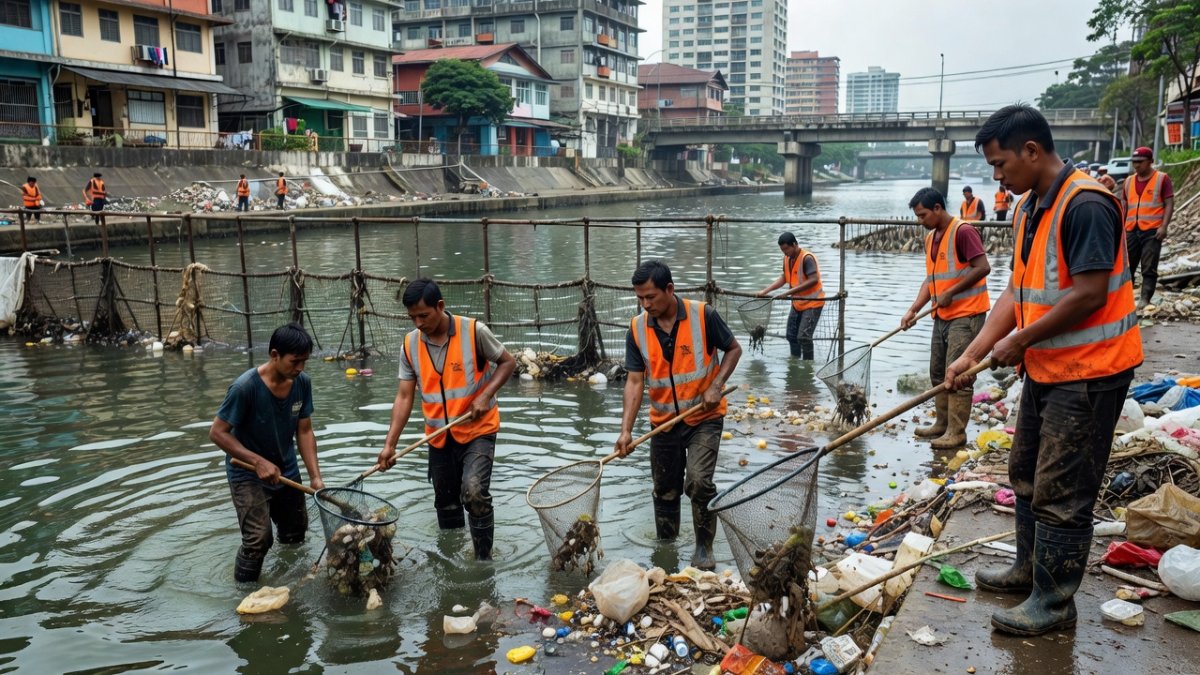
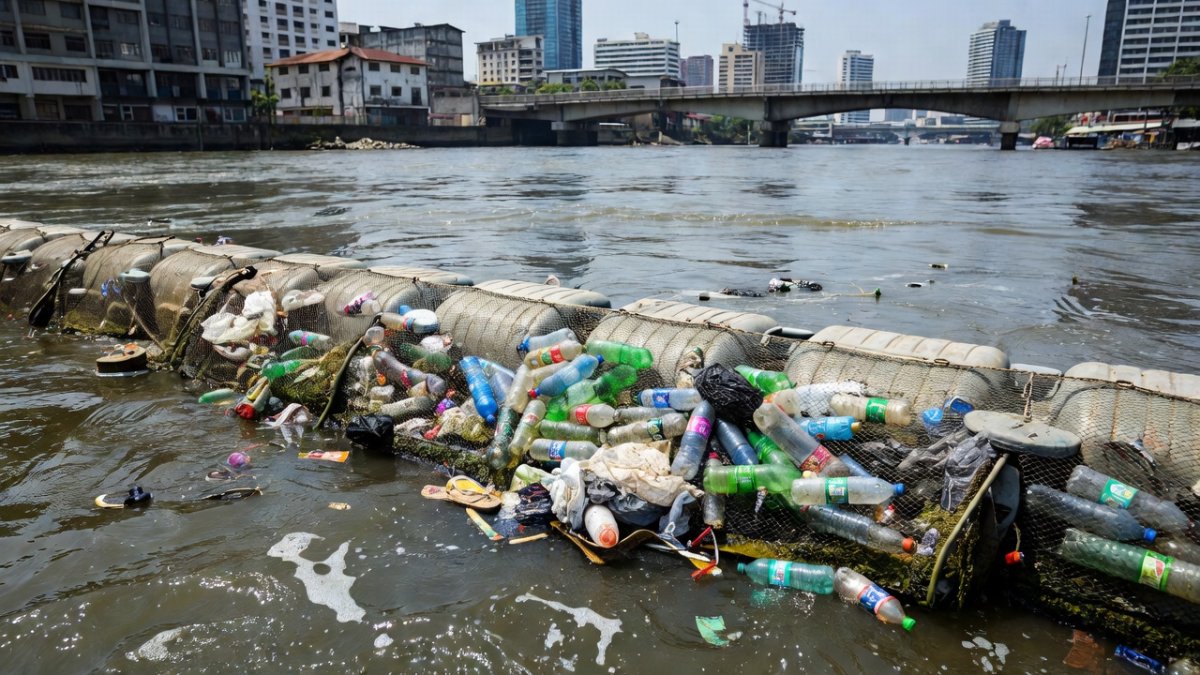
Manila, Philippines – This week — The DENR's new strategy combines infrastructure, manpower, and community accountability to tackle the solid waste that flows through the National Capital Region's rivers and esteros each year. The 196 trash traps, strategically positioned across NCR waterways, are designed to intercept floating debris before it reaches Manila Bay, while the 1,400-plus estero rangers and "river warriors" conduct daily collection and cleanup operations along the most affected creeks.
A Crisis Years in the Making
The urgency of the DENR's action became undeniable on Tuesday, when Public Works Secretary Vince Dizon visited the Redemptorist Water Channel in Baclaran and issued a stark warning: Parañaque faces a full-blown "garbage crisis." Dizon, who ordered the immediate deployment of personnel and heavy equipment to the site, said he had never seen the region's waterways in such a severe state. The floods that have repeatedly swamped surrounding communities, he emphasized, are a tragic consequence of improper waste disposal that has been allowed to fester for years.
By Wednesday, the situation had escalated to the highest levels of government. President Ferdinand Marcos Jr. personally inspected the Diokno Pumping Station in Pasay City and the Redemptorist Water Channel in Baclaran, where workers were hauling out tons of garbage. Palace officials described the floating heap as "truly shocking" — a phrase that captured the collective dismay of residents who have watched their esteros transform into open dumpsites.
Marcos Points to Broken Infrastructure and Record Rainfall
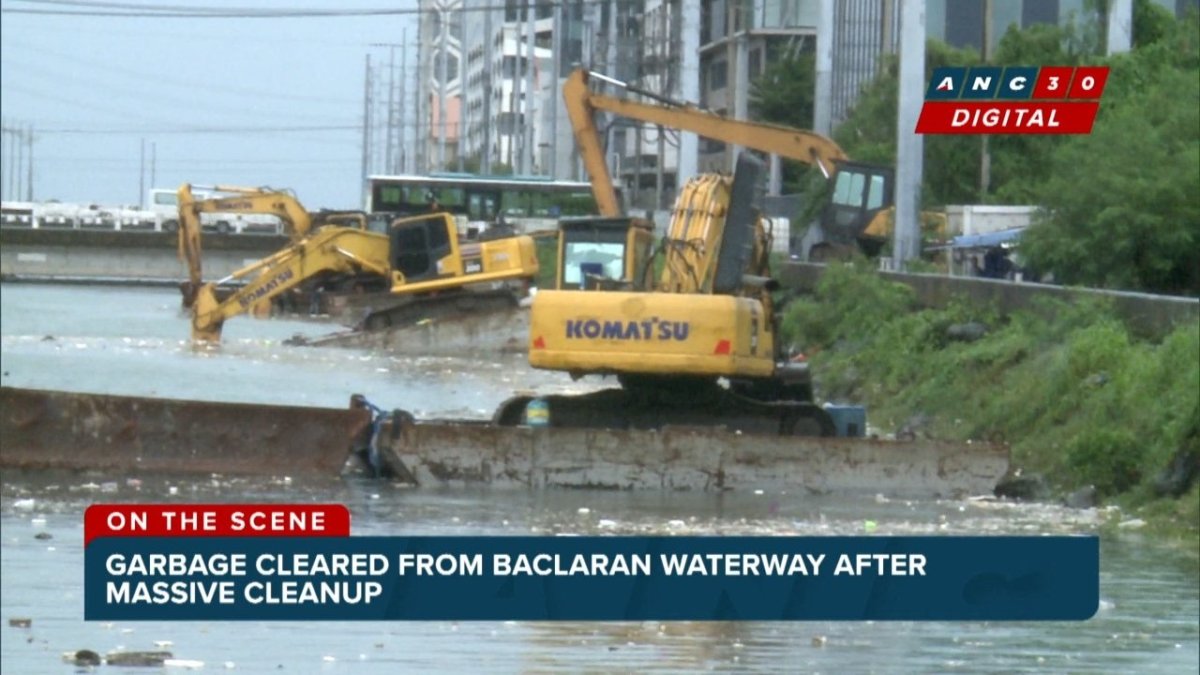
During his inspection, President Marcos identified two key factors behind the sudden buildup: a broken trash trap that had failed to intercept debris, and nearly one meter of rain that fell in roughly one month — an extraordinary volume that overwhelmed the system. The Metropolitan Manila Development Authority (MMDA) deployed a trash skimmer to assist in the emergency cleanup, but the president's analysis pointed to deeper, systemic issues that cannot be solved by equipment alone.
"It is not useful to fine people for not throwing their garbage if there is no place to put their garbage," Marcos said, stressing that proper disposal facilities must accompany any anti-littering enforcement. This statement reframes the debate from individual blame to infrastructure responsibility — a perspective that resonates with urban poor communities in Manila, Quezon City, and Pasay who often lack access to regular garbage collection services.
From 'Sea of Garbage' to Flowing Waterway
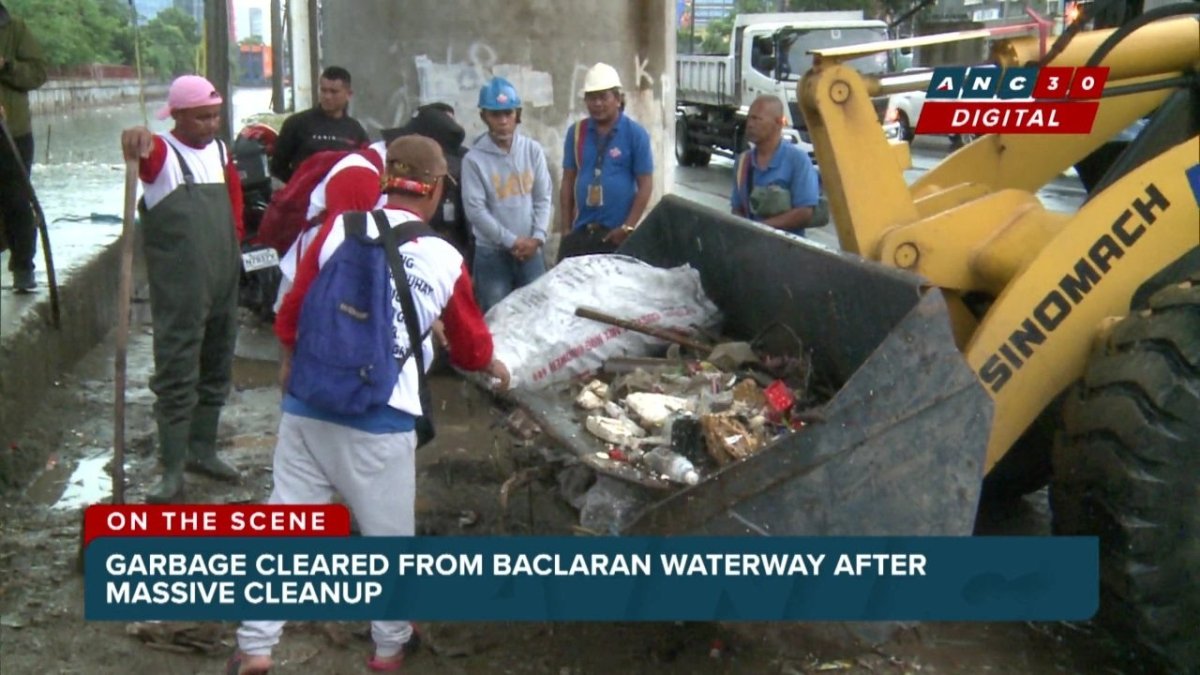
By Thursday, the impossible had been achieved. After days of intensive cleanup, the Baclaran waterway was cleared — the murky waters visible once again, transformed from a virtual "sea of garbage" into a flowing channel. The transformation came at a human cost: workers waded through foul-smelling floodwaters, thick mud, and tangled trash, clearing the clogged channel by hand in conditions that most Filipinos would find unbearable.
The before-and-after videos released by the DENR show the dramatic change, but they also reveal the scale of the challenge that remains. The Redemptorist Water Channel was just one waterway among hundreds in Metro Manila. The 196 trash traps now installed across NCR represent a significant investment in prevention, but the daily reality of estero cleanup depends on the 1,400 rangers who show up each morning to do the work that machines cannot.
Adopt an Estero: Private Sector Steps Up
Central to the DENR's long-term strategy is the "Adopt an Estero" program, which has already attracted 20 private organizations willing to take responsibility for the upkeep of designated waterways. This public-private partnership model recognizes that government resources alone cannot solve a problem of this magnitude. The program allows companies to contribute resources, manpower, and expertise to specific esteros, creating a sense of shared ownership over the city's waterways.
DENR officials have also voiced support for more controversial proposals, including the creation of "garbage police" to enforce waste disposal rules. While the idea has drawn criticism from some quarters who fear over-policing of poor communities, the DENR argues that environmental discipline must be backed by enforcement mechanisms. The department has also called for environmental education to be incorporated into school curricula, targeting the next generation of Filipinos who must grow up with a different relationship to waste.
The TUPAD Problem: Accountability in Cleanup Programs
Not everyone has embraced their role in the cleanup effort. Undersecretary Claire Castro publicly called out TUPAD (Tulong Panghanapbuhay sa Ating Disadvantaged/Displaced Workers) program beneficiaries who have been failing their cleanup duties. "We have seen some people just take pictures to make it look like they swept garbage, only to leave right after," Castro said, her frustration evident. "You are not hired and paid to make fake videos."
This criticism highlights a persistent challenge in government work programs: ensuring that beneficiaries actually perform the labor they are paid for. The TUPAD program, which provides temporary employment to disadvantaged workers, has been a cornerstone of the government's social protection strategy, but incidents of photo-op-only participation undermine both the program's credibility and the cleanup effort itself. The DENR's willingness to publicly name this behavior signals a new emphasis on results over appearances.
Waste-to-Energy: The Long-Term Solution
President Marcos has identified waste-to-energy projects as a vital long-term strategy to address the garbage problem. By converting waste into usable energy, these facilities would simultaneously reduce the volume of trash entering waterways and contribute to the country's energy needs. The president's endorsement gives renewed momentum to a technology that has faced regulatory hurdles and community opposition in the past, particularly over concerns about emissions and siting.
The DENR has echoed this call for technological solutions, emphasizing the need for innovation and a bigger role for private firms in waste management. The department's position reflects a growing recognition that traditional disposal methods — open dumpsites and sanitary landfills — are no longer sustainable for a metropolitan region that generates thousands of tons of waste daily. The first half of 2025 alone saw DENR-NCR clear 872,625 sacks of solid waste from Metro Manila waterways, a staggering figure that underscores the scale of the problem.
Habagat and the Human Cost of Clogged Waterways
The recent Habagat (southwest monsoon) rains brought heavy flooding across Luzon, and officials have directly linked clogged waterways to worsened flooding in communities near creeks and rivers. For families in low-lying areas of Parañaque, Pasay, and Manila, the connection between garbage and floodwaters is not theoretical — it is the difference between a dry home and one submerged in waist-deep water mixed with trash and sewage.
The cleanup of the Baclaran waterway offers a glimmer of hope, but it also raises uncomfortable questions. How many other esteros across Metro Manila are on the brink of becoming the next "sea of garbage"? How many communities will face the same crisis before the government's preventive measures take full effect? The 196 trash traps and 1,400 rangers are a start, but they must be sustained by genuine public cooperation and systemic change in how Filipinos dispose of their waste.
What to Watch For
The coming weeks will test whether the government's cleanup momentum can be maintained. Key indicators to watch include: whether the trash traps remain functional and are properly maintained; whether the estero rangers sustain their daily operations beyond the initial media attention; whether the Adopt an Estero program expands beyond its current 20 private partners; and whether Congress acts on proposals for "garbage police" and mandatory environmental education in schools.
Equally important is the fate of waste-to-energy projects, which face a long regulatory path before becoming operational. In the meantime, the DENR's daily inspections of problem areas and coordination with barangays will be crucial in preventing another Baclaran-scale crisis. The department has committed to notifying concerned barangays when accumulated waste is detected, creating a feedback loop that holds local governments accountable for their jurisdictions.
The transformation of the Baclaran waterway from a "sea of garbage" back to a flowing channel is a testament to what focused government action can achieve. But the deeper lesson is that prevention must replace reaction. For the millions of Filipinos who live along Metro Manila's waterways, the hope is that this week's dramatic cleanup marks not an end, but a beginning — a turning point in the city's relationship with its rivers and esteros.
By Bella Reyes, Staff Writer
This article was produced with AI-assisted research and editorial support. Reporting is based on sources cited in the article.
What's Your Reaction?
 Like
0
Like
0
 Dislike
0
Dislike
0
 Love
0
Love
0
 Funny
0
Funny
0
 Wow
0
Wow
0
 Sad
0
Sad
0
 Angry
0
Angry
0

Philippines/Southeast Asia Correspondent at Global1.News. Manila-based journalist covering Philippine politics, environment, maritime security, and social issues. Passionate about marine conservation and the communities protecting the Philippines' natural heritage.













Comments (0)