
Death of 4-Year-Old Inuit Boy Sparks Investigations, Calls for Change in Northern Health Care
The death of four-year-old Jusi Padlayat of Ivujivik, Nunavik, at Montreal Children's Hospital has triggered a coroner's investigation, multiple health reviews, and outrage over the care his family says was repeatedly denied. Politicians are demanding action on Joyce's Principle and northern health care.
In a recent CBC News report, the death of four-year-old Jusi Padlayat from Ivujivik, Que., has ignited outrage across the country and triggered a cascade of investigations into how the Inuit boy's repeated pleas for medical help were dismissed. The case, which unfolded over several weeks this summer, has become a flashpoint in the ongoing national conversation about Indigenous health care, systemic racism, and the urgent need for reform in Canada's northern regions.
Death of 4-Year-Old Inuit Boy Sparks Investigations, Calls for Systemic Change in Northern Health Care
Ivujivik, Que. – this week — The death of Jusi Padlayat, a four-year-old Inuit boy from Quebec's northernmost community, has prompted a coroner's inquest, an independent medical review, and a political firestorm over the state of Indigenous health services in Canada. Jusi died on Aug. 3 at the Montreal Children's Hospital, two days after being flown there in critical condition, following weeks of reported stomach pain that his family says was repeatedly dismissed by local nurses.
The Story — A Community in Mourning
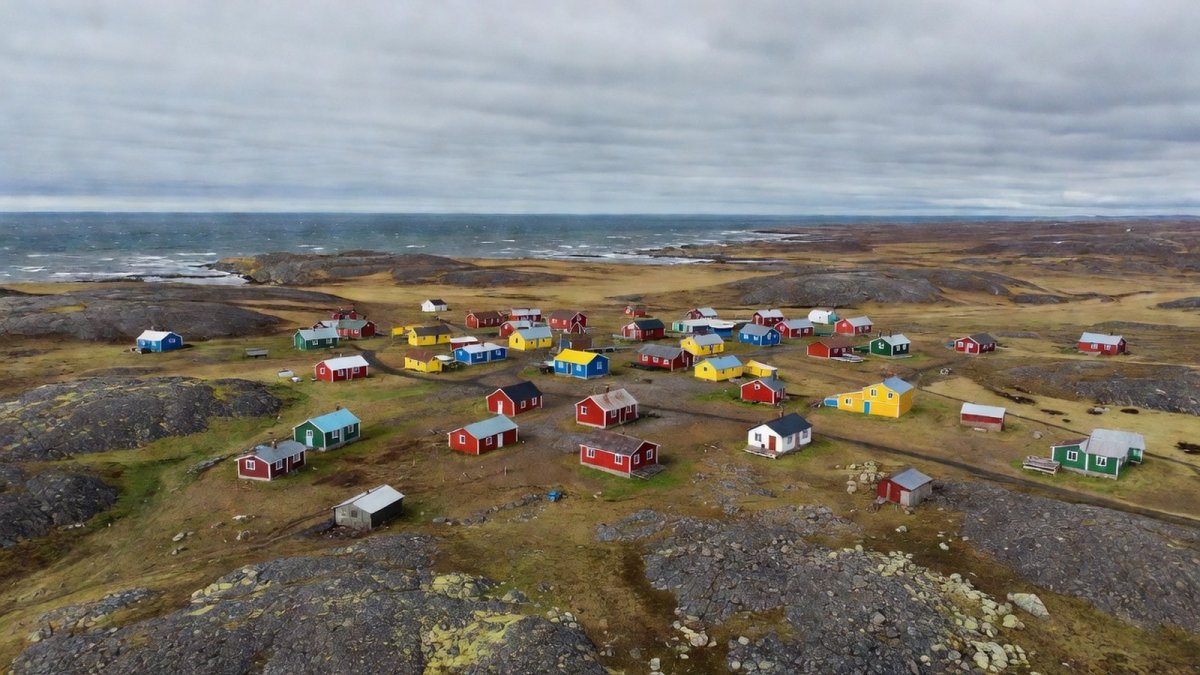
Jusi, whose name has also been spelled Pudlayat in some reports, was from Ivujivik, a village of approximately 400 people perched at the tip of Nunavik on the shores of Hudson Bay, nearly 2,000 kilometres north of Montreal. According to his grandmother, Annie Q. Mangiuk, the family first sought help at the Inuulitsivik Health Centre in July after the boy began complaining of constant stomach pain. Each time, she said, nurses refused to see him, offering only over-the-counter medication.
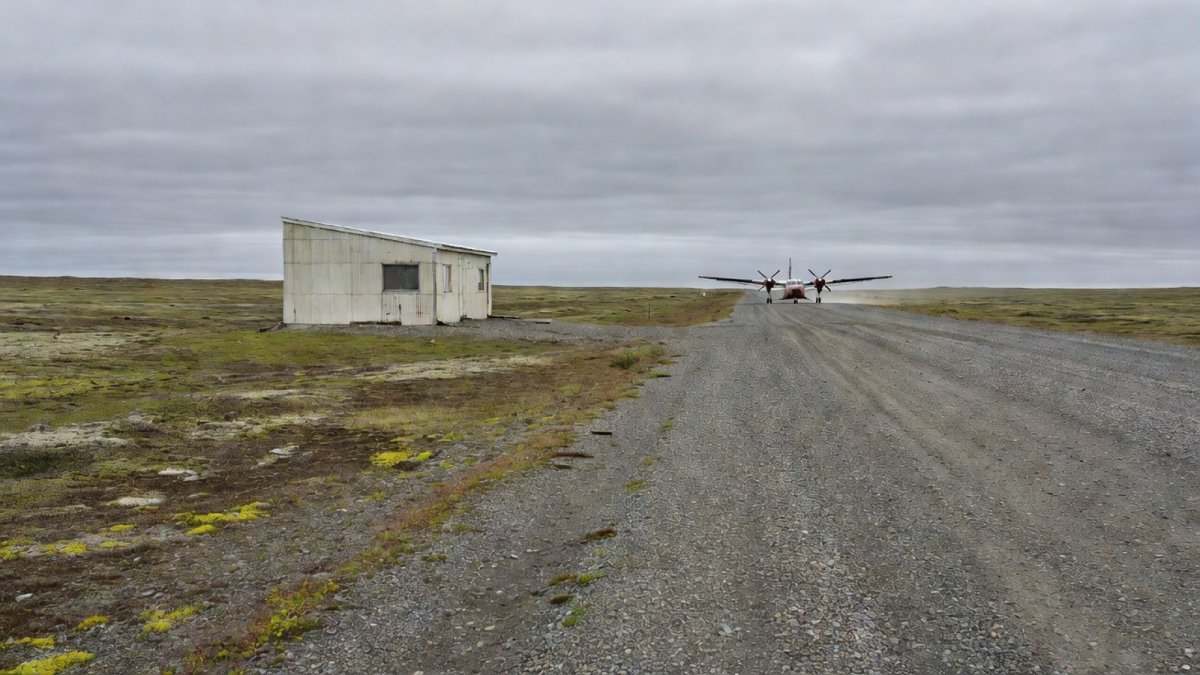
The geography of care in Nunavik is stark. The region's 14 villages are not connected by roads; all travel is by air or sea. The closest hospitals are more than 250 kilometres away, and the entire territory is served by just two regional hubs — the Inuulitsivik Health Centre in Puvirnituq and the Ungava Tulattavik Health Centre in Kuujjuaq — supplemented by nursing stations in each community. Robert Bonspiel, president and director of First Nations Paramedics, described the challenge bluntly: "Take the Island of Montreal, multiply that by about 1,000, scatter 14 villages across it, remove every road between them and leave two hospitals for the whole thing."
On Aug. 1, Jusi was found unconscious at home. Emergency medical services transported him to the local CLSC before he was airlifted to Montreal. He died two days later. The Kativik Regional Police confirmed they responded to the Aug. 1 call but noted their records "do not indicate any other calls for service involving the child prior to August 1."
What the Family Says — Desperate Pleas Ignored
In the days before Jusi's collapse, his grandmother took to Facebook in a desperate attempt to find help. On July 31, Mangiuk wrote: "We need advice from anyone who knows how to take care of a person who is having pain constantly in his belly. This 4 year old boy is just taking Advil and Tylenol. His mother and us been bothering nurses and they keep telling us to give him Advil regularly. And when he goes to nursing, this nurse keep saying we can't do anything."
Another post was even more urgent: "We are losing my grandson slowly. WE NEED HELP!!!! HELP!!!!" The posts, which have since been shared widely, paint a picture of a family hitting a wall of inaction. The grandmother's account describes repeated visits to the Inuulitsivik Health Centre, where nurses reportedly refused to examine the boy, offering only painkillers and sending him home. The family's frustration, captured in those raw social media posts, has resonated with Indigenous communities across Canada who see their own experiences reflected in the tragedy.
Investigations Launched — A Multi-Pronged Response
In the wake of Jusi's death, at least four separate investigations have been launched. On Wednesday evening, the Nunavik Regional Board of Health and Social Services and the Inuulitsivik Health Centre issued a joint statement acknowledging their responsibility. "We have a responsibility to ensure that the circumstances around this tragedy are thoroughly and objectively examined," the statement read. "We are committed to transparency and to shedding light on the circumstances surrounding this loss." The board has mobilized an internal multidisciplinary review and says independent and external processes are underway.
The Quebec coroner's office has also opened an investigation, with spokesperson Jake Lamotta Granato indicating the process typically takes six to 12 months. At the conclusion, the coroner may issue preventive recommendations. Additionally, the Office of the Service Quality and Complaints Commissioner is involved, and an independent medical examiner external to the Inuulitsivik Health Centre will review the case. The multiplicity of probes reflects the seriousness with which authorities are treating the matter, though critics argue it also highlights the fragmented nature of oversight in northern health care.
Political Reaction — Outrage and Demands for Action
The political response has been swift and pointed. Sol Zanetti, Québec solidaire spokesperson and MNA, issued a news release on Thursday stating: "Leaving a child to suffer for days is unacceptable and raises serious questions of neglect... If this is, once again, a case of systemic racism in our health services, it must be clearly identified and action taken accordingly." Zanetti drew a direct line to the 2020 death of Joyce Echaquan, asking: "How many more Joyce and Jusi cases will it take before we finally act? I urge all party leaders to make concrete commitments during the next campaign to improve access to health care in Northern Quebec, starting with a commitment to recognize Joyce's Principle. Everyone in Quebec should have access to quality health care quickly, and that starts with one simple thing: being believed and heard when seeking medical help. We simply cannot accept that a four-year-old child dies in such circumstances."
Quebec Health Minister Sonia Bélanger called the reports "extremely disturbing," adding: "If a sick child did not receive the care he needed, that is absolutely unacceptable. An investigation was promptly ordered, and a coroner's inquiry is also underway to establish the facts." Federal Indigenous Services Minister Mandy Gull Masty, the MP for Abitibi—Baie-James—Nunavik—Eeyou, described the death as "heartbreaking" and affirmed that Inuit families have the right to access "safe and reliable health care." She said: "We expect the Province of Quebec and the medical staff involved to address this matter with the utmost seriousness and to ensure that the system can provide answers to the family and community while also working to prevent future tragedies from occurring."
Quebec Deputy Premier Ian Lafrenière, who is also minister responsible for Indigenous relations, noted that "Inuit authorities are taking action and are treating the situation very seriously. The Government of Quebec will be there to support them." The Joyce's Principle Office issued its own statement, calling the death a "brutal reminder" that "respect for dignity must translate on the ground into genuine listening and concrete action across all services offered to First Nations and Inuit."
Canadian Context — Joyce's Principle and the Fight for Equitable Care
Jusi's death cannot be understood outside the broader context of Indigenous health care in Canada. Joyce's Principle, named after Joyce Echaquan, a 37-year-old Atikamekw woman who streamed her experience of racist abuse from staff at Joliette Hospital in the hours before her death in September 2020, calls for Indigenous people to have equitable access to health services without discrimination, and to be heard and believed. Québec solidaire has explicitly compared the two cases, arguing that the same systemic failures that led to Echaquan's death may have contributed to Jusi's.
The statistics are sobering: approximately one in five Indigenous people in Canada report experiencing discrimination or racism in health care settings. Nunavik has faced chronic health-care staffing shortages for years, and the Quebec College of Physicians has urgently called for a national health services plan for the region. The territory has also grappled with a tuberculosis crisis, and Inuit-centred treatment studies have been published in recent years highlighting the need for culturally safe care.
The jurisdictional maze is part of the problem. Health care delivery in Nunavik involves a complex web of federal, provincial, and Indigenous responsibilities. While the federal government has been involved in discussions about transferring control of Nunavik health services, the region is currently served by provincial institutions operating under Quebec's health system. This fragmentation can lead to gaps in accountability, as Bonspiel noted: Quebec only has systems to track complaints, incidents, and deaths, but none that record cases where patients are sent home from a clinic, only to become seriously ill later.
The tragedy has also resonated beyond the health care debate. Earlier this summer, a fatal ATV crash in Ivujivik killed a young boy visiting from Inukjuak, and the Montreal Children's Hospital has sounded alarms about Nunavik children arriving in trauma. The "Justice for Jusi" hashtag has trended on social media, with tributes flowing in from across the country. For many Canadians, the case is a painful reminder that the promises of reconciliation and equitable health care remain unfulfilled for too many Indigenous families.
What Happens Next — A Long Road to Answers
The coroner's investigation is expected to take six to 12 months, and its findings could include preventive recommendations aimed at avoiding similar tragedies. The independent medical examiner's review will focus on the clinical decisions made at the Inuulitsivik Health Centre, while the internal multidisciplinary review will examine systemic issues within the health board. The involvement of the complaints commissioner adds another layer of scrutiny.
But for advocates and political leaders, the immediate priority is ensuring that Joyce's Principle is formally recognised and implemented. Zanetti has called on all party leaders to make concrete commitments during the next campaign, and the Joyce's Principle Office has stressed that "genuine listening and concrete action" must follow the words of sympathy. The federal government, through Minister Gull Masty, has expressed its expectation that Quebec will take the matter seriously, but the ball is now in the province's court to demonstrate that change is possible.
For the family of Jusi Padlayat, the wait for answers has only just begun. The community of Ivujivik, already reeling from a summer of loss, is demanding more than condolences. They want a health care system that listens, that believes, and that acts — before another child is lost. As the investigations proceed, Canadians will be watching to see whether this tragedy becomes a turning point or just another painful chapter in a long history of neglect. The coroner's recommendations, when they come, will be a test of whether the system is truly capable of learning from its failures.
By Alex Thompson, Staff Writer
This article was produced with AI-assisted research and editorial support. Reporting is based on sources cited in the article.
What's Your Reaction?
 Like
0
Like
0
 Dislike
0
Dislike
0
 Love
0
Love
0
 Funny
0
Funny
0
 Wow
0
Wow
0
 Sad
0
Sad
0
 Angry
0
Angry
0

Canada Correspondent at Global1.News. Based in Toronto, covering Canadian politics, energy, trade, and US-Canada relations. Provides the Canadian perspective on North American and global affairs.














Comments (0)