
Deadly Helium Cylinder Explosion at Arabella Plaza Mall in New Cairo Kills 3
The explosion that ripped through Arabella Plaza Mall in New Cairo on Thursday evening has killed three people and injured 17, according to Egypt's Ministry of Health and Population. The incident, captured in an Al Arabiya English video report, has reignited urgent questions about public safety governance in Egypt's flagship planned cities, the very zones marketed heavily to Gulf investors and affluent Egyptians as models of modern urban living.
The explosion that ripped through Arabella Plaza Mall in New Cairo on Thursday evening has killed three people and injured 17, according to Egypt's Ministry of Health and Population. The incident, captured in an Al Arabiya English video report, has reignited urgent questions about public safety governance in Egypt's flagship planned cities, the very zones marketed heavily to Gulf investors and affluent Egyptians as models of modern urban living.
Deadly Helium Cylinder Explosion at Arabella Plaza Mall Exposes Safety Gaps in Egypt's New Urban Frontier
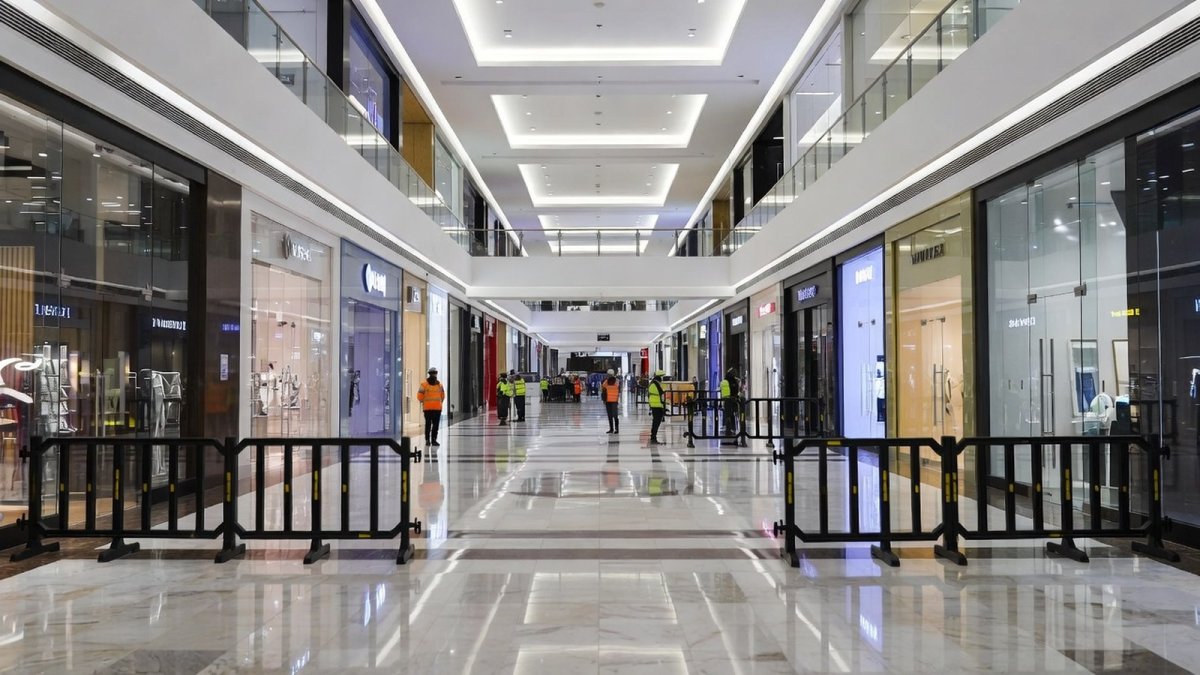
Cairo, Egypt – August 14, 2026 — A helium cylinder explosion at a ground-floor gift shop in Arabella Plaza Mall, located in New Cairo's Fifth Settlement on Gamal Abdel Nasser Street, has left three people dead and 17 injured, according to official statements from Egypt's Ministry of Interior and Ministry of Health and Population. The blast, which occurred around evening hours on Thursday, August 13, triggered a limited fire that was swiftly brought under control by Civil Protection forces, but not before damaging the facades of several adjacent shops and spreading to a neighboring restaurant, per preliminary reports.
Official Response and Casualty Toll
The Egyptian Ministry of Interior announced that the explosion originated from a helium cylinder at a gift shop, resulting in a contained blaze inside the establishment. Civil Protection teams evacuated shoppers and employees, contained the fire, and security forces cordoned off the mall as a precautionary measure. Egypt's Ministry of Health and Population confirmed the death toll rose to three after an additional fatality was confirmed, revising earlier figures of two dead and 12 injured. Eight ambulances were dispatched to the scene, with 11 injured transported to New Cairo Specialized Hospital and six transferred to nearby medical facilities for treatment and evaluation. The health ministry raised the level of preparedness in nearby healthcare facilities, with conditions of the injured being closely monitored.
Egyptian prosecutors have opened an investigation into the cause of the explosion and initiated required legal procedures, signaling a formal inquiry into what may have led to the cylinder's failure. A security source categorically denied reports circulating on social media about an elevator falling or collapsing inside the mall, confirming such claims as incorrect. This denial underscores the rapid spread of unverified information in the aftermath of such incidents, a recurring challenge for Egyptian authorities managing public perception during crises.
New Cairo: The Crown Jewel of Egypt's Urban Expansion
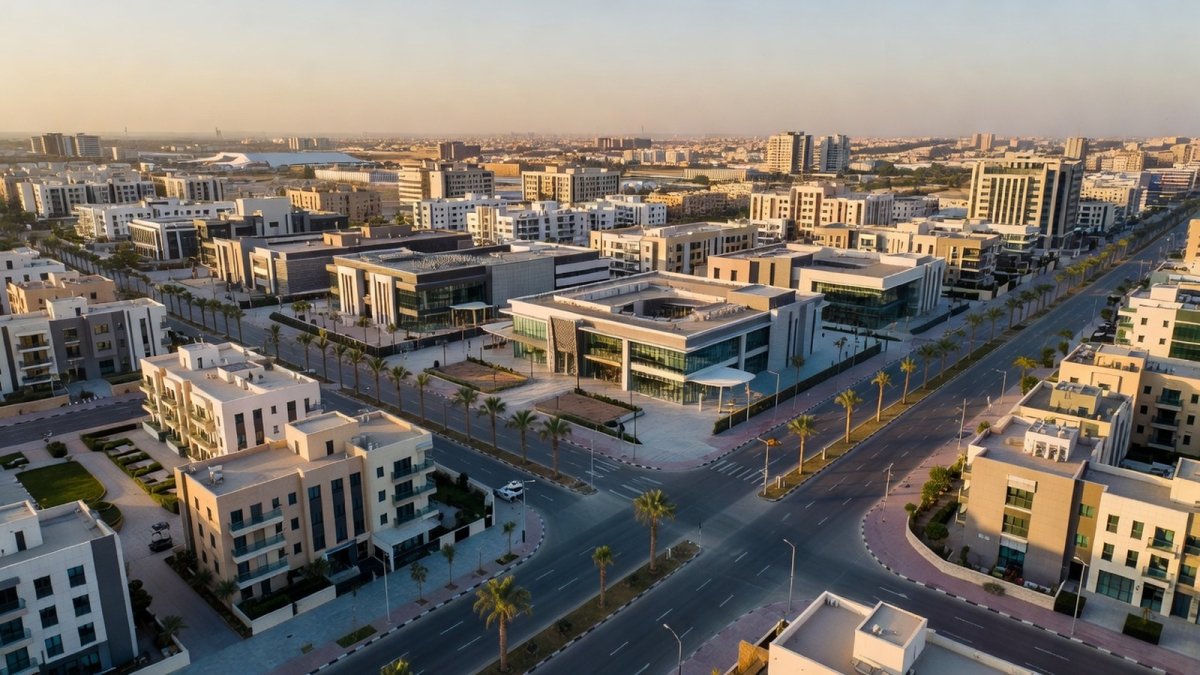
New Cairo, where the explosion occurred, is one of Egypt's flagship planned cities east of Cairo, part of the state's ambitious urban expansion program launched over two decades ago. The Fifth Settlement, in particular, has become a symbol of modern Egyptian living, characterized by gated communities, upscale shopping centers, and international schools. The district has attracted heavy Gulf investment, particularly from the United Arab Emirates and Saudi Arabia, with major real estate developers such as Emaar Misr, Palm Hills Developments, and SODIC building residential and commercial projects that cater to middle and upper-income Egyptians.
Arabella Plaza Mall itself sits within this ecosystem of commercial development, serving as a neighborhood retail hub for the surrounding residential compounds. The mall's location on Gamal Abdel Nasser Street, a major artery in the Fifth Settlement, places it at the heart of New Cairo's daily commercial activity. The explosion, therefore, strikes at a location that represents the aspirational urbanism Egypt has been actively promoting to both domestic buyers and foreign investors.
Regional Context: A Pattern of Public Safety Incidents
The Arabella Plaza explosion is the latest in a series of deadly accidents that have plagued Egypt in recent months, raising concerns about regulatory enforcement and infrastructure safety. Just two days prior, on Tuesday, August 11, a pickup truck carrying workers overturned in Ismailia Governorate on the Al-Dawawis connector road in front of the Al-Shabab power station, killing at least 15 people and injuring more than 32. The injured were transferred to Al-Qassasin Central Hospital, with Health Minister Khaled Abdel Ghaffar personally overseeing the medical response. Ministry spokesperson Hossam Abdel Ghaffar confirmed that alert levels at hospitals had been raised to accommodate the influx of casualties.
Earlier in 2026, a major fire at a wood-storage facility in Cairo's Manshiyat Naser district caused a building collapse, killing several people including civil protection personnel who had been battling the blaze. That incident highlighted the dangers faced by first responders and the challenges of enforcing fire safety regulations in densely populated informal areas. The Ismailia truck crash, meanwhile, pointed to persistent issues with road safety and the regulation of worker transport vehicles, a recurring problem in Egypt's agricultural and construction sectors.
Urban Safety Governance in Egypt's New Cities
The Arabella Plaza explosion raises specific questions about the oversight of commercial spaces in Egypt's new cities, which are often marketed as safer, more regulated alternatives to older Cairo neighborhoods. The use of helium cylinders in retail settings, typically for filling balloons at gift shops, is a common practice globally, but it requires proper handling, storage, and maintenance. The fact that a cylinder exploded in a mall setting suggests potential lapses in safety protocols, whether in the cylinder's maintenance, the shop's compliance with safety standards, or the mall's overall emergency preparedness.
Egypt's Civil Protection Authority, which falls under the Ministry of Interior, is responsible for fire safety inspections and emergency response across the country. However, the rapid pace of development in New Cairo and other new cities has often outstripped the capacity of regulatory bodies to conduct thorough and frequent inspections. Commercial malls, in particular, present complex safety challenges due to the density of shops, restaurants, and public spaces, each with their own potential hazards. The explosion at Arabella Plaza may prompt a review of safety protocols for gas cylinders and similar equipment in commercial establishments across Egypt's new urban developments.
Gulf Investment Confidence and Egypt's Real Estate Sector
The timing of this incident is particularly sensitive for Egypt's real estate sector, which has been a key pillar of the country's economic strategy amid an ongoing IMF-supported reform program. Egypt has been grappling with high inflation and currency pressures, and the government has increasingly relied on Gulf investment to finance major infrastructure and real estate projects. The UAE and Saudi Arabia have been prominent partners, with Emirati and Saudi firms involved in everything from luxury residential towers to entire new cities like the New Administrative Capital.
New Cairo, with its concentration of Gulf-backed developments, is a bellwether for investor confidence in Egypt's urban future. A high-profile safety incident in one of its flagship malls could raise concerns among potential investors about the regulatory environment and operational standards in Egyptian commercial properties. However, it is equally possible that the swift official response, including the rapid containment of the fire and the transparent communication of casualty figures, may reassure investors that Egyptian authorities are capable of managing such incidents effectively. The key will be the outcome of the investigation and whether it leads to concrete regulatory improvements.
Tourism and Public Perception
Beyond investment, the explosion could have implications for Egypt's tourism sector, which has been recovering steadily in recent years. While New Cairo is primarily a residential and business district rather than a tourist destination, incidents of this nature can shape international perceptions of Egypt's overall safety and stability. The Egyptian government has invested heavily in promoting the country as a safe and welcoming destination, and any high-profile accident, particularly in a modern commercial setting, can undermine those efforts.
The government's response to the Arabella Plaza explosion, including the health ministry's rapid mobilization of ambulances and the interior ministry's transparent communication about the cause, reflects an awareness of the reputational stakes involved. The denial of the elevator collapse rumor, in particular, suggests that authorities are actively managing the narrative to prevent panic and misinformation. Whether this approach will be sufficient to maintain public confidence remains to be seen, particularly if the investigation uncovers systemic safety failures.
Regulatory Oversight of Gas Cylinders in Commercial Spaces
The specific cause of the explosion — a helium cylinder — raises questions about the regulatory framework governing the use of compressed gas cylinders in commercial settings. Helium is generally considered an inert gas, but cylinders containing it are pressurized and can explode if damaged, overheated, or improperly handled. In Egypt, the regulation of gas cylinders falls under multiple authorities, including the Ministry of Interior's Civil Protection Authority and the Ministry of Petroleum, which oversees the distribution of compressed gases.
There have been previous incidents in Egypt involving gas cylinder explosions, particularly in residential and commercial settings, often linked to butane or propane cylinders used for cooking. Helium cylinder explosions are less common but not unheard of, particularly in environments where cylinders are stored or used improperly. The investigation into the Arabella Plaza explosion will likely examine whether the cylinder was properly maintained, whether it had been filled by a licensed supplier, and whether the gift shop had adequate safety measures in place. The findings could lead to new regulations or enforcement measures for businesses using compressed gas cylinders across Egypt.
Strategic Implications for Egypt's Urban Development Model
The Arabella Plaza explosion, while tragic, may ultimately serve as a catalyst for improved safety standards in Egypt's new cities. The government has staked its economic future on the success of these urban developments, which are designed to attract investment, create jobs, and provide modern living standards for a growing population. Incidents like this expose the gap between the aspirational image of these cities and the practical realities of their operation, highlighting the need for robust regulatory oversight and emergency preparedness.
For Gulf investors, the incident may prompt closer scrutiny of safety records and operational standards in Egyptian commercial properties. However, it is unlikely to derail the broader investment trajectory, given the strategic importance of Egypt to Gulf states' economic diversification and food security strategies. The UAE and Saudi Arabia have deep strategic interests in Egypt's stability and prosperity, and a single mall explosion, while tragic, is unlikely to alter those calculations. What may change is the emphasis on safety compliance and regulatory due diligence in future investment agreements.
As Egypt continues to navigate its economic reform program under the IMF, with its attendant pressures on public finances and living standards, the government will need to balance its ambitious development agenda with the practical demands of public safety. The Arabella Plaza explosion is a reminder that urban development is not just about building impressive structures, but also about ensuring that those structures are safe for the people who use them. The investigation's outcome and the subsequent policy response will be closely watched by investors, residents, and international observers alike.
By Malik Hassan, Staff Writer
This article was produced with AI-assisted research and editorial support. Reporting is based on sources cited in the article.
What's Your Reaction?
 Like
0
Like
0
 Dislike
0
Dislike
0
 Love
0
Love
0
 Funny
0
Funny
0
 Wow
0
Wow
0
 Sad
0
Sad
0
 Angry
0
Angry
0
Middle East Correspondent at Global1.News. Based in Beirut, covering politics, conflict, energy, and society across the Middle East. Brings context and depth to a region often reduced to headlines.










Comments (0)