
Dani 'La Music Teacher': Taking Puerto Rican Music Global
This week, One Caribbean Television has published a new profile feature titled "Dani 'La Music Teacher' Multi-Artist," turning its spotlight on a Puerto Rican musician and educator who has built an international career from the island's Afro-Puerto Rican bomba tradition and from classical saxopho
This week, One Caribbean Television has published a new profile feature titled "Dani 'La Music Teacher' Multi-Artist," turning its spotlight on a Puerto Rican musician and educator who has built an international career from the island's Afro-Puerto Rican bomba tradition and from classical saxophone. For a region where our own cultural bearers — from steelpan tuners to calypso monarchs — often carry their art across oceans before the recognition catches up at home, Dani's story is a familiar and hopeful one.
Dani 'La Music Teacher': A Multi-Artist Carrying Puerto Rico's Sound to the World
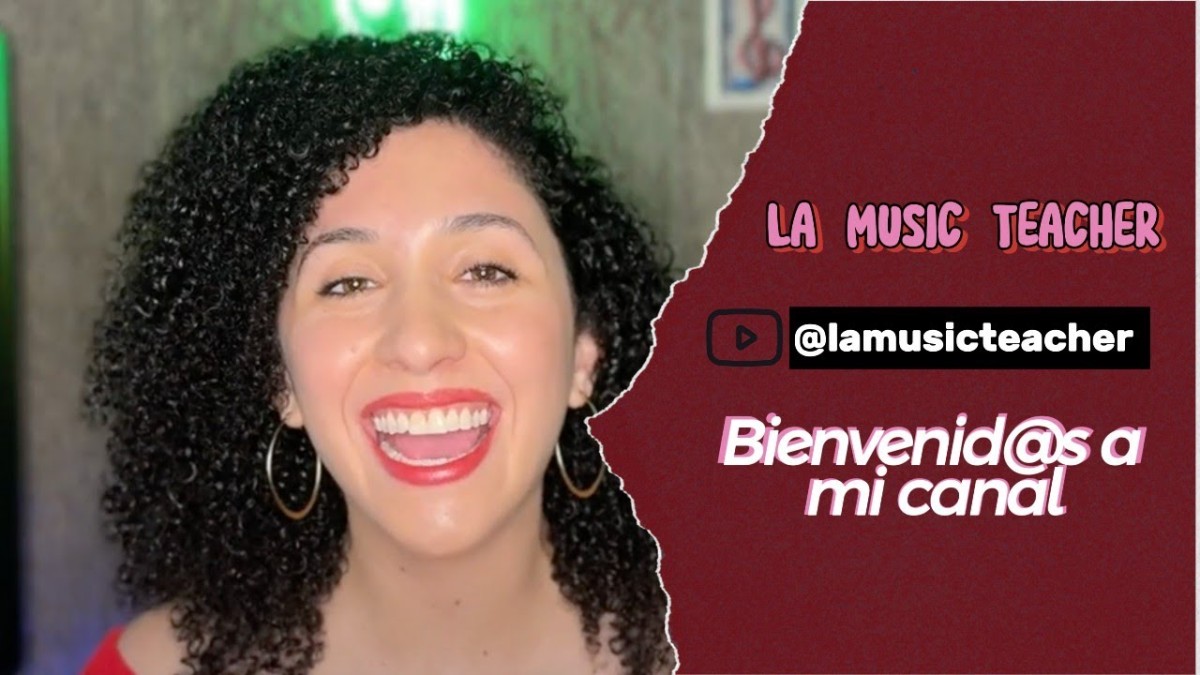
San Juan, Puerto Rico — In the crowded global marketplace of music influencers and online teachers, it takes something special to stand out. Daniela Torres Jiménez, known professionally as Dani or "La Music Teacher," has done exactly that, and the newly released One Caribbean Television profile feature documents a career that spans classical concert halls, salsa big bands, Barcelona street festivals and the deep, ancestral pull of bomba drums. The feature, now available on the One Caribbean Television YouTube channel, arrives at a moment when the Caribbean's creative economy is being recognised not merely as entertainment, but as a pillar of cultural preservation and economic development across our small island states.
A Conservatory Foundation Rooted in the Island
Dani's musical journey began in earnest at the Conservatory of Music of Puerto Rico, where she graduated with honours in saxophone performance and earned her educator certification. That foundation — rigorous, classical, and deeply institutional — gave her the technical command that would later allow her to move fluidly between worlds. In Puerto Rico, she performed with the Puerto Rico Symphony Orchestra, a credential that speaks to her standing among the island's finest classical musicians, and she shared stages with leading salsa big bands, the very ensembles that carried Puerto Rican music to global prominence in the twentieth century.
This dual identity — the conservatory-trained classical musician and the dancer-percussionist of Afro-Puerto Rican tradition — is not a contradiction. It is, in fact, the hallmark of so many Caribbean artists who have learned to code-switch between the formal and the folk, between the written score and the oral tradition. For Dani, the saxophone became the bridge instrument, capable of both the precision of classical repertoire and the raw, expressive cry of Caribbean rhythm.
Barcelona: A New Stage for an Old Tradition
Like so many Puerto Ricans before her, Dani eventually made the journey across the Atlantic to Spain, settling in Barcelona. There, she completed a master's degree in classical saxophone teaching at the prestigious Conservatori del Liceu, one of Europe's oldest and most respected music institutions. She added a postgraduate qualification in music business management and pursued jazz saxophone training, equipping herself not only as a performer but as an entrepreneur of her own artistic brand.
But Barcelona was not merely a place to study and teach. It became the stage on which she would carry Puerto Rico's bomba tradition to European audiences. She founded her own Puerto Rican folklore group in the Catalan capital, and has performed at La Mercè, the city's largest street festival, as well as the Say It Loud festival and the Festes de Gràcia neighbourhood celebrations. These are not small, niche events; La Merce draws millions of visitors each year, and to perform there is to place Puerto Rican culture squarely in the heart of one of Europe's most vibrant cultural capitals.
Bomba as Resistance, Memory and Community
To understand what Dani is doing in Barcelona, one must understand what bomba represents. Born on Puerto Rico's colonial-era sugar plantations, bomba is an Afro-Puerto Rican genre built on barrel drums known as barriles, call-and-response singing and improvised dance. It was never merely entertainment; it was an expression of resistance, a way for enslaved Africans and their descendants to preserve memory, community and identity under brutal conditions. The drummer responds to the dancer, the dancer challenges the drummer, and the song carries stories that were never written down but were never forgotten.
In Barcelona, Dani belongs to a thriving bomba community that includes the women-led group Mancha E' Plátano, which has performed at the city's International Women's Day act at the Arc de Triomf, and she has been associated with the group Caminando en Yubá, which uses bomba as a social and artistic tool for community building. This is bomba as living tradition, not museum piece — a genre that continues to evolve and speak to new generations in new lands.
The pattern is deeply familiar across the Caribbean. Trinidad and Tobago's steelpan, calypso and soca have been carried by diaspora communities to London, New York and Toronto, where pan yards and calypso tents keep the traditions alive far from the islands. Jamaica's reggae found its second home in Brixton and Brooklyn. Cuba's rumba pulses in Madrid and Miami. When Caribbean people migrate — whether driven by economic pressures, natural disaster or the simple search for opportunity — they carry their music with them, and that music becomes both a lifeline to home and a gift to their new communities.
The Educator's Vocation: Teaching the Next Generation
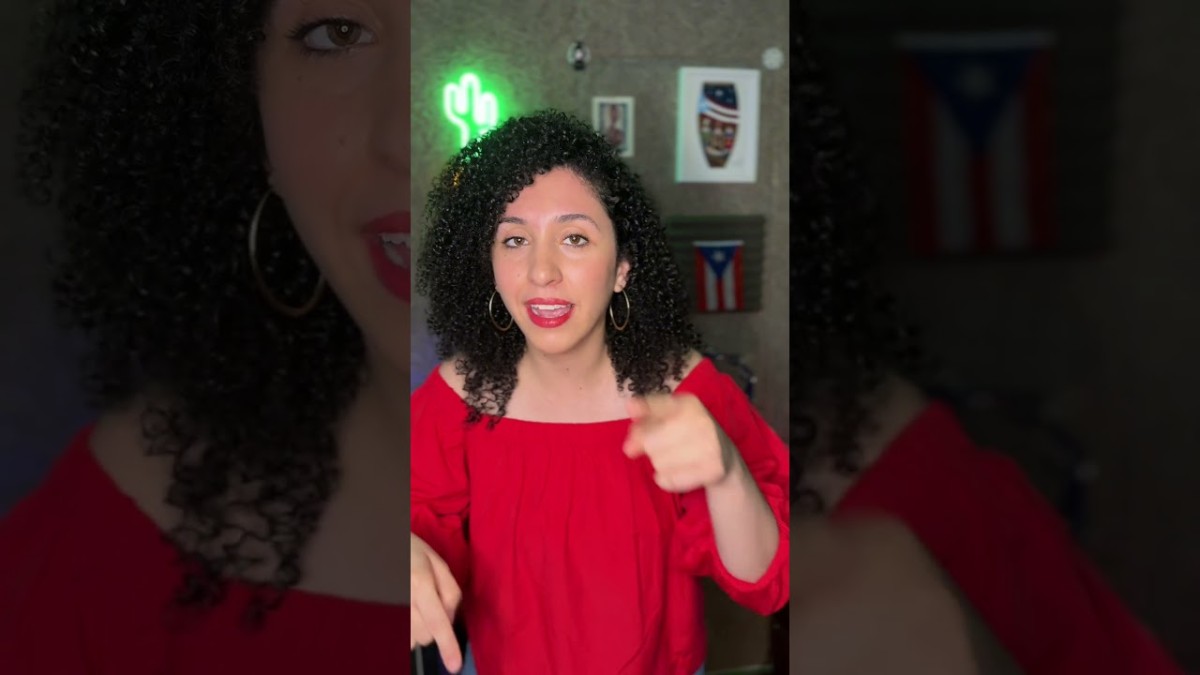
What distinguishes Dani from many touring performers is her deep commitment to teaching. In Barcelona, she teaches music theory, saxophone and clarinet, and early-childhood music stimulation at the Kiddy Musics academy, and she teaches Afro-Puerto Rican percussion at Escuela Libertà. This is not glamorous work, but it is foundational work. Every child who learns to hold a saxophone properly, every toddler who feels the pulse of a drum before they can speak, is a seed planted for the future of Caribbean music.
The cost of music education is a pressing concern across our region. In many Caribbean territories, access to quality instrumental instruction remains limited to those who can afford private lessons or whose families can send them abroad for conservatory training. Dani's path — from the Conservatory of Music of Puerto Rico to the Conservatori del Liceu — represents an investment that few families can make. Yet her response has been to give back through teaching, making music education more accessible through her online platforms and her digital learning packs for bomba and saxophone.
Building "La Music Teacher" as a Digital Bridge
Online, Dani has built the brand "La Music Teacher" into a substantial presence. Her YouTube channel features music-education videos covering theory, practice tips and curiosities, while her Instagram account has attracted roughly eleven thousand followers around her passions: saxophone, Puerto Rican bomba and music language. She offers in-person classes in Barcelona and has developed a digital learning pack for bomba and saxophone, allowing students anywhere in the world to access her teaching. Her TikTok presence extends the reach further, meeting younger audiences where they already are.
The digital dimension is crucial for Caribbean artists. Our region's creative economy has long been constrained by geography — small markets, limited touring infrastructure, and the high cost of international promotion. The internet has changed that calculus, allowing a musician in Barcelona to teach a student in San Juan, or a bomba enthusiast in Chicago to learn from a practitioner in Spain. In 2026, an international music-industry database ranked Dani among the top music-teacher Instagram accounts to follow worldwide, a recognition that validates the strategy of building a global classroom from a Caribbean cultural base.
Diaspora, Displacement and the Keeping of Culture
Dani's story must also be understood against the backdrop of Puerto Rico's recent history. The devastation of Hurricane Maria in 2017 and the island's ongoing economic pressures have driven waves of migration, with many Puerto Ricans settling in Spain and across the United States. These diaspora communities have become vital carriers of bomba and other traditions, establishing groups, teaching the next generation and performing for audiences who might otherwise never encounter the genre.
This is the Caribbean way. We have always been a people of movement — of ships and planes, of migration and return. Our music has travelled with us, adapting to new contexts while holding fast to its core. The steelpan that began as a bamboo instrument in Trinidad's yards now sounds in concert halls in Switzerland. The calypso that mocked colonial governors now plays at Carnival in Toronto. And bomba, born on Puerto Rican plantations, now drums through the streets of Barcelona during La Mercè. Each of these journeys is a story of survival, and each musician who carries the tradition is a keeper of the flame.
A Profile Worth Watching
The One Caribbean Television feature "Dani 'La Music Teacher' Multi-Artist" offers viewers a window into this remarkable career, and the broadcaster's reach across the US Virgin Islands and Puerto Rico ensures that the story will be seen by audiences who understand its significance intimately. For young Caribbean musicians watching, Dani's trajectory offers a template: master the classical tradition, honour the ancestral tradition, build the business skills, and use every available platform to teach and share.
For the rest of us, her story is a reminder of what our region produces when we invest in our artists and when those artists, in turn, invest in others. The creative economy of the Caribbean is not merely about tourism and festivals; it is about the thousands of teachers, performers and cultural bearers who carry our traditions forward, often far from home, often with little recognition. Dani "La Music Teacher" is one of those bearers, and this week's profile feature ensures that her work — and the tradition she carries — receives a well-deserved moment in the spotlight.
By Sharon Sahatoo, Staff Writer
This article was produced with AI-assisted research and editorial support. Reporting is based on sources cited in the article.
What's Your Reaction?
 Like
0
Like
0
 Dislike
0
Dislike
0
 Love
0
Love
0
 Funny
0
Funny
0
 Wow
0
Wow
0
 Sad
0
Sad
0
 Angry
0
Angry
0
Caribbean Correspondent at Global1.News. Based in Port of Spain, Trinidad, covering Caribbean politics, economy, energy, climate, and culture. Amplifying the voices and stories of the Caribbean region.














Comments (0)