
Crocodile Deaths Rise in Puerto Vallarta After Fatal Attack
Crocodile Deaths Rise in Puerto Vallarta After Fatal Attack, Prompting Calls for Coexistence The deaths of at least 13 American crocodiles along the coasts of Jalisco and Nayarit in recent weeks have triggered an urgent plea from environmental authorities, who warn that retaliatory killings threaten a protected species already navigating a delicate balance with the booming tourist economy of Puerto Vallarta.
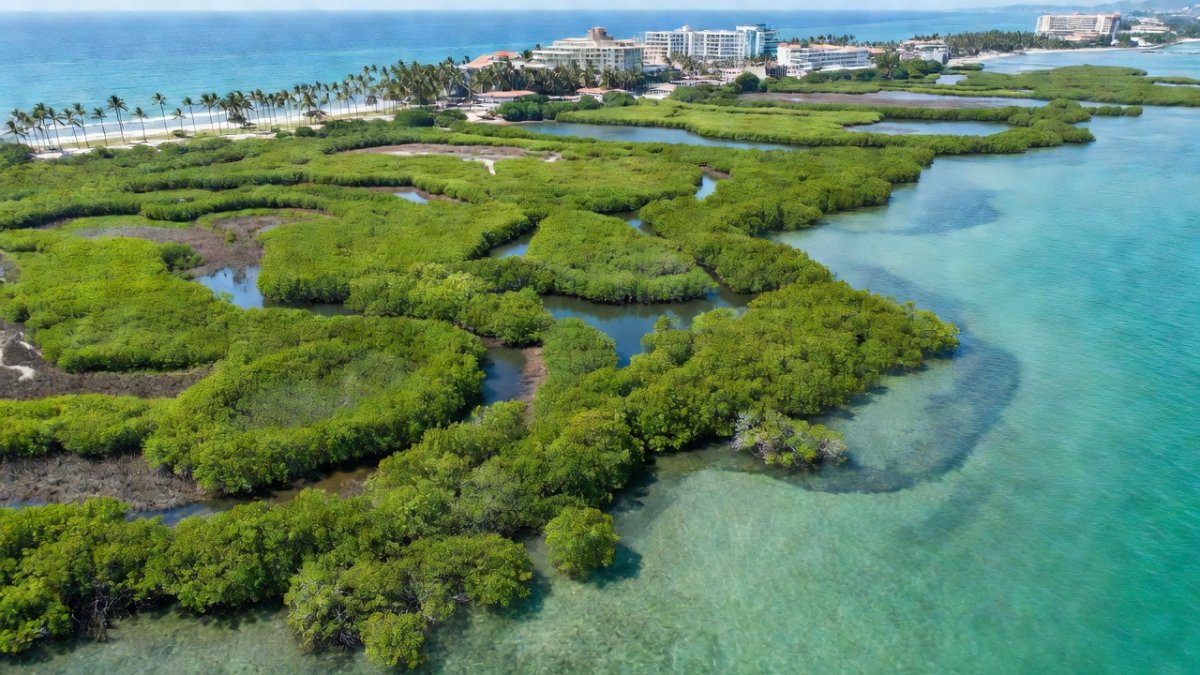
Crocodile Deaths Rise in Puerto Vallarta After Fatal Attack, Prompting Calls for Coexistence
The deaths of at least 13 American crocodiles along the coasts of Jalisco and Nayarit in recent weeks have triggered an urgent plea from environmental authorities, who warn that retaliatory killings threaten a protected species already navigating a delicate balance with the booming tourist economy of Puerto Vallarta. The deaths come in the wake of a tragic June 26 attack that claimed the life of a young man from Mexico City, igniting fear and anger in the community.
Tags: Puerto Vallarta, crocodile attack, Semadet, Jalisco, Nayarit, American crocodile, wildlife protection, Marina Vallarta, environmental conflict, tourism safety
A Community in Mourning, A Species Under Siege
The quiet waters of Marina Vallarta Beach turned into a scene of tragedy on the evening of Friday, June 26, 2026. A 28-year-old man from Mexico City, identified in local reports as Irving, was swimming near the Marriott Puerto Vallarta Resort and Spa when an American crocodile (Crocodylus acutus) attacked him, dragging him into the sea. Jalisco state police confirmed his death, marking a somber moment for a destination that prides itself on its natural beauty and warm hospitality.
In the weeks that followed, the grief and fear felt by residents and visitors alike appear to have curdled into something darker. The Secretaría de Medio Ambiente y Desarrollo Territorial (Semadet), Jalisco's environmental secretariat, has confirmed the deaths of 11 adult crocodiles in Puerto Vallarta, Bahía de Banderas, and along the state's coastal strip. Two additional deaths were reported in Bahía de Banderas, Nayarit, bringing the regional toll to at least 13. Authorities believe the animals were deliberately killed, most likely as retaliation for the fatal attack on the tourist.
Sergio Ramírez López, director of the Jalisco State Civil Protection and Firefighters Unit, acknowledged the troubling trend. He stated that these acts against the crocodiles increased noticeably after the attack at Marina Vallarta, a sentiment that underscores the volatile intersection of human fear and wildlife conservation in a region where both must share the same sandy shores and mangrove-lined estuaries.
Official Response and a Plea for Respect
Semadet has moved to address the situation with a combination of scientific rigor and public outreach. The agency confirmed the deaths and announced that necropsies will be performed on the animals to determine the exact causes of death, which are presumed to be human-inflicted. They are also coordinating with federal agencies and the local hotel sector to ensure a unified response that prioritizes both public safety and the protection of the species.
The environmental secretariat has been unequivocal in its message: the recent sightings and encounters do not reflect an overpopulation of crocodiles. The estimated local population is between 300 and 350 individuals, a number that has remained relatively stable. This is not a story of nature encroaching on civilization, officials argue, but rather a story of a shared habitat where human development has increasingly overlapped with the natural territory of a protected species.
The American crocodile is listed under NOM-059-SEMARNAT-2010, Mexico's official standard that identifies species at risk. This legal protection makes the killing of these animals a federal crime, and authorities are now faced with the dual challenge of enforcing the law while also addressing the legitimate safety concerns of a community that has just witnessed a deadly attack.
For the people of Puerto Vallarta, the situation is deeply personal. This is not just a story about a distant environmental regulation; it is about the safety of families who live along the coast, the livelihoods of those who work in the tourism industry, and the cultural identity of a town that has long coexisted with the natural wonders of the Bahía de Banderas. The call from Semadet is not just for legal compliance, but for a deeper sense of respeto — respect for the wildlife that has called this place home for millennia.
Coordinated Action Across State Lines
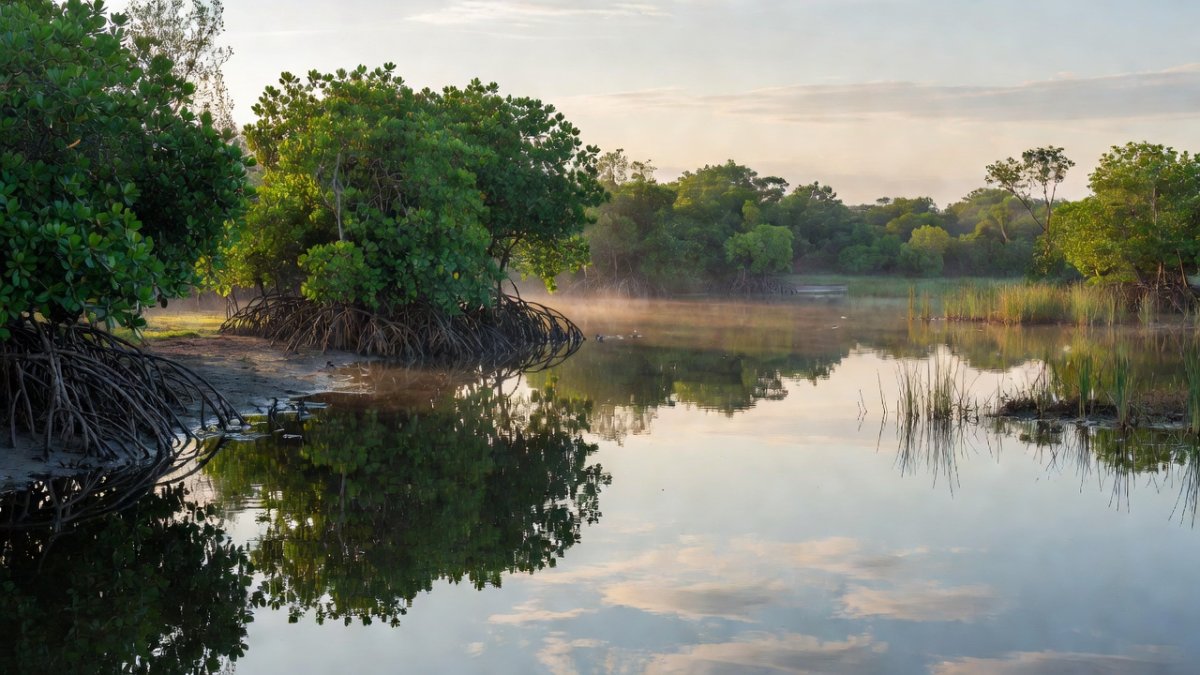
Recognizing that crocodiles do not respect political boundaries, authorities in Jalisco and Nayarit have announced coordinated actions to address the growing interaction between crocodiles and people. This bi-state approach is crucial, as the crocodile population moves freely through the estuaries, wetlands, and lagoons that dot the entire Bahía de Banderas region, from the tourist zones of Puerto Vallarta to the quieter shores of Nayarit.
The strategy involves increased surveillance of beaches and estuary areas, particularly in coastal zones where rain-swollen waterways can create new connections between estuaries, channels, and the sea. These temporary waterways, often formed after heavy rains, can bring crocodiles into areas where they are not typically seen, increasing the potential for encounters with humans. The patrols, which were tightened on June 28, just two days after the fatal attack, are designed to monitor these dynamic environments and provide early warnings to beachgoers and residents.
This collaborative effort between the two states is a recognition that the problem is not isolated to one municipality. It is a regional challenge that requires a regional solution. The coordination also extends to the hotel sector, which plays a pivotal role in informing tourists about the presence of wildlife and ensuring that safety protocols are in place. The goal is not to eliminate the crocodiles, but to manage the shared space in a way that minimizes risk while preserving the ecological integrity of the region.
For local communities, from the ejidos that manage coastal lands to the small business owners in the colonias of Puerto Vallarta, this is a delicate balancing act. The crocodile is both a symbol of the region's wild beauty and a potential threat. The challenge for authorities is to foster a culture of coexistence, where the presence of a crocodile is met with caution and respect, not with a gun or a club.
The Human and Ecological Cost of Fear
The killing of these 13 crocodiles is a significant blow to the local population. Each adult crocodile plays a vital role in the ecosystem, helping to maintain the health of the estuaries and wetlands that are the lifeblood of the region's biodiversity. Their loss is not just a tragedy for the species, but for the entire web of life that depends on these habitats, including the fish that support local fisheries and the birds that draw birdwatchers from around the world.
Beyond the ecological impact, there is a profound cultural and ethical dimension to this story. In Mexico, the relationship between humans and nature is often framed by a deep sense of respeto, a recognition that we are part of a larger natural order. The retaliatory killings represent a break from this tradition, a moment where fear and anger have overshadowed the values of stewardship and coexistence that are central to many Mexican communities.
The fatal attack on Irving is a stark reminder of the real dangers that exist. It is a tragedy that has shaken the community and raised legitimate questions about safety. However, the response to that tragedy must be measured and informed by science, not driven by vengeance. Semadet's plea for greater respect for wildlife is a call to remember that the crocodile is not a monster, but a wild animal acting on instinct in its own habitat. The responsibility lies with humans to manage our interactions with these animals in a way that is safe, ethical, and sustainable.
For the families who live in the coastal neighborhoods of Puerto Vallarta, the message is one of vigilance and understanding. Parents are now more cautious about letting children play near the water's edge, and fishermen are more aware of their surroundings. The community is learning to live with a new reality, one where the presence of a crocodile is a possibility that must be acknowledged and respected.
Looking Forward: A Path to Coexistence
The path forward is not simple, but it is clear. It requires a sustained commitment from all stakeholders — federal, state, and municipal authorities, the hotel and tourism industry, environmental groups, and the local community. The necropsies announced by Semadet will provide crucial data on the cause of death of the 11 crocodiles, which could lead to legal action against those responsible. This is an essential step in sending a clear message that the killing of protected species will not be tolerated.
At the same time, the increased surveillance and patrols must be maintained and expanded. This is not just about catching criminals; it is about preventing encounters before they happen. Public education campaigns are also vital. Tourists and residents alike need to understand the behavior of crocodiles, the signs of their presence, and the appropriate actions to take when one is spotted. Simple measures, such as not swimming in areas known to be crocodile habitat, especially at dawn and dusk, can significantly reduce the risk of attacks.
The story of Puerto Vallarta is a story of a community at a crossroads. It is a place that has built its modern identity on the beauty of its natural surroundings, from the lush mountains to the sparkling bay. The crocodile is a part of that identity, a living link to the wild heart of the region. The choice now is whether to view this magnificent creature as an enemy to be vanquished or as a neighbor to be understood. The decision made by the people of Puerto Vallarta, and by the authorities who represent them, will shape the future of this unique and beloved corner of Mexico.
The eyes of the nation are on this Pacific coast community. The resolution of this conflict will serve as a model for other regions in Mexico where human development and wildlife conservation are increasingly intertwined. It is a test of our collective ability to find a balance between progress and preservation, between fear and respect. The hope is that the memory of Irving, and the 13 crocodiles that died in his wake, will inspire a more thoughtful and compassionate approach to the shared world we all inhabit.
By Rosa Martinez, Staff Writer
This article was produced with AI-assisted research and editorial support. Reporting is based on sources cited in the article.
What's Your Reaction?
 Like
0
Like
0
 Dislike
0
Dislike
0
 Love
0
Love
0
 Funny
0
Funny
0
 Wow
0
Wow
0
 Sad
0
Sad
0
 Angry
0
Angry
0
Latin America/Andes Correspondent at Global1.News. Based in Bogota, covering politics, environment, energy, and social movements across the Andean region. Passionate about environmental journalism and communities protecting their land.











Comments (0)