
Cottage and White Cheese Shortage Nears End as Tnuva, Supermarkets Restock
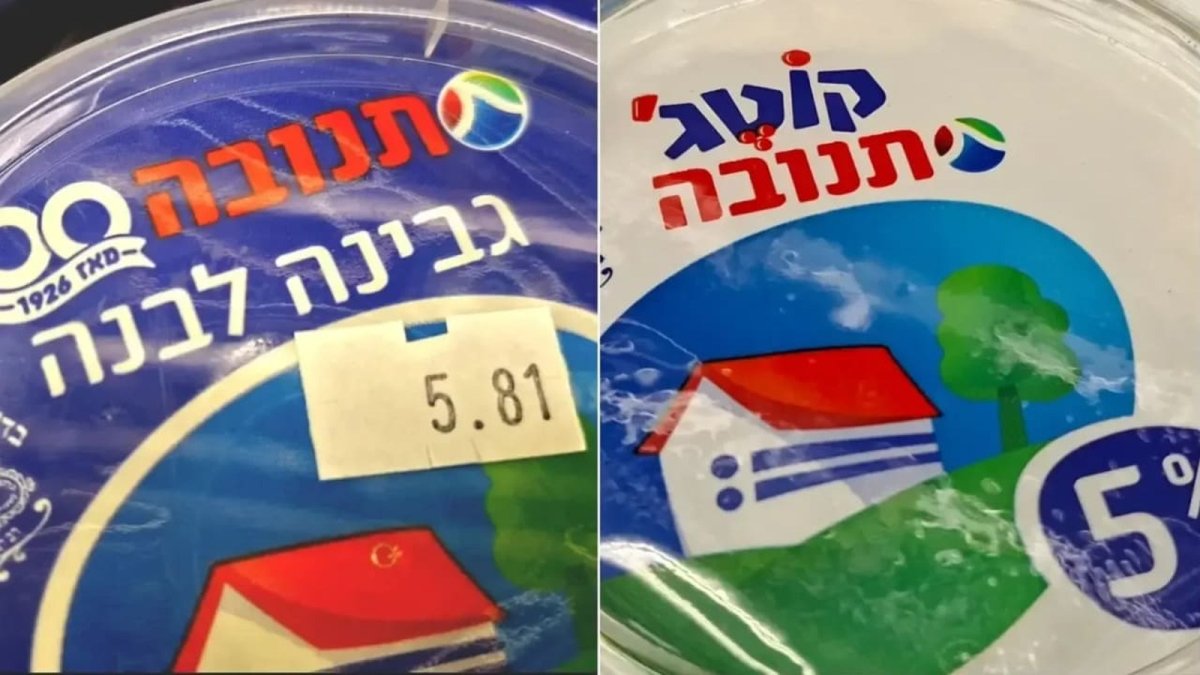
A Return to Normalcy on Dairy Shelves After nearly two months of frustrating shortages that saw cottage cheese and white cheese vanish from refrigerators across Israel, the crisis appears to be finally winding down.
A Return to Normalcy on Dairy Shelves
After nearly two months of frustrating shortages that saw cottage cheese and white cheese vanish from refrigerators across Israel, the crisis appears to be finally winding down. Over the past two days, retail chains across the country have reported that these staple dairy products can once again be found on shelves even in the evening hours—a stark contrast to recent weeks when shoppers would snatch tubs directly from stockers' crates, sometimes before the goods even reached the refrigerated displays.
The change on the ground has been palpable only in recent days, with goods remaining available throughout the day and into the night. For consumers in Tel Aviv, Jerusalem, Haifa, and beyond, the sight of fully stocked cottage cheese shelves marks a significant relief after weeks of daily scavenging and disappointment.
The Root of the Crisis: Alon Tavor's Automated Warehouse
The source of the disruption lay not in Tnuva's production lines, but deep within the automated warehouse system at the company's Alon Tavor dairy in the Lower Galilee. As reported by Walla, the cottage cheese was being produced, packaged, and prepared for distribution without issue. The bottleneck occurred in the warehouse's automated pallet movement system, which malfunctioned and prevented some of the finished products from reaching distribution trucks.
The system, operated by the German company Dematic, is a critical piece of infrastructure for Israel's largest dairy producer. The malfunction created a logistical logjam that rippled through the entire supply chain, affecting not just cottage cheese but eventually white cheese as well, given the interconnected nature of dairy production and distribution.
War, Remote Repairs, and Manual Operations
Compounding the technical difficulties was an unfortunate piece of timing. A visit by the Dematic team scheduled to arrive in Israel during Operation Roaring Lion was canceled due to the security situation. Instead of on-site repairs, Dematic staff attempted to assist Tnuva's teams remotely via phone and Zoom calls—a challenging proposition for a complex automated system requiring hands-on intervention.
Tnuva employees were forced to operate part of the system manually, a stopgap solution that allowed goods to be dispatched, though not at the usual supply pace. This manual operation meant that while products did leave the dairy, the volume was significantly reduced, creating the vacuum that consumers experienced in stores across the country.
From Cottage to White Cheese: A Cascade Effect
The ordeal began with cottage cheese, which disappeared from shelves even before the Shavuot holiday. For long weeks, retail chains struggled to receive the quantities they ordered from Tnuva, and in some branches, the product vanished shortly after arrival. As the shortage persisted, consumers adapted by turning to white cheese, causing demand for that product to surge rapidly.
Within a short time, a shortage of white cheese developed as well. The shelves usually filled with tubs of cottage and white cheese were instead stocked with labneh, sour cream, and other dairy products—a visible sign of the disruption that frustrated shoppers navigating the dairy aisle in search of their usual purchases.
Market Structure Amplifies the Impact
The shortage was especially noticeable due to the structure of Israel's dairy market. Tnuva is the country's largest producer in the white cheese category, holding a dominant position that makes any disruption in its supply chain immediately felt across the retail sector. Strauss, the other major player, holds approximately 30% of the market, but even that significant share was not enough to fill the gap left by Tnuva's reduced output.
This market concentration means that when Tnuva stumbles, the entire country feels it. Unlike other product categories where multiple suppliers can quickly ramp up production to cover shortfalls, the dairy sector's reliance on a few major producers makes it particularly vulnerable to logistical disruptions at any single facility.
Rising Demand Adds Pressure
Compounding the logistical problem was a roughly 4% increase in demand for dairy products since the beginning of the year. This uptick has been driven in part by a drop in the number of Israelis traveling abroad due to the ongoing security situation. With more Israelis staying home, domestic consumption of dairy products has risen, putting additional strain on an already stressed supply chain.
The combination of high demand and the gaps created since Shavuot made restocking particularly difficult. Any additional delay in Tnuva's distribution was felt immediately in retail stores, where empty shelves became a common and frustrating sight for consumers.
Restocking Takes Time
Market sources told Walla that rebuilding inventory and filling the vacuum created during the shortage took time. Even after Tnuva returned to supplying retail chains with normal quantities over the past two weeks, it took additional days for the effects to be felt at the consumer level. The supply chain operates on a lag, and the pipeline needed to be refilled before shelves could be fully stocked.
The process involved not just producing enough cottage and white cheese, but also ensuring that the automated warehouse system could handle the increased flow of goods. The manual operations that had been keeping the system running needed to be transitioned back to full automation, and any lingering issues in the pallet movement system had to be resolved.
Consumer Relief and Lingering Questions
For consumers who have spent weeks checking store shelves multiple times a day, the return of cottage and white cheese is a welcome development. The sight of fully stocked refrigerators in supermarkets from Petah Tikva to Beersheba has brought a sense of normalcy back to daily routines. However, questions remain about the resilience of Israel's dairy supply chain and whether similar disruptions could occur in the future.
The reliance on a single automated system at a key facility, combined with the challenges of remote technical support during security crises, highlights vulnerabilities that may need to be addressed. Tnuva and other dairy producers may need to consider backup systems and contingency plans to ensure that a single malfunction does not again lead to nationwide shortages.
Looking Ahead: Lessons for the Dairy Sector
As the immediate crisis fades, industry observers are likely to examine what can be learned from this episode. The shortage exposed weaknesses in the supply chain that had not been previously apparent, particularly the dependence on automated systems that require specialized technical support. The cancellation of the Dematic visit due to the war underscored how security situations can have unexpected ripple effects on civilian infrastructure.
For Tnuva, the past two months have been a test of crisis management and customer relations. The company's ability to maintain communication with retail chains and consumers during the shortage, and its efforts to restore normal supply levels, will likely be scrutinized in the coming weeks. The dairy giant's reputation for reliability has been somewhat tarnished, and rebuilding consumer trust will be an ongoing process.
A Stabilized Market, For Now
Now, after two weeks of supply at normal levels, the gaps finally appear to be closed. Retail chains report that cottage and white cheese are available throughout the day, and the frantic scenes of shoppers grabbing products from stockers' crates have subsided. The dairy aisle, once a source of frustration and anxiety, has returned to its familiar state of abundance.
For the Israeli consumer, this means a return to normal breakfast routines, with cottage cheese and white cheese once again available for salads, sandwiches, and the beloved Israeli breakfast spread. The crisis, while disruptive, has also served as a reminder of the importance of these humble dairy products in the daily lives of Israelis and the complex logistics that keep them on our tables.
Regional Context and Economic Implications
The dairy shortage also offers a window into broader economic dynamics in Israel. The 4% increase in dairy demand reflects a shift in consumer behavior driven by the security situation, with more Israelis staying home and consuming locally. This trend has implications beyond dairy, affecting everything from tourism to retail and food services.
The crisis also highlights the interconnectedness of Israel's economy with global supply chains and technology providers. The reliance on a German company for warehouse automation, and the challenges of maintaining such systems during times of conflict, underscores the need for greater self-sufficiency in critical infrastructure. As Israel continues to navigate a complex security environment, ensuring the resilience of essential supply chains will remain a priority for businesses and policymakers alike.
Final Thoughts: A Crisis Averted, Lessons Learned
The end of the cottage and white cheese shortage brings relief to millions of Israelis who have endured nearly two months of empty shelves and substitute products. While the crisis was ultimately resolved through a combination of manual operations, remote technical support, and time, it has left a lasting impression on consumers and industry professionals alike.
As Tnuva and other dairy producers move forward, the focus will be on ensuring that such a disruption does not recur. Whether through investments in backup systems, improved contingency planning, or enhanced communication with retail partners, the lessons of this period will likely shape the dairy sector's approach to supply chain management for years to come. For now, Israelis can once again enjoy their cottage and white cheese without worry—a small but significant comfort in uncertain times.
This article was produced with AI-assisted research and editorial support. Sources: The Jerusalem Post, Walla.
By Hannah Berg, Staff Writer
What's Your Reaction?
 Like
0
Like
0
 Dislike
0
Dislike
0
 Love
0
Love
0
 Funny
0
Funny
0
 Wow
0
Wow
0
 Sad
0
Sad
0
 Angry
0
Angry
0

Israel Correspondent at Global1.News. Based in Tel Aviv, covering Israeli politics, security, technology, and society. Provides balanced, deeply-sourced reporting on one of the most closely-watched regions in the world.















Comments (0)