
Colombia Car Bomb Tests New President Amid Regional Shifts
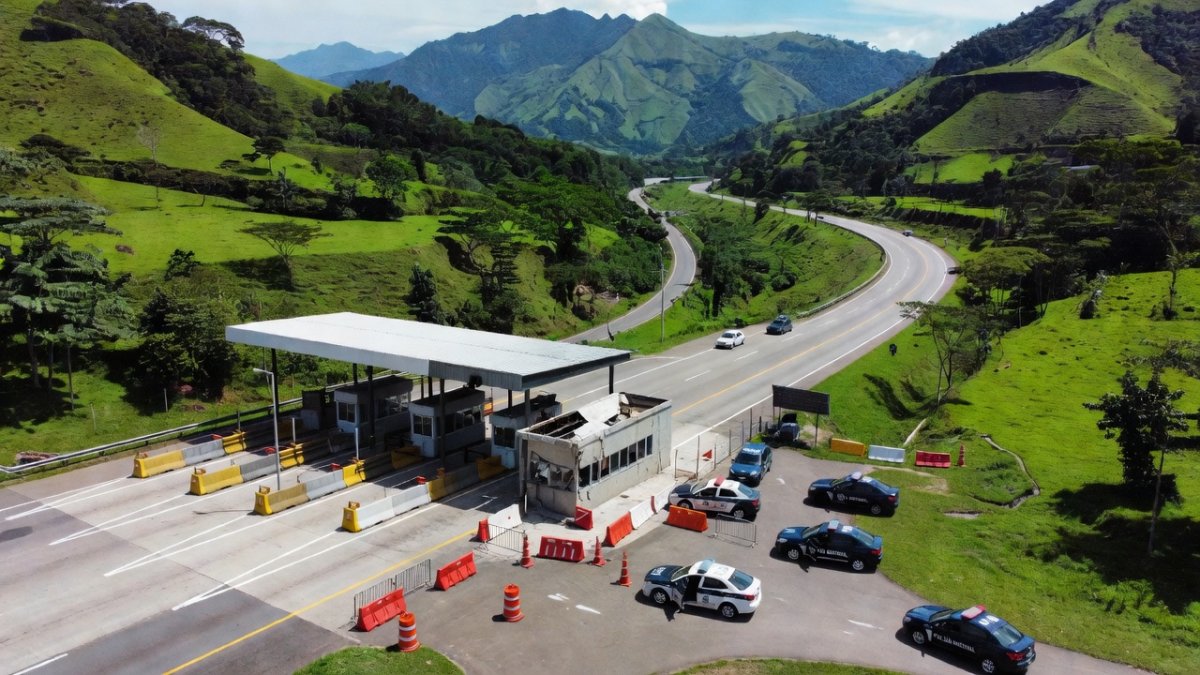
In a recent DW News report, a car bomb ripped through a toll plaza on Colombia’s Pan-American Highway in the department of Cauca, just one day after conservative lawyer Abelardo de la Espriella was sworn in as president in Cali. The explosion wounded two security guards and sent an unmistakable signal to the new administration that the armed groups behind decades of conflict are not retreating quietly.
In a recent DW News report, a car bomb ripped through a toll plaza on Colombia’s Pan-American Highway in the department of Cauca, just one day after conservative lawyer Abelardo de la Espriella was sworn in as president in Cali. The explosion wounded two security guards and sent an unmistakable signal to the new administration that the armed groups behind decades of conflict are not retreating quietly. For families across Latin America, the blast is a stark reminder that a security crisis in one nation quickly ripples through trade routes, border communities, and the everyday sense of safety in their own countries.
Colombia Car Bomb Tests New President Amid Regional Shifts
Cali, Colombia — Colombia’s new hard-line president is facing his first security test barely a day into office. Authorities say a car bomb exploded at a toll plaza on the Pan-American Highway in the coastal department of Cauca on Saturday, wounding two security guards in an attack the military attributes to FARC splinter groups.
Explosion Shakes Southwestern Colombia
The car bomb detonated at a toll plaza on the Pan-American Highway in Colombia's coastal department of Cauca on Saturday, August 8, 2026, just one day after conservative lawyer Abelardo de la Espriella was sworn in as president at the Pichincha Battalion military base in Cali.
Two security guards suffered minor injuries when an individual abandoned the vehicle and fled on a motorcycle, according to witnesses and Colombia's military, which attributed the blast to splinter groups from the former FARC rebels who disarmed after the 2016 peace accord.
Transportation Minister Elsa Noguera stated that Colombia will not kneel before violence and will protect infrastructure connecting its regions, echoing de la Espriella's inaugural pledge to restore order after ending predecessor Gustavo Petro's Total Peace dialogue strategy.
De la Espriella's Inaugural Pledges Signal Hard Line
De la Espriella, 48, a political newcomer from the conservative far-right, received the presidential sash from Senate President Honorio Henriquez during a 75-minute speech on Friday, August 7, 2026, where he declared the time had come to restore authority and freedom while giving criminal gangs two choices: submit to the rule of law or face the state's security forces.
He vowed to defeat narco-terrorism by eradicating illicit coca crops with aerial herbicides, bombing suspected drug boats and planes, shrinking the state by up to 40 percent, reviving the oil and gas sector, and joining the US Shield of the Americas program, while planning to cut ties with Cuba and Nicaragua and close 14 embassies.
These moves directly reverse Petro's approach, as the former left-wing president from 2022 has not recognized de la Espriella's narrow June runoff victory over leftist Senator Ivan Cepeda by less than 1 percent of the vote in Colombia's single four-year term system.
Colombia's six-decade armed conflict has left deep scars on rural communities where families still recall the daily fear of crossfire between state forces and insurgent groups. With the ELN reportedly preparing to abandon any remaining ceasefires and return to open hostilities, the Clan del Golfo expanding its control over key smuggling corridors, and FARC dissidents operating under alias commanders in remote strongholds, the new administration faces a fragmented battlefield that no single policy can easily contain. These overlapping threats, rooted in decades of land disputes and weak state presence, mean that any hard-line strategy must navigate not just military targets but the social networks that sustain these groups across generations of campesino life.
De la Espriella plans to lean heavily on the army and National Police for rapid operations, yet analysts question whether this militarized approach risks repeating the heavy-handed tactics of the Uribe years when aerial eradication campaigns destroyed vast coca fields but often failed to reduce overall production long-term. Community leaders in affected zones remember how those earlier efforts sometimes displaced families without offering sustainable alternatives, allowing armed groups to regroup quickly. Observers note that while short-term seizures rose during peak spraying periods, the underlying economic pressures on small growers frequently pushed cultivation into new areas, leaving many rural households caught between enforcement and survival.
Regional Rightward Shift Affects Mexican Priorities
The Colombian election forms part of a broader rightward turn across Latin America in Peru, Argentina, Chile, Ecuador, Bolivia, and Panama, where crime and weak economies have reshaped voter priorities away from the left-leaning policies once championed by Mexico's Morena party under the AMLO legacy and now the Sheinbaum administration.
Mexican officials at the Secretaría de Relaciones Exteriores have monitored these changes closely because increased Colombian pressure on coca production could redirect trafficking routes through Central America and into Mexican states like Sinaloa and Michoacán, where families in rural communities already face cartel violence tied to the same cocaine supply chain.
De la Espriella's plan to revive Colombia's oil and gas sector mirrors debates at Mexico's PEMEX and CFE over energy independence, raising questions for the Congreso de la Unión about whether bilateral energy cooperation could expand or face new hurdles under the new Colombian stance.
US Aid Announcement Ties Into Border Security
The US State Department announced on Friday its intent to provide 1 billion dollars in security assistance to support de la Espriella's administration, with acting attorney general Todd Blanche heading the US delegation at the Cali inauguration.
This funding arrives as Mexico's Guardia Nacional and FGR continue joint operations against fentanyl and cocaine flows, meaning any Colombian success in eradicating crops could ease pressure on Mexican maquiladora workers and small business owners in border cities like Tijuana and Ciudad Juárez who suffer from related extortion and instability.
De la Espriella's commitment to aerial herbicides also revives tactics once criticized by environmental groups in both countries, prompting analysts at Mexico's INEGI and CONEVAL to track potential spillover effects on campesino communities reliant on cross-border agricultural trade.
Opposition Marches Highlight Democratic Tensions
Senator Ivan Cepeda led a march on Friday in Barranquilla calling for peaceful civil disobedience and defense of democracy, reflecting divisions that echo Mexico's own polarized debates between Morena supporters and opposition parties like PAN and PRI in the Cámara de Diputados.
These protests occur against Colombia's six-decade armed conflict involving right-wing paramilitaries, left-wing rebels, government forces, and criminal networks, a history that Mexican teachers and healthcare workers in states like Oaxaca and Guerrero understand well from their own experiences with organized crime displacement.
De la Espriella's rejection of peace negotiations leaves armed groups with fewer options, a development that could influence how Mexico's SSPC coordinates with regional partners to protect migrant workers traveling through Central American corridors.
Human Impact on Families Across the Region
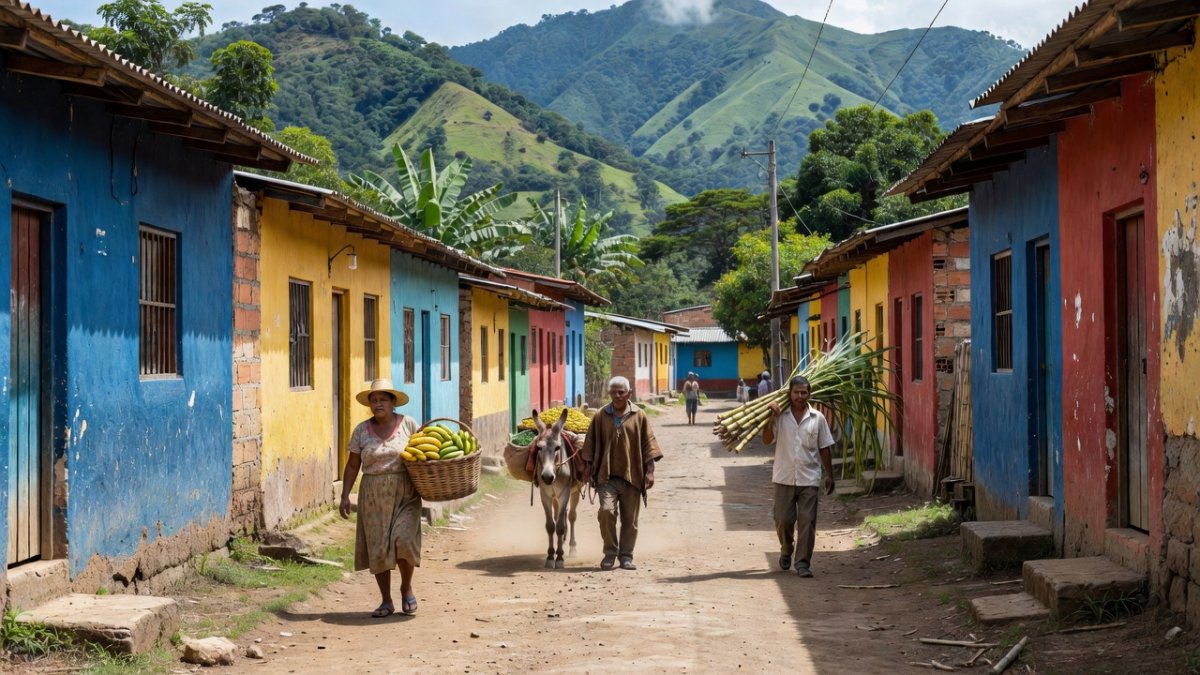
Colombia's status as the world's largest coca producer means the new hard-line policies will directly affect rural communities in Cauca and beyond, much as Mexican ejido farmers in Chiapas and Veracruz have endured decades of violence from cartels competing for the same illicit markets.
With two security guards injured in the toll plaza blast and infrastructure targeted, everyday Colombians in coastal departments face disrupted travel and commerce, paralleling the challenges faced by Mexican families in colonias near the US border who rely on stable highways for commerce and access to IMSS clinics.
De la Espriella's vow to shrink the state by 40 percent raises concerns for public sector workers in both nations, including those at Colombia's equivalent of Mexico's ISSSTE, about job security and service delivery in indigenous and rural areas already strained by conflict.
Campesino families across Colombia's coca-growing regions often turn to the crop as their only reliable source of income in areas where legal agriculture struggles against poor roads, limited credit, and volatile markets. When eradication arrives without meaningful alternative development programs, these households face sudden loss of livelihood, pushing parents to weigh risky migration or informal work that can expose children to greater danger. The absence of sustained support for switching to coffee, cacao, or other legal crops leaves entire communities vulnerable, as past efforts have shown that abrupt crop removal rarely breaks the cycle without addressing the deeper economic isolation felt by families in places like Cauca and Nariño.
Military operations tied to intensified enforcement can accelerate displacement, driving families from long-held plots in rural Cauca, Nariño, and Putumayo toward overcrowded urban fringes or across borders in search of safety and work. This pattern echoes experiences in Mexico where debates continue over Sembrando Vida's community-based support versus forced eradication approaches, with many Mexican rural families noting that voluntary programs sometimes preserve dignity and local knowledge better than sudden crackdowns. Observers suggest that without similar community-rooted options, Colombian families may endure repeated uprooting that weakens social ties and leaves children without stable schooling or healthcare access.
Why This Matters for Mexican Readers Today
The attack on the Pan-American Highway one day into the new presidency underscores how quickly security dynamics can shift in Latin America, with direct consequences for Mexico's SRE diplomacy, SEDENA border strategies, and the daily lives of students and small business owners who depend on regional stability for trade and remittances.
As de la Espriella moves to end Petro's Total Peace strategy and embrace aerial eradication, Mexican policymakers must prepare for possible changes in cocaine flows that could either reduce cartel competition or intensify turf battles in places like Monterrey and Guadalajara.
Ultimately, the events in Cauca remind communities from Mexico City to Mérida that security in one nation ripples across the hemisphere, influencing everything from family safety in tianguis markets to the broader fight against narco-terrorism that both countries continue to confront.
Mexican communities should watch closely as the US Congress considers the timeline for approving the announced one-billion-dollar security package and how quickly the Shield of the Americas initiative moves from announcement to on-the-ground coordination. Delays or shifts in funding priorities could affect joint operations against shared trafficking networks, influencing daily security conditions for families in Mexican border states already managing the ripple effects of cocaine flows. Clear implementation milestones will help local leaders anticipate changes in enforcement pressure that might redirect routes or alter cartel dynamics in states like Sinaloa and Michoacán.
De la Espriella's decision to cut diplomatic ties with Cuba and Nicaragua introduces new variables into Colombia-Mexico relations, potentially complicating regional forums where both nations have historically coordinated on migration and trade issues. As the 2026-2027 election cycle approaches, Mexico's Sheinbaum administration may need to navigate these shifts carefully to maintain cooperation on security while responding to domestic concerns about sovereignty and human rights. Families in both countries share an interest in policies that prioritize community stability over escalation, making the coming months a key period for tracking how these diplomatic moves shape everyday cross-border realities.
By Rosa Martinez, Staff WriterThis article was produced with AI-assisted research and editorial support. Reporting is based on sources cited in the article.
What's Your Reaction?
 Like
0
Like
0
 Dislike
0
Dislike
0
 Love
0
Love
0
 Funny
0
Funny
0
 Wow
0
Wow
0
 Sad
0
Sad
0
 Angry
0
Angry
0
Latin America/Andes Correspondent at Global1.News. Based in Bogota, covering politics, environment, energy, and social movements across the Andean region. Passionate about environmental journalism and communities protecting their land.














Comments (0)