
Cleveland Clinic Neurological Institute: Patient‑Focused Care
Meta Title: Cleveland Clinic Neurological Institute: Patient‑Focused Care Meta Description: Discover how Cleveland Clinic’s Neurological Institute blends cutting‑edge science with a patient‑first mind...
Why the Neurological Institute Matters
If you’ve ever wondered how a top‑tier hospital tackles everything from migraines to Parkinson’s, the Cleveland Clinic Neurological Institute is a great place to start. In a recent video posted by the clinic’s own channel, senior physicians and administrators walk us through their philosophy: put the patient at the center, then layer on the latest science. It’s a simple idea, but the way they execute it feels almost revolutionary in a field that can sometimes feel fragmented.
A Patient‑First Blueprint
The video opens with a clear statement: every decision begins with the patient’s goals and lifestyle. Rather than a one‑size‑fits‑all protocol, the Institute builds a “care map” that reflects where a person is now and where they want to be. For example, a middle‑aged runner dealing with early‑stage multiple sclerosis might prioritize preserving mobility, while an older adult with Alzheimer’s may focus on safety and quality of life. The team then tailors appointments, therapy schedules, and even the language they use to match those priorities.
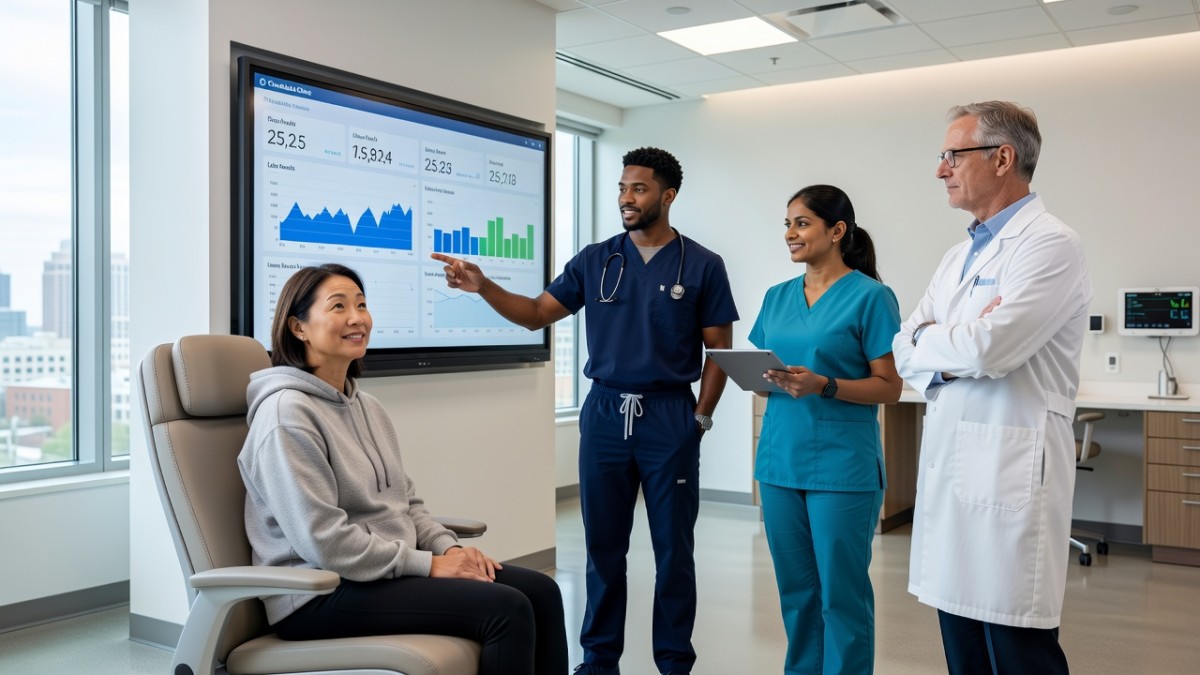
What’s refreshing is the transparency they promise. Patients receive a written summary after each visit that outlines the diagnosis, treatment options, and next steps. This isn’t just a handout; it’s a conversation starter that encourages patients to ask questions and stay engaged. In practice, that means fewer surprise phone calls and more confidence in the care plan.
Multidisciplinary Teams in Action
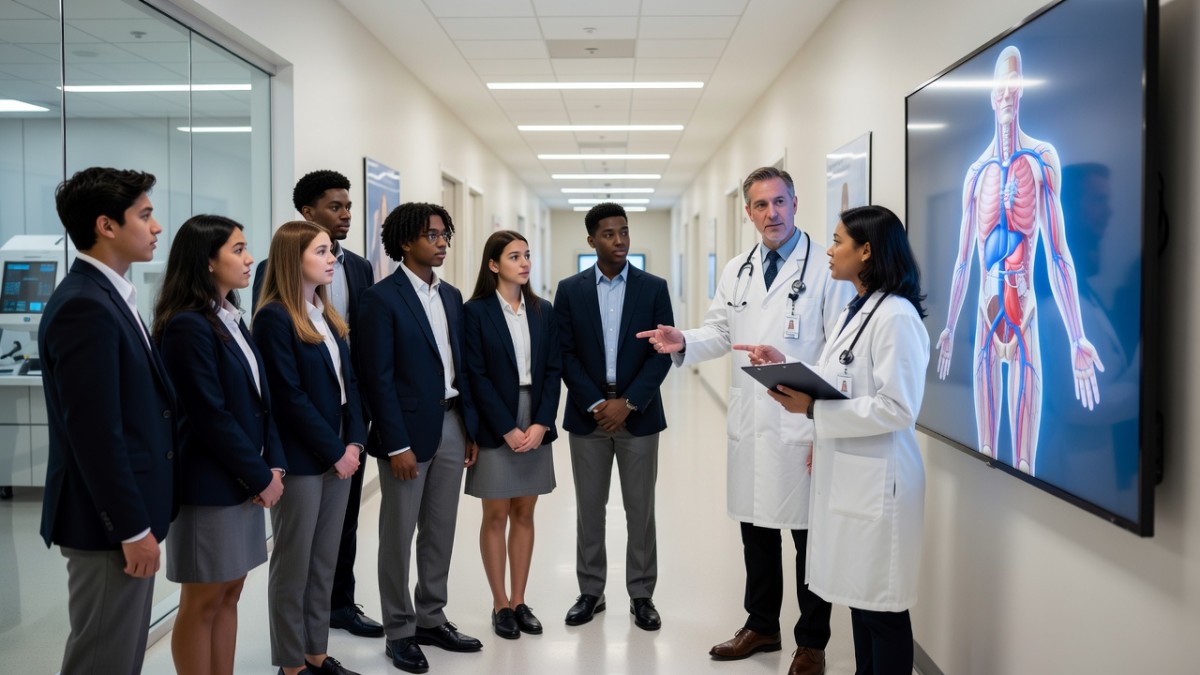
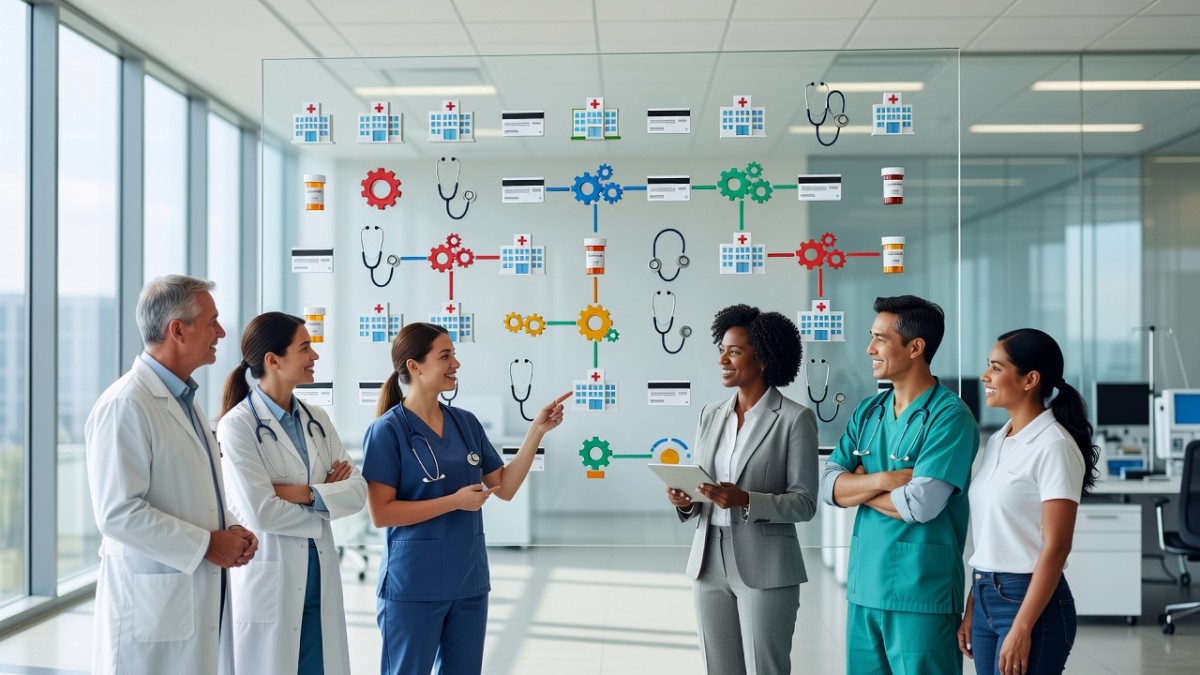
One of the most concrete takeaways from the video is the Institute’s “team‑based” model. Instead of seeing a neurologist, then a separate radiologist, and later a physical therapist, patients meet a coordinated group that includes all those specialists under one roof. The video shows a typical day in the clinic: a patient with a newly diagnosed brain tumor walks into a conference‑style room where a neurosurgeon, neuro‑oncologist, radiologist, and neuropsychologist sit together. They review the imaging, discuss surgical options, and consider the patient’s personal circumstances—all in real time.
This approach cuts down on redundant appointments and speeds up decision‑making. It also fosters a shared understanding among providers, so that when a patient leaves the clinic, every member of the care team is on the same page. The Institute even extends this model to virtual visits, using secure video platforms to bring together specialists who might be based at different campuses.
Cutting‑Edge Diagnostics and Treatments
When it comes to technology, the Cleveland Clinic Neurological Institute doesn’t shy away from the latest tools. The video highlights three key areas:
- Advanced neuroimaging: The Institute boasts 3‑Tesla MRI scanners and PET‑CT hybrid machines that can pinpoint disease activity at a molecular level. This level of detail helps doctors differentiate between similar‑looking conditions, such as distinguishing a benign tumor from a malignant one.
- Precision neuromodulation: For patients with chronic pain or movement disorders, the clinic offers deep brain stimulation (DBS) and spinal cord stimulation. The video walks through a typical DBS workflow—from pre‑operative mapping to post‑operative programming—showing how the team fine‑tunes electrical currents to restore function.
- Personalized pharmacology: Using genetic testing, the Institute can predict how a patient will metabolize certain medications. That means fewer trial‑and‑error prescriptions and a quicker path to symptom relief.
All of these technologies are woven into the patient‑first framework. For instance, before recommending surgery, the team will run a series of imaging studies and discuss the findings with the patient, ensuring they understand both the benefits and the risks.
Research That Feeds Clinical Care
What truly sets the Institute apart is its seamless integration of research and bedside care. The video points out that many of the clinicians are also principal investigators on clinical trials. This dual role creates a feedback loop: discoveries in the lab quickly translate into new treatment options for patients.
One concrete example mentioned is a trial on a novel antibody therapy for early‑stage Alzheimer’s. Patients who meet specific criteria can enroll directly through their neurologist, gaining access to a therapy that isn’t yet widely available. Even if a patient isn’t eligible for a trial, the research team still shares the latest findings during routine visits, helping patients stay informed about emerging options.
Beyond drug trials, the Institute runs a robust data‑analytics program. By aggregating outcomes from thousands of patients, they can identify patterns—like which rehabilitation protocols lead to the fastest recovery after a stroke. Those insights then shape the standard of care across the entire Cleveland Clinic network.
Community Outreach and Support Services
Patient‑centered care doesn’t stop at the clinic doors. The video emphasizes the Institute’s commitment to the broader community. They run monthly “Brain Health” workshops at local senior centers, offering free screenings for memory loss and balance issues. There’s also a robust tele‑health platform that connects patients in rural areas with the same specialist expertise found in Cleveland.
Support doesn’t end with medical treatment either. The Institute houses a dedicated neuro‑psychology department that provides counseling for patients coping with chronic neurological conditions. They also partner with local advocacy groups to help patients navigate insurance, disability benefits, and caregiving resources. In short, the Institute aims to be a one‑stop hub for everything a brain‑health patient might need.
Putting It All Together
Even if you don’t click on the video, the key messages are clear: Cleveland Clinic’s Neurological Institute is built around a simple premise—listen to the patient, then bring every tool in the medical toolbox to bear. By aligning multidisciplinary teams, cutting‑edge technology, active research, and community outreach, they’re trying to make the often‑complex journey of neurological care feel more like a guided tour.
For anyone grappling with a neurological condition, or even just curious about how modern medicine is evolving, the Institute’s model offers a glimpse of what the future could look like: personalized, transparent, and deeply collaborative. It’s a reminder that when healthcare puts people first, the science follows naturally.
By Allan Ali, PublisherThis article was produced with AI-assisted research and editorial support. Reporting is based on sources cited in the article.
What's Your Reaction?
 Like
0
Like
0
 Dislike
0
Dislike
0
 Love
0
Love
0
 Funny
0
Funny
0
 Wow
0
Wow
0
 Sad
0
Sad
0
 Angry
0
Angry
0

Publisher of Global1.News. Automation architect, systems builder, and the guy making sure the truth gets published.









Comments (0)