
CDSCO Bans Injectable Cosmetics: India's Drug Regulator Targets Glutathione Drips, Botox, and Fillers at Beauty Clinics
India's drug regulator, CDSCO, has banned injectable cosmetics including glutathione drips, Botox, and dermal fillers at beauty clinics. The crackdown targets unapproved products and unsafe procedures that pose serious health risks, from allergic reactions to cardiac arrest. Only qualified, board-certified doctors may now administer approved treatments under medical supervision, reshaping India's aesthetic medicine industry.
India's drug regulator has drawn a hard line that could reshape the country's booming aesthetic medicine industry: cosmetics, by law, cannot be injected. The Central Drugs Standard Control Organisation (CDSCO) issued a public notice in May 2026 declaring that injectable preparations — including glutathione drips, Botox, and dermal fillers — do not fall within the legal definition of cosmetics under the Drugs and Cosmetics Act, 1940, and therefore cannot be marketed, sold, or administered as such. The move targets a market valued at over $600 million and growing at 13.3% annually, where unqualified practitioners in salons and wellness clinics have been administering unapproved "glow shots" and "bridal whitening drips" with alarming frequency.
CDSCO Bans Injectable Cosmetics: India's Drug Regulator Targets Glutathione Drips, Botox, and Fillers at Beauty Clinics
New Delhi, India – August 10, 2026 — The Central Drugs Standard Control Organisation (CDSCO), operating under the office of the Drugs Controller General (India), issued a public notice dated May 18-19, 2026, that has sent shockwaves through India's aesthetic medicine sector. The notice is unambiguous: cosmetics under the Drugs and Cosmetics Act, 1940, are only meant to be "rubbed, poured, sprinkled or sprayed" on the body for cleansing, beautifying, or promoting attractiveness. Injectable preparations do not meet this definition. "No cosmetic is permitted to be used as an injection by consumer/ professionals/ aesthetic clinics," the regulator stated, effectively creating a de facto ban on the category of "injectable cosmetics" — products with no legal route for manufacture, import, or sale as cosmetics in India.
The advisory specifically targets a litany of popular treatments: glutathione injections and drips, Botox, dermal fillers, anti-ageing cocktails, skin "brightening" therapies, IV beauty therapies, wellness "glow" treatments, "bridal whitening drips," and "instant glow boosters." For a nation where the medical aesthetics market was valued at $607.27 million in 2025 and is projected to reach $1,319.27 million by 2031 (a compound annual growth rate of 13.3%, according to MarketsandMarkets), this regulatory intervention marks a pivotal moment. The question now is whether enforcement can match the scale of an industry that has exploded over the last decade, fuelled by social media trends, celebrity endorsements, and a growing demand for "preventive anti-ageing" among younger consumers.

The Legal Framework: Why Cosmetics Cannot Be Injected
The CDSCO's notice is rooted in a straightforward statutory interpretation. The Drugs and Cosmetics Act, 1940, defines cosmetics as articles intended to be rubbed, poured, sprinkled, or sprayed on, introduced into, or otherwise applied to the human body for cleansing, beautifying, promoting attractiveness, or altering the appearance. The key phrase is "applied to" — not "injected into." The regulator's notice clarifies that cosmetics are for external application only, not for treatment purposes. This distinction is critical: once a substance is injected, it ceases to be a cosmetic and becomes a drug, subject to a far more rigorous approval process involving clinical trials, safety data, and manufacturing standards under the Cosmetics Rules, 2020.
The notice also warns against misleading, false, or deceptive claims and prohibited ingredients, referencing the Bureau of Indian Standards (BIS) Restricted and General Non-Restricted Articles in Schedule (GNRAS) list. Tampering with product labels or manufacturer markings is explicitly prohibited. Violations attract enforcement action, and the public has been urged to report any instances of injectable cosmetics being marketed or administered. Legal experts note that clinics making medical or therapeutic claims for these products could face action under a dual pathway — both the 1940 Act and the 2020 Cosmetics Rules — which significantly raises the stakes for offenders.
The Booming Market: A ₹5,800-Crore Industry Under Scrutiny
The scale of the industry targeted by this advisory is staggering. Industry sources cited by brandsawareness place India's aesthetic medicine market at approximately ₹5,800 crore, with services that were once limited to elite dermatology centres now available in malls, salons, and online-led wellness chains. India Today's investigation, published May 21, 2026, by Sumi Sukanya Dutta, described "Botox parties in upscale salons" and "glutathione skin whitening drips in neighbourhood aesthetic clinics" as commonplace. The market's growth has been propelled by social media influencers normalising injectable procedures, celebrity endorsements, and a cultural shift toward "preventive anti-ageing" — with consumers in their late 20s and early 30s seeking treatments to forestall the visible signs of ageing.
This democratisation of aesthetic medicine has a dark side. The CDSCO's advisory specifically calls out the "casual use" of these products by unqualified individuals in salons and wellness clinics. Dr Kabir Sardana, a veteran dermatologist, captured the gravity of the situation: "Consumers are often made to believe these injections are harmless beauty enhancers, while many products are being used in ways never approved under the law. There is a dangerous overlap today between cosmetics, drugs and aesthetic procedures, and patients frequently do not know what exactly is being injected into them." This lack of transparency about ingredients, dosage, and regulatory approval status is at the heart of the regulator's concern.
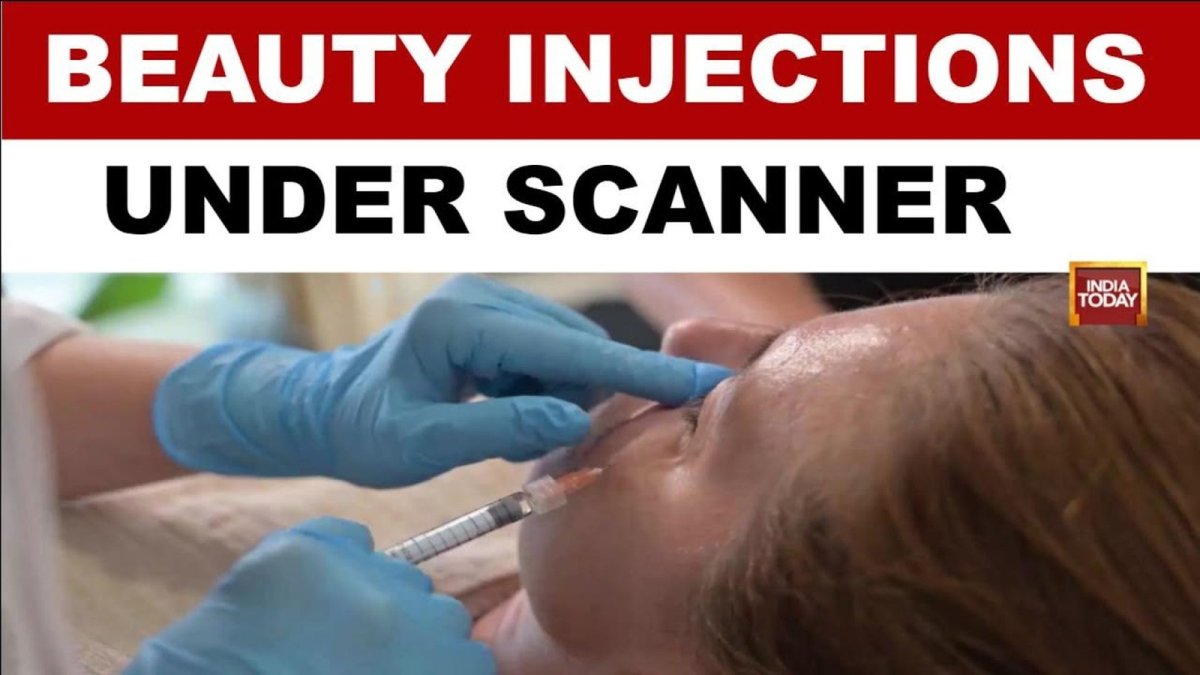
Health Risks: From Allergic Reactions to Cardiac Arrest
The health consequences of unregulated injectable cosmetics are not theoretical. The CDSCO's notice cites severe allergic reactions, skin infections, nerve damage, kidney and liver complications, blood vessel blockage, and long-term skin problems as documented risks. These risks are magnified in salons and small clinics that lack emergency care facilities. The most high-profile case is that of actress Shefali Jariwala, who died on June 27, 2025, at age 42, reportedly from cardiac arrest. Sources suggest she may have taken a cosmetic anti-ageing injection containing glutathione and Vitamin C on an empty stomach, potentially triggering a sudden blood pressure drop leading to cardiac arrest. The cause remains under investigation, but the case has become a cautionary tale.
Another documented case involves a 46-year-old woman who developed serum sickness — a Type III hypersensitivity reaction — nine days after receiving a cosmetic Botox injection. She presented with hives, fever, joint pain, and abdominal swelling, traced to albumin in the Botox formulation. Dr Ranjit Bhosale, a plastic and reconstructive surgeon, highlights the systemic nature of the problem: "There is a dangerous rise in untrained practitioners performing injectable cosmetic procedures including glutathione drips, bio-stimulators, peptides, and anti-ageing injections. These are marketed as simple beauty fixes on social media, creating a false perception that anyone can do it. The real concern lies in the ability to recognise and manage serious complications."
Enforcement and State Action: TGDCA and Beyond
The CDSCO's advisory is not merely symbolic. On June 3, 2026, Telangana Today reported that the directive strengthens the Telangana Drug Control Administration (TGDCA) to inspect facilities offering "glow shots" and "skin boosters." The state regulator is now empowered to conduct inspections and has urged the public to report violations. This state-level enforcement is critical, as India's drug regulatory framework operates through a central-state partnership: while the CDSCO sets policy and approves drugs, state drug control administrations are responsible for local enforcement, inspections, and prosecutions.
The CDSCO has also demonstrated its willingness to act on specific violations. In a related case, the regulator cancelled the registration of Telangana-based Glow Global LLP, which was importing a face cream containing alpha hydroxy acids at twice the permitted concentration, accompanied by misleading "patient tolerance" claims. This action signals that the regulator is scrutinising not just injectables but the entire spectrum of cosmetic products making exaggerated claims. The National Medical Commission (NMC) has issued guidelines stating that cosmetic and aesthetic procedures should be performed only by qualified dermatologists, plastic surgeons, and trained aesthetic physicians — but enforcement has been inconsistent across states, a gap the CDSCO's new advisory seeks to close.
What This Means for Consumers: Buyer Beware
For Indian consumers, the CDSCO's advisory is a wake-up call. The regulator is not banning medically approved aesthetic procedures — qualified and board-certified doctors may still administer treatments for appropriate purposes using safe doses under proper medical supervision. What is being banned is the casual, unregulated administration of these substances as if they were beauty products. The distinction matters. A Botox injection administered by a board-certified dermatologist in a hospital setting is a medical procedure; the same injection administered by a salon technician in a mall is now explicitly illegal.
Consumers must now ask pointed questions before undergoing any injectable procedure: Is the practitioner a qualified doctor? Is the product approved by the CDSCO for injectable use? What are the ingredients and dosages? Is emergency resuscitation equipment available on-site? The advisory's emphasis on reporting violations suggests that public vigilance will be a key enforcement tool. The regulator has effectively shifted some responsibility onto consumers to verify the legitimacy of the treatments they receive — a significant burden in a market where social media influencers routinely promote injectable procedures as safe, simple, and glamorous.
The Global Context: A Worldwide Crackdown
India's regulatory action aligns with a broader global trend. The US Food and Drug Administration (FDA) has warned against glutathione powder used in injectable drugs, citing adverse events linked to endotoxin contamination. In 2026, a Texas pharmacy recalled compounded glutathione vials after FDA inspection revealed significant safety concerns. These international actions lend credibility to the CDSCO's position and suggest that India is not acting in isolation but rather catching up with global regulatory standards. The Worldover noted on June 3, 2026, that the CDSCO's clarification serves as a de facto ban on the "injectable cosmetics" category — closing off the legal pathway for such products to be made, imported, or sold as cosmetics in India, and bringing the country in line with stricter international norms.
However, the global context also reveals a regulatory gap: while drugs are strictly regulated, the cosmetic industry has historically operated with lighter oversight. The CDSCO's advisory attempts to bridge this gap by clarifying that the moment a product is injected, it crosses from the cosmetic regulatory regime into the drug regulatory regime — with all the attendant requirements for clinical trials, safety data, and manufacturing standards. This is a significant legal clarification that could have ripple effects across the industry, from manufacturers and importers to clinics and individual practitioners.
Expert Perspectives: The Medical Community Weighs In
The medical community has largely welcomed the CDSCO's advisory, though with caveats. Dr Sardana's warning about the "dangerous overlap between cosmetics, drugs and aesthetic procedures" reflects a broader concern among dermatologists that the aesthetic medicine boom has outpaced regulation. Dr Bhosale's emphasis on the inability of untrained practitioners to manage complications underscores the patient safety imperative. Both experts agree that the crackdown does not target legitimate medical practice — it targets the dangerous grey market that has flourished in the absence of clear regulatory guidance.
Legal experts point out that clinics asserting medical or therapeutic benefits for injectable cosmetics could face regulatory action under the 1940 Act and the 2020 Cosmetics Rules. This dual enforcement pathway means that even if a product is not explicitly banned, marketing it for therapeutic purposes — such as "skin brightening" or "anti-ageing" — could constitute a violation. The advisory's reference to misleading advertisements suggests that the regulator is also scrutinising the marketing ecosystem, including social media promotions by influencers and celebrities, which have been instrumental in normalising injectable procedures.
The Bottom Line: A Defining Moment for Indian Aesthetic Medicine
The CDSCO's advisory is a defining moment for India's aesthetic medicine industry. It draws a clear legal line between cosmetics and drugs, between external application and injection, and between qualified medical practice and unregulated beauty treatments. For the ₹5,800-crore industry, this means a period of adjustment: clinics must now ensure that all injectable procedures are performed by qualified doctors using approved products, and that they have the emergency care infrastructure to manage complications. For consumers, it means greater vigilance and a responsibility to verify the credentials of practitioners and the regulatory status of products.
The market will not disappear — the demand for aesthetic procedures is too deeply entrenched in India's urban middle class, and the projected growth to $1.3 billion by 2031 suggests continued expansion. But the nature of that growth will change. The era of "Botox parties in upscale salons" and "glutathione drips in neighbourhood clinics" is coming to an end. What replaces it will be a more regulated, safer, and more professional aesthetic medicine sector — one where the line between beauty and medicine is clearly drawn, and where patient safety takes precedence over profit. The CDSCO has set the rules; now the industry must decide whether to comply or face the consequences.
— By Dr. Raj Patel, Staff Writer
This article was produced with AI-assisted research and editorial support. Reporting is based on sources cited in the article.
What's Your Reaction?
 Like
0
Like
0
 Dislike
0
Dislike
0
 Love
0
Love
0
 Funny
0
Funny
0
 Wow
0
Wow
0
 Sad
0
Sad
0
 Angry
0
Angry
0

India/South Asia Correspondent at Global1.News. Analytical voice with a background in science and health journalism. Based in New Delhi, covering Indian politics, education, healthcare, technology, and policy. Breaks down complex data into clear, actionable reporting.















Comments (0)