
US Unveils New Tariffs Impacting Philippine Trade and Farmers
The latest ANC 24/7 broadcast on November 26, 2026 highlighted a sweeping move by the United States to impose fresh tariffs on fourteen of its major trading partners.
The latest ANC 24/7 broadcast on November 26, 2026 highlighted a sweeping move by the United States to impose fresh tariffs on fourteen of its major trading partners. Among those partners is the Philippines, a nation whose export-driven economy and overseas Filipino workers feel the tremors of any shift in Washington’s trade policy. In the video report, correspondents traced the potential ripple effects of the tariff regime on everything from rice and coconut exports to the cost of everyday goods in barangays across Luzon, Visayas, and Mindanao. As the United States rolls out these measures, the Philippine government, private sector, and ordinary families are left to assess how the new duties will reshape their livelihoods and the broader dynamics of the bilateral relationship.
What the New Tariff Package Entails
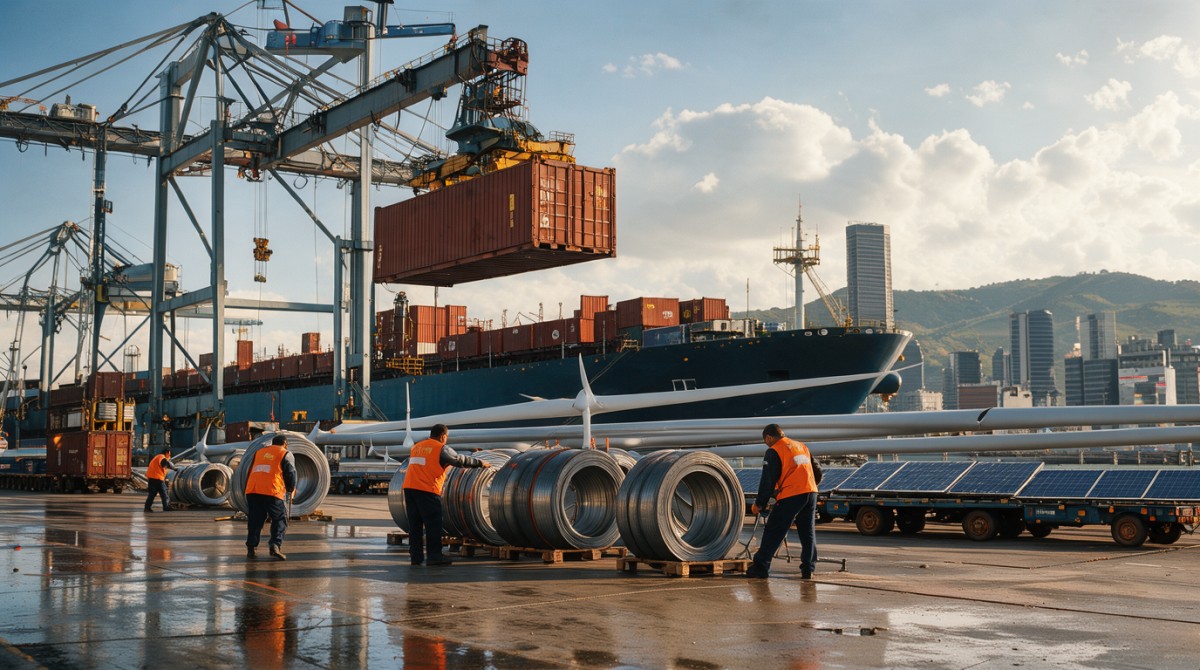
The Trump administration, now back in power, announced a fresh wave of tariffs aimed at fourteen of America’s key trading partners. While the video did not enumerate every product line, it emphasized that the tariffs target a mix of agricultural commodities, manufactured goods, and select services. The Philippines is listed among the nations that will see higher duties on several export categories, a development that could alter the flow of trade between Manila and Washington.
According to the ANC footage, the tariff rates vary by sector, with some duties climbing to double‑digit percentages. The United States framed the move as a response to perceived unfair trade practices and a bid to protect domestic industries. The report noted that the tariff announcement came just weeks after the U.S. Treasury signaled a broader review of trade imbalances, suggesting a strategic shift toward a more protectionist stance.
In the context of the Philippines, the most immediate concern is the impact on agricultural exports such as coconut oil, bananas, and other tropical produce that have traditionally found a ready market in the United States. The video also mentioned that certain manufactured items, including electronics components and apparel, could face higher entry costs, potentially affecting the supply chain of factories that rely on U.S. raw material imports.
Potential Fallout for Filipino Farmers and Exporters
For the millions of Filipino farmers who depend on overseas markets, the tariff hike threatens to shrink demand for their products. Coconut farmers in the Visayas, who have long benefited from steady U.S. purchases, may see orders dip as American buyers look for cheaper alternatives or shift to domestic supplies. The report highlighted that even a modest increase in duties can translate into higher prices for end consumers, which could dampen the competitiveness of Philippine produce.
Exporters in the Department of Trade and Industry (DTI) have already expressed concern that the new tariffs could erode the gains made after the Philippines secured preferential market access under previous trade agreements. The video captured statements from DTI officials warning that the tariffs could force exporters to seek new markets, a process that requires time, resources, and the building of new trade relationships.
Beyond agriculture, small‑scale manufacturers that supply parts to U.S. tech firms may face higher input costs if the tariffs extend to raw materials sourced from America. This could lead to a slowdown in production, layoffs, or a shift in investment away from export‑oriented factories, affecting the livelihoods of workers in industrial barangays and the broader economic health of regions like Calabarzon and Central Luzon.
Government Response and Policy Options
In Manila, the administration is weighing its diplomatic and economic options. The video noted that the Marcos administration has dismissed claims that it considers Vice President Duterte a public enemy, signaling a desire to maintain a stable political environment even as trade tensions rise. Meanwhile, the Department of Finance is reportedly reviewing the tariff schedule to identify sectors that could be shielded through temporary subsidies or tax relief.
Officials from the Office of the President are also in talks with the United States to seek exemptions or negotiate lower rates for critical commodities. The ANC report suggested that the Philippines may leverage its strategic partnership with the U.S., especially in defense and security cooperation, to negotiate more favorable terms.
In parallel, the Senate and House of Representatives are expected to hold hearings on the tariff impact, inviting testimonies from farmers, exporters, and consumer groups. Such legislative scrutiny could lead to the passage of relief measures, such as increased support for the Department of Agriculture’s price stabilization programs, or the allocation of funds to help affected businesses transition to alternative markets.
Impact on Filipino Households and Consumer Prices
Higher tariffs on imported goods often translate into higher retail prices for Filipino consumers. The video highlighted that items like American-made appliances, electronics, and even certain food products could become more expensive as importers pass on the added duties. For families already coping with inflationary pressures, this could tighten household budgets and affect spending on essentials.
Barangay leaders across the archipelago have begun to voice concerns about the potential rise in the cost of living. In some rural communities, where remittances from overseas Filipino workers (OFWs) form a vital source of income, any dip in purchasing power could reduce the ability of families to support their local economies, from sari‑sari stores to community projects.
Consumer advocacy groups, as reported in the ANC segment, are calling for the government to implement price controls on essential goods and to monitor the market for any price gouging. They argue that a coordinated response, including public awareness campaigns, can help mitigate the shock to ordinary Filipinos.
Broader Geopolitical Implications
The United States’ tariff announcement arrives amid a complex geopolitical landscape. The video noted that the defense team of former President Rodrigo Duterte is opposing his impending crimes against humanity trial at The Hague, while impeachment prosecutors express disappointment with upcoming witnesses. These domestic legal battles underscore a period of political turbulence that could affect the Philippines’ capacity to negotiate trade issues.
Nevertheless, the Philippines remains a strategic ally of the United States in the Indo‑Pacific, particularly in defense cooperation and maritime security. The ANC report suggested that Washington may be using trade policy as leverage in broader strategic negotiations, a tactic not unfamiliar in past administrations.
Regional partners, such as Japan and the European Union, are watching the U.S. move closely. Their own trade policies could shift in response, offering the Philippines alternative avenues for export growth. The video hinted that the Philippines might deepen ties with these partners to offset any losses from the U.S. market, a strategy that could reshape regional trade patterns in the coming years.
What Comes Next for Filipino Stakeholders
As the tariff regime rolls out, the next weeks will be crucial for Filipino exporters, farmers, and policymakers. The ANC footage emphasized that the United States will implement the duties in a phased manner, giving affected countries time to adjust. This timeline provides a narrow window for the Philippines to negotiate exemptions, seek compensatory measures, and diversify its export destinations.
Industry groups are already mobilizing to lobby for relief. The Philippine Exporters Confederation is preparing a position paper that outlines the sectors most vulnerable to the tariff hike and proposes a set of counter‑measures, including expedited customs procedures and promotional assistance for market diversification.
Meanwhile, ordinary citizens are urged to stay informed through community forums, barangay assemblies, and local media. By understanding how the tariffs may affect the price of everyday goods, families can better plan their budgets and advocate for supportive policies from their elected officials.
In sum, the United States’ fresh wave of tariffs marks a significant shift in the trade landscape that will reverberate through the Philippine economy and daily life. As the story unfolds, the resilience of Filipino communities, the agility of our policymakers, and the strength of our diplomatic ties will determine how well we navigate this challenge and protect the livelihoods of millions of Filipinos.
By Bella Reyes, Staff Writer
This article was produced with AI-assisted research and editorial support. Reporting is based on the source material cited below. Sources: ANC 24/7 video report (27 November 2026); ANC 24/7; Global1.News
What's Your Reaction?
 Like
0
 Dislike
0
 Love
0
 Funny
0
 Wow
0
 Sad
0
 Angry
0

Philippines/Southeast Asia Correspondent at Global1.News. Manila-based journalist covering Philippine politics, environment, maritime security, and social issues. Passionate about marine conservation and the communities protecting the Philippines' natural heritage.











Comments (0)