
Vodafone to triple Safaricom’s data center footprint to 35MW
Vodafone’s latest push to bulk‑up its Safaricom data centre footprint is a textbook case of a telco‑turned‑hyperscaler trying to muscle into the African market with the kind of “sovereign AI” hype that sounds great on a press release but leaves independent providers scrambling to keep up.

Vodafone’s latest push to bulk‑up its Safaricom data centre footprint is a textbook case of a telco‑turned‑hyperscaler trying to muscle into the African market with the kind of “sovereign AI” hype that sounds great on a press release but leaves independent providers scrambling to keep up. The numbers are simple: Safaricom runs about 9 MW across six sites today, and Vodafone says it will jump to 35 MW spread over two “central data centres”. That’s a more than three‑fold increase, and it comes at a time when the whole Safaricom‑Vodacom deal is still tangled in court. The reality on the ground, however, tells a more nuanced story about risk, capacity planning and the limits of “best practice” when you’re actually running servers for customers.
Why the expansion matters – and why it’s risky
Vodafone’s H1 2027 results highlighted a 40 percent organic rise in business services revenue, driven largely by connectivity and “digital services” that include data centre usage. That growth narrative is what fuels the push to triple capacity. From a founder’s perspective, a jump to 35 MW sounds impressive, but the devil is in the deployment details that Vodafone has not disclosed. No split between Kenya and Ethiopia, no timeline, no clear architecture. For an independent host, that kind of vague expansion plan is a red flag: it suggests a reliance on headline‑grabbing capacity numbers rather than a grounded, phased rollout that accounts for power, cooling and network latency.
Moreover, the expansion is being pursued while the ownership of Safaricom itself is in legal limbo. The High Court declared the share purchase void in September 2026, and an appeal is still pending. That uncertainty can stall financing, delay construction permits, and ultimately jeopardise the promised capacity. Independent operators watching this move have to factor in the risk that a large‑scale project could be put on ice, leaving a gap in the market that nimble hosts can exploit.
The existing footprint – a reality check
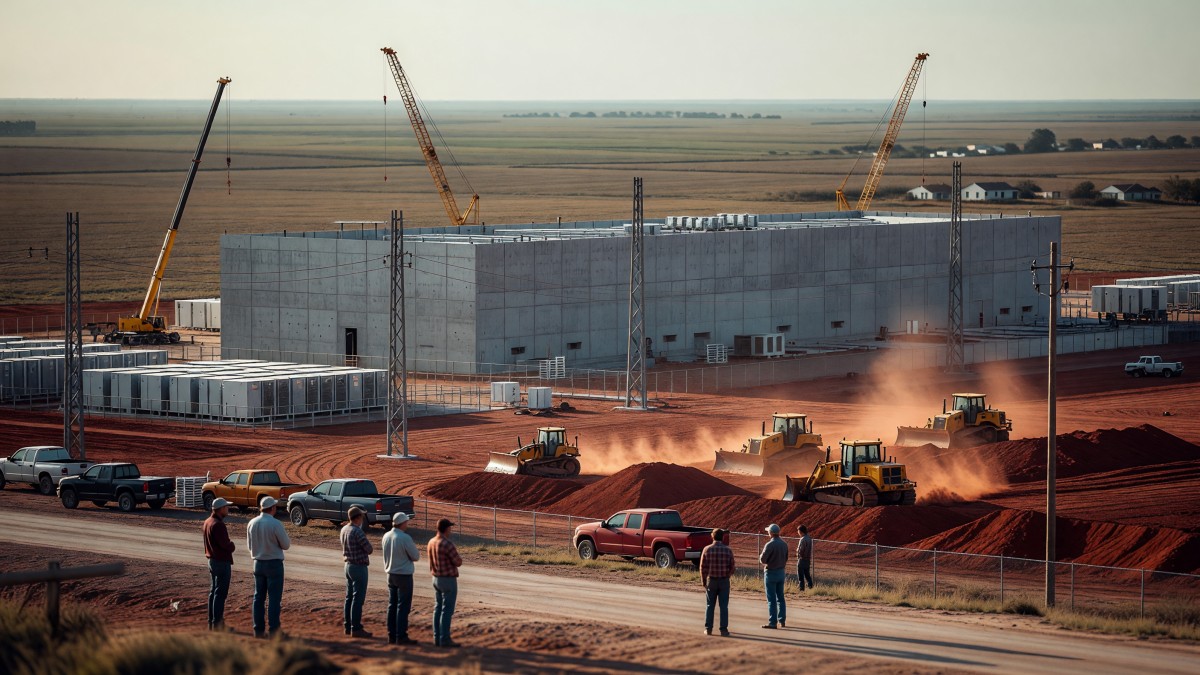
Safaricom’s current footprint of 9.1 MW is spread across six facilities: three sites around Nairobi, one in Kisumu City, one in Thika, and two in Addis Ababa, Ethiopia. The newest campus outside Nairobi, in the Redhill area of Limuru, is slated for 2.8 MW across three buildings when fully built out. That gives a sense of the scale and distribution of existing assets. For a host, the lesson is clear: capacity is often fragmented, and scaling up means either consolidating into larger hubs or adding more edge sites – each with its own cost and operational overhead.
The iXAfrica partnership, announced in 2025, adds another layer. iXAfrica’s NBOX1 Nairobi Campus can deliver up to 22.5 MW, positioning it as a significant regional player. The partnership to deliver “East Africa’s first AI‑ready data centre services” shows that local firms are already moving into the high‑performance space that Vodafone is courting with “GPU‑as‑a‑service”. Independent hosts can’t ignore that the market for AI‑ready infrastructure is heating up, but they also need to watch how quickly they can spin up the necessary power and cooling without over‑committing capital.
Hyperscaler pricing vs. local economics
Vodafone’s plan to brand the new sites as “sovereign AI” hubs is a clear attempt to command premium pricing, much like the big cloud players do in Europe and North America. The reality in Kenya and Ethiopia, however, is that power costs, import duties on server hardware, and limited local talent for high‑density operations keep margins thin. Independent providers that have been in the region for a decade know that a 2.8 MW build in Limuru can cost significantly more per kilowatt than a similar build in a mature market, simply because you’re importing everything and paying for unreliable grid power.
When Vodafone talks about “GPU‑as‑a‑service”, they’re likely to price it at a level that assumes economies of scale that simply don’t exist yet in East Africa. This creates an opening for smaller hosts to undercut on price by leveraging existing infrastructure, especially if they already have power agreements or on‑site generation. The risk for Vodafone is that if they price too high, customers will stay with local hosts that can offer comparable performance with lower latency and better local support.
Operational challenges of a three‑fold capacity jump
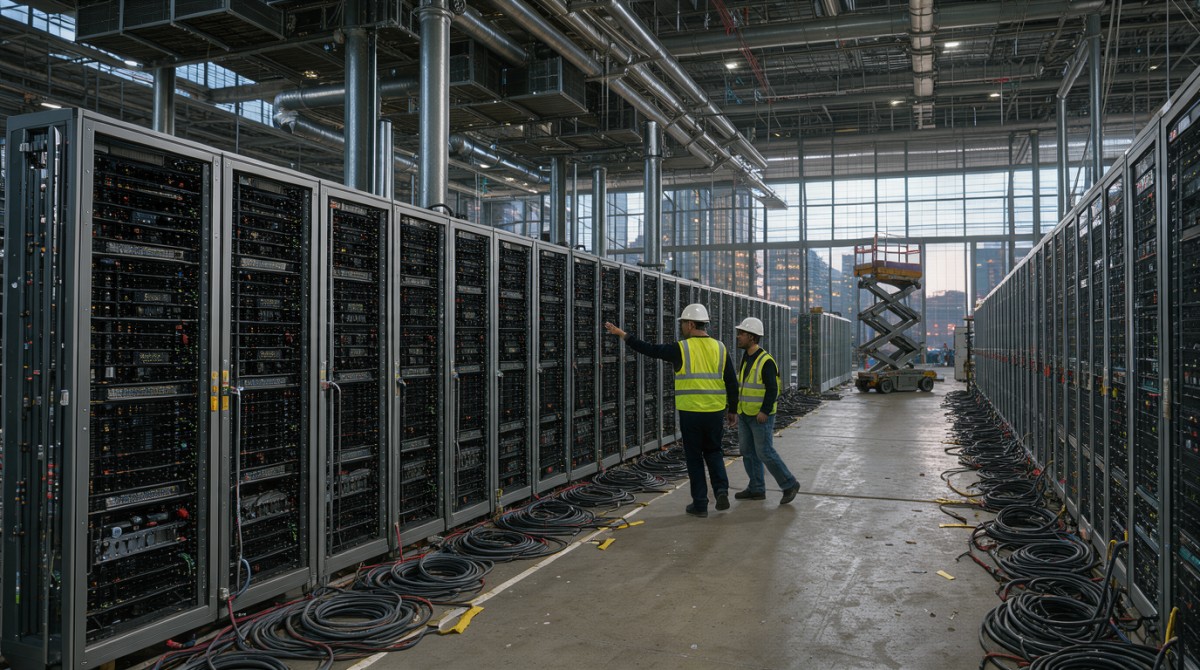
Scaling from 9 MW to 35 MW isn’t just a matter of buying more rack space. It means re‑architecting power distribution, cooling, and network topology. In my own experience, a 10 MW facility in the Caribbean required a dedicated sub‑station, redundant diesel generators, and a chilled water plant sized for peak loads. If Vodafone’s two central sites are meant to serve both Kenya and Ethiopia, they’ll need cross‑border fibre redundancy, which adds another layer of complexity and cost.
The fact that Vodafone has not disclosed how the capacity will be split between the two countries suggests they may be planning a single mega‑site with remote edge nodes, a model that works for hyperscalers with deep pockets but can be fragile in regions where power stability and network reliability are still evolving. Independent hosts that have built out multiple smaller sites can often deliver higher availability by diversifying risk across locations.
Strategic implications for the regional market
Vodafone’s expansion is part of a broader push that includes new sovereign data centres in Egypt and Turkey, and a partnership with Elsewedy Electric and Cassava Technologies in Egypt. This signals a coordinated effort to lock down “sovereign” capacity across multiple geographies, likely to appeal to governments and regulated industries. For East Africa, the immediate impact will be increased competition for power contracts and skilled staff, driving up costs for everyone.
However, the legal uncertainty around the Safaricom share purchase could slow down the rollout, creating a window for local players to cement relationships with enterprise customers who need immediate capacity. Companies that can promise a quick spin‑up, say within a few months, will have an edge over a project that may take years to materialise under court‑bound delays.
Actionable advice for independent hosts
First, double‑down on power resilience. If you haven’t already, secure on‑site generation or long‑term power purchase agreements that can survive grid fluctuations. Second, focus on modular growth: build out 1‑2 MW pods that can be added quickly rather than waiting for a massive 35 MW build that may be delayed. Third, leverage the AI‑ready narrative by offering GPU nodes that are pre‑configured for popular workloads – but price them competitively, knowing that Vodafone’s premium will likely be higher.
Finally, keep an eye on the legal saga. If the court ultimately blocks the Vodafone‑Safaricom deal, the parent company may pull back on the expansion, leaving a capacity gap. That’s a prime opportunity to approach Safaricom’s existing customers with migration offers, especially those concerned about vendor lock‑in or service continuity. In short, treat Vodafone’s announcement as both a threat and a chance to prove that a locally‑rooted, no‑BS operation can deliver the same services with better reliability and lower cost.
Bottom line – the hype vs. the hard reality
Vodafone’s plan to triple Safaricom’s data centre capacity to 35 MW is a bold headline, but the lack of detail, the ongoing legal dispute, and the operational challenges of such a scale‑up mean the promise is far from guaranteed. For independent hosting providers, the story is a reminder that “sovereign AI” and “GPU‑as‑a‑service” are marketing buzzwords that don’t automatically translate into better service or lower price for customers.
What matters on the ground is power, cooling, skilled staff, and the ability to deliver services now, not in a few years when the legal dust settles. By focusing on those fundamentals, independent hosts can not only survive the influx of hyperscaler ambition but also thrive by offering the pragmatic, reliable solutions that businesses in Kenya, Ethiopia, and the wider region actually need.
— Allan Ali, Founder
This article was produced with AI-assisted research and editorial support. Reporting is based on the source material cited below. Sources: Data Center Dynamics; datacenterdynamics.com; Global1.News (28 November 2026).
By Allan Ali, Global1.News
What's Your Reaction?
 Like
0
 Dislike
0
 Love
0
 Funny
0
 Wow
0
 Sad
0
 Angry
0

Publisher of Global1.News. Automation architect, systems builder, and the guy making sure the truth gets published.












Comments (0)