
Canada Bars Foreign Nationals from DRC Over Ebola Risk
Canada temporarily bars foreign nationals from the DRC amid Ebola concerns with new rules starting Monday night at 11:59 p.m. Citizens and permanent residents may still enter after health checks and must self-isolate for 21 days. The policy runs until August 29 and responds to rapid case growth exceeding 2,181 infections and 864 deaths so far. Major airports in Toronto, Montreal and Vancouver will enforce carrier restrictions on non-residents.
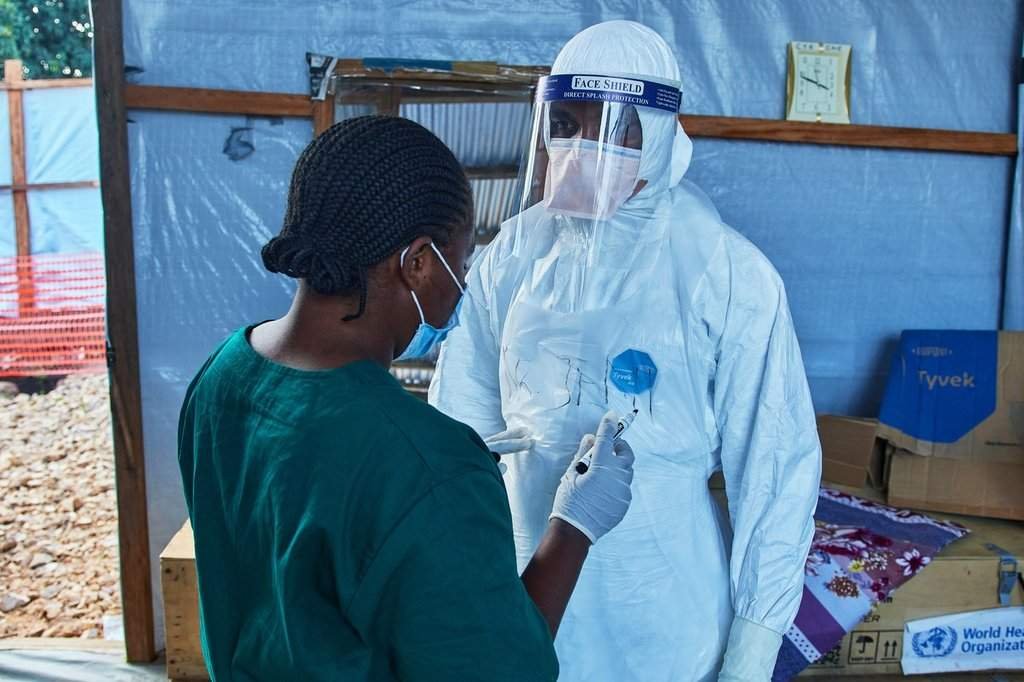
Canada Introduces Temporary Entry Restrictions for Foreign Nationals from the DRC
Canada is barring foreign nationals who visited the Democratic Republic of Congo in the past 21 days in its latest effort to prevent Ebola from entering and spreading in this country. The Public Health Agency of Canada made the announcement Sunday, with the new rule set to start on Monday at 11:59 p.m. As part of the move, commercial and private air carriers will also be required to not permit foreign nationals who visited the DRC to board a flight to Canada.
"Limiting entry of foreign nationals who have been in the DRC in the previous 21 days may reduce public health risks for Canadians and is intended to increase the effectiveness and sustainability of border measures that can safely process travellers arriving in Canada, including our returning humanitarian workers," the agency said in a news release. The decision to prohibit foreign nationals from entering Canada is a shift from the government's previous measures in May, which required travellers from Ebola-affected regions to self-isolate for 21 days.
Scope of the Current Ebola Outbreak and Public Health Rationale
A spokesperson for PHAC said in an email that while the risk for Canada remains low, several factors must be considered. The scope of the outbreak is among them. The agency notes this is the third largest outbreak on record but it has expanded at a faster rate in the last month than any other. It said the numbers reported so far is "especially concerning" compared to the 2018-19 outbreak, when it took 10 months to reach 2,000 confirmed cases.
So far, 2,181 cases have been recorded in the Ebola outbreak, with 864 deaths recorded. "The most recent model-based forecast is for approximately 3,200 cumulative reported cases and up to 1,330 reported deaths by the end of July, with case numbers doubling every 21 days at present," the spokesperson wrote. PHAC said more than 80 per cent of cases in the DRC have been detected outside a known contact list, and close to 60 per cent of deaths in communities are individuals who did not receive care in a health-care facility.
Canadian Context: Federal Public Health and Border Policies
The self-isolation requirement also applied to South Sudan and Uganda. The measure announced Sunday does not include travel bans from either country. Canadian citizens, permanent residents, and persons registered under the Indian Act entering Canada who visited the DRC, South Sudan or Uganda within the past 21 days will still be allowed to enter. They will receive a health assessment on their arrival and be required to self-isolate for 21 days. This approach aligns with longstanding Canadian commitments to medicare principles and responsible management of immigration flows through major gateways such as Toronto, Montreal and Vancouver airports.
Government officials stated before a press conference announcing the initial measures in May that, on average, 350 people from the DRC, Uganda and South Sudan come to Canada weekly. The majority of passengers arrive in Toronto, Montreal and Vancouver airports, with about 60 per cent of flights being Canadians or permanent residents, whereas 40 per cent are foreign nationals. These figures underscore the federal-provincial coordination required when health measures intersect with air travel hubs in Ontario, Quebec and British Columbia.
Impact on Canadians and Returning Humanitarian Workers
The new restrictions are expected to affect foreign nationals disproportionately while protecting the ability of Canadian citizens and permanent residents to return home safely. Returning humanitarian workers will undergo enhanced screening at points of entry, reflecting Canada's emphasis on civic responsibility and support for international aid efforts. This measured response aims to balance public safety with the country's tradition of multiculturalism and inclusion.
Travellers from the affected region who qualify for entry will face mandatory 21-day self-isolation periods, monitored in coordination with provincial health authorities. Such protocols build on lessons from previous outbreaks and reinforce the role of the Public Health Agency of Canada in safeguarding the national health system against imported risks.
International Comparisons and Coordinated Global Efforts
The U.S. Centers for Disease Control and Prevention and the Department of Homeland Security imposed a U.S. entry ban on May 22 on foreign travellers who have been in Congo, Uganda, or South Sudan in the past 21 days. Mexico also issued a travel ban to the affected areas on May 17. Canada's approach remains distinct by exempting its own citizens and permanent residents while focusing solely on the DRC rather than extending bans to Uganda and South Sudan.
These parallel measures highlight the interconnected nature of global travel and the importance of evidence-based decisions by agencies such as PHAC when responding to rapidly evolving outbreaks. Canadian officials continue to monitor developments in partnership with international bodies to ensure alignment where possible.
Reactions from Health Officials and Travel Industry Stakeholders
PHAC has emphasised that the low overall risk to Canada justifies targeted rather than blanket measures. Airlines operating routes to Toronto Pearson, Montréal-Trudeau and Vancouver International airports will implement the boarding restrictions immediately upon the rule coming into force. Industry representatives have noted the operational challenges but acknowledged the priority placed on protecting Canadian communities.
Public health experts have pointed to the faster case growth rate as justification for the policy shift from self-isolation to entry prohibition for non-residents. The agency continues to stress that the measures are temporary and subject to review based on epidemiological data.
What Happens Next: Timeline and Ongoing Monitoring
The new rules that take effect Monday night, and those put in place in May, will remain in effect until Aug. 29. PHAC will continue to assess the outbreak trajectory, including projections of up to 3,200 cumulative cases by the end of July. Updates will be issued as new information becomes available, with potential adjustments to entry protocols depending on developments in the DRC.
Canadians planning travel or expecting visitors from the region are advised to consult official PHAC guidance and prepare for health assessments upon arrival. The agency remains committed to transparent communication throughout the period the restrictions are in place.
Broader Implications for Canadian Healthcare and Immigration Systems
This temporary policy illustrates the intersection of public safety, immigration processing and healthcare capacity across provinces. By maintaining entry pathways for citizens and permanent residents while restricting foreign nationals, Canada upholds its values of fairness and inclusion without compromising border integrity. The focus on major arrival cities also highlights the need for sustained federal support to provincial health systems managing any follow-up monitoring.
Longer-term lessons may inform future responses to emerging infectious diseases, reinforcing the importance of agile, data-driven decision-making by the Public Health Agency of Canada.
Tags: Ebola, Public Health Agency of Canada, Democratic Republic of Congo, travel restrictions, border measures, Canadian immigration, Toronto airport, Montreal airport, Vancouver airport
By Alex Thompson, Staff Writer
This article was produced with AI-assisted research and editorial support. Reporting is based on sources cited in the article.
What's Your Reaction?
 Like
0
Like
0
 Dislike
0
Dislike
0
 Love
0
Love
0
 Funny
0
Funny
0
 Wow
0
Wow
0
 Sad
0
Sad
0
 Angry
0
Angry
0

Canada Correspondent at Global1.News. Based in Toronto, covering Canadian politics, energy, trade, and US-Canada relations. Provides the Canadian perspective on North American and global affairs.














Comments (0)