
Butcher of Bosnia Ratko Mladić Dies in Hague Detention Aged 84
In a recent BBC News report, the world learned that Ratko Mladić, the Bosnian Serb military commander convicted of genocide, war crimes, and crimes against humanity during the 1992-95 Bosnian war, has died in a UN detention facility at The Hague at the age of 84. His death on Thursday, while serving a life sentence, has prompted sharply divided reactions across the Balkans, exposing the deep and unhealed wounds of Europe's worst conflict since World War Two.
In a recent BBC News report, the world learned that Ratko Mladić, the Bosnian Serb military commander convicted of genocide, war crimes, and crimes against humanity during the 1992-95 Bosnian war, has died in a UN detention facility at The Hague at the age of 84. His death on Thursday, while serving a life sentence, has prompted sharply divided reactions across the Balkans, exposing the deep and unhealed wounds of Europe's worst conflict since World War Two.
Butcher of Bosnia Ratko Mladić Dies in Hague Detention Aged 84
The Hague, Netherlands - 28 August 2026 - The UN court confirmed on Thursday that Ratko Mladić, the man known as the "Butcher of Bosnia," died in the hospital wing of the UN detention facility where he was serving a life sentence. Dutch authorities have opened an investigation into the circumstances of his death, and the court's top judge has ordered a full inquiry, according to official statements released this morning.
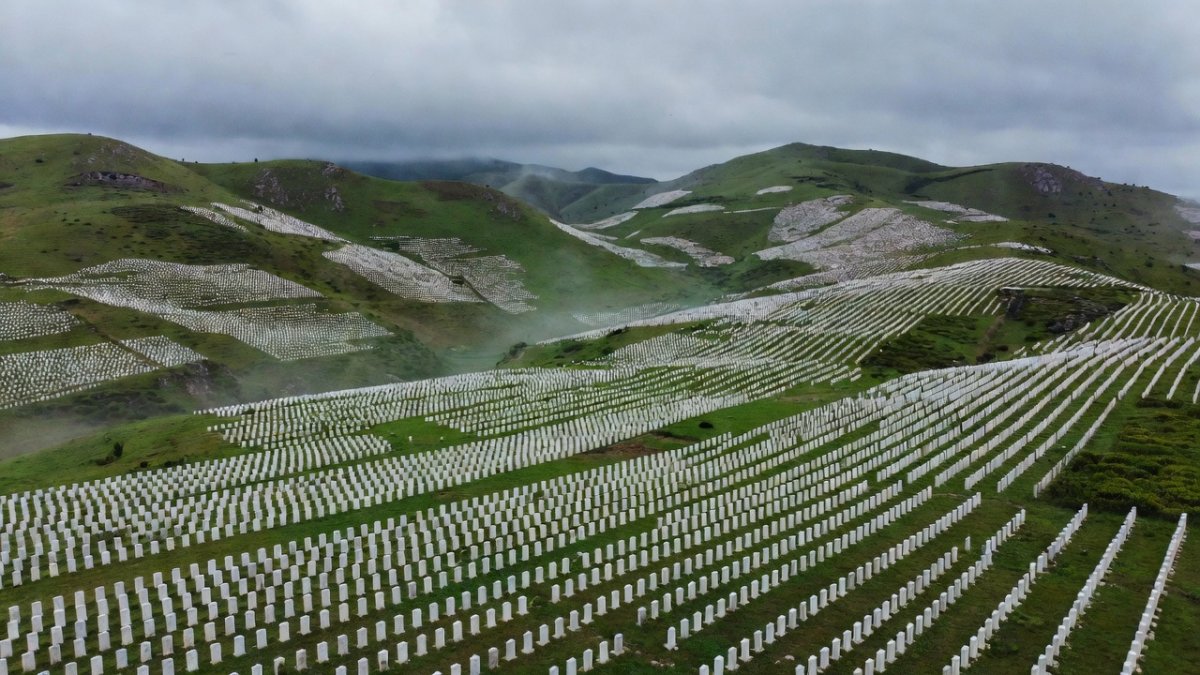
Death in Detention: The Final Chapter in The Hague
The UN International Residual Mechanism for Criminal Tribunals confirmed the death of Ratko Mladić on Thursday, stating that he was receiving palliative care in the medical unit of the detention centre when he passed away. In May of this year, the court rejected a final bid for his release as he neared the end of his life; a judge agreed that his situation was "dire" but ruled that he was receiving "comprehensive and compassionate treatment" within the prison's medical facilities. His lawyers had argued for months that he was bedbound or confined to a wheelchair and had suffered a suspected stroke that left him almost entirely unable to speak.
The court's top judge has ordered a full inquiry into the circumstances of his death, a standard procedure in such cases but one that carries particular weight given the notoriety of the prisoner. The Dutch authorities have also begun their own independent investigation, as is protocol for any death within the detention facility. For a man who spent sixteen years evading international justice, his final days were spent under the watch of the very institution he refused to recognise.
The Trial: Genocide Conviction and a Life Sentence
Mladić never recognised the legitimacy of the UN court, dismissing it as a political instrument against the Serbian people. He had been held at the Hague detention facility since his capture in 2011, when he was found at a remote, squalid farmhouse in rural Serbia after sixteen years on the run—a dishevelled 69-year-old who had already suffered several strokes. The trial itself took four years, involving more than 500 days of hearings, nearly 600 witnesses, and almost 10,000 pieces of evidence presented to the judges.
In 2017, he was jailed for life for genocide, war crimes, and crimes against humanity, a sentence that was upheld on appeal by the UN court in 2021. Throughout the proceedings, he entered the courtroom with a smile and a thumbs-up to cameras, but exploded with anger at the verdicts, screaming "all lies" as he was forcibly removed from the chamber. Fikret Alic, a prisoner famously filmed in a skeletal state in a Bosnian Serb camp in 1992, said after the conviction: "Justice has been done. The war criminal has been convicted." Yet even then, reactions were split: some Bosniaks expressed disappointment that he was not convicted of crimes outside Sarajevo and Srebrenica, while many Serbs reacted with open rage.
The Butcher of Bosnia: Sarajevo and the Longest Siege
Ratko Mladić was born on 12 March 1942 in a small mountain village near Sarajevo, into a world already consumed by war. His father was killed fighting for Tito's partisans when Mladić was just two years old, a loss that shaped his early life and his path toward a military career. He graduated from officer school in 1965 and rose steadily through the ranks of the Yugoslav army, commanding units in Macedonia and Kosovo before the federation began to splinter in the early 1990s. When Yugoslavia dissolved into ethnic conflict, he became commander of the Bosnian Serb army, pursuing the dream of a Greater Serbia through what became known as "ethnic cleansing"—a euphemism for murder, expulsion, and systematic terror.
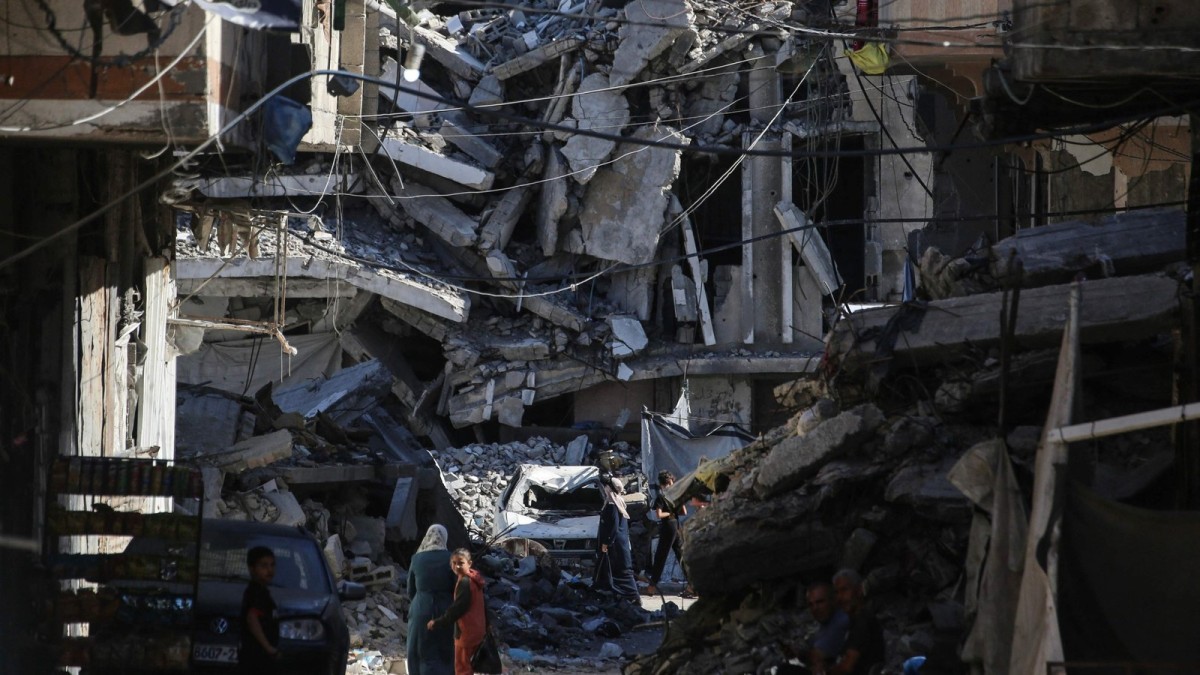
The siege of Sarajevo stands as his most enduring atrocity: 1,425 days of bombardment, the longest city siege in modern warfare. His troops dug in on the surrounding hillsides and rained shells and sniper fire down on the civilian population below. On 22 July 1993, nearly 4,000 shells fell on the city in a single day. By the end of the siege, some 13,000 people were dead from shellfire or sniper bullets, and almost every building in the city had been damaged or destroyed. A communiqué from his headquarters chillingly instructed his gunners: "Shoot at slow intervals until I order you to stop. Target Muslim neighbourhoods... Shell them until they are on the edge of madness."
The siege was eventually broken by NATO strikes in 1995, but Mladić's murderous campaign did not end there. It culminated in the worst atrocity of the war, a massacre that would come to define the limits of international intervention and the depths of human cruelty.
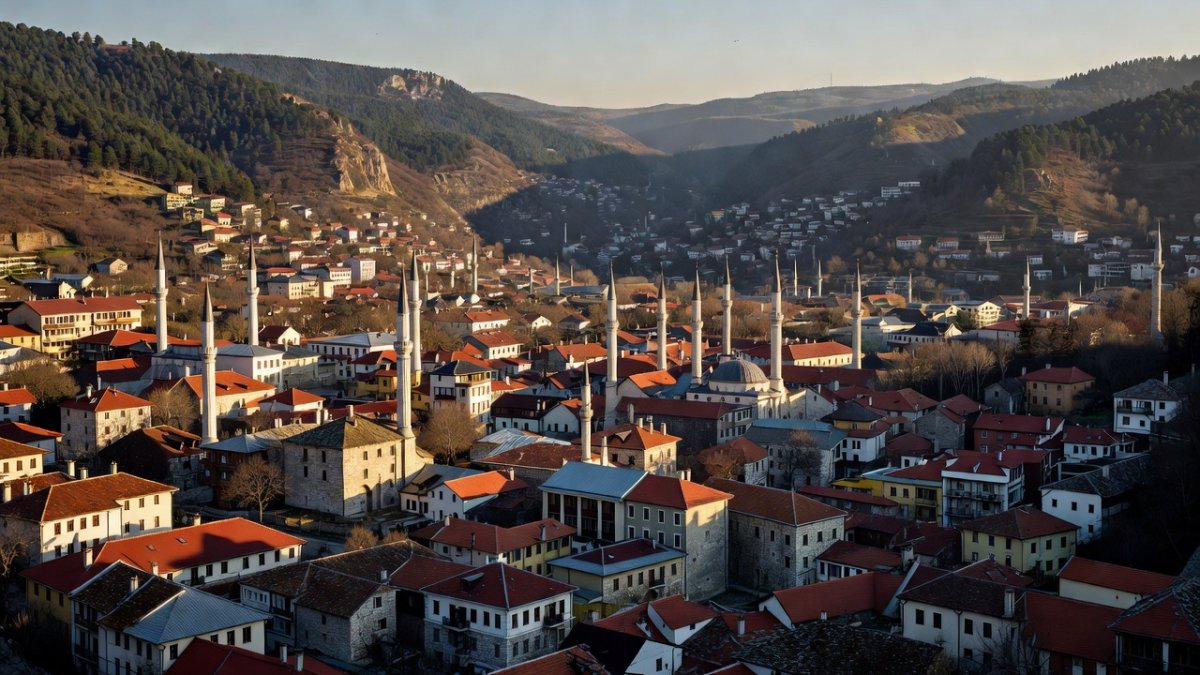
Srebrenica: The Worst Massacre in Europe Since World War Two
In July 1995, tens of thousands of Bosniak civilians had gathered in Srebrenica, a UN-declared "safe area" under the protection of Dutch peacekeepers. Bosnian Serb troops bombarded the town, and then Mladić strutted in, surrounded by TV cameras, handing out sweets, patting children on the head, and assuring the terrified population that all would be fine. It was a grotesque performance. His troops then rounded up every Bosniak male they could find, from boys as young as twelve to men in their late seventies.
In just a few days, 8,000 men and boys were tied up, blindfolded, and shot, their bodies pushed into mass, unmarked graves scattered across the countryside. It was genocide—a black moment in European history and the UN's darkest hour. Kofi Annan, then Secretary-General, later wrote that responsibility lay "first and foremost with those who planned and carried out the massacre," while acknowledging that the international community had made "serious errors of judgement, rooted in a philosophy of impartiality." The shame of Srebrenica remains a stain on the international order, a reminder that "never again" was a promise the world was not prepared to keep.
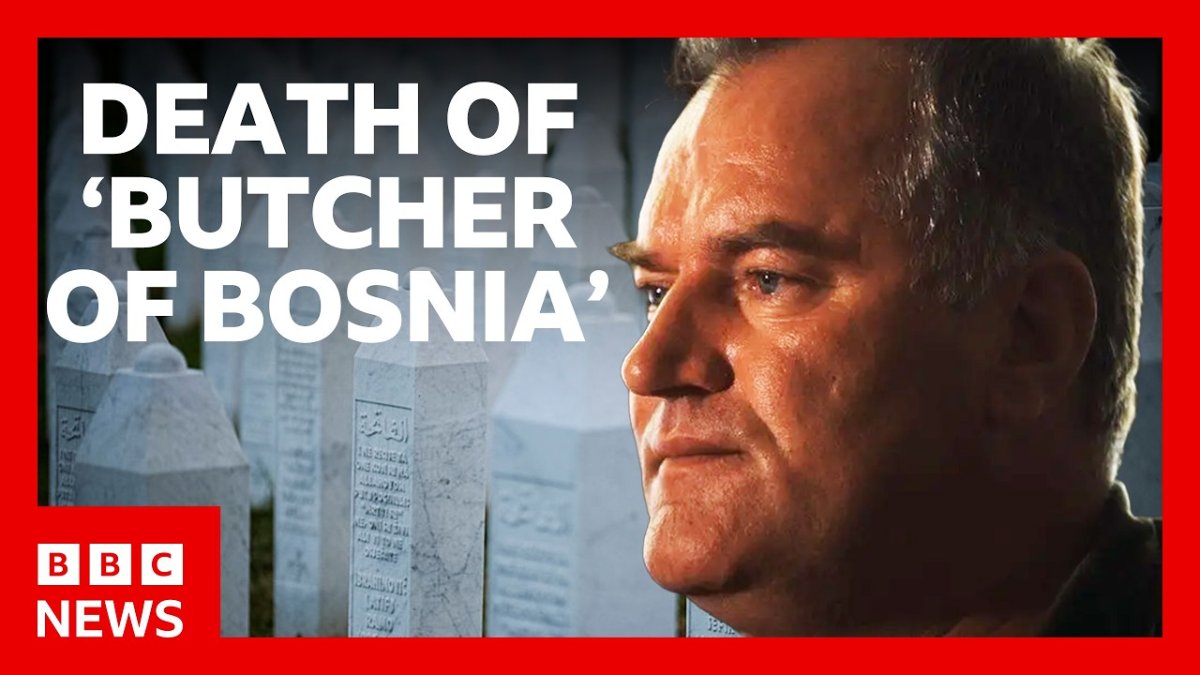
A Region Still Divided: Reactions to His Death
Srebrenica survivor Hasan Hasanović, who lost his twin brother and father in the massacre and now works at the Srebrenica memorial centre, told the BBC World Service's Newshour that Mladić's death "does not bring closure because the people who were killed in Srebrenica cannot come back." He added: "His death is just a biological necessity, and it doesn't bring to an end the political project and military project that created that legacy of genocide. And we now live with the consequences of a divided country, genocide denial." His words capture the sentiment of many survivors for whom justice remains incomplete, a wound that no verdict or death can fully heal.
In stark contrast, Bosnian Serb separatist leader Milorad Dodik told Reuters that Mladić "was respected by Serbian people. As a commander he stood to defend Serbs." In Belgrade, residents echoed that sentiment with open admiration. One man, Milan, said: "I genuinely believe he protected the Serbian people, because after all, that was his duty." Another, Vasilije, called his imprisonment "a total injustice" and described his death as "a massive shame." Both Serbia and Russia supported his legal appeals over the years, and in 2024 the court turned down his application to serve the rest of his sentence in Serbia—a decision that further inflamed nationalist sentiment in Belgrade.
Analysis: A Death That Settles Nothing
Mladić's death closes a personal chapter, but it does not close the political reckoning. Genocide denial remains entrenched in parts of Republika Srpska and Serbia; as recently as January 2026, an opposition politician in Bosnia was sentenced to three years in prison for "glorifying" Mladić and his political counterpart Radovan Karadžić, who was arrested on a bus in Belgrade in July 2008. The verdict at The Hague was a landmark of international justice, yet its legacy is fiercely contested. For some, it was a moral necessity; for others, a victor's justice imposed on a defeated people.
Analysts suggest that the divided reaction to his death illustrates how the war's fault lines still run directly through Bosnia-Herzegovina's politics—its tripartite presidency, its uneasy Serb-Bosniak cohabitation, its stalled EU integration. For survivors, closure remains elusive; for nationalists, a martyr figure has passed without repentance. The region now lives with the consequences of a divided country, as Hasanović put it—a legacy that outlives the man convicted of creating it. The political project of ethnic division, once pursued through bullets and shells, is now pursued through ballots and referendums.
Looking ahead, the Dutch investigation and the court's inquiry will now examine the circumstances of his death, a procedural matter that will likely yield few surprises. The deeper question of reconciliation in the Western Balkans remains open, unresolved, and more urgent than ever as the generation that lived through the war ages and passes. Mladić's death removes a figure of hatred and veneration, but it does not remove the hatred itself. The task of confronting the past, and of building a future that does not repeat it, falls to those who remain—in Sarajevo, in Srebrenica, in Belgrade, and in The Hague.
By Irina Volkov, Staff Writer
This article was produced with AI-assisted research and editorial support. Reporting is based on sources cited in the article.
What's Your Reaction?
 Like
0
Like
0
 Dislike
0
Dislike
0
 Love
0
Love
0
 Funny
0
Funny
0
 Wow
0
Wow
0
 Sad
0
Sad
0
 Angry
0
Angry
0

Russia/Eastern Europe Correspondent at Global1.News. Covering Russian politics, energy, security, and the shifting dynamics of the post-Soviet space. Provides clear-eyed analysis on one of the world's most opaque regions.











Comments (0)