
Board of Peace Agreement Sets Hamas Disarmament Roadmap in Gaza
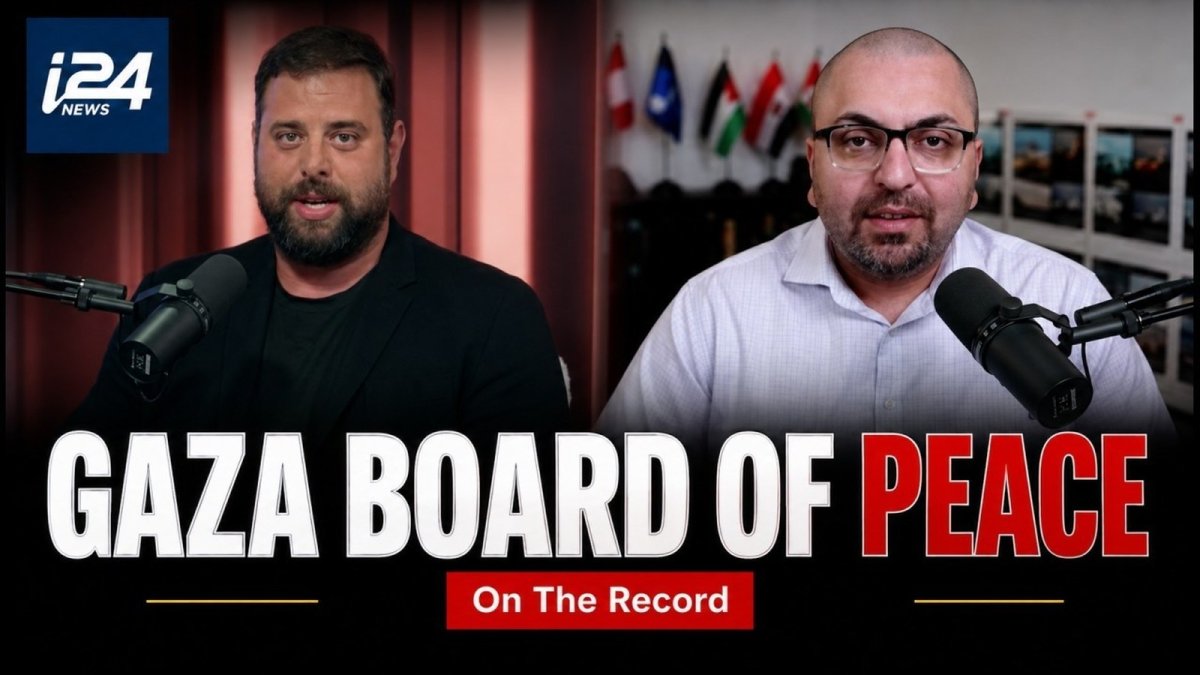
In a recent i24NEWS English report titled "Can the Board of Peace disarm Hamas and rebuild Gaza? | On The Record" published on August 6, 2026, host Ariel Oseran examined with guest Ahmed Fouad Alkhatib whether the US-led Board of Peace can disarm Hamas and rebuild Gaza.
In a recent i24NEWS English report titled "Can the Board of Peace disarm Hamas and rebuild Gaza? | On The Record" published on August 6, 2026, host Ariel Oseran examined with guest Ahmed Fouad Alkhatib whether the US-led Board of Peace can disarm Hamas and rebuild Gaza. The discussion centered on the agreement announced Thursday July 30, 2026, as part of President Donald Trump's 20-point plan for Gaza first unveiled in October 2025. Negotiations occurred over months in Cairo with Egypt, Qatar, and Turkey serving as mediators.
Board of Peace Agreement Sets Hamas Disarmament Roadmap in Gaza
Jerusalem, Israel – this week — The Board of Peace reached a historic agreement for the complete disarmament of Hamas and all other armed groups in Gaza, according to a Truth Social post by President Donald Trump. The deal requires a precise disarmament roadmap to be prepared within 14 days, with extensions possible subject to approval of an international verification body and agreement of all parties. Israeli Prime Minister Benjamin Netanyahu's office stated that the public version of the agreement does not reflect Israel's positions, with concerns shared with the US.
The Deal at a Glance
The agreement stipulates that Hamas police weapons transfer first, followed by decommissioning of heavy weapons, with tunnels handled by the International Stabilization Force. Personal weapons fall under Palestinian law, and all military activity in Gaza must stop. No weapons are handed to Israel or any non-Palestinian body, as the National Committee for the Administration of Gaza serves as the sole force holding weapons in Gaza. Trump stated that the deal represents a critical step toward Gaza being governed by a new Palestinian government that will work closely with the Board of Peace, while ensuring Israel has the security it deserves with Gaza no longer used as a base for terror attacks.
Hamas negotiating delegation member Ghazi Hamad said the negotiations were difficult and hard, and Hamas would not implement any part if Israeli forces fail obligations, with disarmament depending on Israel's withdrawal from Gaza and reconstruction progress.
On the Ground: Disarmament Mechanics
Phases include entry of the National Committee for the Administration of Gaza plus the International Stabilization Force into Gaza, with the National Committee overseeing inventory and storage of weapons under observation by an international verification committee and participation by Palestinian factions. A Board of Peace official noted that heavy weapons and the tunnels will be entrusted to the International Stabilization Force, and for the first time Hamas and the Palestinian factions agreed to accept the entire outline. Uganda has approved sending troops to the ISF. The sequence begins with Hamas police weapons transferred first, followed by heavy weapons decommissioned next, tunnels addressed by the ISF, and personal weapons handled under Palestinian law, after which all military activity in Gaza must stop. Board of Peace officials told JPost that the process started with the 20-point plan built on a foundation of zero trust alongside verification and assurance. They raised funds and soldiers for the International Stabilization Force and trained local Palestinian forces to take the reins from Hamas, with all tunnels to be eliminated and weapons collected to focus on building houses and apartments rather than terrorism against Israel.
A precise disarmament roadmap must be prepared within 14 days, with extensions possible only subject to approval by the international verification body and agreement of all parties. After roadmap approval, implementation begins with a two-week period for organizing everything, and the Yellow Line demarcation will see Israeli forces withdraw only once decommissioning of light weapons, heavy weapons, and tunnels is complete.
Jerusalem's Political Storm
Finance Minister Bezalel Smotrich said the agreement is completely different from the one the Israeli government approved and demanded a new cabinet vote immediately. National Security Minister Itamar Ben-Gvir called the deal not acceptable to Israel and tantamount to consenting to Hamas regrouping toward the next massacre, insisting that targeted killings in Gaza must continue. Former Prime Minister Naftali Bennett accused Qatar of seizing command in Gaza while Netanyahu bowed his head, and he warned against signing agreements over Israel's head or budging from the red line until Hamas is fully disarmed and weapons removed. Former IDF chief of staff Gadi Eisenkot charged that the framework would leave Hamas in power, describing it as the Netanyahu-Smotrich concept that had led to the October 7 massacre. Likud countered by accusing Eisenkot of capitulating to Hamas and highlighting the eliminations of Deif, Haniyeh, Sinwar, and Nasrallah along with achievements against Iran. With an Israeli election expected within months, the government faces intense political pressure that makes any perceived concession on Hamas disarmament highly explosive for Netanyahu.
Regional Context
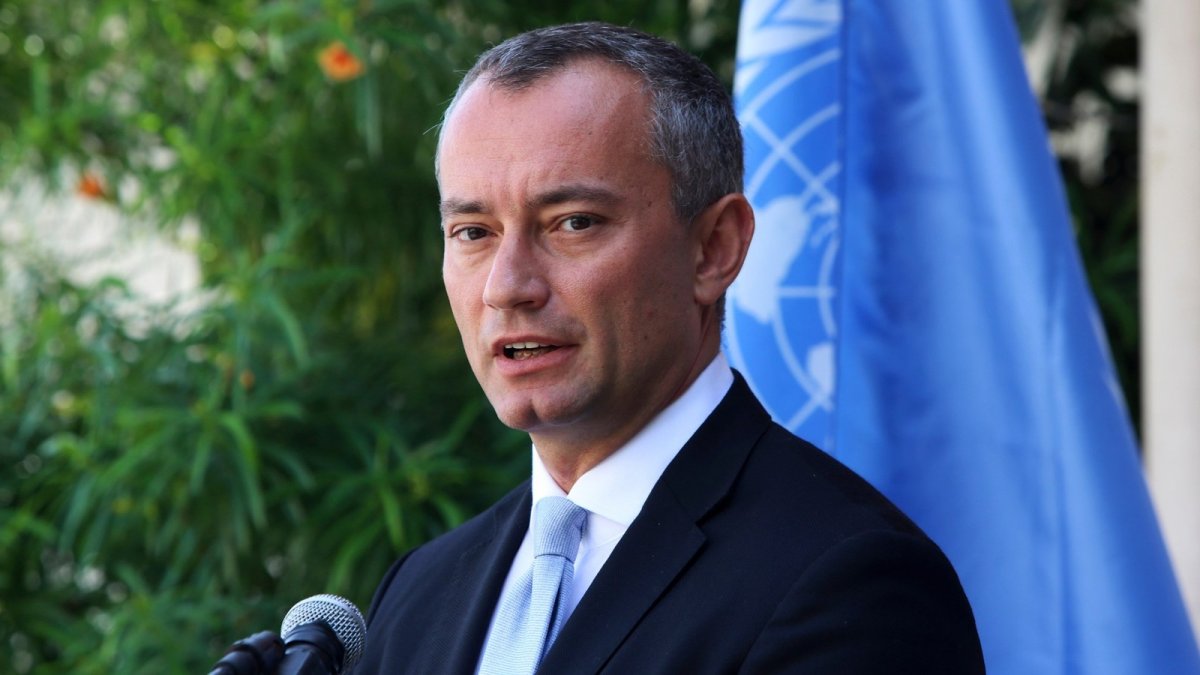
The Board of Peace, established by Trump in January 2026 to oversee Gaza's postwar administration and reconstruction, is led by Director-General Nickolay Mladenov, former UN Special Coordinator for the Middle East Peace Process. Senior adviser Aryeh Lightstone, a former Trump administration official, participated in the effort. Egypt, Qatar, and Turkey served as the mediators in the months-long Cairo negotiations that produced the agreement, a role publicly thanked by President Trump. On Monday August 3, Mladenov held constructive and detailed talks with Netanyahu in West Jerusalem. A Board of Peace statement clarified that withdrawal of Israeli military forces beyond the Yellow Line demarcation will take place only once decommissioning is complete, applying to light weapons, heavy weapons, and the tunnels alike. Mladenov urged Netanyahu to halt Israeli strikes on Gaza. The Sharm el-Sheikh Protocol sets out the obligations Israel must fulfill according to Board of Peace officials, providing the framework for the phased implementation that includes the National Committee and International Stabilization Force.
Diplomatic and International Reactions
Germany welcomed the disarmament plan. Egypt, Qatar, and Turkey denounced the latest Israeli strikes in a joint statement on Monday. Hamas stated on Monday that the group and factions remain committed to what was agreed regarding the implementation of the second phase of the ceasefire agreement, awaiting a clear and official response from Mladenov and mediators. The Board of Peace met with US congressional staff on Monday August 3 to advance peace, security, governance, and reconstruction in Gaza. An Israeli diplomatic source told JPost that the IDF will not withdraw from the Yellow Line before full Hamas disarmament and will cease fire once the process begins following the current two-week ceasefire.
Analysis and What This Means
Israeli attacks have killed 1,250 people since the ceasefire deal was reached in October 2025, with 17 people killed overnight Saturday-Sunday August 1-2 per local health officials and no airstrikes reported on Monday August 3. Al Jazeera reported more than 1,200 Palestinians killed since the October 2025 ceasefire, including more than 36 after the disarmament deal was announced, with over 73,000 total since October 2023. Hamas insists disarmament depends on Israeli withdrawal from Gaza and reconstruction progress, while Israel insists withdrawal beyond the Yellow Line occurs only once decommissioning is complete. Board of Peace officials framed the plan on a foundation of zero trust plus verification and assurance, noting that all tunnels will be eliminated and weapons collected before civilian governance takes hold. This mutual conditionality creates fundamental skepticism on all sides about whether the phases can advance in tandem.
If the deal stalls, Israeli strikes have already continued, with Egypt, Qatar, and Turkey issuing a joint statement denouncing the latest strikes, while Hamas stated it remains committed to the second phase of the ceasefire but awaits a clear response from Mladenov and the mediators. The combination of verification requirements and ongoing casualties underscores the narrow window for sustained implementation. The agreement comes as an Israeli election is expected within months and the government faces political pressure. Likud responded to Eisenkot by accusing him of capitulating to Hamas and citing eliminations of Deif, Haniyeh, Sinwar, Nasrallah and tremendous achievements against Iran. Forward-looking insight shows that implementation depends on the two-week organizing period after roadmap approval, with the International Stabilization Force and new Palestinian police force positioned to replace Hamas rule. Security for Israel rests on complete decommissioning verified by the international body, while daily life in Gaza shifts from military activity to reconstruction under the Board of Peace framework.
By Hannah Berg, Staff Writer
This article was produced with AI-assisted research and editorial support. Reporting is based on sources cited in the article.
What's Your Reaction?
 Like
0
Like
0
 Dislike
0
Dislike
0
 Love
0
Love
0
 Funny
0
Funny
0
 Wow
0
Wow
0
 Sad
0
Sad
0
 Angry
0
Angry
0
Israel Correspondent at Global1.News. Based in Tel Aviv, covering Israeli politics, security, technology, and society. Provides balanced, deeply-sourced reporting on one of the most closely-watched regions in the world.














Comments (0)