
As Iran and Israel Trade Missile Strikes, Palestinians Brace for the Fallout of a Collapsing Ceasefire
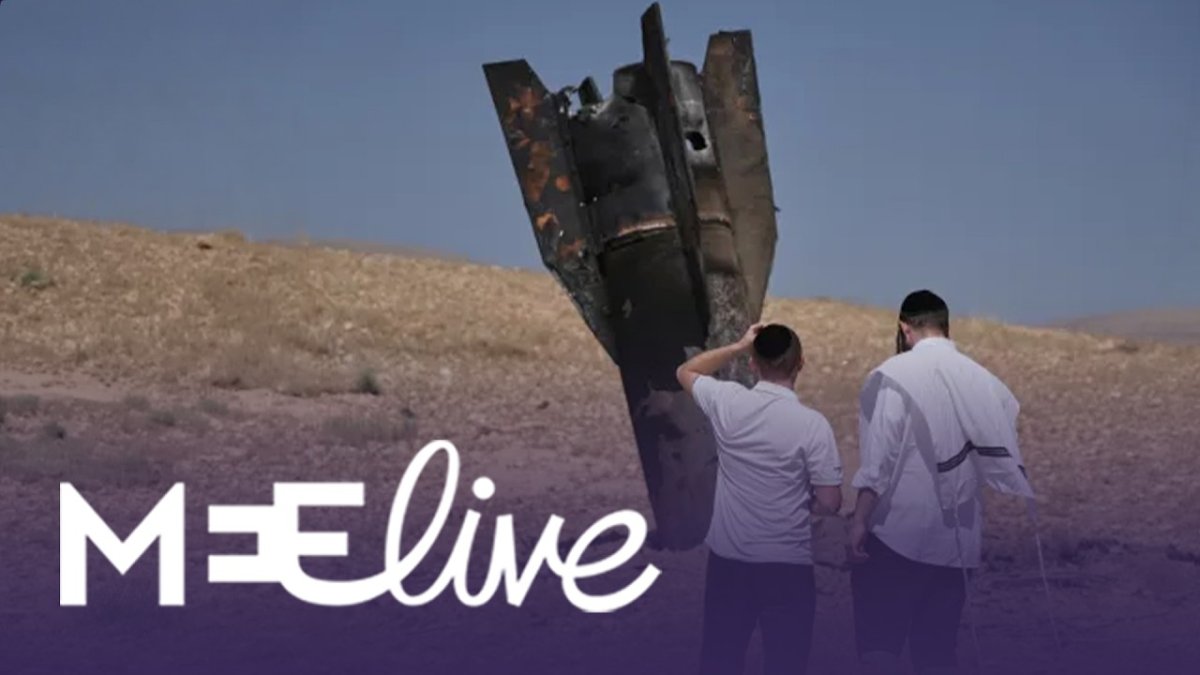
In a recent Middle East Eye report detailing the rapid unraveling of regional truces, footage captured the immediate aftermath of missile alerts sounding across the occupied West Bank and Gaza, underscoring how distant exchanges between Iran and Israel reverberate directly into Palestinian daily life. The video highlights families rushing to shelters as sirens blare, a stark re
In a recent Middle East Eye report detailing the rapid unraveling of regional truces, footage captured the immediate aftermath of missile alerts sounding across the occupied West Bank and Gaza, underscoring how distant exchanges between Iran and Israel reverberate directly into Palestinian daily life. The video highlights families rushing to shelters as sirens blare, a stark reminder that Palestinian communities remain caught between larger geopolitical forces with little control over the outcomes.
Missile Exchanges Shatter Fragile Truce
On June 7, 2026, Israeli forces struck Iran's Mahshahr petrochemical complex in Khuzestan province, with officials claiming the facility produced components for ballistic missiles. The Israel Defense Forces confirmed the operation in an official statement released the following day on June 8, describing it as a targeted measure to disrupt Iranian military capabilities. This action immediately escalated tensions that had been simmering since earlier in the year.
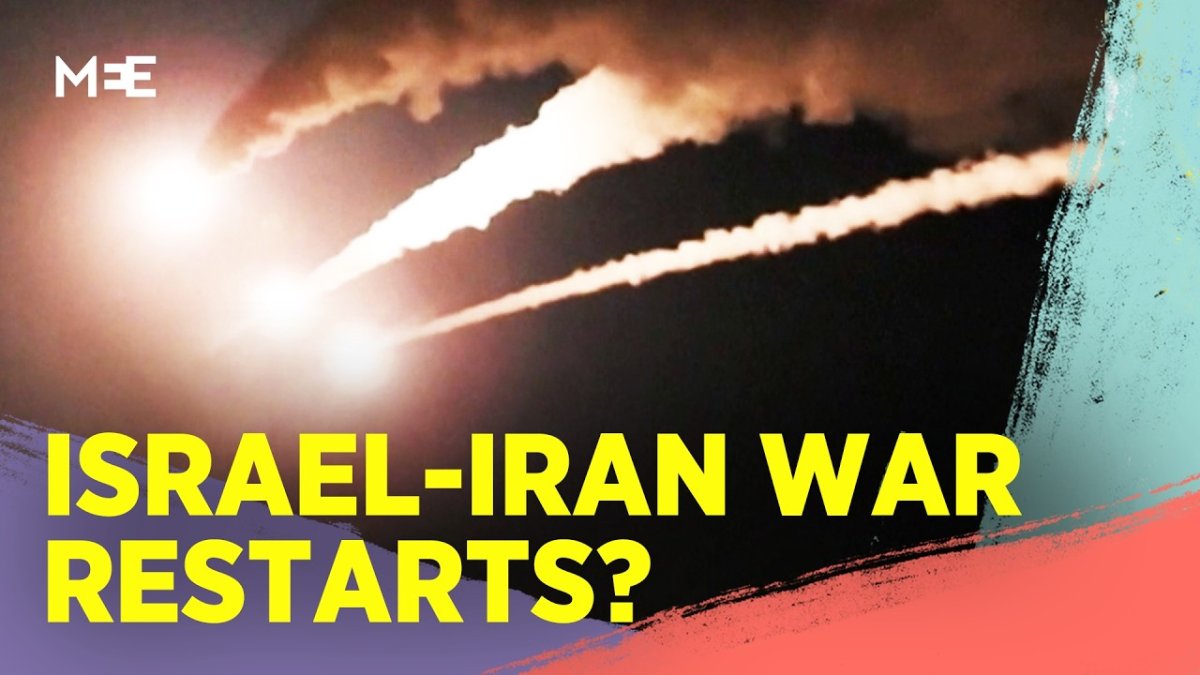
Iran's Islamic Revolutionary Guard Corps responded swiftly on June 8 by launching Operation Nasr, or Victory, which directed missiles toward Nevatim and Tel Nof airbases located in southern and central Israel. The strikes triggered air raid sirens throughout the occupied Palestinian territories, with at least one projectile landing near Jericho in the West Bank. Palestinian residents reported widespread panic as the alerts interrupted routine activities in cities already strained by ongoing restrictions.
Iran's Armed Forces declared an end to their operations later on June 8 yet issued a clear warning of a more crushing response should Israel conduct further strikes. Iran's UN Ambassador Amir-Saeid Iravani addressed the Security Council in New York, emphasizing Tehran's right to self-defense while calling for de-escalation. These exchanges have left Palestinian observers questioning how long any pause in hostilities can hold when underlying conflicts remain unresolved.
Local analysts in Ramallah noted that the missile exchanges exposed the interconnected nature of regional security, where actions taken hundreds of kilometers away produce immediate effects on the ground in Palestine. Communities near Jericho described the sound of incoming projectiles as a chilling echo of past conflicts, heightening fears that broader war could engulf the territory once more.
From April Ceasefire to June Escalation
The April 7 ceasefire between Iran and Israel had always appeared fragile from the outset, with Israeli operations continuing in Lebanon throughout the spring months. This lack of full compliance undermined trust and set the stage for renewed clashes by early summer. Palestinian officials tracked these developments closely, recognizing that any breakdown in the truce would likely intensify pressure on their own communities.
The broader US-Israeli war on Iran had begun on February 28, 2026, under the codename Operation Epic Fury, involving nearly 900 strikes within the first twelve hours alone. Reports from various monitoring groups indicated that the 2026 Iran war has already killed thousands of Iranian civilians and soldiers. These figures illustrate the scale of destruction that preceded the June missile exchanges and explain why Palestinian leaders viewed the April pause as temporary at best.
Throughout this period, the Palestinian Authority issued multiple statements expressing concern over regional escalation and its potential spillover effects. In the West Bank, intensified military raids and accelerated settlement expansion occurred alongside the Iran conflict, further fragmenting Palestinian land and movement. Gaza, meanwhile, continued to endure a devastating Israeli assault that has claimed tens of thousands of lives since October 2023.
Residents in Hebron and Nablus described how the combination of local raids and distant missile alerts created a constant state of vigilance. Families reported difficulty accessing medical care or schools when checkpoints tightened in response to perceived regional threats, demonstrating the direct human consequences of fragile international agreements.
Washington's Intervention and Trump-Netanyahu Tensions
Former President Donald Trump posted on Truth Social urging that Israel and Iran must immediately stop shooting, reflecting Washington's desire to contain the conflict. Axios later reported that Trump had called Israeli Prime Minister Netanyahu during the exchanges and described him as f***ing crazy while asserting that he calls the shots. These remarks revealed underlying friction between the two allies at a critical moment.
Palestinian diplomats observed that such public and private interventions from Washington often prioritize Israeli security concerns over broader regional stability. The statements came as Iranian missiles reached Palestinian areas, prompting the Palestinian Authority to reiterate calls for international protection mechanisms that have repeatedly failed to materialize.
Analysts in Gaza City pointed out that American involvement has historically prolonged rather than resolved conflicts affecting Palestinians. With the current escalation tied to earlier US-backed operations, local voices expressed skepticism that diplomatic pressure alone would shield civilians from further fallout.
The episode also highlighted how Palestinian issues remain sidelined even when regional powers clash. Community leaders in the West Bank noted that settlement expansion continued unabated during these high-level phone calls, underscoring the disconnect between international rhetoric and ground realities.
Hezbollah and the Lebanon Front
On June 7, Hezbollah fired rockets at northern Israel, directly threatening the already strained Lebanon ceasefire front. This action occurred in parallel with the initial Israeli strike on Iranian facilities, illustrating how multiple fronts can activate simultaneously. Palestinian observers in the north of the West Bank monitored these developments with particular concern given historical linkages between Lebanese and Palestinian resistance movements.
The April 7 ceasefire had included provisions for Lebanon, yet Israeli operations persisted in the border region throughout the following months. Hezbollah's response on June 7 therefore represented a direct challenge to that fragile arrangement. Families living near the northern West Bank described increased military presence as Israeli forces prepared for potential multi-front scenarios.
Regional experts emphasized that the Lebanon front cannot be isolated from events in Gaza or the West Bank. When Hezbollah engages, it often draws additional Israeli resources that affect Palestinian movement and access to resources. This interconnectedness leaves Palestinian communities vulnerable to decisions made in Beirut or Tehran.
Local reports from villages near Jenin indicated that farmers faced new restrictions on accessing fields during the June alerts, compounding economic pressures already heightened by the wider war. The Lebanon exchanges thus added another layer of disruption to daily life under occupation.
Economic Shockwaves Across the Region
Oil prices spiked sharply amid concerns that shipping lanes through the Strait of Hormuz could face disruption from the escalating conflict. Palestinian economists noted that such increases immediately affect import costs for essential goods entering Gaza and the West Bank through limited crossings. Families already struggling with high unemployment saw basic commodities become even less affordable.
The 2026 Iran war's civilian toll, with thousands reported killed, has also strained regional economies through disrupted trade routes and investment flight. Palestinian businesses dependent on regional markets reported canceled orders and delayed shipments as uncertainty grew. The Palestinian Authority highlighted these economic pressures in its statements on regional escalation.
Residents in Gaza described how fuel shortages worsened during previous rounds of conflict, and the latest price surge raised fears of similar outcomes. In the West Bank, taxi drivers and small traders reported reduced income as movement restrictions tightened in response to missile alerts.
These economic effects compound the human suffering from the ongoing assault on Gaza, where tens of thousands have been killed since October 2023. The combination of direct violence and indirect economic strain leaves Palestinian households with few avenues for recovery or stability.
Palestinian Communities Caught in the Crossfire
Iranian missiles triggering sirens across occupied Palestinian territories served as a direct reminder that Palestinians bear consequences from conflicts in which they hold no decision-making power. The projectile that landed near Jericho prompted emergency responses in an area already facing settlement expansion and frequent raids. Community leaders organized local alerts to supplement official systems that often prove inadequate.
The Palestinian Authority's statements of concern reflected widespread anxiety that escalation could justify further Israeli military measures inside Palestinian areas. In Gaza, where the devastating assault continues, residents expressed dread that regional war might reduce international attention to their ongoing humanitarian crisis.
West Bank villages reported intensified military activity coinciding with the June 8 exchanges, including additional checkpoints that separated families from work and medical appointments. These measures, justified as security precautions, deepen the isolation felt by communities living under prolonged occupation.
Voices from refugee camps near Jericho described how the sound of distant explosions revives memories of past displacements. The psychological toll adds to physical hardships, creating a climate where even brief periods of relative calm feel precarious.
The Human Cost of a Regional War
The 2026 Iran war has already exacted a heavy price in Iranian lives, yet its ripple effects reach Palestinian civilians who face parallel forms of violence. Tens of thousands killed in Gaza since October 2023 represent a separate but related tragedy that continues regardless of Iranian-Israeli exchanges. Palestinian health workers report overwhelmed hospitals struggling with both chronic shortages and sudden influxes during alerts.
In the West Bank, intensified raids throughout the Iran war period have resulted in increased arrests and property damage. Settlement expansion accelerated during the same months, shrinking available land for Palestinian agriculture and housing. These policies persist even as international attention focuses on missile strikes elsewhere.
Families in both Gaza and the West Bank described the exhaustion of living under multiple overlapping threats. Parents spoke of children experiencing sleep disturbances from sirens and explosions, while elders recounted how each new escalation revives unresolved traumas from previous decades of conflict.
Human rights monitors documented cases where movement restrictions imposed during the June alerts prevented timely medical evacuations. Such incidents illustrate how regional tensions translate into concrete barriers for Palestinian survival and dignity.
Analysis: What Comes Next
The sequence from Operation Epic Fury in February through the April 7 ceasefire and into the June missile exchanges reveals a pattern of fragile pauses followed by renewed violence. Palestinian analysts argue that without addressing root causes, including the occupation and the assault on Gaza, similar cycles will repeat. Iran's warning of a more crushing response if attacked again suggests that de-escalation remains uncertain.
Trump's public and private interventions highlight the limits of external mediation when core disagreements persist. The Palestinian Authority's repeated statements of concern have yet to translate into protective measures on the ground. Meanwhile, Hezbollah's involvement on the Lebanon front demonstrates how quickly additional actors can widen the conflict.
Oil price spikes and economic disruptions will likely continue to affect Palestinian livelihoods even if direct missile exchanges subside. Communities already enduring tens of thousands of deaths in Gaza and intensified raids in the West Bank face compounded challenges that demand sustained international focus rather than temporary attention during crises.
Looking ahead, Palestinian voices emphasize the need for accountability and protection mechanisms that extend beyond ceasefires between other powers. The lived reality under occupation means that any regional war carries immediate consequences for daily survival, dignity, and the possibility of a just resolution.
By Fatima Al-Rashid, Staff WriterThis article was produced with AI-assisted research and editorial support. Reporting is based on sources cited in the article.
What's Your Reaction?
 Like
0
Like
0
 Dislike
0
Dislike
0
 Love
0
Love
0
 Funny
0
Funny
0
 Wow
0
Wow
0
 Sad
0
Sad
0
 Angry
0
Angry
0
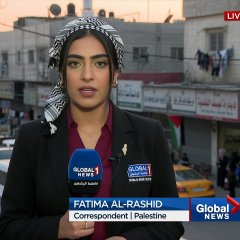
Gulf/MENA Correspondent at Global1.News. Based in Doha, covering Gulf politics, energy markets, diplomacy, and development across the Middle East and North Africa. Tracks the economic transformation of the Gulf states.













Comments (0)