
82-Year-Old Thai Grandma Becomes Viral Roblox Star
An 82-year-old grandmother from Ratchaburi province has become an unlikely internet sensation in Thailand, captivating hundreds of thousands of viewers by playing Roblox, the popular online gaming platform, on TikTok. Sisamon "Lek" Kepwai, who moved to Bangkok nearly five years ago to be closer to her working grandchildren, found an unexpected cure for her homesickness and loneliness through the very technology that
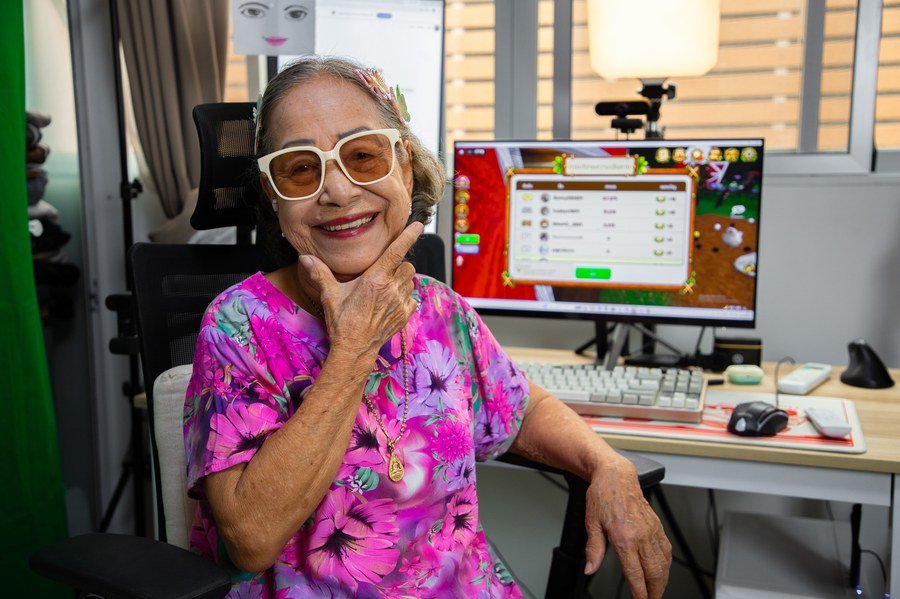
An 82-year-old grandmother from Ratchaburi province has become an unlikely internet sensation in Thailand, captivating hundreds of thousands of viewers by playing Roblox, the popular online gaming platform, on TikTok. Sisamon "Lek" Kepwai, who moved to Bangkok nearly five years ago to be closer to her working grandchildren, found an unexpected cure for her homesickness and loneliness through the very technology that often divides generations. Her story, which began as a simple attempt by her 27-year-old grandson Pansoon "Por" Sritubtim to cheer her up, has blossomed into a viral phenomenon with more than 400,000 TikTok followers and over five million likes.
In a country where respect for elders is deeply woven into the social fabric, and where an ageing population is reshaping family dynamics, Grandma Lek's journey from a homesick restaurant owner to a beloved gaming grandmother offers a heartwarming lesson in intergenerational connection. Her story resonates not just because of the novelty of an octogenarian navigating a children's video game, but because it speaks to a universal Thai truth: the importance of family bonds, the duty of care toward elders, and the quiet loneliness that can accompany urban migration.
From Ratchaburi Restaurant to Bangkok Housing Estate: An 82-Year-Old Grandmother Finds Solace and Stardom in Roblox
Bangkok, Thailand - For most of her life, Sisamon "Lek" Kepwai's days were filled with the comforting rhythms of her family restaurant in Ratchaburi, a province west of Bangkok known for its floating markets and scenic mountains. She made coffee, cooked food, and chatted with customers from breakfast until dinner time. It was a life of purpose and connection. But when she moved to Bangkok to be near her grandchildren, who work in the bustling capital, that world vanished. "Here, I saw no people, only houses," the 82-year-old grandmother told the Bangkok Post, describing the isolation of life in a housing estate. "My daughter felt lonely too but she occupied herself selling food on Grab. I helped her sometimes."
The loneliness was palpable, a quiet ache that filled the hours once occupied by the clatter of pots and the laughter of regulars. Her grandson, Pansoon "Por" Sritubtim, 27, watched his grandmother sit alone, staring at the television, and decided to act. "I saw my grandma just sitting alone and watching TV. I had nothing to do as well, so I asked her to take some pictures in Gen Z style and posted them on TikTok," he recalled, explaining the genesis of the @leksisamon channel. The response was immediate and overwhelming. Within a single day, the pair were stunned by tens of thousands of views. The internet, it seemed, was ready for Grandma Lek.
Finding a Digital Playground: The Roblox Leap
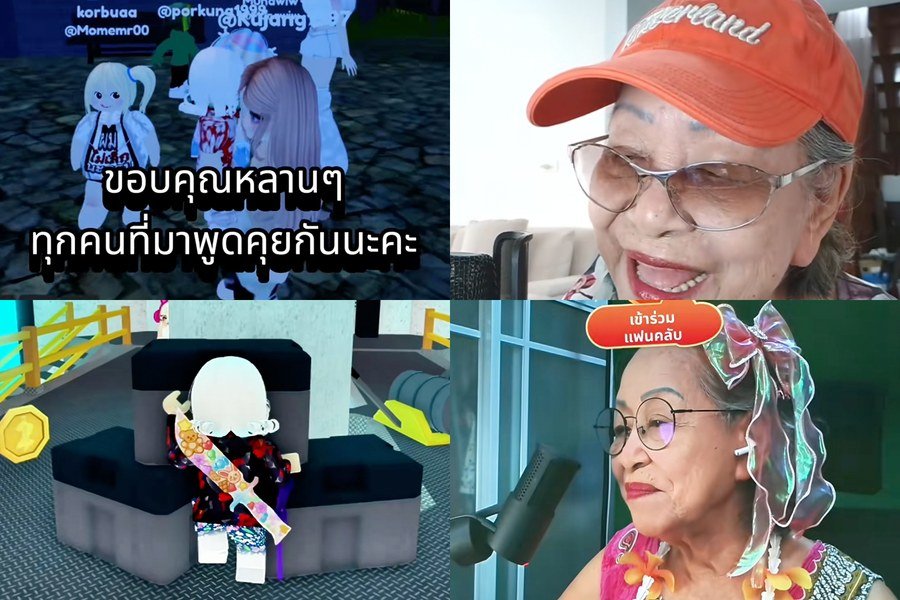
Encouraged by the initial success, Pansoon sought to amplify the contrast between his grandmother's age and the digital world she was entering. He introduced her to Roblox, the massively popular online platform beloved by children worldwide, where users can create and play games in immersive 3D worlds. The pairing was a masterstroke. Suddenly, hundreds of thousands of viewers were tuning in to watch Grandma Lek navigate the vibrant, blocky landscapes of Roblox, often chatting with the young players she encountered. For Grandma Lek, the game became more than just entertainment; it became a lifeline. "I have someone to talk to, and our conversations are enjoyable," she said. "When I'm alone, I think about how to progress in the game and what I need to do next. It keeps me from thinking about anything else. It eases my homesickness."
The learning curve, however, was steep. For someone who did not grow up with computers, the digital world was initially alien. She learned gradually, first watching her grandson start the computer for her before slowly mastering the basics herself. Her perseverance paid off. "I played a game called '99 Nights in the Forest' and scored more than 500 nights," she said with pride, "but it took me many hours. It was difficult." This determination, Pansoon believes, is the secret to her success. "She is open to trying new things, because she feels like she doesn't have much time left before she passes," he explained. "She will try anything. Try first. If it doesn't work, just stop. If it works, keep going."
Bridging the Age Gap: A Lesson in Katanyu and Family Bonds
Grandma Lek's story is a powerful illustration of katanyu, the Thai concept of gratitude and filial piety, which places a strong emphasis on caring for one's parents and elders. In traditional Thai society, children are expected to repay the kindness of their parents, and Pansoon's initiative is a modern expression of this ancient duty. Instead of simply providing for his grandmother's physical needs, he addressed her emotional and psychological well-being, using the tools of his own generation to connect with her. This act of love has not only transformed her life but has also created a shared space where the generational divide dissolves.
The impact extends beyond their family. Children in her housing estate now recognise Grandma Lek and come to her home after school to play games with her, transforming her from a lonely figure into a beloved community presence. Her advice to these young gamers is grounded in traditional Thai values of discipline and respect for education. "Listen to parents and study hard. You can play video games, but you also need discipline. Go to bed at 9pm because you have to wake up for school," she advises, a gentle reminder that even in the digital age, the wisdom of elders remains relevant. Her childhood games-throwing marbles, rope jumping, and tip-cat-are a world away from Roblox, yet she has embraced this new pastime while still striving to balance it with physical activities like light walking and stretching.
Thailand's Ageing Society: Technology as a Bridge, Not a Barrier
Grandma Lek's story arrives at a critical moment for Thailand, which is one of the fastest-ageing societies in Southeast Asia. With a rapidly growing elderly population, the nation is grappling with questions of elder care, social isolation, and the integration of seniors into a digitising world. The Thai government has promoted digital literacy for seniors, but the emotional and social benefits of technology are often overlooked. Grandma Lek's experience demonstrates that video games and social media can be powerful tools for combating loneliness, a silent epidemic that affects many elderly Thais who are left behind or who move to cities to be with their working children.
Her journey challenges the stereotype that older Thais are resistant to technology. Instead, it shows that with patience and encouragement, they can not only learn but thrive in the digital realm. The success of the @leksisamon channel, with its 400,000 followers and millions of likes, proves that there is a massive audience eager to see this kind of positive, cross-generational content. It also offers a model for other families in Thailand and across the region: instead of viewing technology as a force that isolates generations, it can be a medium that brings them together. As Pansoon noted, "Many problems in society are caused by different generations not understanding one another. By using video games as a medium, older and younger people can better understand each other."
Implications for Southeast Asia: A Regional Blueprint for Connection
The phenomenon of Grandma Lek is not just a Thai story; it has profound implications for the entire Southeast Asian region. Countries like Singapore, Malaysia, and Vietnam are also facing the challenges of ageing populations and rapid urbanisation, which often lead to the fragmentation of traditional family structures. The digital divide between generations is a common concern, with many fearing that technology widens the gap between the young and the old. However, Grandma Lek's story offers a counter-narrative, suggesting that digital platforms can be leveraged to foster intergenerational understanding and combat social isolation.
For ASEAN nations, where family values and respect for elders are deeply ingrained, the lesson is clear: technology can be a powerful ally in preserving these values. The viral success of a Thai grandmother playing Roblox demonstrates a regional appetite for content that celebrates family, resilience, and the joy of learning at any age. It also highlights the potential for digital literacy programmes to be more holistic, focusing not just on practical skills like banking or communication, but also on entertainment and social connection. As Southeast Asia's economies and societies continue to evolve, stories like Grandma Lek's provide a blueprint for building more inclusive, connected communities that honour the past while embracing the future.
Expert Perspectives: The Psychology of Play and Ageing
While Grandma Lek's story is heartwarming, it also aligns with growing research on the benefits of cognitive engagement for older adults. Experts in gerontology and psychology have long argued that keeping the mind active through new and challenging activities can help maintain cognitive function and improve overall well-being. Video games, in particular, have been shown to improve hand-eye coordination, problem-solving skills, and even memory in seniors. For Grandma Lek, the mental stimulation of figuring out how to progress in Roblox provides a healthy distraction from negative thoughts and homesickness, a form of active engagement that is far more beneficial than passive television watching.
Furthermore, the social aspect of online gaming cannot be overstated. For an elderly person living alone or in a new environment, the opportunity to interact with others, even virtually, can be a crucial buffer against depression and anxiety. Grandma Lek's conversations with children in Roblox provide her with a sense of purpose and belonging that she lost when she left her restaurant. This aligns with the Thai Buddhist concept of sabai, a state of ease and contentment, which she has found in an unexpected place. Her grandson's insight into her mentality-that she is open to trying new things because she feels time is limited-reflects a profound wisdom that many younger people could learn from.
What to Watch For
As the @leksisamon channel continues to grow, Pansoon has indicated that he wants to show a more authentic side of his grandmother's life, moving beyond the novelty of an elderly gamer to reveal the person behind the iconic sunglasses. Fans are eager to see more of her daily life, her wisdom, and her unique perspective on the world. This evolution could further cement her status as a beloved cultural figure in Thailand, a symbol of the potential for joy and connection in later life. It will also be interesting to see if her story inspires other Thai families to explore similar ways of connecting with their elders through technology.
For Thailand, Grandma Lek is more than just a viral sensation; she is a gentle reminder of the values that hold society together. In a rapidly changing world, where urban migration and digital transformation are reshaping daily life, her story reaffirms the importance of family, gratitude, and the simple act of spending time with those we love. Her happiness at 82, as she puts it, is to see her grandchildren have a stable job and a harmonious family. In turn, her grandson has given her a gift far greater than a viral channel: a renewed sense of purpose, a community of young friends, and the knowledge that she is not alone. As Thailand's population ages, Grandma Lek's journey offers a hopeful vision of what is possible when generations choose to meet each other halfway, whether in a kitchen in Ratchaburi or a virtual world on a computer screen.
By Ann Srisawat, Staff Writer
This article was produced with AI-assisted research and editorial support. Reporting is based on sources cited in the article.
What's Your Reaction?
 Like
0
Like
0
 Dislike
0
Dislike
0
 Love
0
Love
0
 Funny
0
Funny
0
 Wow
0
Wow
0
 Sad
0
Sad
0
 Angry
0
Angry
0

Southeast Asia Correspondent at Global1.News. Based in Bangkok, covering Thai and Southeast Asian politics, economy, technology, and culture. Deep regional perspective on one of the world's most dynamic regions.















Comments (0)