
Protein Intake India: Half Eat Daily, Confusion Persists
Nearly one in two Indians now eat protein daily, yet 93 percent of those tracking intake remain confused, PulseAI Research's 'India's Protein Paradox' report finds. Affordability is not the barrier, clarity is, with direct implications for FSSAI labelling and nutrition policy.
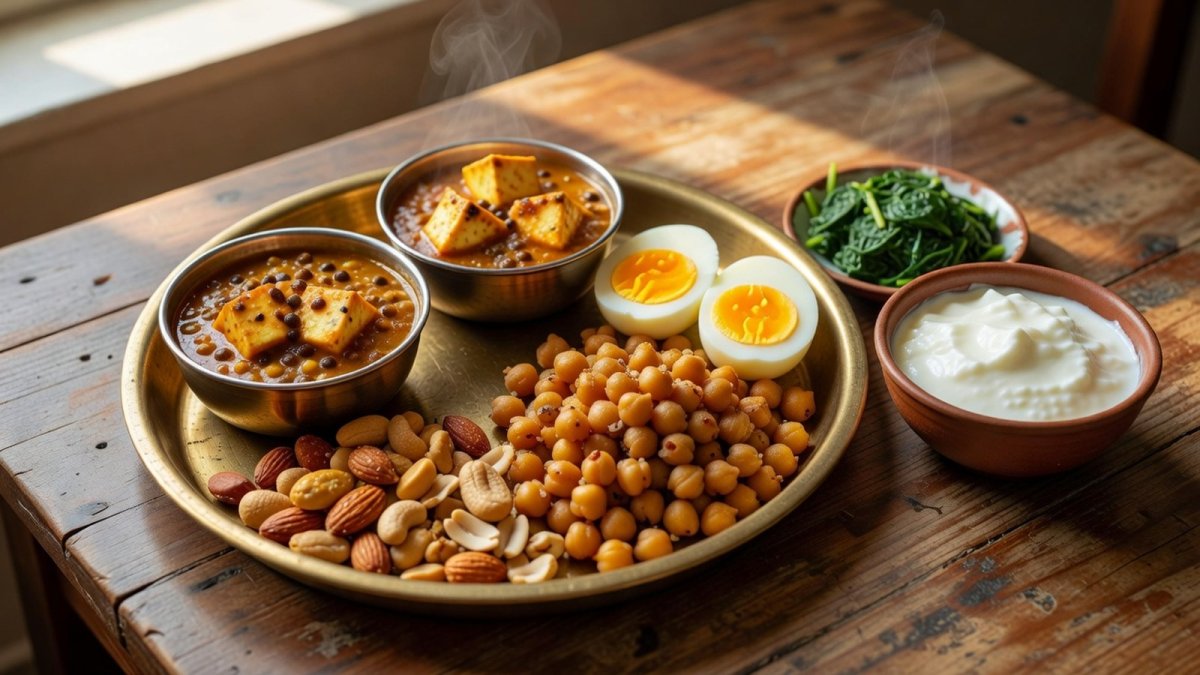
A new report reveals that nearly half of Indian consumers now include protein in every meal, yet among those who track their intake, 93 percent still face uncertainty about protein information. This paradox highlights a critical gap in nutrition understanding despite growing engagement with dietary choices. The findings from PulseAI Research underscore challenges in India's evolving food systems and public health landscape.
1 In 2 Indians Eat Protein Daily But Confusion Persists, New Report Finds
New Delhi, August 5, 2026 — Nearly one in two Indians now include protein in every meal, but widespread confusion persists even among those actively tracking their intake, according to a new consumer survey that exposes deep inconsistencies in how the country approaches nutrition.
What the New Report Found
The report, titled India's Protein Paradox and released by PulseAI Research, the consumer intelligence division powered by Smytten, surveyed 2,000 consumers across India. The sample included 70 percent women and 30 percent men, with 70 percent from metro cities and 30 percent from non-metro markets, covering vegetarian, non-vegetarian, eggitarian and vegan preferences. Thirty percent of respondents were aged 25-34, all actively making protein-related decisions. Key findings show that nearly 50 percent include protein in every meal, 41 percent actively track or estimate their protein intake, and almost one in two regularly check nutrition labels before purchasing food products.
Confidence Coexists With Confusion
Ninety-three percent of consumers who regularly track their protein intake still report uncertainty around protein-related information, showing that greater engagement does not translate into better understanding. Even among those who believe they understand their protein needs, consumption patterns remain inconsistent. Only 19 percent rely on doctors or nutritionists for protein-related guidance, with most preferring to navigate decisions through self-research, personal experience and lifestyle goals. Half of respondents believe natural food is a better source of protein than supplements. PulseAI Research CEO Shishir Varma stated: "Across the last few decades of decoding consumer behavior and building research-driven brands, I've rarely seen a category as paradoxical as protein in India. People believe they are doing enough, yet their choices tell a different story: that confidence coexists with confusion, and behavior often contradicts belief." He added that the report maps these decision layers end-to-end, revealing how brands can move beyond assumptions and truly connect with consumers at the point when choices are being made.
The survey of 2,000 consumers reveals a striking disconnect: while nearly one in two Indians report eating protein daily and 41 percent track their intake, 93 percent of regular trackers remain confused about requirements. This gap stems from fragmented advice on social media and influencer platforms, aggressive supplement marketing, and the lack of any single trusted source, with only 19 percent turning to doctors or nutritionists. The result is widespread unawareness of the ICMR-NIN 2024 RDA of 0.83 g per kg body weight, leaving many unable to judge adequacy despite ICMR-INDIAB 2025 data showing protein supplying just 12 percent of calories.
This confusion carries clear behavioural risks. Consumers either over-purchase supplements in pursuit of quick fixes or under-consume natural protein sources because they cannot translate awareness into daily practice. With CEEW December 2025 findings indicating half of at-home protein still comes from cereals, the absence of reliable guidance prevents households from addressing shortfalls effectively, even as 71 percent-plus view protein as affordable.
Affordability Is Not the Real Barrier
More than 71 percent of respondents perceive protein as affordable or only slightly expensive, indicating that affordability is not the primary barrier to protein adoption. Clarity remains the core issue. Among those struggling to understand their daily protein requirements, 67 percent prefer affordable and accessible solutions, while others seek expert-backed guidance, clearer product information, educational content and personalised nutrition plans.
Data show that 71 percent-plus of respondents consider protein affordable, and dal, eggs, milk, soya and groundnuts remain among India’s cheapest sources. Cost therefore does not explain persistent shortfalls. Instead, the barrier lies in knowing how much protein each family member needs and how to combine everyday foods to meet the ICMR-NIN 2024 standard of 0.83 g per kg. The 67 percent of struggling consumers who prefer affordable, accessible solutions point directly to this knowledge deficit rather than price.
Food companies can respond with fortified staples and clear front-of-pack protein labelling that translate requirements into practical choices. Public nutrition education campaigns would similarly help households maximise existing diets. Without these steps, even low-cost options stay under-utilised, leaving the 12 percent protein share of calories reported by ICMR-INDIAB 2025 unchanged despite widespread recognition that protein is within reach.
How Indians Actually Choose Protein
Even among non-vegetarians, 31.4 percent rely on plant-based sources such as pulses and nuts as part of their protein intake. Vegetarians primarily obtain protein through dairy, pulses and nuts. There is no single protein mindset, as many associate protein with muscle building and fitness while others see it as contributing to overall health. This diversity reflects India's varied dietary preferences and regional food systems.
Regional and cultural patterns shape protein selection far more than national averages suggest. Coastal diets draw heavily on fish, central Indian vegetarian traditions rely on dal and millets, and the 31.4 percent of non-vegetarians who also use plant sources reflect a growing flexitarian trend. Messaging that ignores these food systems risks irrelevance. Traditional combinations such as dal-rice, khichdi and curd-rice already supply complementary amino acids through simple, familiar pairings that align with the ICMR-NIN 2024 RDA.
Protein complementarity science shows these everyday meals can close gaps without expensive additions. Yet CEEW December 2025 data indicate half of at-home protein still derives from cereals alone, suggesting that guidance rarely builds on existing regional habits. Effective strategies must therefore map recommendations onto local plates rather than promote uniform supplement solutions that overlook cultural realities.
India's Protein Deficit in Context
The ICMR-NIN 2024 revised India's protein RDA to 0.83 g/kg body weight per day, about 50g for a 60kg adult, down from 1.0 g/kg in the 2010 guidelines. The 2025 ICMR-INDIAB survey found Indians derive approximately 62 percent of daily calories from carbohydrates while average protein intake sits at around 12 percent of total energy. The National Statistical Office's Nutritional Intake in India report from July 2025 showed stable but inadequate intake with wide state-level disparities. A CEEW study from December 2025 found roughly half of at-home protein in Indian diets comes from cereals, which are poor-quality protein sources, with diets typically running 65-75 percent of calories from carbohydrates versus 9-11 percent from protein. India's protein ingredients market is valued at roughly Rs 9,992 crore with about 17.7 percent CAGR.
What This Means for India
These findings carry direct implications for Indian consumers, families and public health policy. With protein intake remaining below protective levels amid high carbohydrate reliance, clearer labelling standards from FSSAI could help bridge the knowledge gap. Public health messaging through nutrition awareness campaigns must address the mismatch between perceived understanding and actual behaviour. The market growth trajectory signals opportunities for accessible, high-quality protein options tailored to Indian dietary patterns, yet without targeted interventions, state-level disparities documented by NSO data will persist. Families in both metro and non-metro areas stand to benefit from educational content that aligns with ICMR-NIN frameworks rather than generic fitness narratives.
The clarity gap that confuses consumers also influences how brands invest in a protein ingredients market valued at roughly Rs 9,992 crore and expanding at 17.7 percent CAGR, with the whey protein segment projected to rise from $387 million to $1.28 billion by 2035. Standardising protein claims and front-of-pack labels falls to FSSAI, while alignment with ICMR-NIN dietary guidelines can anchor public efforts under Poshan Abhiyaan and school meal programmes. Without coordinated action, market growth may favour supplements over everyday foods.
Policy must therefore treat regulation and education as linked responses to the same deficit. Clear labelling and updated nutrition messaging would help households meet the 0.83 g per kg target using affordable local sources, while guiding industry investment toward fortified staples. This dual approach addresses both the 93 percent confusion rate among trackers and the structural imbalance where protein supplies only 12 percent of calories.
The Bottom Line
The report demonstrates that India's protein challenge centres on clarity rather than access or cost, with half the population incorporating protein daily yet 93 percent of trackers remaining uncertain. As the protein ingredients market expands at 17.7 percent CAGR toward Rs 9,992 crore, policy alignment with ICMR-NIN recommendations and improved consumer guidance will determine whether rising engagement translates into better nutritional outcomes across the country.
— By Dr. Raj Patel, Staff Writer
This article was produced with AI-assisted research and editorial support. Reporting is based on sources cited in the article.
What's Your Reaction?
 Like
0
Like
0
 Dislike
0
Dislike
0
 Love
0
Love
0
 Funny
0
Funny
0
 Wow
0
Wow
0
 Sad
0
Sad
0
 Angry
0
Angry
0

India/South Asia Correspondent at Global1.News. Analytical voice with a background in science and health journalism. Based in New Delhi, covering Indian politics, education, healthcare, technology, and policy. Breaks down complex data into clear, actionable reporting.















Comments (0)