
Why Acne Treatments Fail: Dermatologist Explains Key Mistakes
Nearly 90% of Indians between puberty and age 30 will experience some form of acne, yet a significant portion of them will abandon their treatment before it ever has a chance to work. The gap between what dermatologists prescribe and what patients actually do is the single largest reason acne persists, according to a new episode of India Today's "Doctor vs Internet" podcast featuring dermatologist Dr Jushya Bhatia Sarin.
Nearly 90% of Indians between puberty and age 30 will experience some form of acne, yet a significant portion of them will abandon their treatment before it ever has a chance to work. The gap between what dermatologists prescribe and what patients actually do is the single largest reason acne persists, according to a new episode of India Today's "Doctor vs Internet" podcast featuring dermatologist Dr Jushya Bhatia Sarin.
Why Acne Treatments Fail: The Adherence Problem, Home Remedy Traps, and What Dermatologists Actually Recommend
New Delhi, August 29, 2026 — The frustration is universal: months of applying creams, avoiding sweets, and following online advice, yet the acne persists or returns with a vengeance. In a new episode of India Today's "Doctor vs Internet" podcast, published August 24, 2026, Dr Jushya Bhatia Sarin, a practicing dermatologist, laid out the hard truths about why acne treatments fail — and the answers are less about the products and more about patient behavior, Indian home remedies, and a fundamental misunderstanding of how prescription medications work.
Why Acne Treatment Fails — The Adherence Problem
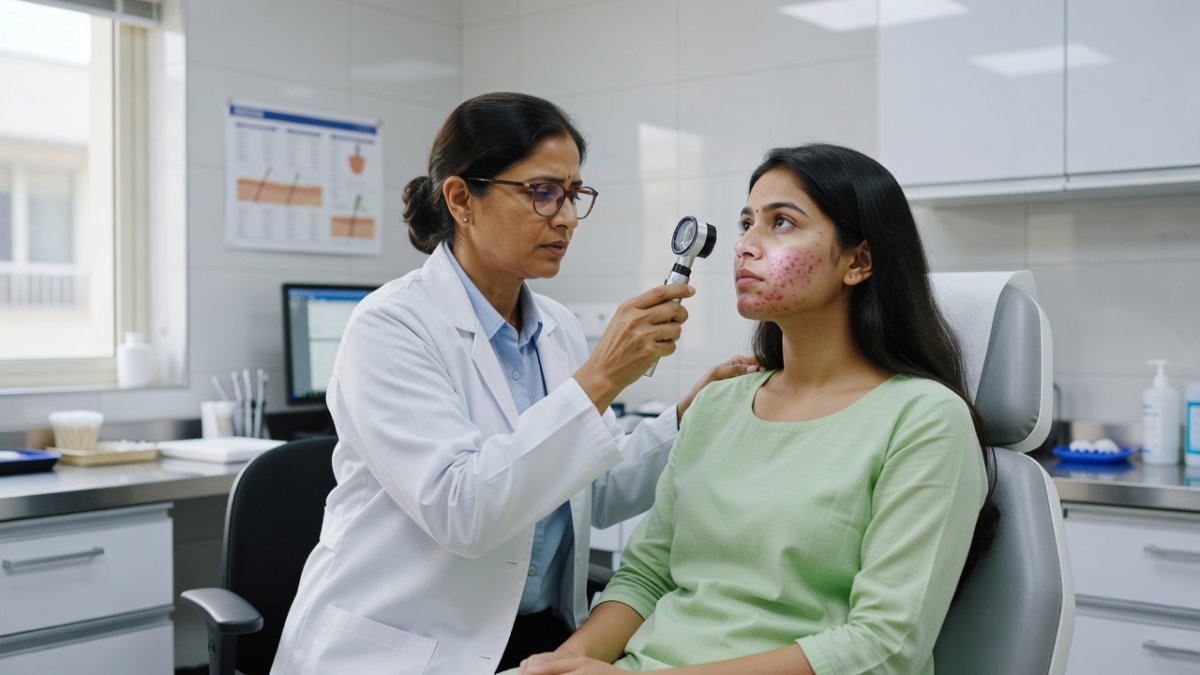
The most common reason acne treatment fails is not that the medication is ineffective — it is that patients stop using it too soon. Dr Sarin explained that prescription retinoids, the backbone of modern acne therapy, often cause a visible worsening of acne in the first four to six weeks. This "purging" phase, where underlying micro-comedones come to the surface, is frequently mistaken for an allergic reaction or a sign that the treatment is not working.
Clinical guidelines from the Indian Acne Alliance (IAA), published in the Indian Journal of Dermatology, Venereology and Leprology (IJDVL 2012;78:279-289), emphasize that retinoid-based therapies require a minimum of 12 weeks to show meaningful improvement. Yet, in practice, a large proportion of Indian patients abandon their prescriptions at the six-week mark, precisely when the treatment is about to turn a corner. The IAA consensus document, which remains a cornerstone for Indian dermatologists, notes that patient education on the timeline of treatment is as critical as the prescription itself.
Dr Sarin stressed that irritation and dryness, common side effects of tretinoin and adapalene, are manageable with proper moisturizing and dose titration. But without a dermatologist's guidance, patients often interpret these side effects as a reason to stop entirely, undoing weeks of progress and allowing the underlying inflammatory cascade to restart.
Home Remedies and the Multani Mitti Trap
India's skincare culture is deeply rooted in home remedies — multani mitti (fuller's earth), besan (gram flour), and haldi (turmeric) are staples in millions of households. However, Dr Sarin was unequivocal: these ingredients, while culturally significant, often do more harm than good for active acne.
Multani mitti, for instance, is highly absorbent and can strip the skin of its natural oils, leading to a compromised skin barrier. When the barrier is damaged, the skin compensates by producing more sebum, creating a vicious cycle of oiliness and breakouts. Similarly, besan and haldi, when applied as scrubs, can cause micro-tears in the skin, exacerbating inflammation and leading to post-inflammatory hyperpigmentation — a particularly stubborn issue for Indian skin types.
The podcast highlighted that these remedies are not backed by dermatological evidence for acne treatment. While haldi has anti-inflammatory properties, the concentration in a homemade paste is too low to have a therapeutic effect, and the risk of irritation outweighs any marginal benefit. For Indian patients, the cultural attachment to these remedies often delays seeking professional care, allowing acne to progress to a more severe stage where scarring becomes a real risk.
What Dermatologists Prescribe — Retinoids and Combination Therapy
Modern acne management, as outlined by the IAA and the Indian Association of Dermatologists, Venereologists and Leprologists (IADVL) PRACT-India recommendations (2024-2025), is built on a foundation of retinoids and combination therapies. Dr Sarin explained the hierarchy: retinol, retinaldehyde (retinal), and tretinoin are all vitamin A derivatives, but they differ in potency and irritation potential. Retinol is the gentlest, requiring conversion in the skin to become active, while tretinoin is the most potent and effective, but also the most irritating.
For acute inflammatory lesions, the IAA guidelines prefer fixed-dose combination therapies that pair a retinoid with benzoyl peroxide (BPO). A common maintenance regimen combines 2.5% BPO with 0.1% adapalene. This combination is favored because it targets both the comedonal and inflammatory components of acne while minimizing the risk of antibiotic resistance — a growing concern in India, where over-the-counter antibiotic creams are still widely misused.
The IADVL's PRACT-India recommendations explicitly state that antibiotic monotherapy is not preferred for acne management. The rationale is clear: long-term use of topical antibiotics like clindamycin or erythromycin selects for resistant strains of Cutibacterium acnes, rendering the drugs ineffective over time. By combining antibiotics with BPO or retinoids, dermatologists can mitigate this risk, but only if patients adhere to the full course and do not self-medicate with leftover prescriptions.
The Diet Debate — Sugar, Whey Protein and the Gym Generation
Dr Sarin addressed a question that plagues the fitness-conscious Indian youth: does whey protein cause acne? The answer, based on current evidence, is nuanced. A six-month trial published in 2026 found that men with acne who incorporated whey protein supplementation did not show a significant difference in total acne lesions and severity compared to controls. However, this does not mean diet is irrelevant.
A 2026 evidence review in the Journal of the American Academy of Dermatology (JAAD) found that high glycemic index and glycemic load diets show the strongest and most consistent association with acne. The mechanism is well-established: high-glycemic foods cause a spike in blood sugar, leading to hyperinsulinemia, which in turn increases insulin-like growth factor 1 (IGF-1) signaling. This cascade stimulates androgen-driven sebum production and follicular hyperkeratinization, creating the perfect environment for acne.
Dairy intake, particularly skim milk, has been repeatedly linked to acne risk in epidemiological studies. The IJDVL has published on the role of insulin resistance and diet in acne, noting that retinoids suppress FGFR2 signaling and oppose IGF1R and androgen receptor signal transduction. This molecular insight explains why dietary changes alone are rarely sufficient — the hormonal drivers are deeply embedded in metabolic pathways that require pharmacological intervention to modulate.
For the Indian gym generation, the takeaway is not to abandon whey protein, but to be mindful of overall glycemic load. A diet heavy in refined carbohydrates, sugary drinks, and processed snacks is likely to exacerbate acne, regardless of whey intake. The evidence on whey protein is mixed, and individual responses vary, but the broader dietary pattern is a more reliable predictor of acne severity.
What This Means for India
India's acne burden is immense, but access to dermatological care remains uneven. Dermatologists are concentrated in metropolitan centers like Mumbai, Delhi, and Bengaluru, leaving tier-2 and tier-3 cities with limited options. This disparity drives many patients to self-medicate, relying on pharmacy recommendations or influencer-driven skincare advice from social media platforms.
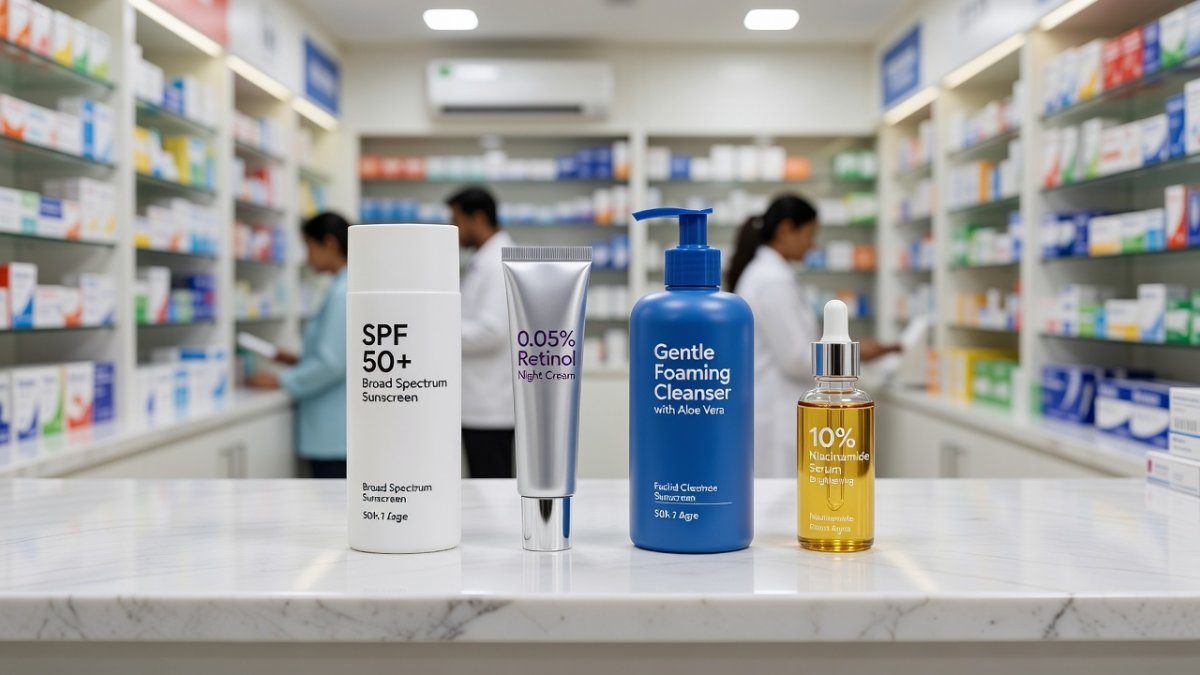
The over-the-counter skincare boom in India has created a paradox: more products are available than ever, but the quality of advice has deteriorated. The Central Drugs Standard Control Organisation (CDSCO) regulates prescription drugs, but the booming cosmeceutical market operates in a regulatory grey zone. Products containing active ingredients like retinol or niacinamide are sold without prescription, often at concentrations that are either ineffective or irritating, depending on the formulation.
Telemedicine is emerging as a partial solution. Platforms connecting patients in smaller towns with dermatologists in metros are expanding access, and the IADVL has endorsed tele-dermatology as a viable mode of consultation for acne management. However, Dr Sarin cautioned that telemedicine cannot replace a physical examination for severe cases, particularly when scarring or pigmentation is involved.
The economic angle is also significant. A standard course of prescription retinoids and combination therapies can cost anywhere from ₹1,500 to ₹5,000 per month, a substantial outlay for many Indian families. When patients do not see immediate results, the financial burden becomes a reason to abandon treatment, perpetuating the cycle of chronic acne and its psychological toll.
Sunscreen and the Mistakes Almost Everyone Makes
One of the most overlooked aspects of acne treatment is sun protection. Dr Sarin highlighted that many Indian patients skip sunscreen because they believe it will make their skin oily or worsen breakouts. This is a critical error, as many acne medications, particularly retinoids, increase photosensitivity. Without adequate sun protection, the skin becomes more prone to hyperpigmentation, undoing the benefits of the treatment.
The podcast also debunked common sunscreen myths: SPF 30 is not twice as protective as SPF 15 — the difference is marginal, and reapplication every three to four hours is essential, especially in India's tropical climate. Tinted sunscreens, often marketed as a two-in-one solution, may not provide adequate protection unless they contain physical blockers like zinc oxide or titanium dioxide. For Indian skin, which is prone to pigmentation, a broad-spectrum sunscreen with at least SPF 50 is recommended, but only if it is applied in sufficient quantity and reapplied regularly.
When to See a Dermatologist
Dr Sarin was clear: not all acne requires a dermatologist, but certain red flags demand professional intervention. If acne is leaving scars, causing significant pigmentation, or if over-the-counter products have not shown improvement after eight to twelve weeks, it is time to seek help. Self-treatment limits are often crossed when patients start using multiple active ingredients simultaneously, leading to irritation and barrier damage that is worse than the original acne.
For women, acne that is accompanied by irregular periods, excessive hair growth, or unexplained weight gain may indicate polycystic ovary syndrome (PCOS), a condition that requires systemic treatment, not just topical creams. The IAA guidelines recommend a comprehensive evaluation for such patients, including hormonal assays and, in some cases, referral to an endocrinologist.
The Bottom Line
Acne treatment failure is rarely a failure of science — it is a failure of adherence, education, and access. The evidence is clear: retinoids and combination therapies work, but they require patience, proper guidance, and a willingness to endure the initial purging phase. For India, the path forward lies in expanding dermatological access, regulating the cosmeceutical market, and educating patients on the realities of treatment timelines. As Dr Sarin's podcast episode underscores, the internet is full of advice, but the only reliable source for acne management remains a qualified dermatologist. The 90% of Indians who will experience acne at some point deserve better than guesswork — they deserve evidence-based care.
— By Dr. Raj Patel, Staff Writer
This article was produced with AI-assisted research and editorial support. Reporting is based on sources cited in the article.
What's Your Reaction?
 Like
0
Like
0
 Dislike
0
Dislike
0
 Love
0
Love
0
 Funny
0
Funny
0
 Wow
0
Wow
0
 Sad
0
Sad
0
 Angry
0
Angry
0

India/South Asia Correspondent at Global1.News. Analytical voice with a background in science and health journalism. Based in New Delhi, covering Indian politics, education, healthcare, technology, and policy. Breaks down complex data into clear, actionable reporting.













Comments (0)