
VAR999 gambling admin arrested during border SIMBOX probe
On 8 October 2026, cyber police in Sa Kaeo province made a surprising discovery while executing a search warrant in the Thai‑Cambodian border town of Aranyaprathet.
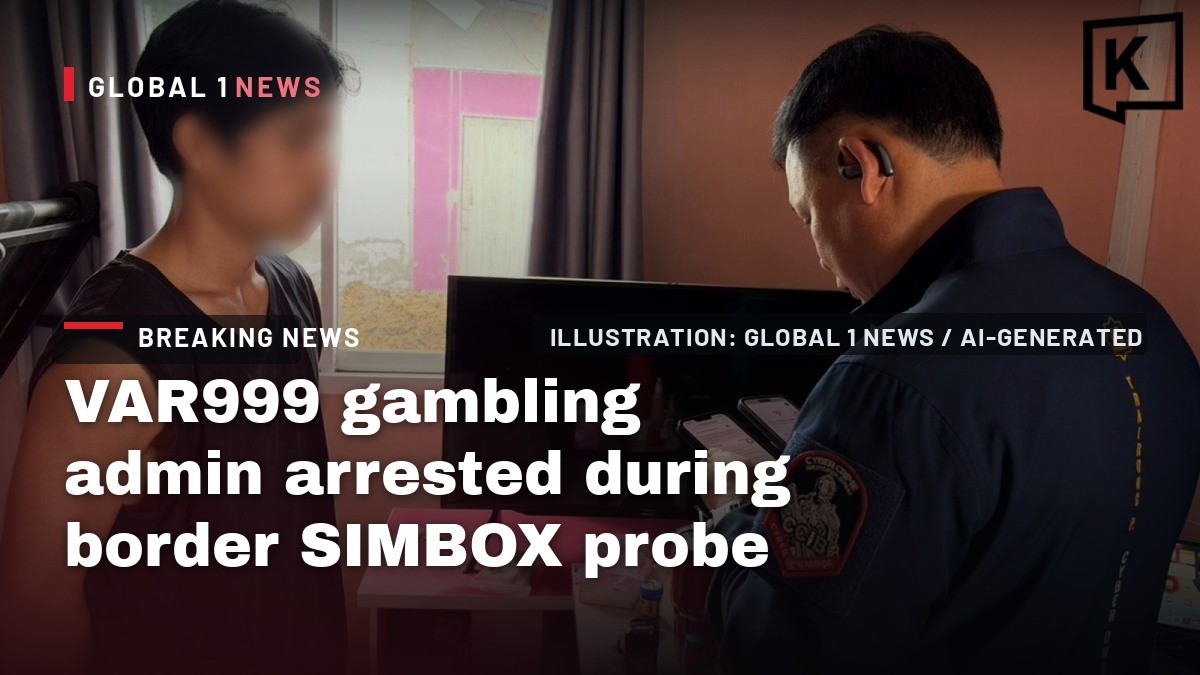
On 8 October 2026, cyber police in Sa Kaeo province made a surprising discovery while executing a search warrant in the Thai‑Cambodian border town of Aranyaprathet. The operation, originally aimed at locating illegal SIMBOX equipment used by call‑center gangs, instead led to the arrest of a 26‑year‑old man identified as the administrator of the online gambling platform VAR999. The incident highlights the intertwined nature of digital crime, cross‑border smuggling of telecommunications gear and the persistent lure of foreign football betting that has become a concern for Thai communities and law‑enforcement alike.
Background to the border raid
The search stemmed from intelligence that a group had installed signal‑transmission devices, known as SIMBOXes, in the Aranyaprathet district. These devices enable operators to route calls through multiple SIM cards, often to disguise the origin of fraudulent or illegal calls. Police noted that such equipment is frequently employed by call‑center gangs to deceive the public, a practice that has grown in the border regions where cross‑border movement is fluid.
Pol Lt Gen Thinkorn Rangmat, commissioner of the Cyber Crime Investigation Bureau, ordered the operation after a court‑issued warrant (No. 149/2026) was granted on 7 October. The warrant authorised a team, led by Pol Maj Gen Sarayut Junwan of Cyber Crime Division 2 and assisted by officials from the Provincial Electricity Authority, to search a house in Moo 13, Phan Suek subdistrict. The aim was to locate the hidden SIMBOX equipment and any related evidence.
The unexpected arrest
When the team entered the residence, they found Woradet, a 26‑year‑old man, seated at a computer and actively promoting the VAR999 gambling website. Officers seized the computer and nine mobile phones, and immediately placed Woradet in custody. According to his statements to police, he had been recruited through the Telegram messaging app by an unidentified individual and had been working as an administrator for the gambling site for about a year.
Woradet disclosed that his monthly remuneration for the role was 20,000 baht, a figure he received from a Telegram account holder. He described his duties as recruiting customers into LINE groups that facilitated foreign football betting, and sending links to the VAR999 platform. This admission linked him directly to the promotion of unauthorized foreign betting activities, a charge that police later formalised.
SIMBOX equipment: a missing piece
Despite the focus on the SIMBOX devices, the search did not uncover any of the equipment at the location. Police later learned that the devices had been moved out of the Aranyaprathet area shortly before the raid, suggesting an attempt by the operators to evade detection. This relocation underscores the agility of illicit networks operating along the border, where equipment can be swiftly shifted to avoid law‑enforcement sweeps.
Investigators are now broadening their scope to trace both the gambling website and the missing SIMBOX gear. The goal is to identify additional participants and beneficiaries of these intertwined operations, which blend telecommunications fraud with illegal gambling promotion.
The role of online platforms in gambling recruitment
The case illustrates how digital platforms such as Telegram and LINE are being leveraged to recruit bettors for foreign football gambling sites. Woradet’s description of his work involved sending website links to LINE groups, a method that allows rapid dissemination of gambling offers to a wide audience. This approach mirrors a broader trend in Southeast Asia, where social messaging apps serve as conduits for illicit gambling promotion, often targeting younger users familiar with these services.
By using familiar communication tools, operators can embed gambling offers within everyday conversations, making it harder for users to recognise the risk. The practice also blurs the line between legitimate social interaction and illicit recruitment, raising concerns for community leaders and religious figures who seek to protect vulnerable individuals from the moral and financial harms associated with gambling.
Legal implications and charges
Police have charged Woradet with directly or indirectly advertising or soliciting participation in unauthorized foreign football betting through electronic media. This charge reflects Thailand’s strict stance against illegal gambling, especially when it involves foreign operators that bypass local licensing and tax regimes. The seizure of the computer and mobile phones provides tangible evidence of his involvement in the promotion of the VAR999 site.
The case also signals a willingness by Thai authorities to pursue individuals who act as digital facilitators, not just the operators of gambling platforms themselves. By targeting administrators and recruiters, law‑enforcement aims to disrupt the supply chain of illegal betting services at multiple points.
Impact on local communities
For residents of Sa Kaeo and surrounding border provinces, the intertwining of SIMBOX fraud and illegal gambling presents a dual threat. On one hand, SIMBOX operations can lead to scams and financial loss for unsuspecting callers. On the other, the promotion of foreign betting sites can draw vulnerable individuals, particularly youths, into cycles of gambling addiction that conflict with Buddhist teachings on moderation and the avoidance of harmful habits.
Community leaders have long emphasised the importance of ethical conduct and the protection of families from the destabilising effects of gambling. The arrest of a young administrator like Woradet serves as a cautionary tale about the allure of quick income from illicit online activities, and underscores the need for continued public education on the risks associated with unregulated betting platforms.
Looking ahead: broader enforcement and regional cooperation
The investigation’s expansion to include both the gambling website and the missing SIMBOX equipment suggests a coordinated approach that may involve cross‑border cooperation with Cambodian authorities. Given the border’s porous nature, tackling such crimes often requires joint efforts, sharing intelligence and synchronising raids to prevent the rapid relocation of illegal equipment.
As Thailand continues to clamp down on illegal gambling and telecommunications fraud, the case of VAR999 highlights the evolving tactics of criminal networks that exploit digital tools and border dynamics. Ongoing vigilance, combined with community outreach rooted in Thai cultural values, will be essential to safeguard the public from the hidden harms of these modern illicit enterprises.
This article was produced with AI-assisted research and editorial support. Reporting is based on the source material cited below. Sources: Khaosod English; khaosodenglish.com; Global1.News (08 October 2026).
By Ann Srisawat, Staff Writer
What's Your Reaction?
 Like
0
Like
0
 Dislike
0
Dislike
0
 Love
0
Love
0
 Funny
0
Funny
0
 Wow
0
Wow
0
 Sad
0
Sad
0
 Angry
0
Angry
0

Southeast Asia Correspondent at Global1.News. Based in Bangkok, covering Thai and Southeast Asian politics, economy, technology, and culture. Deep regional perspective on one of the world's most dynamic regions.















Comments (0)