
Vanishing Wonders: Machu Picchu and Honduras' Rio Platano Fight for Survival
Vanishing Wonders: Machu Picchu and Honduras' Rio Platano Fight for Survival Brasilia, Brazil - August 9, 2026 - Al Jazeera English's "Inside Latin America" episode "Vanishing wonders: Can Latin America's treasures be saved?" exposes the dual crises gripping Machu Picchu and the Rio Platano Biosphere Reserve, where tourism surges, climate pressures, illegal logging, cattle ranching, mining and drug trafficking converge.
Vanishing Wonders: Machu Picchu and Honduras' Rio Platano Fight for Survival
Brasilia, Brazil - August 9, 2026 - Al Jazeera English's "Inside Latin America" episode "Vanishing wonders: Can Latin America's treasures be saved?" exposes the dual crises gripping Machu Picchu and the Rio Platano Biosphere Reserve, where tourism surges, climate pressures, illegal logging, cattle ranching, mining and drug trafficking converge. The August 2026 wildfire at Machu Picchu and Rio Platano's continued presence on UNESCO's List of World Heritage in Danger since 2011 underscore that preservation demands urgent cooperation among governments, communities and the international community.
Machu Picchu: Wonder of the World Under Foot
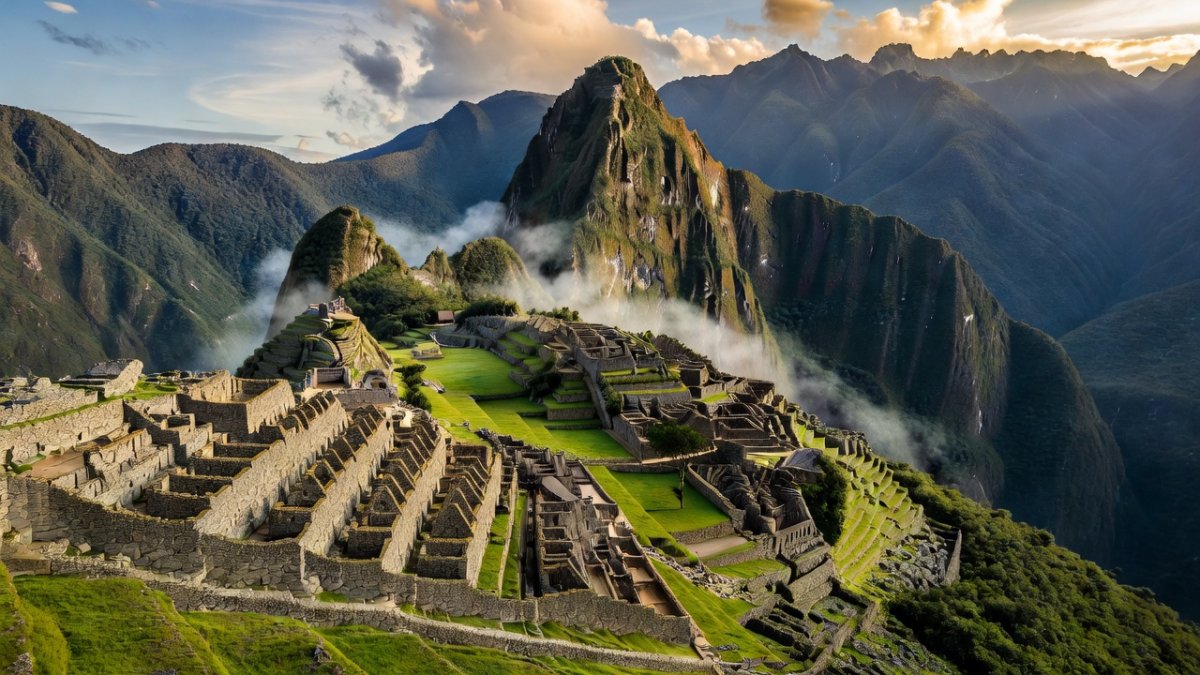
The 15th-century Inca citadel of Machu Picchu, perched at 2,430 meters in the Eastern Cordillera of southern Peru and inscribed on the World Heritage list in 1983, now faces unprecedented strain from human feet. In 2025 the site welcomed 1.5 million visitors, roughly 4,100 per day, a fourfold increase since 2000. Mincetur data for January through September 2025 recorded 1,170,389 visitors, of whom 78.4 percent or 917,419 were foreign and 21.6 percent or 252,970 were Peruvian. Since June the daily cap rose to 5,600 in high season from 4,600, with actual daily numbers frequently exceeding 5,000. Ministry of Culture rules require all tickets purchased online in advance, enforce a strict four-hour stay limit, cap groups at ten people per guide and divide entry into three time slots. The Inca Trail closes every February for maintenance, yet erosion from repeated foot traffic and mounting waste-management challenges leave visible wear on ancient stonework. SERNANP and Ministry of Culture teams monitor these impacts daily, but the sheer volume of visitors tests the sanctuary's 32,000-plus hectares. Cloud forests sheltering spectacled bears and Andean cock-of-the-rock species absorb the cumulative pressure, reminding us that Machu Picchu's survival hinges on balancing economic reliance on tourism with rigorous ecological limits that Latin American institutions must enforce without compromise.
The August Wildfire That Stopped the Trains
Fire ignited Monday, August 3, 2026 near the base of Cerro Poques inside the Historic Sanctuary of Machu Picchu. By Wednesday, August 5, Peru's Environment Ministry reported 1.5 hectares of primary forest burned; the citadel itself remained untouched. The sanctuary spans more than 32,000 hectares, so the affected share measured less than 0.005 percent. Subterranean fire can linger in roots and re-emerge after crews believe a sector is controlled, forcing 29 civilian responders-15 park rangers, eight municipal workers and six transport-company employees-later reinforced by military units to battle slopes nearing 70 percent grade amid falling rocks and collapsing trunks. Ferrocarril Trasandino suspended trains at kilometer 107+400, while PeruRail canceled three departures from Ollantaytambo and seven from Machu Picchu on August 4. Historical precedent shows more than 800 hectares burned around the sanctuary in 1997 and 20 to 40 hectares in 2022, often linked to agricultural burning. When heavy rains return, damaged slopes risk releasing mud, stones and trunks toward tracks and settlements. SERNANP coordinates these emergency operations, yet the episode reveals how quickly climate-amplified fire can threaten both cultural heritage and the transport arteries that sustain Peru's tourism economy.
Rio Platano: A Rainforest Worn to 70 Percent
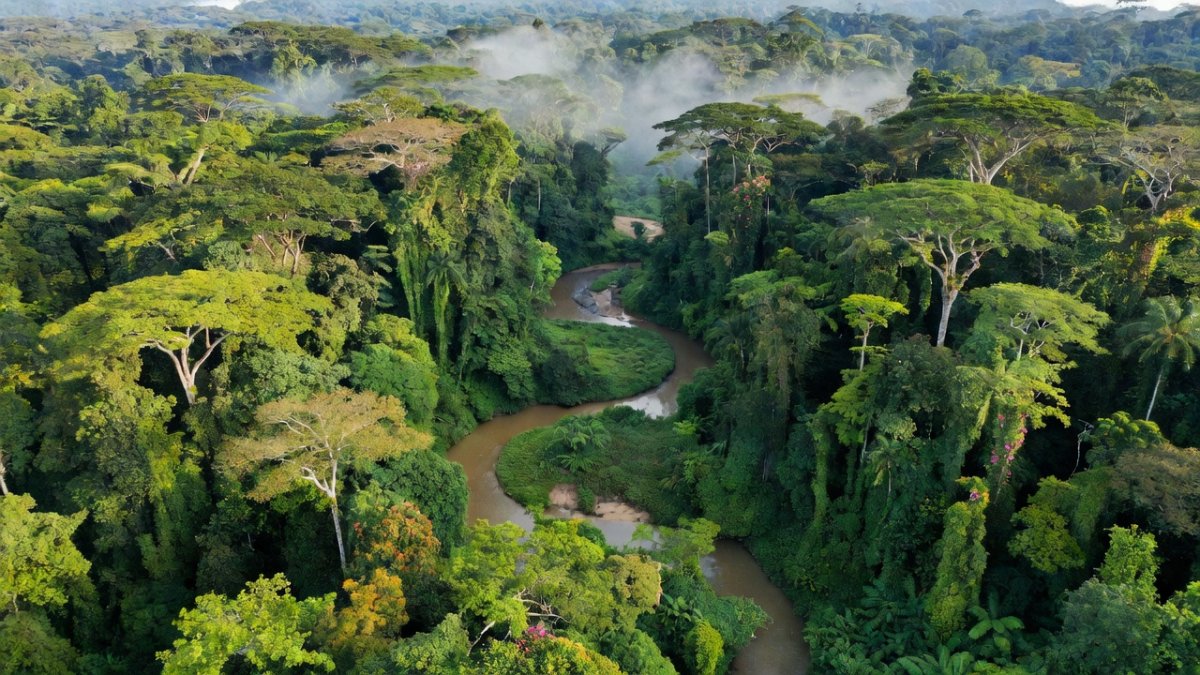
The Rio Platano Biosphere Reserve, World Heritage since 1982 and on the Danger List since 2011, stretches across the departments of Colon, Olancho and Gracias a Dios in eastern Honduras. It remains one of Central America's last tropical rainforests and shelters more than 2,000 indigenous people from Miskitu, Tawahka, Pech and Garifuna communities. Cattle ranching has destroyed more than 70 percent of the region's forests, consistent with FAO findings that cattle ranching drives around 70 percent of deforestation across Latin America. Over 15 years, 101,012 hectares were cleared, equaling 12.14 percent of the reserve's total area. Peak deforestation hit more than 17,000 hectares in 2021; 2024 saw 3,415 hectares cleared, double the 1,790 hectares recorded in 2022-23. ICF's latest report logged 774 hectares in 2025, though methodology changes complicate direct comparison. ICF verified 516 deforestation alerts in the field, identified 64 structures inside the core zone and prepared ten restoration plans covering 150 hectares. Illegal roads now penetrate more than five kilometers into the central zone, with more than 200 pieces of timber counted in a single operation. SERNA and ICF face mounting challenges as these figures illustrate how quickly the reserve's integrity erodes without decisive intervention.
The Guardians of the Moskitia
Indigenous communities stand at the front lines of Rio Platano's defense. The Miskitu Warunta Anthropological Reserve proposal covers more than 65,000 hectares between Wampusirpi and Puerto Lempira, following prior consultations with 14 Miskito communities through the Bakinasta and Fizmos territorial councils. World Bank and UN studies confirm that lands managed by indigenous peoples experience up to 50 percent less deforestation than unprotected areas. Yet OACNUDH's 2025 report documented five forced evictions of Miskito families under the Cero Deforestacion Commission, including one case where dynamite and fire destroyed a home. Yuam Pravia, a Miskito communicator displaced to Tegucigalpa after her Puerto Lempira house was set ablaze in July 2025, describes the Moskitia as "the second lung of the world" and insists the Miskito people still lack full land titles, known as saneamiento. Honduras' "Cero Deforestacion al 2029" national strategy, launched in May 2024 under then-President Xiomara Castro, declared an emergency for the Moskitia with a 19,000-million-lempira budget over five years and secured a September 24, 2024 truce with cattle ranchers outside the core zone. These community-led efforts demonstrate that Latin America's biodiversity future rests on recognizing indigenous territorial rights as central to conservation policy.
Narco-Deforestation and the Patuca III Dam
Drug-trafficking networks finance cattle ranching and road-building inside Rio Platano to consolidate territorial control, a pattern labeled "narco-deforestation." ICF documented illegal roads extending more than five kilometers into the central zone and counted over 200 timber pieces in single operations. The Patuca III hydroelectric dam now operates without a full Strategic Environmental Assessment, a concern UNESCO raised at the 2024 World Heritage Committee session. In July 2025 the committee retained Rio Platano on the Danger List because deforestation doubled in 2024 and Honduras failed to submit a required boundary redefinition proposal. Honduras' new government under President Nasry Asfura, who took office in January 2026, confronts uncertainty after forestry professionals from Colproforh demanded removal of initial ICF director Juan Carlos Ramos for lacking forestry qualifications. These overlapping pressures-criminal economies, infrastructure gaps and institutional turnover-threaten the reserve's 2,000-plus indigenous residents and the broader ecological corridor that sustains Central American biodiversity. Without coordinated enforcement by ICF, SERNA and international partners, narco-driven clearing will continue to outpace restoration plans.
What This Means for Latin America
As of May 2026, 53 sites worldwide sit on UNESCO's List of World Heritage in Danger; six lie in Latin America and the Caribbean, four cultural and two natural, including Rio Platano and Venezuela's Coro and its Port. Tropical rainforests harbor 50 percent of the planet's species, making the combined threats at Machu Picchu and Rio Platano emblematic of a regional crisis. Tourism at Machu Picchu generates vital revenue yet accelerates erosion and waste strain, while Rio Platano's 12.14 percent forest loss over 15 years signals how quickly cattle ranching and narco-economies can dismantle irreplaceable ecosystems. SERNANP, Ministry of Culture, Mincetur, ICF and SERNA each operate under resource constraints that limit rapid response. The August 2026 wildfire at Machu Picchu and the doubling of Rio Platano deforestation in 2024 reveal that climate change amplifies every existing pressure. Latin American nations must integrate indigenous land management, which studies show reduces deforestation by up to 50 percent, with stronger regulatory enforcement and international funding if the region hopes to keep its natural and cultural treasures intact for future generations.
The Bottom Line - Can Latin America Save Its Treasures?
UNESCO states that preserving Machu Picchu and Rio Platano requires sustained cooperation between governments, communities and the international community. The data are stark: 1.5 million visitors at Machu Picchu in 2025, 101,012 hectares lost at Rio Platano over 15 years, five forced evictions documented by OACNUDH, and a new wildfire that halted PeruRail operations. Yet indigenous proposals such as the 65,000-hectare Miskitu Warunta reserve and restoration plans covering 150 hectares demonstrate viable pathways. Ferrocarril Trasandino and PeruRail's swift suspension of trains after the August fire shows operational adaptability, while the 29-person civilian force battling 70-percent slopes illustrates local commitment. The question is whether new Honduran leadership under President Nasry Asfura and Peruvian institutions will prioritize long-term ecological security over short-term economic or political gains. Latin America's vanishing wonders will survive only if regional governments treat indigenous title, rigorous monitoring by SERNANP and ICF, and cross-border funding as non-negotiable foundations rather than optional add-ons. The August 9, 2026 Al Jazeera episode makes clear that time for half-measures has already passed.
By Elena Vasquez, Staff Writer
This article was produced with AI-assisted research and editorial support. Reporting is based on sources cited in the article.
What's Your Reaction?
 Like
0
Like
0
 Dislike
0
Dislike
0
 Love
0
Love
0
 Funny
0
Funny
0
 Wow
0
Wow
0
 Sad
0
Sad
0
 Angry
0
Angry
0

Latin America Correspondent at Global1.News. Based in Mexico City, covering politics, economics, energy, and culture across the region. Brings an on-the-ground perspective to stories spanning from the Rio Grande to Patagonia.















Comments (0)