
Israel Elections Loom as Middle East Tensions Surge After Deadly Houthi Strike
In a video report released by JNS TV on 11 October 2026, correspondents Josh Hasten and Alex Traiman outlined a series of developments that could reshape the security landscape of the Middle East and, by extension, the political calculations of Israel’s upcoming elections.
In a video report released by JNS TV on 11 October 2026, correspondents Josh Hasten and Alex Traiman outlined a series of developments that could reshape the security landscape of the Middle East and, by extension, the political calculations of Israel’s upcoming elections. The centerpiece of the report was a deadly Houthi missile strike on a Saudi Arabian airport that killed twelve people, among them an American citizen. The incident, they argued, has already set off a chain reaction in Washington, where President Donald Trump is reportedly preparing a new, potentially devastating, military response against Iran. The JNS analysis also connected the escalating regional drama to domestic political turbulence in France, concerns for European Jewry, the controversial Nobel Peace Prize nomination of Navi Pillay, and, most pertinently for our readership, the heated debate within Israel over the conduct of the October 7 war and the future of the country’s defence strategy.
Houthi Missile Strike Raises the Stakes in the Gulf
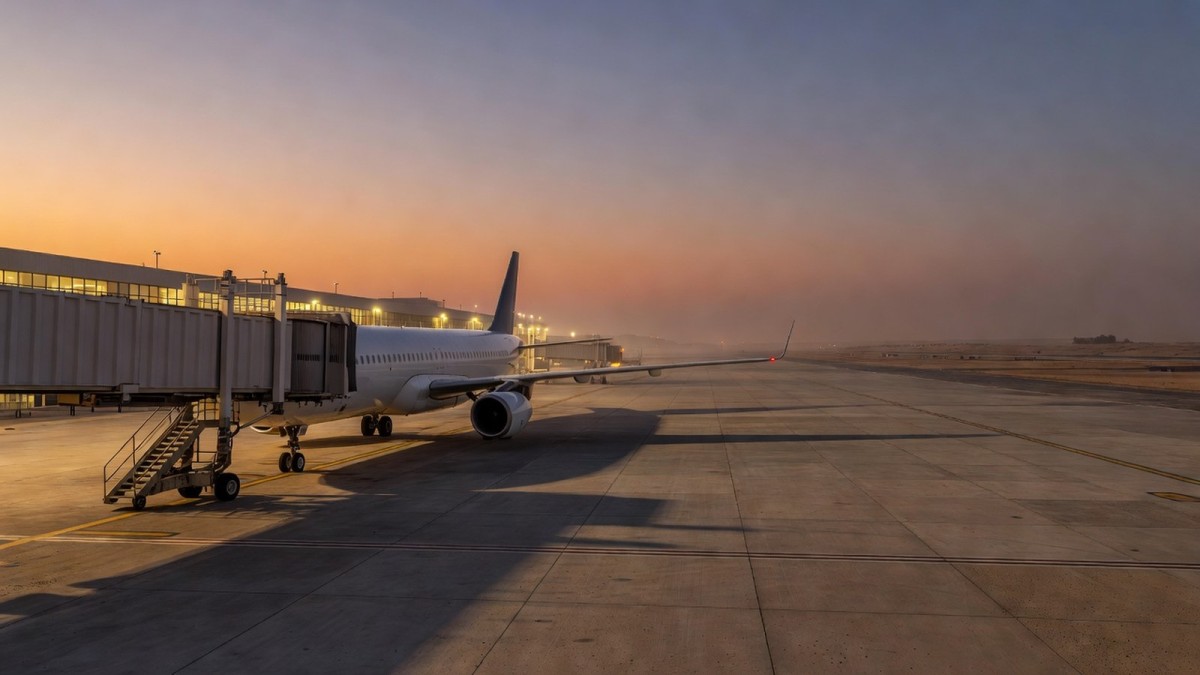
The JNS footage showed the aftermath of a Houthi missile that struck a civilian airport in Saudi Arabia, killing twelve passengers and crew members. Among the dead was an American, a detail that the report highlighted as likely to intensify U.S. pressure on Tehran and its regional proxies. The Houthi movement, aligned with Iran, has increasingly used long‑range missiles to target Saudi infrastructure, a pattern that analysts say reflects a growing confidence in its missile inventory.
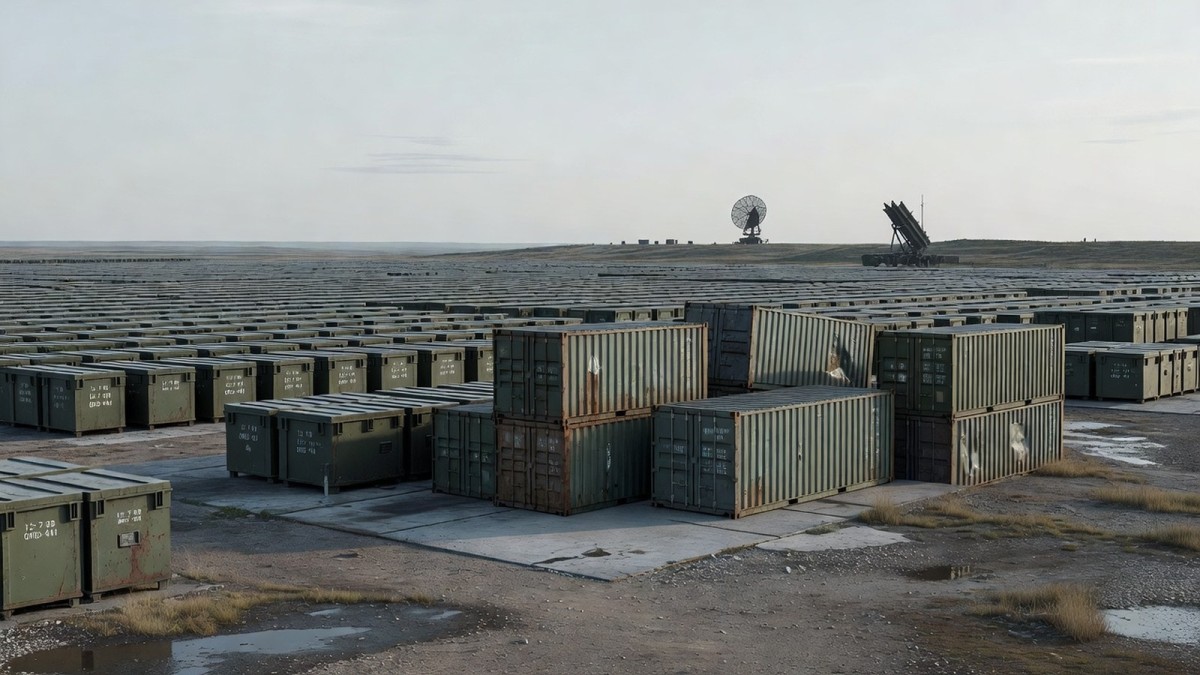
According to the JNS correspondents, the strike underscores a broader Iranian effort to rebuild its missile and drone capabilities after years of sanctions and targeted strikes on its production sites. While the video did not provide specific figures, it noted that intelligence reports point to a resurgence in Iran’s ability to field precision‑guided weapons, a development that could embolden its allies in Yemen, Iraq and Lebanon.
From an Israeli perspective, the resurgence of Iranian missile capacity is a direct threat to Israel’s deterrence posture. The Israeli Defence Forces (IDF) have long warned that any significant upgrade in Iranian strike capabilities would force a reassessment of Israel’s missile defence architecture, particularly the Arrow and David’s Sling systems that protect the northern and southern fronts. The JNS report’s emphasis on the Houthi strike therefore resonates with Israeli security planners who monitor any escalation that could spill over into the Israeli‑occupied territories or the Red Sea corridor.
Washington’s Possible New Assault on Iran
JNS TV’s coverage cited unnamed sources in the White House indicating that President Trump is preparing a “devastating new assault” on Iran. The report did not disclose specific operational details, but it suggested that the administration is weighing a combination of air strikes and cyber operations aimed at crippling Iran’s missile production facilities. The mention of a “devastating” response reflects a tone of escalation that is markedly more aggressive than the limited strikes carried out in previous years.
The potential U.S. move is significant for Israel because Washington’s policy on Iran has traditionally been a cornerstone of Israel’s own strategic calculus. Israeli officials in the Prime Minister’s Office (PMO) have repeatedly called for a strong American response to Iranian aggression, arguing that Tehran’s missile program poses an existential risk to Israeli cities and critical infrastructure. If the United States were to launch a broader campaign, Israel would likely coordinate closely with Washington, possibly providing intelligence and, if needed, limited ground support.
However, the JNS report also hinted at internal debate within the U.S. administration, noting that the scale and timing of any strike remain uncertain. This ambiguity mirrors the ongoing discussion in Israel about the appropriate level of force in response to Iranian proxies. Israeli defence ministers have warned that a disproportionate response could inflame anti‑American sentiment in the Arab world, complicating diplomatic efforts to secure broader regional stability.
Unrest in France and the Threat to European Jewry
Beyond the Gulf, the JNS video turned its lens to violent unrest in France, where recent protests have escalated into clashes that threaten the safety of European Jews. The report described “growing fears” among Jewish communities, citing recent attacks on synagogues and the heightened presence of security forces in major French cities. While the video did not provide casualty numbers, it stressed that the atmosphere of hostility is feeding a broader sense of insecurity among diaspora Jews.
The unrest in France is part of a larger pattern of rising anti‑Jewish sentiment that has been linked, in part, to the fallout from the Israel‑Hamas war that began on 7 October 2023. European governments have struggled to balance freedom of expression with the need to protect minority communities, a tension that has become more pronounced as protests over the war have sometimes crossed the line into outright hate crimes.
For Israeli officials, the situation in France is a reminder of the importance of diplomatic outreach to European allies. The Israeli Foreign Ministry has historically engaged in “public diplomacy” campaigns to counter anti‑Israel narratives and to assure European governments that Israel remains a stable partner. The JNS report’s focus on French unrest underscores the interconnectedness of regional conflicts and diaspora security, a theme that Israeli policymakers are likely to raise in forthcoming diplomatic briefings.
Controversial Nobel Peace Prize Nomination of Navi Pillay
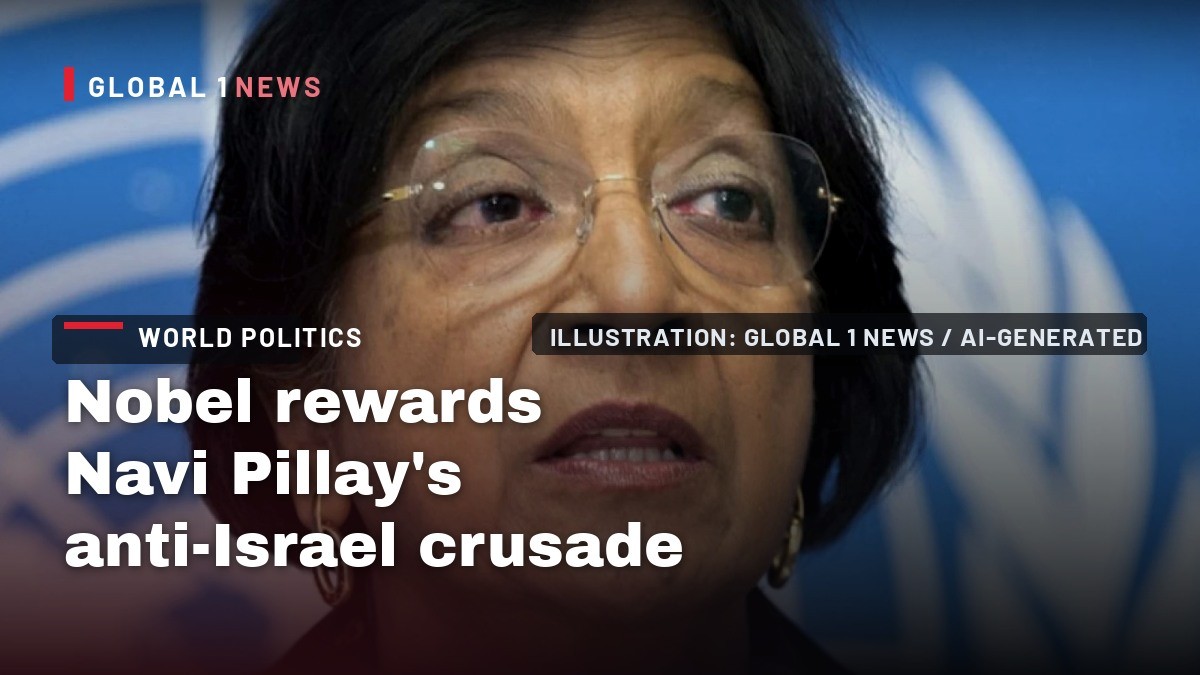
The JNS segment also highlighted the nomination of Navi Pillay for the Nobel Peace Prize, describing the choice as “controversial.” Pillay, a former United Nations High Commissioner for Human Rights, has been praised for her work on gender‑based violence and human rights, yet critics argue that her tenure at the UN was marked by politicised investigations that sometimes targeted Israel.
In the video, the correspondents noted that the nomination has sparked debate among human‑rights organisations and political circles, with some viewing it as a symbolic endorsement of Pillay’s advocacy for vulnerable populations, while others see it as a politicised move that could undermine the credibility of the Nobel institution.
From an Israeli standpoint, the controversy over Pillay’s nomination reflects the broader struggle over international narratives concerning Israel’s security actions. Israeli officials have repeatedly challenged UN inquiries that they deem biased, and the Nobel nomination adds another layer to the diplomatic contest over how Israel’s conduct is portrayed on the world stage. The JNS report’s inclusion of this story signals that the Israeli government will likely monitor the Nobel Committee’s deliberations closely, especially as the award ceremony approaches later this year.
Impending Israeli Elections and the Netanyahu Oct 7 Debate
The heart of the JNS analysis, however, centred on Israel’s own political horizon. With national elections scheduled for early 2027, the report examined how “explosive allegations” surrounding former Prime Minister Benjamin Netanyahu and the October 7 war are shaping the public discourse. According to the video, accusations have emerged that Netanyahu’s government may have mishandled intelligence warnings prior to the Hamas attack, a claim that has intensified internal debate over Israel’s military strategy.
These allegations have fed a bitter debate within Israeli society about the balance between offensive operations and civilian protection. Critics argue that the IDF’s response to the Oct 7 attacks, while ultimately successful in degrading Hamas’s capabilities, involved heavy collateral damage in Gaza, raising moral and strategic questions. Supporters of the government, meanwhile, contend that the scale of the Hamas onslaught required decisive action to prevent further civilian casualties within Israel.
The JNS correspondents suggested that the upcoming elections could become a referendum on Israel’s wartime leadership. Parties across the spectrum are positioning themselves on the issue: right‑wing blocs emphasize security and a hardline stance against Hamas, while centrist and left‑wing parties call for a reassessment of the rules of engagement and greater accountability for wartime decisions. The intensity of this debate is likely to influence Israel’s future defence budgeting, procurement of new weapon systems, and the political will to pursue diplomatic initiatives aimed at a lasting cease‑fire.
Regional Outlook: Could Another Major War Erupt?
Bringing together the strands of the JNS report, the video concluded with a sobering question: “Is the Middle East heading toward another major war, and could the elections in Israel and America determine what happens next?” The analysis linked the Houthi strike, Iran’s missile rebuild, the potential U.S. assault, and the volatile political climate in Israel as interconnected factors that could push the region toward a broader conflagration.
From the perspective of Israeli security analysts, the risk of a wider conflict hinges on several variables. First, Iran’s missile and drone capabilities, if fully restored, could enable Tehran to strike deeper into Israeli territory, prompting pre‑emptive action. Second, the United States’ willingness to engage in a large‑scale operation against Iran could draw Israel into a coordinated campaign, raising the stakes for both militaries. Third, domestic political pressures in Israel, especially the debate over Netanyahu’s wartime conduct, could either constrain or accelerate military decision‑making depending on which coalition ultimately governs.
In sum, the JNS video paints a picture of a region at a crossroads, where a single flashpoint—whether a missile strike in Saudi Arabia or a political scandal in Jerusalem—could ignite a cascade of events. For Israeli readers, the message is clear: the upcoming elections are not merely a domestic contest but a pivotal moment that will shape Israel’s strategic posture in a volatile neighbourhood. As the government prepares its defence briefings and the electorate debates the legacy of October 7, the interplay of regional threats and internal politics will determine whether Israel can maintain its security edge while navigating the complex diplomatic terrain of the Middle East.
By Hannah Berg, Staff Writer
This article was produced with AI-assisted research and editorial support. Reporting is based on the source material cited below. Sources: JNS TV video report (11 October 2026); JNS TV; Global1.News
What's Your Reaction?
 Like
0
Like
0
 Dislike
0
Dislike
0
 Love
0
Love
0
 Funny
0
Funny
0
 Wow
0
Wow
0
 Sad
0
Sad
0
 Angry
0
Angry
0

Israel Correspondent at Global1.News. Based in Tel Aviv, covering Israeli politics, security, technology, and society. Provides balanced, deeply-sourced reporting on one of the most closely-watched regions in the world.











Comments (0)