
Abrego Garcia Leaves the United States for Spain, and Both Sides Call It a Victory
Kilmar Abrego Garcia left the United States voluntarily for Spain after a 20-month legal fight over his mistaken 2025 deportation, with DHS calling it a self-deportation and his lawyers calling it a temporary departure on his terms.
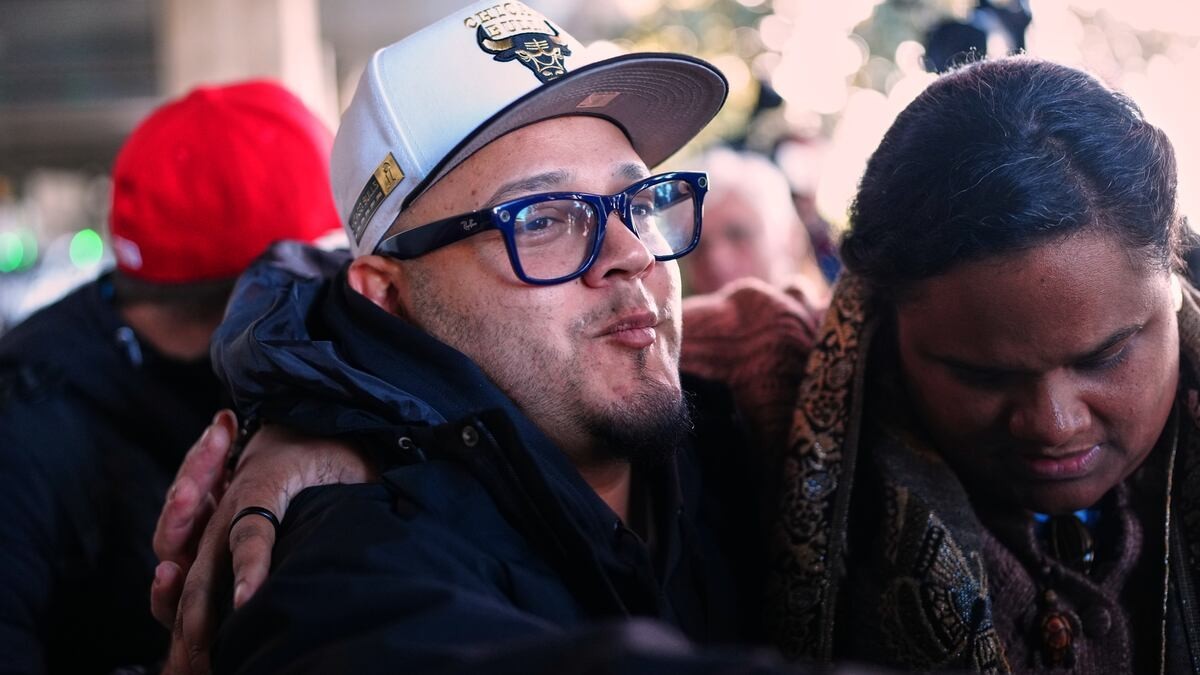
Kilmar Ábrego García walked out of Madrid's airport on Wednesday morning, raised a fist at the cameras, and climbed into a van without saying a word. Twenty months after federal agents put him on a plane to a Salvadoran prison by mistake, he left the United States on a commercial flight he paid for, bound for a country he chose.
Abrego Garcia Leaves the United States for Spain, and Both Sides Call It a Victory
Madrid, Spain — The man whose wrongful deportation became the defining case of this administration's immigration crackdown is out of the country, and nobody in power wants to describe the same departure the same way.
Twenty Months, and a Departure Nobody Agrees How to Name
Ábrego García, 31, arrived at Adolfo Suárez Madrid–Barajas on Wednesday, a day after leaving Washington's Dulles International Airport on a United Airlines flight. What happened in between is not really in dispute. What it means is.
The Department of Homeland Security called it a self-deportation carried out under a removal order, said he paid for his own ticket and received nothing in return, and declared he will never be allowed back into the United States. His attorneys called it something else entirely: a negotiated exit, on his terms, to a country of his choosing, and a temporary one at that. The Associated Press put the contradiction in a single sentence — both his lawyers and the administration "sought to portray the departure as a victory."
That is the shape of this story. A man who spent nearly two years behind bars or on an ankle monitor walked onto a plane as a free man, and the government that fought him for twenty months is now claiming credit for the flight.
What the Government Says Happened
Homeland Security Secretary Markwayne Mullin posted on X late Tuesday that he was "DELIGHTED to announce that Kilmar Abrego Garcia has self-deported from the United States to Spain." In the same statement he repeated a familiar list of allegations against Ábrego García — gang membership, human trafficking, domestic violence. NPR noted that he levelled the gang and trafficking accusations without evidence.
Ábrego García has denied gang membership repeatedly. He has never been convicted of a crime in the United States. The smuggling case the government brought against him was thrown out by a federal judge, a point the department's statement did not mention.
The White House offered its own version through spokesperson Lauren Bis, who said the Salvadoran "chose to self-deport to Spain—a country that has been wrecked by open border policies. Good riddance." The Justice Department did not respond to a request for comment from the New York Times.
What His Lawyers Say Happened
Simon Sandoval-Moshenberg, one of Ábrego García's attorneys, described a very different transaction. "The government wanted to deport him in shackles on an ICE Air flight to Liberia," he said. "Instead, he departed on a commercial aircraft, to a country that he chose, and able to move freely around the world."
He called the departure temporary, saying his client will wait out the remainder of this administration and then seek to return as the husband of a U.S. citizen and the father of a U.S. citizen child. "We don't expect that to happen under this administration, which we know will never give him a fair shake," he said, "but we expect that the next administration will prioritize reunifying this family and bringing him back to Maryland."
Sandoval-Moshenberg told NPR his client had been locked up or on restrictive GPS monitoring for "just shy of two years." He added: "Kilmar Abrego Garcia is going to outlast Donald Trump, and he'll be back in the United States as a lawful permanent resident."
The March 2025 Deportation That Started All of This
Ábrego García came to the United States illegally as a teenager and lived in Maryland for more than a decade. NBC4 and Telemundo 44 first reported that immigration officers arrested him in March 2025, shortly after he collected his then-five-year-old son.
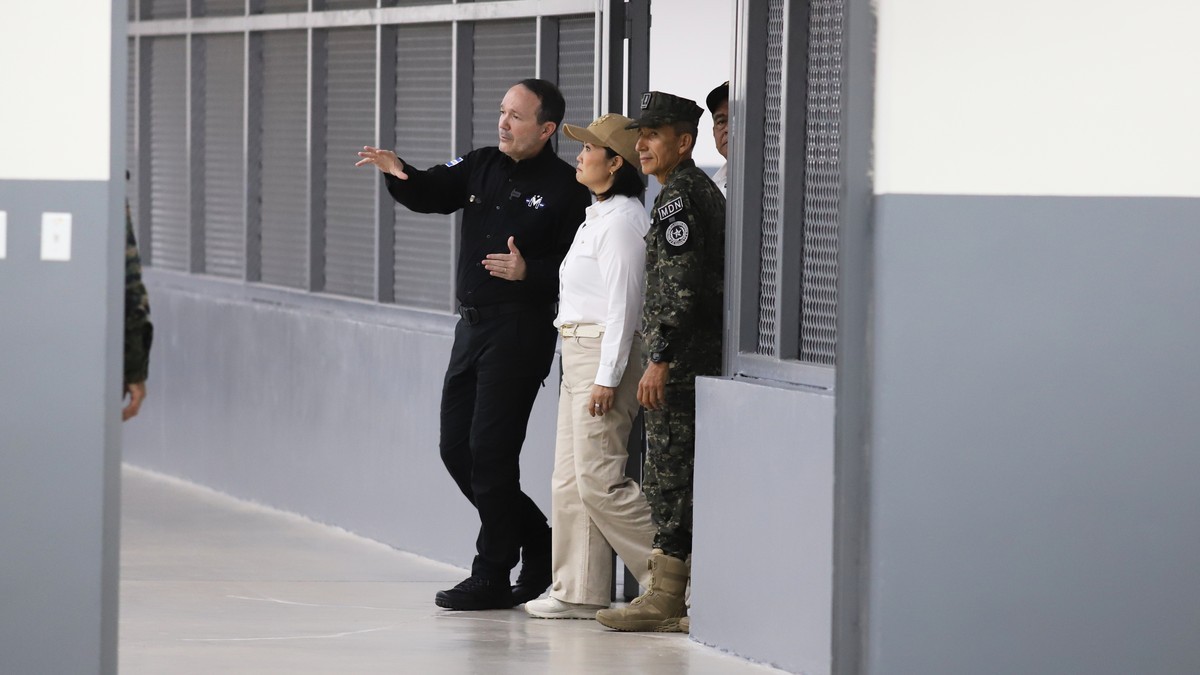
He was flown to El Salvador's CECOT mega-prison despite a 2019 ruling by an immigration judge that he could not be sent home, because a gang there had threatened his family. ICE officials later conceded in court filings that the deportation was an "administrative error." A judge accused the administration of acting in "bad faith" when it claimed it was helpless to comply with an order to bring him back.
He has said he was beaten and sleep-deprived inside CECOT. He was returned to the United States in June 2025, and the Supreme Court had upheld a ruling that he should be brought back.
A Smuggling Case a Judge Called Vindictive
The return came with a condition. Federal prosecutors indicted him on human smuggling charges in Tennessee, built on 2022 bodycam footage of a traffic stop in which police found several other men in his SUV. Prosecutors said he was moving immigrants from Houston to Maryland.
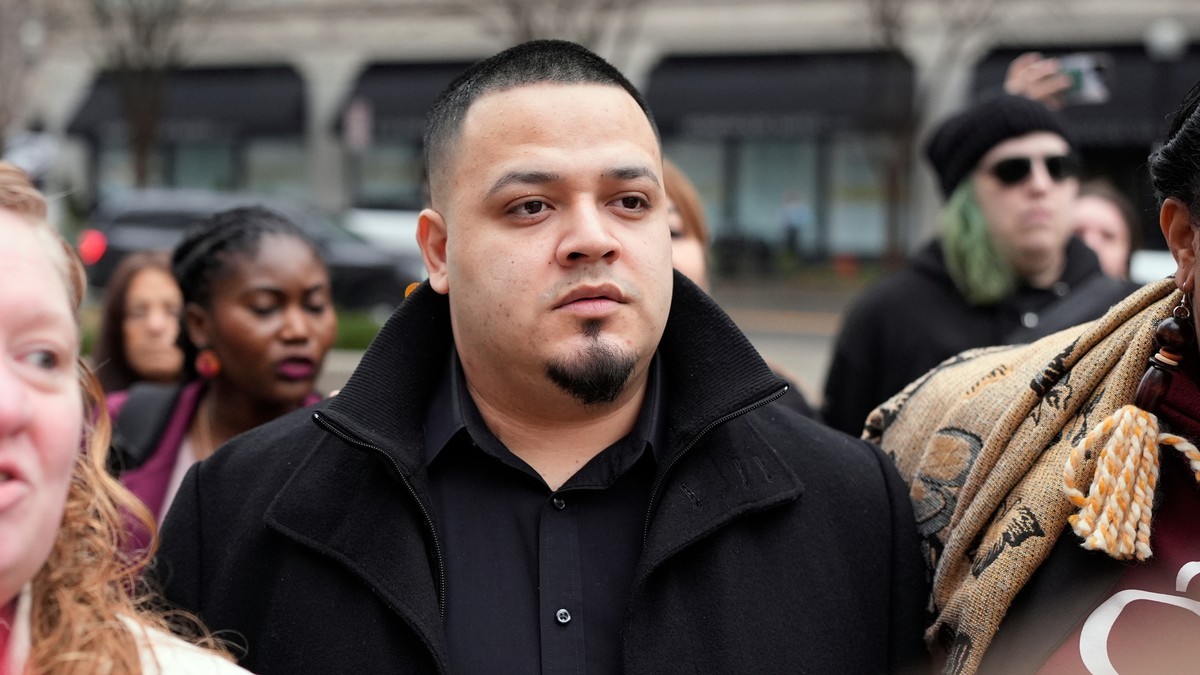
His lawyers argued the case was retaliation for the attention his wrongful deportation had attracted, and in May 2026 a federal judge agreed. The judge dismissed the charges, finding that the Justice Department's pursuit of them was designed to punish him for challenging his removal — a "selective or vindictive prosecution" and an "abuse of prosecuting power."
The government is appealing that dismissal. It is the last live legal proceeding against him in the United States, and it is now running without him in the country.
Liberia, Costa Rica, and the Third-Country Fight
Once the criminal case collapsed, the fight moved to where he would be sent. Ábrego García said he was willing to go to Costa Rica, which his attorneys say offered him refugee status. The administration refused.
Todd Lyons, then the acting director of ICE, wrote in a March 2026 memo that sending him to Costa Rica would be "prejudicial to the United States," because Washington had spent resources and political capital negotiating with Liberia to accept third-country nationals. At various points the government named Uganda, Eswatini, Ghana and, most recently, Liberia.
U.S. District Judge Paula Xinis, who has overseen the case in Maryland, blocked the Liberia removal and wrote in February that the agency had produced "one empty threat after another to remove him to countries in Africa with no real chance of success." A new Costa Rican government said last month it had received no fresh request.
The Sealed Order and the Hearing That Vanished
Seven weeks ago, the case went dark. On 6 October, five minutes before a hearing that would have decided whether ICE could detain and deport him to Liberia, attorneys for both sides walked out of the courtroom with Ábrego García. Xinis had met the lawyers privately in chambers and then cancelled the proceeding without explanation.
Sealed filings followed over the next several weeks, including an order signed on Friday 20 November that remains under seal. A person familiar with the matter told the Associated Press that a judge instructed Ábrego García to self-deport by Tuesday. A U.S. official told NBC News a Maryland federal judge ordered him to leave by Tuesday.
But as of Tuesday evening, nothing on his Maryland court dockets showed any such order. Senator Chris Van Hollen said the two sides reached an agreement. Its terms were never made public.
The Flight Out of Dulles
He left on a United flight from Dulles on Tuesday night, roughly four hours behind schedule. ABC News, which observed the departure, reported that the aircraft was deplaned twice because of mechanical problems and that the departure gate changed three times.
He was accompanied by his wife, Jennifer Vasquez Sura, his brother, one of his attorneys and members of a local immigrant advocacy group. Homeland Security said he paid for his own ticket. The government's alternative, his lawyer said, was an ICE Air flight to West Africa in shackles.
He landed in Madrid on Wednesday and emerged from the terminal at about 1:30 p.m. local time, 7:30 a.m. on the East Coast. He did not speak to the reporters waiting for him. NPR reported there was no indication he entered Spain under any formal agreement with Spanish authorities.
What Happens to Him Now
Ábrego García is expected to travel in Europe for a series of speaking engagements, according to CASA, the Maryland advocacy group that has represented him publicly. The group scheduled a virtual press conference for noon Eastern on Wednesday.
In a statement released as he left, he did not sound like a man who believed he had lost. "I am leaving happy. I am leaving with my freedom," he said. "I am leaving with the love of an entire community, with people who cared for me, believed in me, and joined my family in this fight."
A second statement issued after he landed was sharper. "The U.S. government may be the most powerful government in the world, but justice can still prevail." Van Hollen said he was "relieved that he will be safe, in a country of his choosing, and free."
The Question This Case Leaves Behind
Strip away the press releases and the facts are uncomfortable in both directions. A man with an order protecting him from removal to El Salvador was sent there anyway, and the government's own lawyers eventually called it a clerical mistake. Getting him back took a Supreme Court ruling, a criminal charge a judge later condemned as vindictive, and twenty months of litigation.
The remedy, in the end, was for him to leave the country voluntarily — to a destination he picked, on a ticket he bought, under terms sealed from public view. The government calls that a deportation it won. His lawyers call it a defeat for the government dressed up as one.
Folks, both of those readings can be true at once, and the record that would settle it is locked in a Maryland courthouse. What is not in doubt is where he was on Wednesday morning: out of custody, out of the country, and raising a fist at an airport in Madrid.
By Jessica Ali, Staff Writer
This article was produced with AI-assisted research and editorial support. Sources: The Associated Press, Reuters, NPR, CBC News, ABC News, NBC Washington, The Washington Post, The New York Times, the Los Angeles Times, the Washington Examiner, the Philadelphia Inquirer and PBS NewsHour. Photographs: Francisco Seco/AP (lead image), Salvador Melendez/AP and George Walker IV/AP. Any editorial cover card is produced in-house.
What's Your Reaction?
 Like
0
 Dislike
0
 Love
0
 Funny
0
 Wow
0
 Sad
0
 Angry
0

Editor-in-Chief at Global1.News. Atlanta-based journalist who cuts through the BS and tells it like it is. Lead anchor, host, and the voice you hear when the spin stops and the truth starts.















Comments (0)