
Umm al-Fahm raid sparks outrage over police tactics at henna party
Israeli police raided a pre-wedding henna celebration in Umm al-Fahm on 15 August, using stun grenades and forcing guests to the floor; no weapons were found and no arrests were made. The raid came a day after minister Itamar Ben Gvir boasted about arresting a Palestinian bride and groom in the Negev.
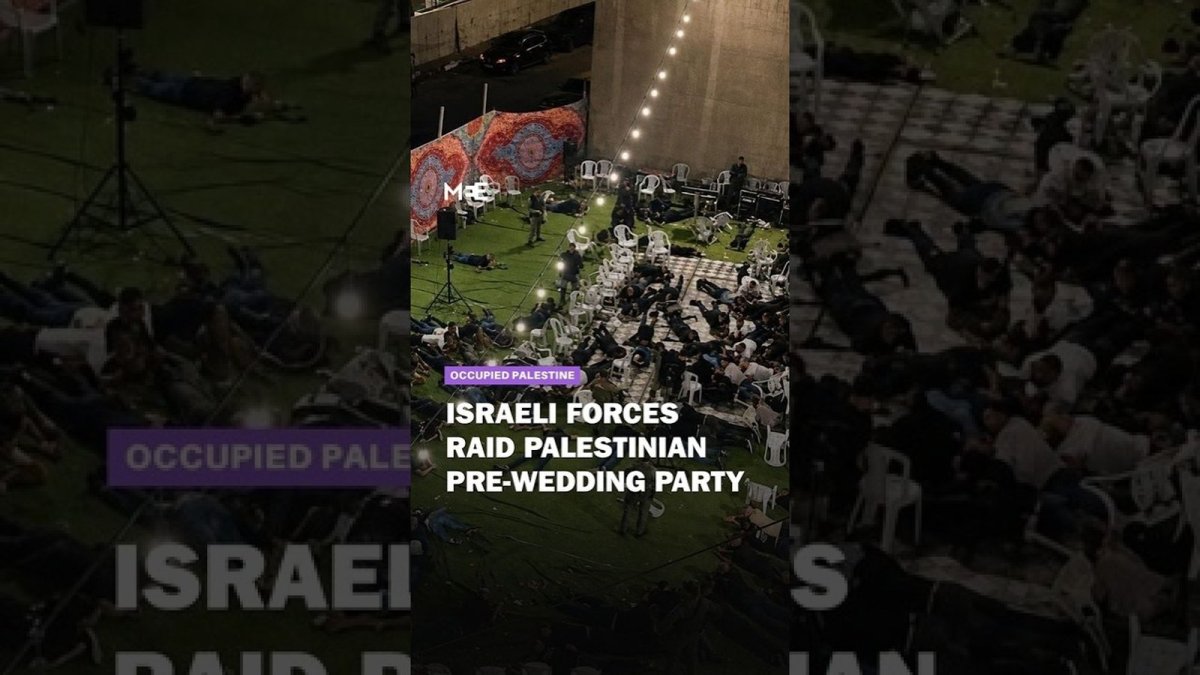
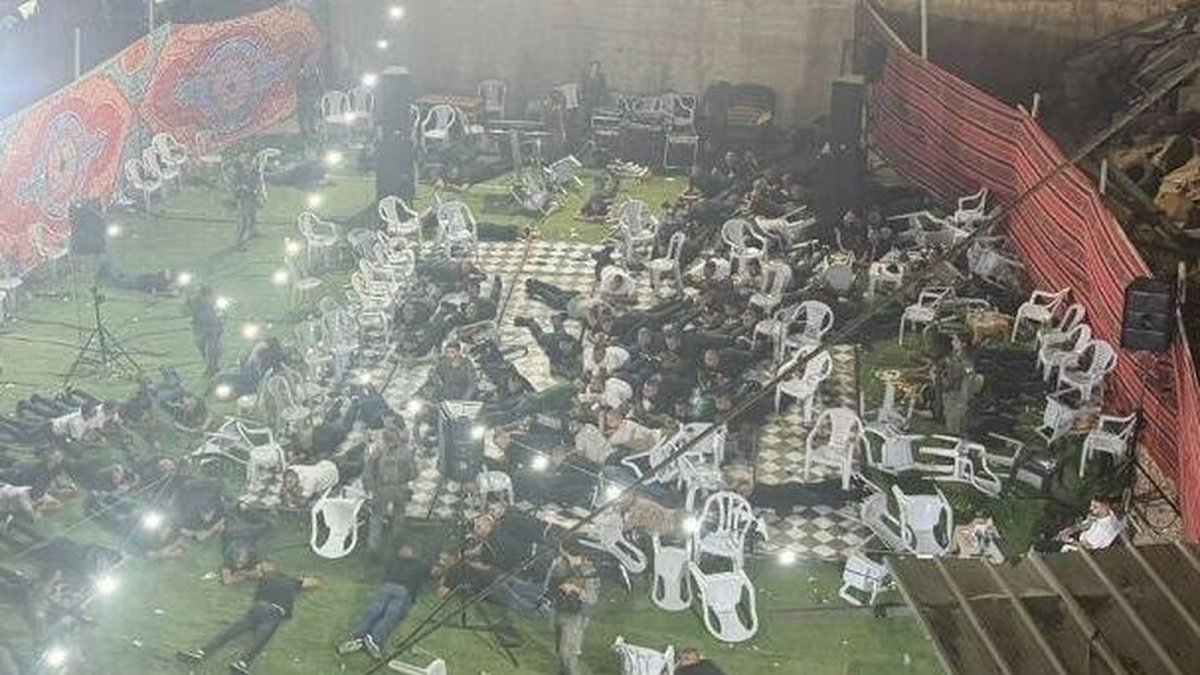
In a recent Middle East Eye video report, the aftermath of an Israeli police raid on a Palestinian pre-wedding henna celebration in Umm al-Fahm was laid bare, showing guests lying face down on a floor strewn with overturned chairs as armed officers stood over them. The footage, published on 16 August 2026, captures a moment of terror that has ignited outrage across the Arab community in Israel, raising urgent questions about the policing of Palestinian daily life.
The incident, which occurred on Saturday night, 15 August 2026, is not an isolated one. It comes just one day after far-right National Security Minister Itamar Ben Gvir boasted about the arrest of a Palestinian bride and groom in the Negev, signalling a troubling pattern of state intervention into the most intimate of family celebrations.
Umm al-Fahm raid sparks outrage over police tactics at henna party
Umm al-Fahm, Israel – August 16 — The sound of wedding drums and joyful ululation was shattered by the detonation of stun grenades on Saturday night, as Israeli police stormed a pre-wedding henna celebration in this Arab-majority city in northern Israel. According to i24NEWS and Israeli media reports, officers entered the venue in force, ordering dozens of guests to lie face down on the floor while conducting searches for suspected firearms. No suspicious items were reportedly found, and no arrests were made, yet the psychological toll on the families involved is likely to linger far longer than the smoke from the grenades.
A Celebration Interrupted: What Witnesses Describe
The groom's father, quoted by Ynet and translated by News in Israel, described the scene with a mixture of disbelief and indignation. "We were dancing when suddenly they burst in and threw grenades. They broke chairs and spoke disrespectfully. We hadn't done anything illegal," he said. His account paints a picture of chaos erupting in what should have been one of the happiest nights of his family's life, a traditional henna ceremony marking the eve of a wedding.
Witnesses cited by the Arab48 news site corroborated this version of events, stating that officers arrived unexpectedly, deployed stun grenades—described by attendees as "sound bombs"—and proceeded to search both the venue and the guests. The police, for their part, said the operation was launched after receiving information about suspected gunfire during the celebration. Officers conducted searches to verify the reports and locate any possible firearms, a statement from police indicated, though the absence of any findings or arrests has done little to quell the anger.
Official Condemnation and Calls for Accountability
The raid has drawn sharp criticism from local officials, most notably Ali Adnan Barakat, a lawyer and member of the Umm al-Fahm municipal council. Barakat condemned the intervention in strong terms, arguing that intimidating guests and disrupting a family celebration required accountability. He called for an investigation if the operation was not supported by sufficient legal grounds, a sentiment echoed by many in the community who see the raid as excessive and disproportionate.
The Times of Israel noted that this was the second police action against marriage celebrations in the Arab community in as many days, a detail that has amplified concerns of a coordinated policy. For residents of Umm al-Fahm, a city of approximately 60,209 people in 2024—nearly all of them Arab Palestinian citizens of Israel—this latest incident feels like a continuation of a long history of surveillance and intervention.
The Ben Gvir Factor: A Pattern of Provocation
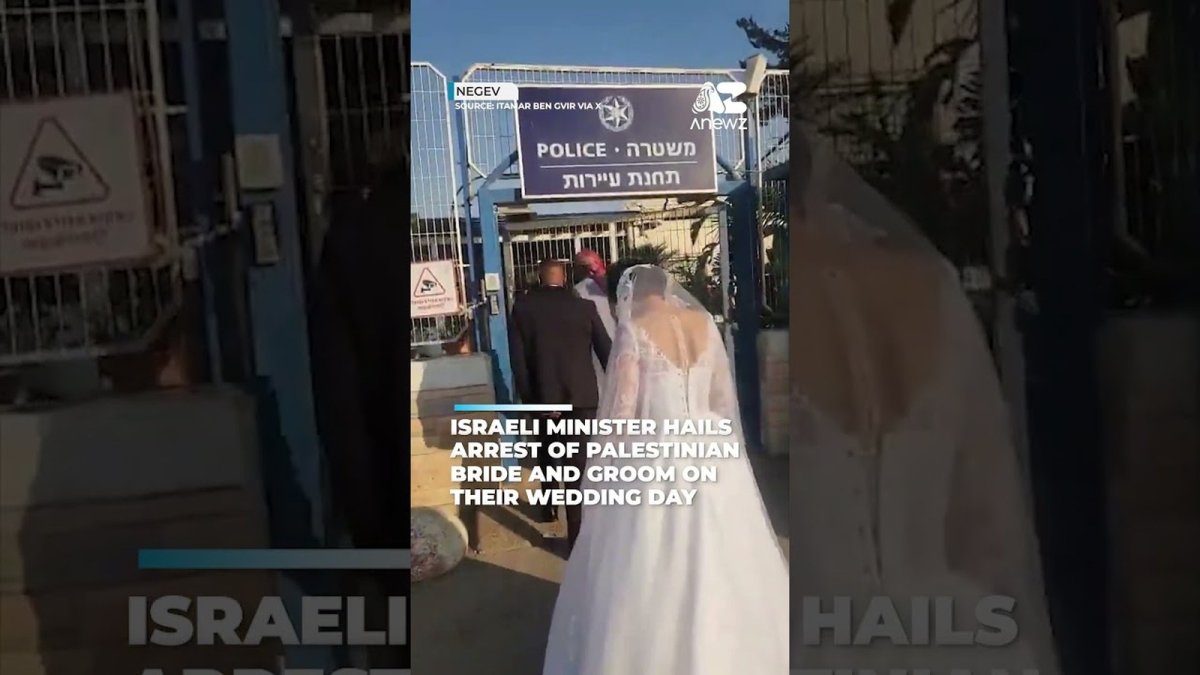
Just 24 hours before the Umm al-Fahm raid, National Security Minister Itamar Ben Gvir was publicly celebrating the detention of a Palestinian bride and groom. On Friday, 14 August 2026, Ben Gvir published footage on X (formerly Twitter) showing police detaining the newlywed couple during their wedding procession in the Negev/Naqab region of southern Israel. The couple, still wearing their wedding clothes, was reportedly taken for questioning after their convoy allegedly disrupted traffic.
Ben Gvir's decision to boast about the arrests on social media has been widely interpreted as a deliberate provocation, signalling his approval of aggressive policing tactics against Palestinian citizens. His history with Umm al-Fahm is well-documented; he has previously staged provocative visits to the city and called for more home demolitions there. For many, the timing of the henna party raid—so soon after his triumphant post—suggests a direct link between political rhetoric and police action on the ground.
Umm al-Fahm: A Symbol of Palestinian Identity in the 1948 Territories
To understand the depth of the outrage, one must appreciate the symbolic weight of Umm al-Fahm itself. Located in the Haifa District of northern Israel, roughly 20 kilometres northwest of Jenin in the occupied West Bank, the city sits in the Wadi Ara region of the Triangle area, on the edge of the Green Line. It is one of the largest Arab-majority cities in Israel and has long been a centre of Palestinian national identity within the 1948 territories, as well as a stronghold of Palestinian political and Islamic movements.
The city's residents are citizens of Israel, yet they face systemic discrimination in housing, education, and policing. For decades, Umm al-Fahm has been a flashpoint for tensions between the state and its Palestinian minority, with Ben Gvir's provocative visits serving as a recurring reminder of that fraught relationship. Saturday's raid, therefore, is not merely an isolated incident of heavy-handed policing; it is a chapter in a longer story of a community struggling for equal rights and dignity within a state that often views it with suspicion.
Broader West Bank Context: Escalation and Impunity
The raid on the henna party must also be viewed against the backdrop of wider regional tensions. In recent months, Israeli forces and settlers have escalated operations in the occupied West Bank, with raids and assaults becoming increasingly common. Separately, according to Press TV, Israeli troops raided a wedding hall at al-Eizariya in the central occupied West Bank and assaulted Palestinians inside, a chilling parallel to the Umm al-Fahm incident.
This pattern of targeting celebratory gatherings—weddings, henna parties, and other communal events—suggests a deliberate strategy of asserting control over Palestinian public life. By disrupting these moments of joy and togetherness, the authorities send a clear message that no space, however private or festive, is beyond their reach. The use of stun grenades in a crowded room full of families, including children and elderly relatives, raises serious questions about proportionality and the rules of engagement for such operations.
Analysis: The Policing of Joy as a Tool of Control
The events of the past two days in Umm al-Fahm and the Negev represent more than just a heavy-handed police response to unverified reports of gunfire or traffic disruptions. They are emblematic of a broader system of control that seeks to regulate and diminish Palestinian cultural expression and daily life. When a bride and groom are dragged from their wedding procession in front of cheering cameras, and when guests at a henna party are forced to lie on the ground among broken chairs, the message is clear: Palestinian joy is suspect, and Palestinian gatherings are inherently threatening.
This approach, championed by Ben Gvir and enabled by a political climate that increasingly tolerates—and even celebrates—such tactics, has profound implications. It erodes trust in the police among Arab citizens, deepens alienation, and fuels the very resentment that hardliners claim to be fighting. The fact that no weapons were found and no arrests were made in Umm al-Fahm only underscores the point: the raid was not about public safety; it was about asserting dominance.
For the families involved, the trauma is immediate and personal. The groom's father's words—"We hadn't done anything illegal"—echo the frustration of a community that feels perpetually criminalised. As calls for an investigation grow louder, the question remains whether any accountability will follow. For now, the images of guests lying face down at what should have been a night of celebration will linger, a stark reminder of the fragile line between citizenship and surveillance in Israel.
This article was produced with AI-assisted research and editorial support. Sources: Middle East Eye, The Times of Israel, i24NEWS, Ynet.
By Fatima Al-Rashid, Staff Writer
What's Your Reaction?
 Like
0
Like
0
 Dislike
0
Dislike
0
 Love
0
Love
0
 Funny
0
Funny
0
 Wow
0
Wow
0
 Sad
0
Sad
0
 Angry
0
Angry
0
Gulf/MENA Correspondent at Global1.News. Based in Doha, covering Gulf politics, energy markets, diplomacy, and development across the Middle East and North Africa. Tracks the economic transformation of the Gulf states.












Comments (0)