
UAE Pays Iran Billions in Frozen Assets to Halt Attacks
In a recent i24NEWS English report titled "Is the UAE paying Iran?", new details emerged about a high-stakes financial arrangement between Abu Dhabi and Tehran, with reports indicating the UAE has released billions of dollars in frozen Iranian assets held in its central banks.
In a recent i24NEWS English report titled "Is the UAE paying Iran?", new details emerged about a high-stakes financial arrangement between Abu Dhabi and Tehran, with reports indicating the UAE has released billions of dollars in frozen Iranian assets held in its central banks. The video, published on August 15, 2026, comes amid a volatile regional landscape following the 2026 US-Israel-Iran war, where the UAE played a surprisingly hawkish role before apparently pivoting to a strategy of financial appeasement. The reports raise critical questions about whether the Gulf is entering a new era of "protection-money diplomacy" and what that means for Israel's security architecture in the region.
UAE's Reported Billions to Tehran: Protection Money or Pragmatic De-escalation?
Jerusalem, Israel — The UAE has reportedly delivered approximately $3 billion to Iran and agreed to release billions more in frozen assets to halt Iranian missile and drone attacks, according to a June 12, 2026 Reuters report citing four sources familiar with the matter. Two regional sources told Reuters the total package could reach $10 billion, while two other sources placed the figure as high as $20 billion. Reuters could not determine whether the funds came directly from UAE state coffers or from long-blocked Iranian accounts held in Emirati banks, a distinction that carries significant legal and diplomatic weight.
The UAE official statement in June framed the move as part of Abu Dhabi's broader effort to "reduce tensions and support regional stability." But the timing and scale of the payments suggest something more transactional: a direct quid pro quo to stop Iranian attacks on Emirati territory and shipping. Iran last directly attacked the UAE on May 4, 2026, striking Fujairah port, a critical oil transshipment hub on the Gulf of Oman. In recent weeks, Iran has attacked Bahrain, Kuwait, and Jordan in retaliation for US strikes but has noticeably avoided the UAE — a silence that analysts say was likely purchased.
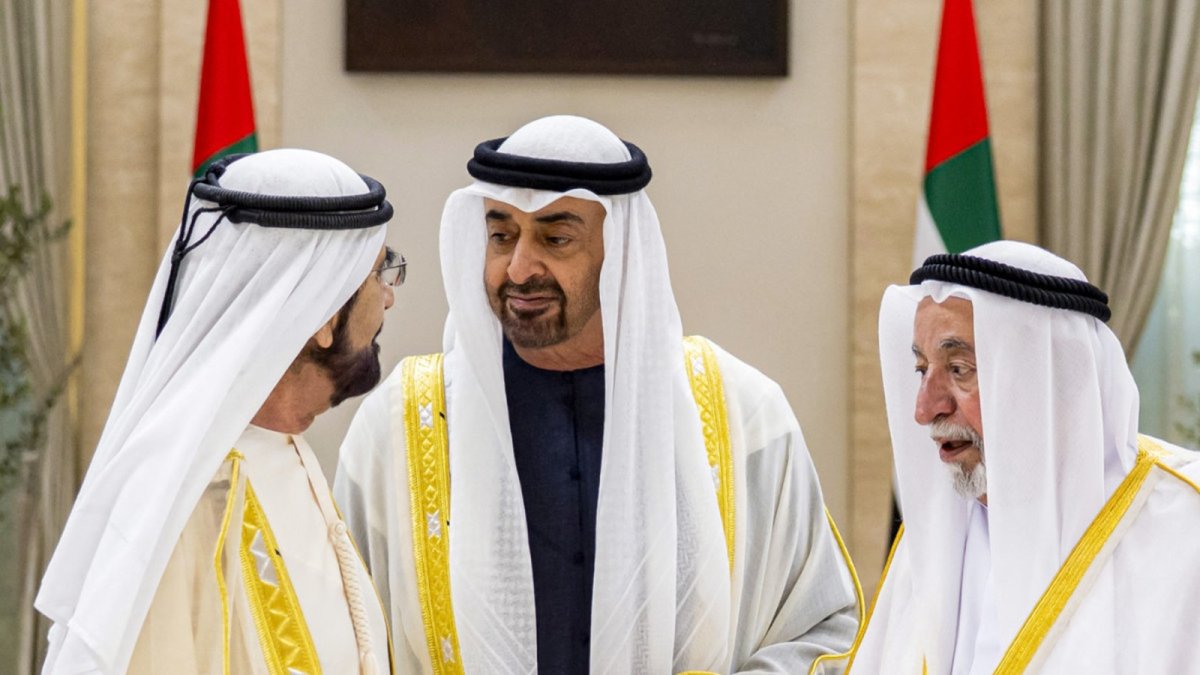
The UAE's financial relationship with Iran is not new. For decades, Dubai has served as a financial hub for Iranian businesses, and Iranians remain major players in UAE real estate markets. What is new is the scale and the explicit security dimension of these transfers. The reported $3 billion already delivered, with potentially $17 billion more to come, represents one of the largest single financial accommodations between a Gulf state and Iran since the 1979 Islamic Revolution.
From Hawk to Dove: The UAE's Wartime Reversal
The UAE's reported payments mark a stunning reversal from its posture during the 2026 war. According to multiple reports, the UAE was the most hawkish Gulf state during the US-Israel-Iran conflict, joining the US and Israel in dozens of strikes on Iranian targets. Abu Dhabi lobbied Washington to continue the war, attempted to prevent Pakistan from mediating a ceasefire, and even called in Saudi debt obligations — forcing Riyadh to supply a fresh loan to Islamabad to keep Pakistan aligned with the anti-Iran coalition.
Israeli Prime Minister Benjamin Netanyahu made a wartime visit to the UAE, and the two countries sealed a deal for a joint defense acquisition fund, as reported by Middle East Eye. The Abraham Accords, signed in 2020, had already established deep security cooperation between Jerusalem and Abu Dhabi, but the wartime partnership appeared to elevate it to a new level of operational integration.
Yet even as the UAE was striking Iran militarily, it was simultaneously opening back-channel diplomatic lines. Bloomberg reported that the UAE hosted members of Iran's Islamic Revolutionary Guard Corps (IRGC) for a meeting with Sheikh Tahnoun bin Zayed al-Nahyan, the UAE national security adviser and deputy ruler of Abu Dhabi. The IRGC officials, who remain under US sanctions, reportedly stayed at Tahnoun's guest house. The UAE also dispatched diplomats for face-to-face talks with senior Iranian officials in Tehran, according to the same Bloomberg report.
This dual-track approach — military hawkishness combined with diplomatic outreach — reflects the UAE's long-standing strategy of hedging its bets. But the reported financial transfers suggest that hedging has now tipped decisively toward accommodation. The question for Israel is whether Abu Dhabi's pivot represents a temporary tactical adjustment or a permanent strategic realignment.
Strait of Hormuz: The Chokepoint That Changed Everything
The context for the UAE's payments cannot be understood without examining the Strait of Hormuz, the 21-mile-wide channel that carries approximately 21 million barrels of oil daily — roughly 21% of global petroleum consumption. Iran has blocked the strait since February 28, 2026, following the outbreak of the US-Israel air war and the assassination of Supreme Leader Ali Khamenei. The closure sent shockwaves through global energy markets and fundamentally altered the strategic calculations of every Gulf state.
A brief April ceasefire and a June Memorandum of Understanding (MOU) reopened the strait toll-free around June 17, but the arrangement broke down in early July. Since then, Iran has insisted on imposing transit fees on all shipping passing through the strait, while the US has demanded free transit under international maritime law. Iran's Foreign Minister Abbas Araghchi has stated that the strait is open to all nations except the US, Israel, and their allies — a formulation that effectively weaponizes the waterway against Washington and Jerusalem while offering a path to normalization for others.
On August 5, 2026, Iran and Oman finalized an agreement on the geographic coordinates of a proposed Hormuz shipping route, according to Iranian Foreign Ministry spokesman Esmaeil Baghaei. The joint statement covered technical, legal, security, and environmental aspects of the arrangement. But even as Tehran and Muscat finalized this framework, Iran targeted a UAE oil tanker transiting the strait on August 8, 2026 — a stark reminder that the IRGC remains willing to use force to enforce its demands. The IRGC has boarded and attacked merchant ships, laid sea mines, and warned against passage without Iranian approval. Eight shipping lobby groups have formally protested the proposed transit fees.
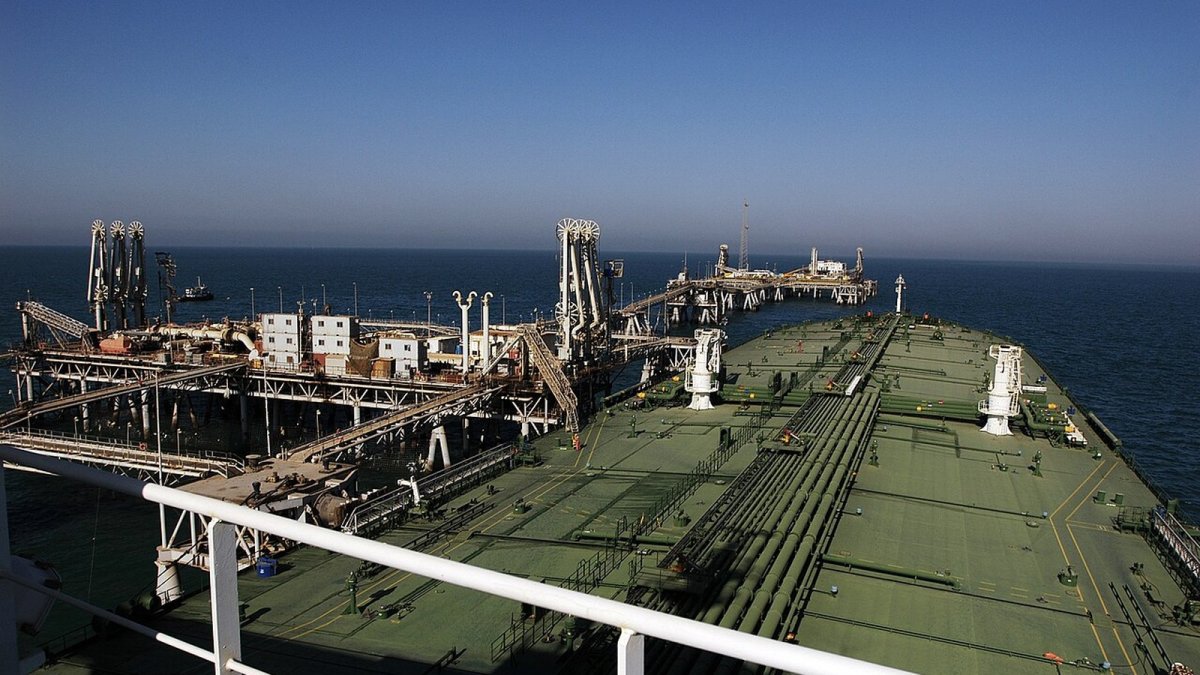
For the UAE, the stakes could not be higher. Fujairah port, already struck once by Iran, sits just outside the strait and serves as a critical alternative export route when Hormuz is threatened. The UAE's entire economic model — built on trade, logistics, and financial services — depends on stable maritime access. Paying Iran billions to secure that access may be unpalatable, but for Abu Dhabi, the alternative is existential.
Diplomatic Denials and the Fog of Gulf Finance
On August 13, 2026, the UAE Ministry of Foreign Affairs issued a strongly worded statement categorically denying any release, transfer, or facilitation of frozen Iranian funds or gold through its banking network. Emirati officials emphasized their commitment to regional stability through diplomatic channels. US officials also rejected claims of any side agreement involving frozen Iranian funds, according to reports.
The denials came just days after reports from The Hormuz Letter and other sources on X claimed that a UAE Royal Jet Boeing 737-7KK had operated flights from Abu Dhabi to Iran on August 11-12, 2026, landing at Mehrabad Airport in Tehran and Payam Airport in Karaj before returning to the UAE. The reports cited approximately 1.5 tonnes of gold on board, valued between $200 million and $283 million.
The UAE's categorical denial is notable for its specificity — the Foreign Ministry did not merely dismiss "reports" but explicitly denied "any release, transfer, or facilitation of frozen Iranian funds or gold through its banking network." This level of detail suggests the UAE anticipated the reports and prepared a comprehensive rebuttal. Yet the denials have done little to quell speculation, particularly given the UAE's history of opaque financial dealings with Iran.
The timing of the reported gold transfers is also significant. They came just days after the August 8 tanker attack and the August 5 Iran-Oman framework agreement — suggesting either a coordinated diplomatic push or a desperate attempt to buy safety after a renewed Iranian strike. The fact that the UAE Royal Jet, a government-operated aircraft, was reportedly used adds another layer of official involvement that the Foreign Ministry's denial does not fully address.
Regional Precedent: Who Pays Next?
Analysts say the UAE's reported arrangement could set a dangerous precedent for other Gulf states. Bahrain, Kuwait, Saudi Arabia, Jordan, and Qatar all hold Iranian assets frozen under international sanctions. If the UAE's payments successfully purchased a halt to Iranian attacks, other Gulf states may conclude that unfreezing blocked assets is the most cost-effective path to security.
This dynamic is particularly acute for Bahrain and Kuwait, both of which were attacked by Iran during the 2026 war. Bahrain hosts the US Fifth Fleet, making it a prime target for Iranian retaliation. Kuwait's oil infrastructure is similarly exposed. Saudi Arabia, which has deeper pockets but also deeper historical rivalries with Iran, may face pressure from its Gulf neighbors to follow the UAE's lead.
For Israel, the implications are deeply concerning. The UAE was Israel's most important Gulf partner, providing intelligence cooperation, airspace access, and diplomatic support during the war. If Abu Dhabi is now paying Iran for non-aggression, it raises questions about the reliability of the Abraham Accords as a security framework. Israeli officials have not publicly commented on the reported payments, but the defense establishment in Tel Aviv is undoubtedly watching closely.
The reported joint defense acquisition fund between Israel and the UAE, sealed during Netanyahu's wartime visit, now appears to exist in tension with Abu Dhabi's parallel payments to Tehran. Israel may need to reassess its intelligence-sharing arrangements with the UAE, particularly regarding Iranian military capabilities and IRGC movements.
Oil Markets and the Road Ahead
Oil prices fell toward $81 per barrel as traders watched Hormuz reopening efforts, with WTI having climbed more than 5% during the week. The market's reaction suggests cautious optimism that the strait may eventually reopen, but the underlying volatility remains extreme. Every Iranian statement, every tanker movement, and every diplomatic communiqué moves prices by several dollars.
The UAE's reported payments to Iran, if confirmed, would represent a fundamental shift in Gulf security dynamics. The region is moving from a model of collective defense against Iran — embodied in the Abraham Accords and the US-led coalition — to a model of individual accommodation. Each Gulf state is now negotiating its own security arrangement with Tehran, with the UAE leading the way.
For Israel, this means the regional landscape is becoming more fragmented and less predictable. The UAE's pivot does not necessarily mean an end to Israeli-UAE cooperation, but it does mean that cooperation will now exist alongside a parallel financial relationship with Iran. Jerusalem will need to recalibrate its expectations and its intelligence assessments accordingly.
The coming weeks will be critical. If the reported payments succeed in halting Iranian attacks on the UAE, other Gulf states will likely follow suit. If they fail — if Iran continues to strike Emirati targets despite the billions transferred — the entire strategy of protection-money diplomacy will be discredited, and the region may return to open conflict. Either way, the Gulf has entered a new and uncertain phase, where the line between diplomacy and extortion has become dangerously blurred.
This article was produced with AI-assisted research and editorial support. Sources: i24NEWS English, Reuters, Middle East Eye, Iran International.
By Hannah Berg, Staff Writer
What's Your Reaction?
 Like
0
Like
0
 Dislike
0
Dislike
0
 Love
0
Love
0
 Funny
0
Funny
0
 Wow
0
Wow
0
 Sad
0
Sad
0
 Angry
0
Angry
0

Israel Correspondent at Global1.News. Based in Tel Aviv, covering Israeli politics, security, technology, and society. Provides balanced, deeply-sourced reporting on one of the most closely-watched regions in the world.














Comments (0)