
The Week Israel Held Its Breath: Mother and Daughter Found Alive in Argentina
For seven days, the Yahalomi family lived every parent's nightmare. Mali Yahalomi, 50, and her daughter Liel, 23, residents of the Modi'in area, had vanished somewhere between the cobblestone streets of Vienna and the uncertainty of a silent phone line.
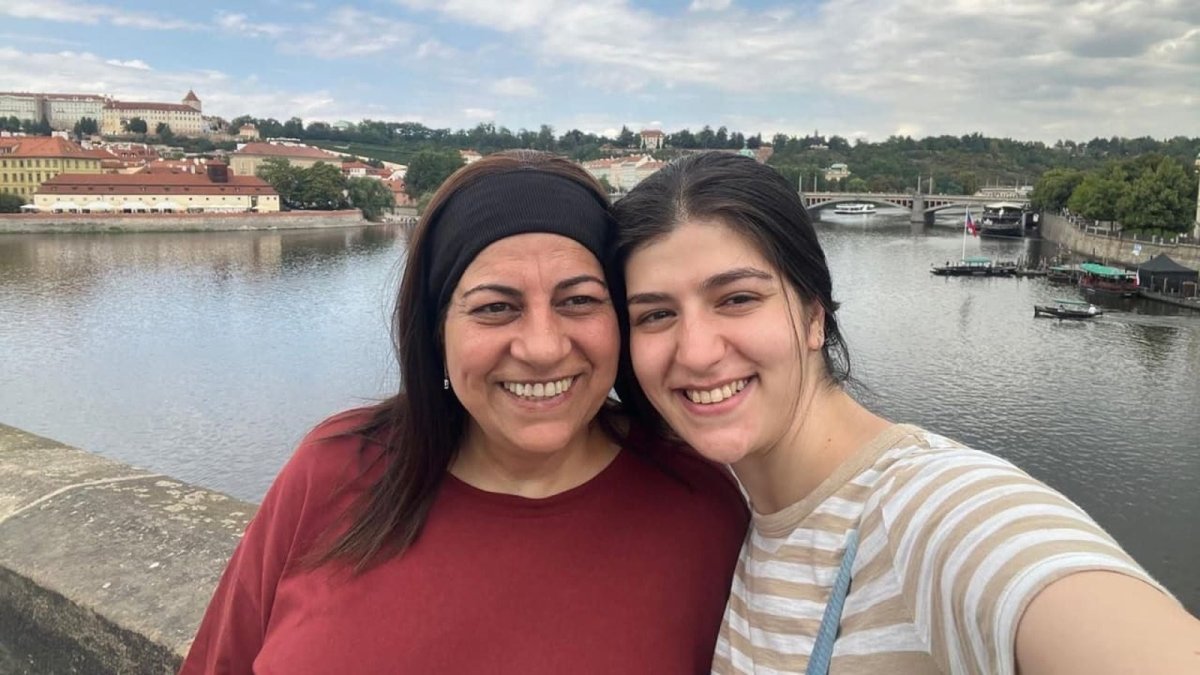
For seven days, the Yahalomi family lived every parent's nightmare. Mali Yahalomi, 50, and her daughter Liel, 23, residents of the Modi'in area, had vanished somewhere between the cobblestone streets of Vienna and the uncertainty of a silent phone line. Their last regular contact with family was on Friday evening, August 7, 2026, while traveling through Europe. By the time their phones were discovered abandoned near a Vienna train station, the fear gripping Israel was palpable — a story of two missing women that dominated news cycles, WhatsApp groups, and prayers in synagogues from Tel Aviv to Jerusalem.
Missing in Vienna, Found in Buenos Aires: The International Hunt for the Yahalomi Women Ends in a Surprise Twist
Jerusalem, Israel — The Israel Police confirmed on Friday night, August 14, 2026, that Mali and Liel Yahalomi had been found alive and safe in Argentina. The dramatic resolution came not in a European capital, but aboard an intercity bus in Buenos Aires, where an Israeli police representative boarded and calmly greeted the two women with a simple, now-iconic phrase: "Hi Mali, hi Liel." The week-long saga, which began with a routine European vacation and spiraled into an international manhunt, has ended with more questions than answers — but with a profound sense of relief for a nation that had been watching closely.
A Vacation That Turned Into a Mystery
The timeline of the disappearance reads like a thriller. The mother-daughter duo left Israel for Prague the previous Tuesday, landing in the Czech capital before continuing to Vienna, where they rented an apartment. They were scheduled to return to Israel from Prague on Tuesday, August 11. But when they failed to make contact, and their phones were later found near a Vienna train station, the alarm was raised. The discovery of the abandoned devices suggested foul play to many, prompting a coordinated search involving Israeli and Austrian authorities, Interpol, and the Israel Police's elite Lahav 433 unit.
For the family back in Modi'in, the wait was agonizing. "We were very happy to learn the women had been found alive," Mali's brother told N12, speaking on behalf of the family. "Questions remain, but the immediate relief that they are safe is overwhelming." The family's gratitude extended to the Israeli police, the consul in Vienna, Magen David Adom, and the volunteer searchers who scoured European cities for any sign of the pair. A crowdfunding campaign launched during the search raised significant funds, but the family has already announced that all donations will be returned to the contributors.
The Viral Moment: A Police Officer's Calm Reassurance
In an age of digital immediacy, the release of police footage from the rescue became an unexpected cultural touchstone. The video shows Israel Police South America representative Walter Alejandro Kogan boarding the bus in Buenos Aires, approaching the women with a demeanor that was equal parts professional and paternal. "I'm Walter, the police representative in South America, OK? From the Israel Police Intelligence Division... I want to ask you a few questions. We were very worried about you, OK?... I'm going to get everyone off the bus, and then we'll talk, OK?"
The brief Hebrew exchange went viral across Israeli social media, inspiring a wave of memes and turning Kogan into an unlikely celebrity. For a nation often accustomed to high-drama security operations, the sight of a police officer calmly asking two missing citizens if they were alright struck a chord. It was a human moment in a story that had been anything but. The footage underscored a simple truth: behind the intelligence operations and international coordination, there were two women who had chosen to disappear — and a police force that refused to stop looking for them.
What the Investigation Revealed
As the initial shock of the discovery subsided, investigators began piecing together the puzzle. According to reporting from Ynet, authorities suspect that the two women recorded videos for their family while still in Vienna but sent them only after leaving the country, deliberately creating the impression that they were still in Austria. The investigation also found that the pair had purchased replacement phones and developed plans to leave Europe, driven by what investigators described as "personal financial circumstances."
KAN reported a more startling detail: the two women had allegedly planned to change their identity and establish new lives in Argentina. Mali reportedly told the investigator who found them that she wanted a fresh start. The exact reasons for cutting off contact and traveling to the other side of the world remain under investigation, though authorities have categorically ruled out criminal wrongdoing. A police source told Ynet, "The two left voluntarily. The police representative ensured that there was no danger to their lives, and that they were not threatened and could continue on their way."
A Police Operation Without Borders
The operation to locate the Yahalomis was a testament to the reach of Israeli law enforcement. Under the direction of Police Commissioner Dan Levy, the police, led by Unit 433 and the Police Intelligence Division, conducted extensive operations in Israel and abroad, operating 24/7 and allocating all necessary resources. "Hundreds of investigative actions" were carried out, according to a police statement, with representatives operating in several countries under the commissioner's direction, using intelligence capabilities that ultimately led to the discovery in Argentina.
The cooperation with Austrian authorities was critical. Austrian police had determined early on that the pair had left Austria of their own volition — reportedly by train toward Germany and then by air to Argentina. This intelligence, combined with Interpol's global reach and the on-the-ground work of Kogan, narrowed the search to South America. The Israel Police expressed gratitude for the cooperation from numerous agencies, including Europol, highlighting a network of international partnerships that often goes unnoticed by the public.
The Human Story Behind the Headlines
For Israelis, the Yahalomi case resonated on a deeply personal level. In a small country where everyone feels connected to everyone else, a missing person is not just a news item — it is a communal wound. The week of uncertainty was marked by public prayers, social media campaigns, and a collective holding of breath. The fact that the women were found alive, and that they had left voluntarily, has left many grappling with mixed emotions: relief that they are safe, confusion over their motives, and a lingering sadness for a family that must now process a decision that upended their lives.
The family's response has been measured and dignified. While questions remain, they have stressed their immediate relief that the two are safe. The decision to return crowdfunding donations speaks to a family that, even in crisis, remained mindful of the public's generosity. For Mali's brother, the focus is on the future: "We are very happy to learn the women had been found alive," he said, encapsulating a sentiment that echoed across the nation.
What This Says About Israeli Society
The case has also sparked a broader conversation about the pressures facing Israeli families. The investigation's findings — financial difficulties, a desire for a fresh start, plans to change identity — point to a silent struggle that many may face but few discuss. In a society often defined by its resilience and collective spirit, the Yahalomi story is a reminder that individual crises can sometimes lead to drastic, inexplicable actions. The public's response, however, has been overwhelmingly compassionate, focusing on the safe return of the women rather than judgment of their choices.
The viral moment with Kogan also highlighted a unique aspect of Israeli culture: the ability to find humanity and even humor in tense situations. The memes and social media tributes to the officer were not mocking but affectionate, celebrating a public servant who did his job with empathy and professionalism. It was a small, unifying moment in a week that had been fraught with anxiety.
The Road Ahead
From a criminal perspective, the case is considered closed. The women are free to continue as they choose, with no grounds for arrest or detention. But the emotional and psychological aftermath is far from over. For Mali and Liel, the journey to Argentina was a bid for a new life; for their family in Modi'in, it was a week of terror followed by a complicated reunion. The coming months will likely involve difficult conversations, professional support, and a slow process of rebuilding trust.
For the Israel Police, the operation was a success story — a demonstration of capability, persistence, and international cooperation. Commissioner Dan Levy's directive to allocate all necessary resources, the tireless work of Lahav 433, and the dedication of representatives like Kogan ensured that two Israeli citizens were found safe, thousands of kilometers from home. The police statement, expressing gratitude to all involved, underscored a commitment to leaving no stone unturned, even when the trail leads across oceans.
A Story of Relief and Reflection
As Israel moves on from the Yahalomi saga, the story leaves behind a complex legacy. It is a tale of a family's worst fears realized and then alleviated; of a police force operating at the height of its powers; and of two women whose choices remain shrouded in mystery. The images of Kogan boarding that bus in Buenos Aires will linger in the national memory — a reminder that sometimes, the most profound acts of heroism are quiet, calm, and deeply human.
For now, the Yahalomis are safe. The questions that remain are for them to answer, in their own time, on their own terms. The rest of Israel can only watch, hope, and reflect on a week that tested the nation's collective heart — and ultimately, found it beating strong.
This article was produced with AI-assisted research and editorial support. Sources: The Jerusalem Post, Israel Police statements, Ynet, KAN, N12.
By Hannah Berg, Staff Writer
What's Your Reaction?
 Like
0
Like
0
 Dislike
0
Dislike
0
 Love
0
Love
0
 Funny
0
Funny
0
 Wow
0
Wow
0
 Sad
0
Sad
0
 Angry
0
Angry
0

Israel Correspondent at Global1.News. Based in Tel Aviv, covering Israeli politics, security, technology, and society. Provides balanced, deeply-sourced reporting on one of the most closely-watched regions in the world.














Comments (0)