
‘Why did you cheat?’: How sharing Jensen Huang’s name became blessing and a headache for AI founder
When a 24‑year‑old Indian software engineer discovered that his name was identical to Nvidia’s charismatic chief executive Jensen Huang, he initially saw a branding boon.
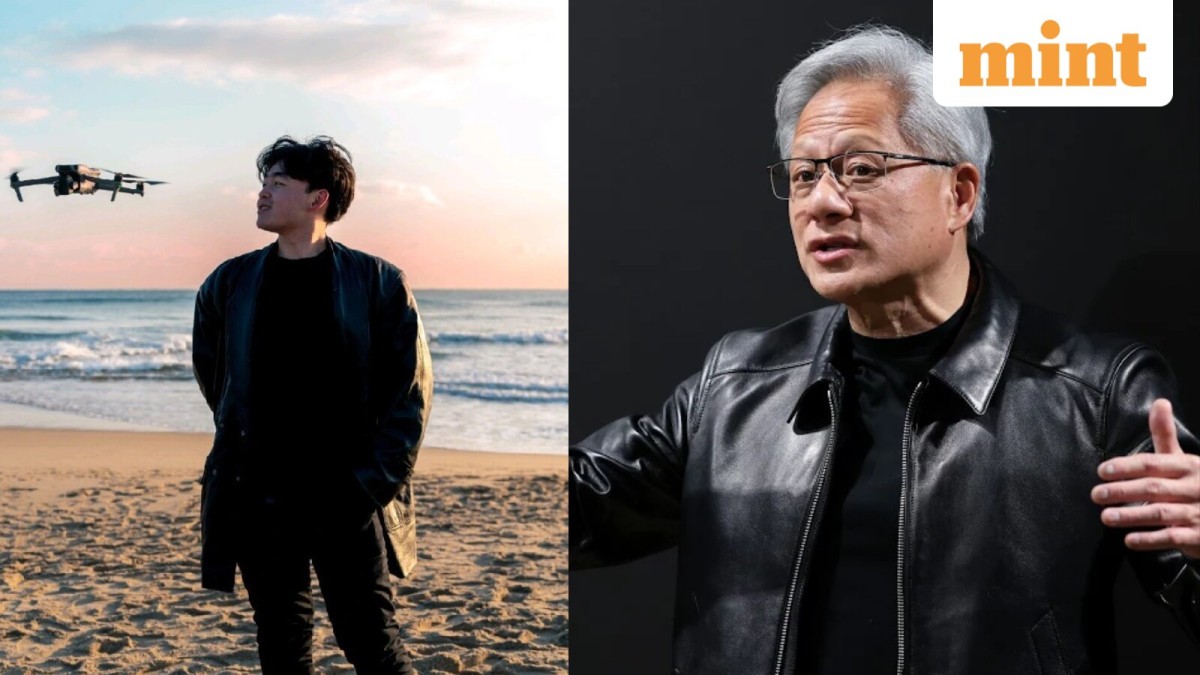
When a 24‑year‑old Indian software engineer discovered that his name was identical to Nvidia’s charismatic chief executive Jensen Huang, he initially saw a branding boon. The coincidence helped strangers remember him, opened doors during networking, and even sparked light‑hearted banter in interview rooms. Yet the same name, once a quirky asset, has become a source of professional turbulence as the Nvidia chief’s personal scandals spill over onto the young founder’s digital footprint. The episode offers a vivid case study of how personal branding, media dynamics, and the Indian tech ecosystem intersect in the age of artificial intelligence.
From a Name Advantage to an Unwanted Association
From the outset, the founder of the AI startup Lycana—who has known the Nvidia CEO since school and admired his early fascination with computers—relied on the name overlap as a conversational ice‑breaker. He recounts that as AI gained mainstream traction, strangers frequently exclaimed, “Oh! Your name is exactly like that guy,” or asked for Nvidia stock, assuming a direct link to the corporate titan. Such reactions, he notes, made it easier for people outside his immediate network to recall his identity after a single meeting.
During job interviews over the past four years, the pattern persisted. Interviewers would greet him with, “Oh yeah, you’re the Nvidia CEO,” and recruiters at AI firms often teased, “Got any extra GPUs?” The founder initially interpreted these moments as harmless, even advantageous, capitalising on the instant recognisability that a globally known name can confer in a crowded startup landscape.
The Scandal’s Ripple Effect
That perception shifted dramatically when Business Insider reported Jensen Huang’s extramarital affairs, including a liaison with a woman alleged to be a Chinese spy. The revelations, widely covered in international media, thrust the Nvidia CEO into a moral controversy that extended beyond corporate governance into personal conduct. For the Indian founder sharing the same name, the fallout was immediate and unsettling.
He described his reaction as “holy crap, my name’s going to be dragged through the mud,” expressing disbelief at how a personal scandal unrelated to his own actions could now colour perceptions of his professional identity. The founder’s admiration for Huang’s visionary work remained, yet he emphasised that professional achievements should not shield individuals from scrutiny over private behaviour.
Social Media Amplification and Misidentification
In an effort to turn the awkward situation into a publicity opportunity, the founder posted humorous LinkedIn updates, banking on the adage that “there’s no such thing as bad publicity.” He did not anticipate the reach of these posts. While some readers appreciated the levity, others mistook the messages for coming from the actual Nvidia chief, directing questions about the infidelity straight to him.
The confusion extended to platforms beyond LinkedIn. Friends shared screenshots of his posts on Reddit and RedNote, a Chinese social media site, where discussions about Nvidia’s controversy began to incorporate his comments. The founder highlighted this as a “significant development” because it meant that individuals unfamiliar with him were now conflating his identity with the scandal, potentially damaging his reputation in professional circles.
Professional Concerns in the Indian Startup Ecosystem
For an emerging AI entrepreneur in India, name recognition can be a double‑edged sword. The founder’s experience underscores how personal branding intersects with the country’s burgeoning tech sector, where investors, recruiters, and partners often rely on quick heuristics to assess credibility. A name that instantly evokes Nvidia’s market dominance can open doors, but it can also invite unwarranted scrutiny.
His biggest worry, as he articulated, is that people who do not know him personally could mistake him for the Nvidia chief, especially in high‑stakes contexts such as fundraising pitches or media interviews. In an ecosystem where credibility is paramount and where foreign investors scrutinise Indian startups for governance standards, any misattribution could have material consequences.
Peer Reactions and the Culture of Teasing
Friends and peers have not missed the chance to tease the founder, joking, “Yo, what are you doing to my stock?” and “How many girls is it this time?” While he does not find all the jokes amusing, he stresses that he does not take them personally. This reflects a broader cultural dynamic in Indian tech circles, where banter often blurs the line between camaraderie and professional pressure.
The founder’s measured response—acknowledging the humor but not internalising the mockery—demonstrates a pragmatic coping strategy. It also highlights how social networks within the startup community can amplify personal narratives, turning a private anecdote into a public talking point that circulates across platforms and geographies.
Implications for Personal Branding and Crisis Management
The episode offers a cautionary tale for Indian entrepreneurs navigating personal branding in the digital age. While a memorable name can act as a mnemonic device, it also ties an individual’s identity to the actions of unrelated public figures. In crisis management terms, the founder’s decision to address the situation publicly—through humor and clarification—served to assert his distinct persona, yet it also exposed him to misinterpretation.
From a policy perspective, the incident underscores the need for clearer guidelines on digital identity protection, especially for professionals whose names overlap with high‑profile personalities. As India’s data protection framework evolves, considerations around mistaken identity and reputational risk may become part of broader discussions on online defamation and the responsibilities of platforms hosting user‑generated content.
Looking Ahead: Navigating Reputation in an AI‑Driven Economy
As AI continues to reshape India’s economic landscape, founders like the Lycana CEO will increasingly find themselves in the crosshairs of media narratives that extend beyond their own ventures. The founder’s experience illustrates how external scandals can infiltrate personal brand equity, compelling entrepreneurs to develop robust strategies for reputation management.
In the coming months, his focus will likely remain on steering Lycana’s product roadmap while disentangling his identity from the Nvidia controversy. By maintaining transparency with stakeholders and leveraging the credibility earned through his own achievements—rather than relying on name association—he can reinforce a professional image rooted in merit. For the broader Indian startup community, his story serves as a reminder that in an interconnected digital ecosystem, personal and corporate reputations are inextricably linked, demanding vigilance, adaptability, and a nuanced understanding of how media dynamics can shape career trajectories.
This article was produced with AI-assisted research and editorial support. Reporting is based on the source material cited below. Sources: Livemint; livemint.com; Global1.News (15 November 2026).
By Dr. Raj Patel, Staff Writer
What's Your Reaction?
 Like
0
 Dislike
0
 Love
0
 Funny
0
 Wow
0
 Sad
0
 Angry
0

India/South Asia Correspondent at Global1.News. Analytical voice with a background in science and health journalism. Based in New Delhi, covering Indian politics, education, healthcare, technology, and policy. Breaks down complex data into clear, actionable reporting.











Comments (0)