
Strait of Hormuz Standoff Deepens as Iran Rejects Trump's Territory Claim, Gulf Shipping Faces New Attacks
Iran insists the Strait of Hormuz "will remain Iranian" after Trump floats declaring it U.S. territory. With ADNOC vessels under attack, Iraq's oil exports rebounding, and U.S. midterms looming, the standoff reshaping global energy markets is analyzed in depth.
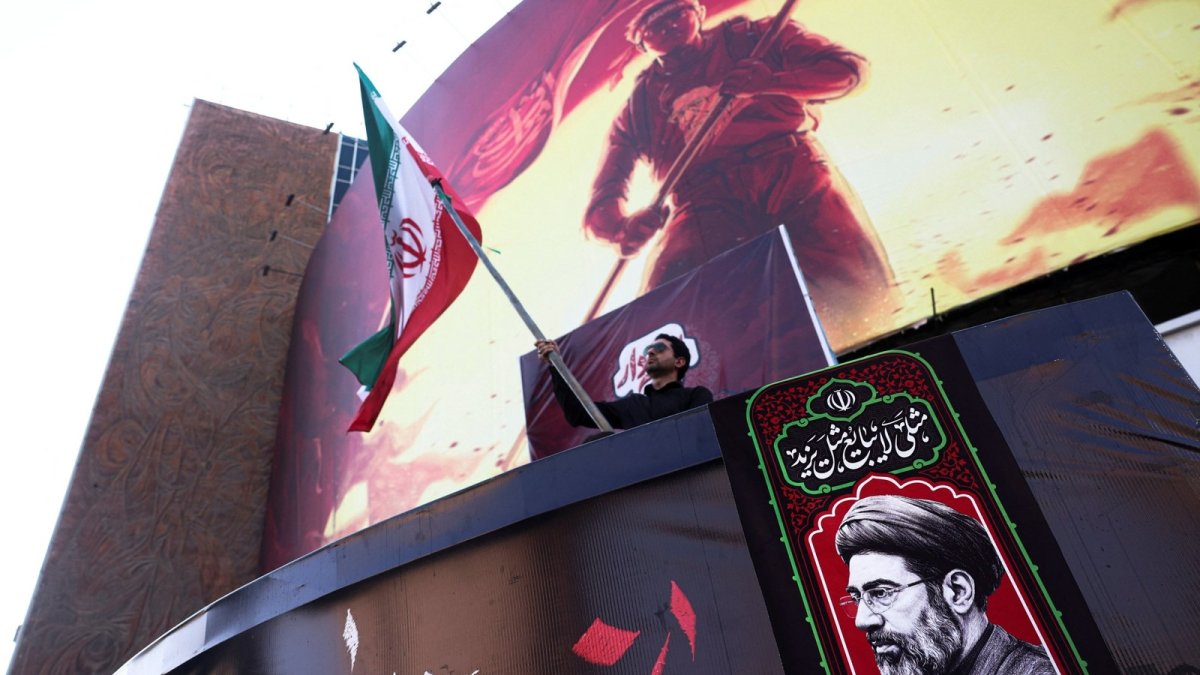
The strategic waterway at the heart of the Middle East's most volatile confrontation remains firmly under Tehran's grip, as Iran's leadership publicly dismissed U.S. President Donald Trump's suggestion that Washington would soon claim the Strait of Hormuz as American territory. The exchange, which unfolded against a backdrop of continued attacks on Gulf-linked vessels and a fragile diplomatic track, underscores how the closure of the world's most critical oil chokepoint has become both a military flashpoint and a political liability for the Trump administration ahead of November's midterm elections. With Iran's Houthi allies simultaneously blockading Saudi Red Sea ports, the region's energy export architecture is being reshaped in real time, even as Iraq reports its strongest oil export rebound since the war began in late February.
Strait of Hormuz Standoff Deepens as Iran Rejects Trump's Territory Claim, Gulf Shipping Faces New Attacks
Istanbul, Türkiye – August 16, 2026 — Tehran's rejection lands as the waterway remains effectively shut to normal traffic, Gulf-linked vessels face repeated attacks, and regional producers adapt to a fractured export landscape.
The Diplomatic Standoff: Tehran's Defiance Meets Washington's Rhetoric
Iran's Deputy Foreign Minister Kazem Gharibabadi delivered a blunt rebuke to Trump's latest comments, stating on X that "the Strait of Hormuz has been Iranian, is Iranian, and will remain Iranian." His assertion that the strait "will only be closed and opened under Iran's command" directly challenges the U.S. president's claim of operational control over the waterway, which Tehran effectively shut at the start of the Middle East war in late February following U.S.-Israeli strikes on Iranian territory. Trump's remarks, made at a political rally in New York state on Friday, suggested that after the U.S. defeats Iran, "pretty soon I'll be declaring the Hormuz Strait a territory of the United States." An unnamed White House official later clarified to the Wall Street Journal that Trump was joking, yet the president's public posture remains defiant. "We have the blockade. No ships get through unless we want them to," Trump told a cheering crowd, referring to Washington's retaliatory blockade of Iranian ports. The rhetorical escalation masks a deeper strategic impasse. A June deal between Washington and Tehran, intended as a springboard for negotiations on a permanent settlement, had stipulated that Iran and Oman would work out future arrangements for Hormuz in consultation with other Gulf countries and "in line with the applicable international law." That framework has yet to yield tangible progress, and the collapse of an April cease-fire—precipitated by attacks in the strait—has left both sides locked in a cycle of retaliation and counter-retaliation.The Blockade's Toll on Global Energy Markets
Before the war, the Strait of Hormuz carried approximately one-fifth of the world's oil and LNG exports, making its closure an economic event of global proportions. The sustained disruption has repeatedly sent energy prices surging, piling economic and political pressure on Washington as American voters grapple with higher fuel costs ahead of the midterms. U.S. Vice President JD Vance acknowledged this week that keeping energy prices low for Americans is Washington's top priority in the Iran war, with preventing Tehran from acquiring a nuclear weapon ranking second. The blockade's impact extends beyond price spikes. Iraq, a founding member of OPEC, was forced to halt production in most of its oil fields as reservoirs filled up, a direct consequence of the waterway's closure. The country has since adapted by exporting crude via tanker trucks through Syria and through a pipeline to the Turkish port of Ceyhan, though these alternative routes carry a fraction of its pre-war capacity. The parallel maritime blockade declared by Iran's Houthi allies on Saudi ports in the Red Sea has further constricted the region's export options, leaving Gulf producers with few viable pathways to global markets.Iran's Conditions and Strategic Leverage
Tehran's position is not merely defensive; it is transactional. Last week, top Iranian official Mohammad Bagher Zolghadr set out a list of conditions for reopening the strait, including an end to the "war and aggression against Iran and its allies in Lebanon, Palestine, Yemen, and Iraq." He also demanded the lifting of crippling sanctions, the release of frozen assets, and compensation for wartime damage. These terms reflect Iran's ambition to convert its control of the waterway into permanent geopolitical and economic concessions. Crucially, Iran wants to exercise powers it did not hold before the war: the ability to control traffic and charge tolls on vessels transiting the strait. The U.S. fiercely opposes this, viewing it as an unacceptable expansion of Iranian authority over a global commons. Tehran signalled last week that it had agreed with Oman on a route for ships to transit the strait and was finalising arrangements to jointly manage the waterway—a move that, if realised, would institutionalise Iranian oversight in a manner Washington has consistently rejected. The leverage dynamic is stark. Iran's ability to choke global energy supplies gives it outsized influence in any negotiation, while the U.S. blockade of Iranian ports aims to cripple Tehran's economy in return. Neither side has achieved a decisive advantage, leaving the region in a state of prolonged, costly uncertainty.UAE and ADNOC Attacks: Gulf States on the Frontline
The human and commercial costs of the standoff are being borne most acutely by Gulf states. The United Arab Emirates' state-owned oil giant ADNOC reported Saturday that one of its vessels came under attack the night before, with Abu Dhabi's Foreign Ministry blaming Tehran and accusing Iran's Revolutionary Guards of engaging in "acts of piracy" in the strait. This followed Friday's accusations that Iran was responsible for attacks on two other ADNOC-linked vessels passing through the waterway. These attacks were the proximate cause of the April cease-fire's collapse, and their continuation signals that the security environment for regional shipping remains perilous. For the UAE, which has positioned itself as a hub for global trade and finance, the repeated targeting of its state oil company's assets is both an economic and reputational challenge. The attacks also highlight the limits of U.S. naval power in the region: despite Trump's assertions of control, traffic through Hormuz remains throttled, and Gulf states are left to navigate a precarious security landscape.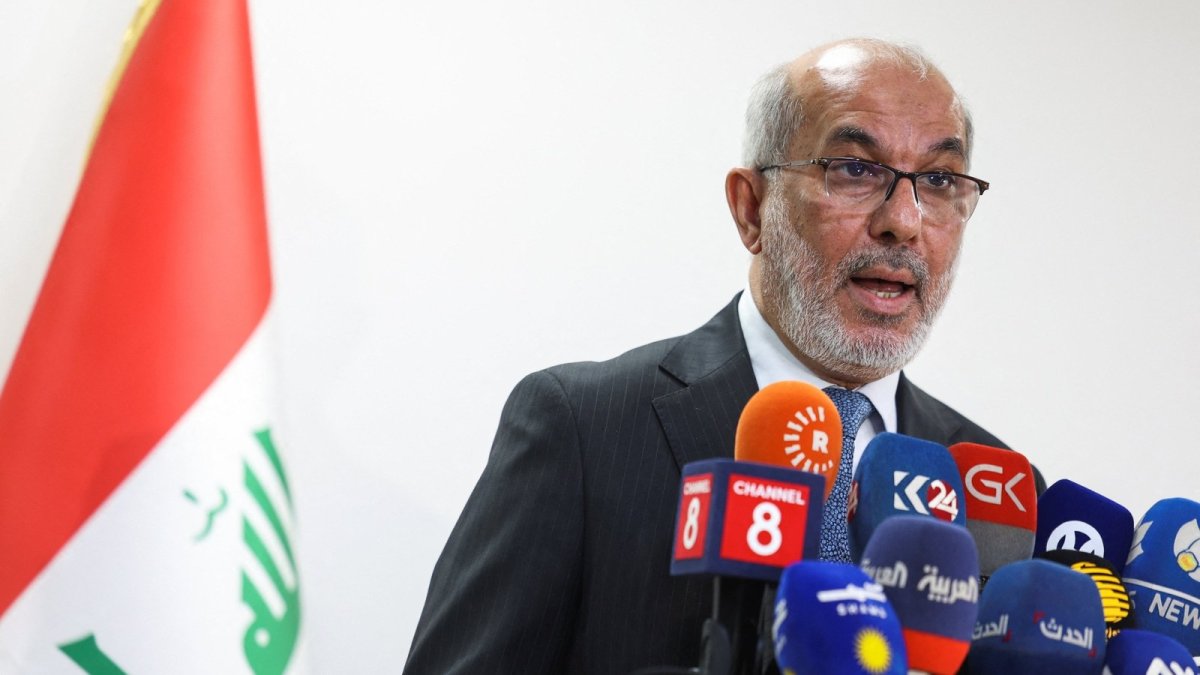
Iraq's Oil Rebound: A Fragile Recovery Amid Regional Disruption
Amid the broader crisis, Iraq has emerged as a partial bright spot. Iraqi Oil Minister Bassem Mohammed Khudair told a recent news conference that exports since the beginning of August have reached a rate of two million barrels per day, for a total of around 26 million barrels through mid-August. He described this as the highest daily rate "for the first time since the crisis began" on Feb. 28. The rebound is significant but must be contextualised. Before the war, Iraq produced around four million barrels per day and exported an average of 105 million barrels per month, mostly from its Basra oil terminal via Hormuz. Ali Nizar, head of Iraq's State Organization for Marketing of Oil (SOMO), said in a TV interview last week that Iraq exported 35.5 to 37 million barrels via Hormuz in July, with another seven million barrels through the Ceyhan pipeline. According to SOMO data, Iraq exported just over 32 million barrels via several routes in May and June combined, including more than 20 million barrels from its southern port. The August figures, while improved, still represent less than half of Iraq's pre-war export capacity. The recovery reflects a partial resumption of production and export operations, but it remains hostage to the broader Hormuz situation. If the strait remains closed or traffic continues to be throttled, Iraq's ability to sustain even this reduced level of exports is uncertain. The country's reliance on trucking through Syria and the Ceyhan pipeline underscores the fragility of its export architecture in a conflict environment.Strategic Implications for Washington and Tehran
For Washington, the Hormuz standoff has become a political and strategic quagmire. The closure has driven up energy prices for U.S. voters, creating a direct electoral headache for Trump as the midterms approach. The administration's dual priorities—keeping energy prices low and preventing Iran from acquiring a nuclear weapon—are in tension, as any escalation risks further price spikes while any de-escalation could be perceived as weakness. The June deal with Tehran, which was meant to open a path to negotiations, has not produced the stability Washington sought, and the collapse of the April cease-fire has left the two sides without a functioning framework for de-escalation. For Tehran, the standoff represents both an opportunity and a risk. Iran's control of the strait gives it unprecedented leverage over global energy markets and a powerful bargaining chip in any future negotiations. The demand for tolls and joint management with Oman would institutionalise this leverage, transforming a wartime measure into a permanent source of revenue and influence. However, the strategy carries significant costs: the U.S. blockade of Iranian ports is crippling Iran's economy, and the continued attacks on Gulf shipping risk drawing deeper U.S. military involvement. The second-order effects for the region are profound. Gulf states, particularly the UAE and Saudi Arabia, are being forced to recalibrate their security postures and energy export strategies in response to the dual blockades of Hormuz and the Red Sea. The conflict has accelerated discussions about alternative pipeline routes and diversified export infrastructure, though such projects take years to materialise. Meanwhile, the great power dimension remains ever-present: China and Russia, both major energy importers and geopolitical rivals of the U.S., are watching the standoff closely, with implications for their own energy security and diplomatic positioning. The path forward remains unclear. Iran's insistence that the strait "will remain Iranian" suggests Tehran is unwilling to cede control without substantial concessions, while Washington's rhetoric and blockade indicate a determination to resist Iranian dominance. With midterm elections looming and energy prices a central political issue, the pressure on Trump to resolve the standoff—or at least manage its economic fallout—will only intensify. For the Gulf states caught in the middle, the immediate outlook is one of continued risk, disrupted trade, and strategic uncertainty.By Malik Hassan, Staff Writer
This article was produced with AI-assisted research and editorial support. Sources: Daily Sabah
What's Your Reaction?
 Like
0
Like
0
 Dislike
0
Dislike
0
 Love
0
Love
0
 Funny
0
Funny
0
 Wow
0
Wow
0
 Sad
0
Sad
0
 Angry
0
Angry
0

Middle East Correspondent at Global1.News. Based in Beirut, covering politics, conflict, energy, and society across the Middle East. Brings context and depth to a region often reduced to headlines.












Comments (0)