
SOS SAFA Court Action Threat Over Jordaan Fourth Term Bid
The Battle Lines Are Drawn: SOS Threatens Court Action Over SAFA Electoral Integrity The gloves are off in South African football’s corridors of power. With the 12 September SAFA elective congress looming large on the horizon, the Save Our SAFA (SOS) group — also known as the Forces for Change — has fired a warning shot that could echo all the way to the High Court.
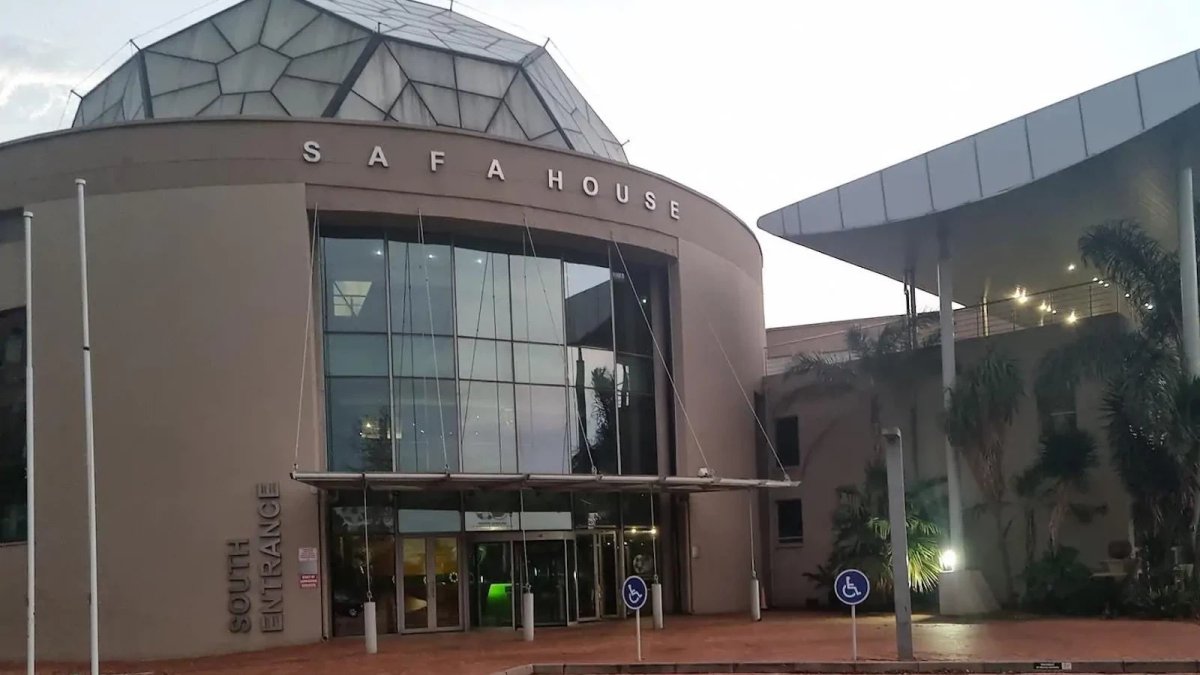
The Battle Lines Are Drawn: SOS Threatens Court Action Over SAFA Electoral Integrity
The gloves are off in South African football’s corridors of power. With the 12 September SAFA elective congress looming large on the horizon, the Save Our SAFA (SOS) group — also known as the Forces for Change — has fired a warning shot that could echo all the way to the High Court. This week, the group released a media statement that pulls no punches, alleging electoral bias, the "stealing" of regions, and a systemic failure by football’s governing bodies to listen to their grievances. This is not just another political squabble in the boardroom. This is about the very soul of the beautiful game in Mzansi. At stake is the presidency of the South African Football Association, with incumbent Danny Jordaan seeking a fourth term that would run until 2030, and challenger Sandile Zungu, the AmaZulu FC president, backed by the SOS. The rhetoric is heated, the accusations are severe, and the clock is ticking towards a congress that could reshape the landscape of SA football for a generation.“Nobody Is Listening”: The SOS Cry for Justice
The voice of the opposition is Lebogang Riet, the Chairperson of Forces For Change and a SAFA National Executive Committee (NEC) member. He is also the President of SAFA Northern Cape, and he is not holding back. In a passionate statement, Riet detailed a litany of concerns, but the core message is one of desperation and frustration. They have written letters to the highest authorities in the game — CAF, FIFA, and SASCOC — and, according to Riet, they have been met with a wall of silence. "We are reaching a state where all these other matters must just be sent to court because no other body is trying to listen to us," Riet told SABC Sport. "If you go back to the letters that were written to SASCOC and letters that were written to DSEC, FIFA and CAF, nobody is listening." It is a damning indictment of the governance structures that are supposed to protect the integrity of the sport. When the custodians of the game at the global and continental level are perceived as turning a blind eye, where does a concerned member turn? For Riet and the SOS, the answer is increasingly clear: the judiciary. "So we have no other recourse to start taking these matters to court because our people have been victimised left, right and center," he added, painting a picture of a campaign of intimidation and manipulation that has left his supporters feeling vulnerable and voiceless.The Allegation: “Regions Have Been Stolen”
The most explosive accusation from the SOS is the claim that the electoral process is being rigged at the grassroots level. Riet did not mince his words when he described the tactics being deployed. "Regions have been stolen, if I must put it like that," he asserted. "That is why you will realise that not everybody will be in a position to stand up and say, look here, I'm not supporting this. Because they know that through the office of the CEO, there will be attacks." This is a serious charge — that the office of the SAFA CEO, Lydia Monyepao, is being used as a weapon to silence dissent and manipulate outcomes. The SOS alleges that under Monyepao, the rules of the electoral processes are not being applied consistently and fairly. They go further, alleging that the FTF — the lobby group behind Jordaan’s bid — is using SAFA’s own money to fund its campaign. These are not minor procedural complaints; they strike at the heart of the democratic process within the association. The SOS statement counts five regions in four provinces where they allege elections are being stolen or forced into re-runs because they are not supporting FTF candidates. This is a coordinated strategy, they claim, to ensure that the deck is stacked in favour of the incumbent before a single ballot is cast at the national congress.Conflict of Interest: The Electoral Officers Under Fire
Central to the SOS’s legal argument is the alleged conflict of interest involving individuals deployed to oversee the electoral processes at regional and Local Football Associations (LFAs) congresses. Riet has specifically named three of his NEC colleagues — Tankiso Modipa, Kwenza Ngwenya, and Andile Ngconjana — accusing them of being deployed as electoral officers when they are also leaders and members of the FTF. The logic is simple and devastating: you cannot be a referee and a player in the same match. According to the SOS, these electoral officers cannot be seen as independent and impartial when they have a direct interest in the outcome of the elections they are administering. Modipa, notably, is not just any FTF member; he is the FTF chairperson and the national convener of elections. For the SOS, this is the ultimate conflict of interest — the man leading the campaign for Jordaan’s fourth term is also the man in charge of overseeing the electoral process that could deliver it. This is a fundamental challenge to the legitimacy of the entire process. If the people running the elections are perceived to be biased, then any result they produce is tainted. The SOS is essentially arguing that the foundation of the 12 September congress is rotten, and they are prepared to go to court to prove it.The FTF Defence: “Propaganda” or a Mandate for Continuity?
As with any political battle, there are two sides to this story. The FTF and its allies have not taken these allegations lying down. When previously approached by SABC Sport, Ngconjana dismissed the claims from the SOS as "propaganda peddled by some people and regions who are disgruntled." It is a classic deflection tactic — painting the accusers as sore losers who cannot accept the will of the majority. Modipa has also defended the decision for Jordaan to stand again, despite the president’s earlier announcement that his 2022-2026 term would be his last. "Most of the people in the country, they don't want the president to stand for the fourth term," Modipa conceded, before pivoting to a defence of Jordaan’s record. "I will give you a brief explanation that SAFA has invested a lot in Dr. Jordaan. Dr. Jordaan himself, our SAFA president, he's the only man in Africa who was the CEO of the World Cup that is ranked number one in the world." It is a powerful argument. Jordaan is the man who delivered the 2010 FIFA World Cup, a feat that remains the pinnacle of African football achievement. For many, he is the safe pair of hands needed to navigate SAFA through turbulent waters. The FTF’s narrative is one of continuity and experience versus the risk of change. They are framing this not as a power grab, but as a duty to protect the legacy and stability of the association.Ground Zero: The Battle for Nelson Mandela Bay and Amajuba
The SOS allegations are not abstract; they are rooted in specific regions and specific battles. Riet has highlighted the Nelson Mandela Bay region as critical, and for a very obvious reason. This is the region that is supposed to nominate Jordaan for the presidential position, as it is his home turf. If the SOS can disrupt the process there, it strikes a major blow to the incumbent’s campaign. Further afield, in KwaZulu-Natal, the situation is equally volatile. Riet alleges that this past weekend, the Amajuba region was going to be forced to re-run their elections for the third time, with the Newcastle LFA set for elections again. He says this was all done to win the Amajuba region for the incumbent. Three re-runs? That is not a technical glitch; that is a pattern of manipulation, according to the SOS. It paints a picture of a relentless campaign to bend the grassroots structures to the will of the FTF, using the machinery of the SAFA CEO’s office to force compliance. These are the battlegrounds where the war for SAFA’s soul is being fought. It is not just about the big names in the presidential race; it is about the local football associations, the regional chairs, and the ordinary members who feel their voices are being drowned out by a powerful political machine.What This Means for SA Football: The Fans in the Stands
For the average South African football fan, this political infighting can feel like a distant, dirty game played in boardrooms far removed from the roar of the crowd. But make no mistake — this matters. The governance of SAFA directly impacts the development of the game, the funding of grassroots programmes, the state of Bafana Bafana, and the integrity of our domestic leagues. When regions are "stolen" and elections are re-run until the "right" result is achieved, it undermines the very democratic principles that should underpin our sport. It creates a culture of fear and patronage, where loyalty is rewarded and dissent is punished. This is the antithesis of the transformation and development that South African football so desperately needs. We cannot build a winning national team on a foundation of political manipulation and disenfranchisement. The fans in the stands, the players on the pitch, and the coaches on the touchline deserve better than this. The allegations of using SAFA’s money for a political campaign are particularly troubling. If true, it means that resources meant for the development of the game are being diverted to entrench a particular faction in power. This is a betrayal of the trust placed in the association by its members and by the sponsors who invest in the sport.The Road to 12 September: Court Dates, Congresses, and a Nation Watching
So, where does this leave us? The immediate future is fraught with uncertainty. The SOS has made it clear that they are prepared to take their fight to the courts, a move that could potentially delay or even derail the 12 September congress. The silence from SAFA on these specific allegations is deafening. SABC Sport reached out to SAFA for a right of reply last week, and they have not responded. In the court of public opinion, that silence is often interpreted as an admission of guilt. Meanwhile, the FTF is set to hold its own congress in Limpopo next week, where finalising the list of members to serve in the new NEC after 12 September will top the agenda. This is a clear signal that they are confident in their position and are already planning for a post-election landscape with Jordaan at the helm. The next few weeks will be critical. Will the SOS follow through on their court threat? Will SAFA finally break their silence and address the conflict of interest allegations? Will the FTF’s congress in Limpopo reveal any cracks in their armour? And ultimately, on 12 September, will the delegates have the freedom to vote their conscience, or will the heavy hand of political manipulation be felt in the ballot box? One thing is for certain: the eyes of the South African footballing public will be watching. This is not just a battle for the presidency of SAFA; it is a battle for the future of the game we all love. The stakes could not be higher.Tags: SAFA, SOS, Forces for Change, Danny Jordaan, Sandile Zungu, SAFA elective congress, Lebogang Riet, Lydia Monyepao, electoral bias, South African football, FTF, Tankiso Modipa, Amajuba region, Nelson Mandela Bay
This article was produced with AI-assisted research and editorial support. Sources: SABC Sport, Central News, The Star.
By Dante Williams, Staff Writer
What's Your Reaction?
 Like
0
Like
0
 Dislike
0
Dislike
0
 Love
0
Love
0
 Funny
0
Funny
0
 Wow
0
Wow
0
 Sad
0
Sad
0
 Angry
0
Angry
0
Dante Williams
Breaking News and Investigations Correspondent at Global1.News. Based in London, covering global breaking news, security, and investigative stories. Known for digging deeper and connecting the dots across continents.









Comments (0)