
Smartphone Brain, AI & Air Pollution: Dementia Risks
Young adults and teenagers across New Delhi, Hyderabad and Mumbai are reporting frequent headaches, brain fog and memory lapses at neurology clinics, coinciding with rising air pollution levels and growing dependence on AI tools. A July 2026 India Today Health 360 episode examined these converging pressures on brain health in India.
Young adults and teenagers across New Delhi, Hyderabad and Mumbai are reporting frequent headaches, brain fog and memory lapses at neurology clinics, coinciding with rising air pollution levels and growing dependence on AI tools. A July 2026 India Today Health 360 episode examined these converging pressures on brain health in India.
Smartphone Brain, AI Reliance and Air Pollution Converge as Dementia Risks for India’s Youth and Elderly
New Delhi – August 2, 2026 — Neurologists report rising cases of “smartphone brain” symptoms among Indians under 30, while a University of Cambridge meta-analysis of nearly 30 million people links long-term PM2.5, NO2 and soot exposure to up to 17% higher dementia risk. India’s 5.3 million people above age 60 living with dementia face additional pressures from household air pollution and digital habits.

Smartphone Brain Symptoms Rising in Indian Clinics
Neurologists across India document growing numbers of young adults and teenagers presenting with frequent headaches, poor concentration, disturbed sleep, dizziness, brain fog and difficulty remembering things. Smartphones are not causing neurological diseases, yet excessive screen time produces a pattern of symptoms tied to unhealthy digital habits. In New Delhi and Hyderabad, these complaints now appear regularly at outpatient departments.
India now counts over 800 million smartphone users, with average daily screen time ranking among the highest globally according to App Annie data. This scale of digital exposure coincides with rising reports of attention deficits and memory complaints in urban clinics. The COVID-19 pandemic sharply accelerated these habits, as schoolchildren shifted to online classes that often extended beyond six hours daily on devices, embedding prolonged screen dependence into daily routines.
Although the Indian Council of Medical Research and Ministry of Health have issued guidance recommending limited recreational screen time for children under five, enforcement remains inconsistent across states. For Indian patients and taxpayers, unchecked digital habits may translate into higher future neurological burdens, straining already stretched primary-care systems in both metros and smaller cities where cognitive screening is limited.
Expert Views from CK Birla Hospitals and Yashoda Hospitals
Dr. Deep Das, neurologist at CK Birla Hospitals, CMRI in Kolkata, states that mobile devices have changed work, study and communication, but excessive usage alters attention, sleeping patterns, mood and cognitive functions. Dr. Mohan Krishna Jonnalagadda, senior consultant neurologist at Yashoda Hospitals in Hyderabad, explains that constant notifications, endless scrolling and rapid app switching train the brain to seek continuous stimulation, making sustained focus on reading, working or learning more difficult. Blue light from late-night phone use suppresses melatonin, the hormone regulating the sleep-wake cycle, leading to poor sleep quality that affects concentration, memory, anxiety, depression and chronic headaches. Hours spent looking down at phones also produce “text neck,” straining neck and shoulder muscles and worsening tension headaches and migraines. Children and teenagers remain particularly vulnerable because their brains are still developing.
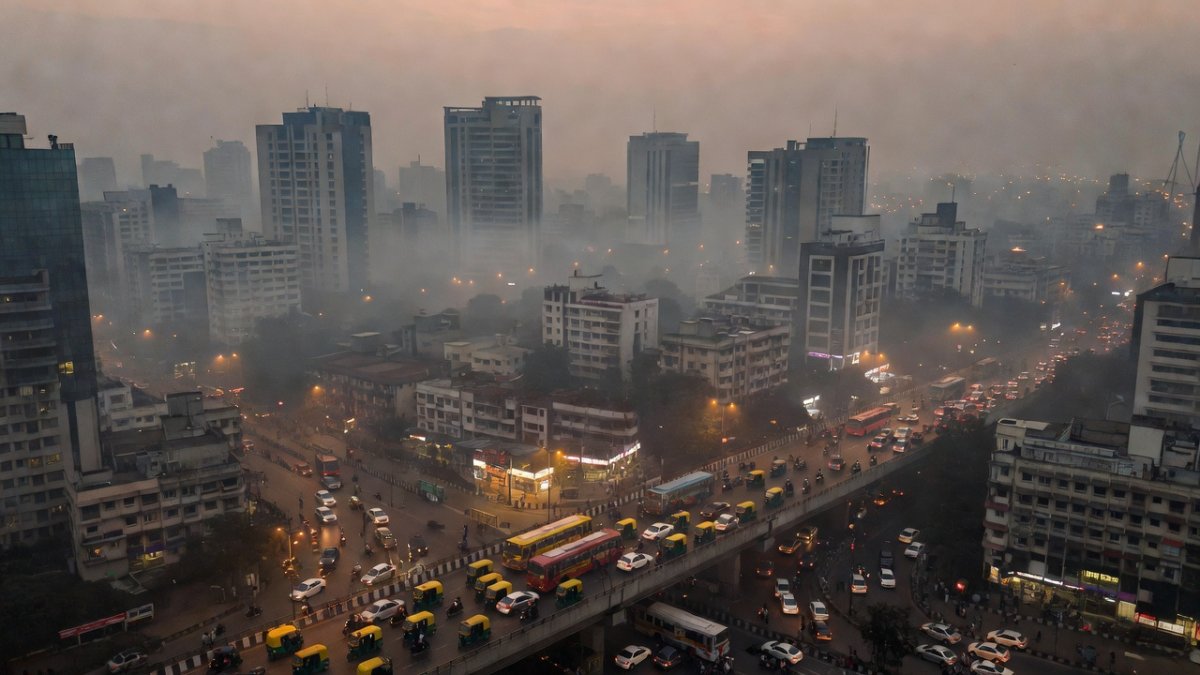
In Indian neurology OPDs, traditional patients are mostly older adults with stroke, Parkinson’s, epilepsy or dementia. Smartphone-related cognitive fatigue now appears in younger adults, altering case mixes at centres such as CK Birla Hospitals and Yashoda Hospitals. Medical curricula must therefore add modules on digital overuse, while schools require structured digital-health literacy programmes to equip students with habits that protect long-term brain health.
Air Pollution Linked to Dementia Through Large-Scale Evidence
A Lancet-linked systematic review and meta-analysis published in July 2025 by University of Cambridge researchers examined nearly 30 million people across four continents. Long-term exposure to fine particulate matter (PM2.5), nitrogen dioxide (NO2) and soot raises dementia risk by up to 17%. PM2.5 alone creates an 8% increased dementia risk per 5 micrograms per cubic metre increase in exposure. Air pollution was identified as a new risk factor for dementia in Lancet-commissioned research. Household air pollution from kerosene and firewood damages the brain; the Lancet study linked such fuel exposure to white matter hyperintensities associated with ageing, stroke and dementia in rural Indian women.
Multiple cities in the Delhi NCR, Uttar Pradesh and Bihar consistently rank among the world’s most polluted, with annual PM2.5 levels frequently exceeding WHO limits by several times. The Central Pollution Control Board’s Air Quality Index framework tracks these exposures daily, yet long-term neurological consequences receive less policy attention than respiratory outcomes.
Under the National Clean Air Programme, authorities aim to cut PM2.5 and PM10 concentrations by 40 percent by 2025-26 relative to 2017 baselines. For Indian citizens in high-exposure zones, any delay in meeting these targets could mean sustained elevation in dementia risk, increasing healthcare costs for families and state governments already managing rising non-communicable disease loads.
India’s Dementia Burden and Policy Gaps
WHO data show 57 million people living with dementia worldwide in 2021, with over 60% in low- and middle-income countries and nearly 10 million new cases annually. Alzheimer’s disease accounts for 60-70% of cases and ranks as the seventh leading cause of death globally. In India, ARDSI reports 5.3 million people above age 60 living with dementia, a figure projected to triple by 2050. Estimated household costs of caring for one person with dementia reached between Rs 29,000 and Rs 96,000 per year for rural households in 2019. India’s rapidly growing elderly population underscores the need for a National Dementia Strategy.
India still lacks a dedicated National Dementia Strategy despite repeated recommendations from the Alzheimer’s and Related Disorders Society of India. The National Programme for Prevention and Control of Non-Communicable Diseases includes several chronic conditions but has not explicitly prioritised dementia within its core framework, leaving coordination fragmented across the Ministry of Health and Family Welfare.
Care gaps are especially pronounced in Tier-2 and Tier-3 cities, where specialist memory clinics remain scarce. Families bear substantial caregiver burden, often without financial support or respite services. These shortfalls translate into higher out-of-pocket expenses for Indian taxpayers and households, underscoring the need for integrated policy responses that address both prevention and long-term care.
What This Means for India
India’s demographic shift is stark: the population aged 60 and above is expanding rapidly, and by 2050 the country is expected to host one of the world’s largest elderly cohorts. Dementia cases are projected to triple from the current 5.3 million, placing unprecedented pressure on an already stretched health system. One generation now confronts the combined effects of smartphone-driven cognitive fatigue, some of the world’s highest PM2.5 concentrations, and accelerating AI adoption, amplifying risks for both younger and older citizens.
Without targeted prevention, the load will fall heavily on public hospitals, the National Programme for Prevention and Control of Non-Communicable Diseases (NP-NCD), and families. Out-of-pocket dementia care costs already range from Rs 29,000 to Rs 96,000 per rural household annually, draining resources that could otherwise support broader primary care. Brain health is a lifelong investment; shielding today’s youth from excessive screen exposure and reducing pollution for current elders is far less costly than managing advanced dementia tomorrow, sparing taxpayers and the Ministry of Health and Family Welfare from ballooning long-term expenditure.
AI as Dual-Edged Tool in Cognitive Health
The Health 360 episode also examined risks tied to growing reliance on AI tools and the implications of cognitive offloading for memory and attention. AI offers potential support for dementia screening and diagnosis, yet over-reliance may reduce cognitive engagement essential for maintaining brain reserve. Indian clinicians note that balancing AI assistance with active mental effort will matter for patients in cities such as Mumbai and Bengaluru where digital tools are widespread.
India’s National AI Mission and Digital India initiatives promote technology adoption in healthcare, including exploratory AI-based dementia screening tools in select hospitals. These efforts could improve early detection in underserved regions, yet they also raise questions about equitable access and algorithmic bias across diverse populations.
The Digital Personal Data Protection Act 2023 introduces safeguards for health data, but implementation details for cognitive-health applications remain under development. For clinicians and patients, the balance between AI-assisted diagnosis and human judgment is critical; over-reliance on automated tools without robust validation could compromise accuracy while still adding costs to an already pressured public-health system.
Practical Steps and Broader Healthcare Implications
Doctors recommend the 20-20-20 rule: every 20 minutes, look at something 20 feet away for 20 seconds. Additional advice includes limiting phone use at least one hour before bedtime, maintaining good posture, exercising regularly and spending time outdoors. Dr. Jonnalagadda emphasises that technology remains a useful tool when paired with strong digital habits for long-term brain health. For Indian patients and taxpayers, these measures could reduce future healthcare costs linked to both preventable cognitive symptoms and dementia progression, aligning with Ministry of Health goals for preventive neurology services.
Lowering daily screen time, improving sleep and cutting PM2.5 exposure can reduce future dementia and cognitive-impairment incidence, easing pressure on Ayushman Bharat finances. Public campaigns promoting these behaviours, paired with routine cognitive screening at primary health centres, enable early detection and lower long-term treatment costs for Indian taxpayers and patients.
The Bottom Line
With 5.3 million Indians already living with dementia and numbers expected to triple by 2050, combined pressures from smartphone brain symptoms, PM2.5 exposure raising risk by up to 17% and AI-related cognitive offloading demand coordinated action. ARDSI projections and Cambridge evidence on air pollution, alongside neurologist observations from CK Birla Hospitals and Yashoda Hospitals, highlight the urgency for a National Dementia Strategy that integrates digital literacy, clean air policies and balanced AI use to protect brain health across generations.
— By Dr. Raj Patel, Staff Writer
Policymakers, hospitals, schools and families should adopt a coordinated national plan that merges digital-literacy education, stricter NCAP air-quality enforcement and dementia screening inside the NP-NCD framework to curb rising neurological disease burden across India.
This article was produced with AI-assisted research and editorial support. Reporting is based on sources cited in the article.
What's Your Reaction?
 Like
0
Like
0
 Dislike
0
Dislike
0
 Love
0
Love
0
 Funny
0
Funny
0
 Wow
0
Wow
0
 Sad
0
Sad
0
 Angry
0
Angry
0

India/South Asia Correspondent at Global1.News. Analytical voice with a background in science and health journalism. Based in New Delhi, covering Indian politics, education, healthcare, technology, and policy. Breaks down complex data into clear, actionable reporting.














Comments (0)