
'Shocking lack of understanding': Shin Bet chief unaware of Hamas's intentions, internal report reveals
In a startling revelation that has reignited debate over Israel’s security preparedness, an internal Shin Bet document dated two days before the Oct. The report, first disclosed by Channel 11 on Oct.
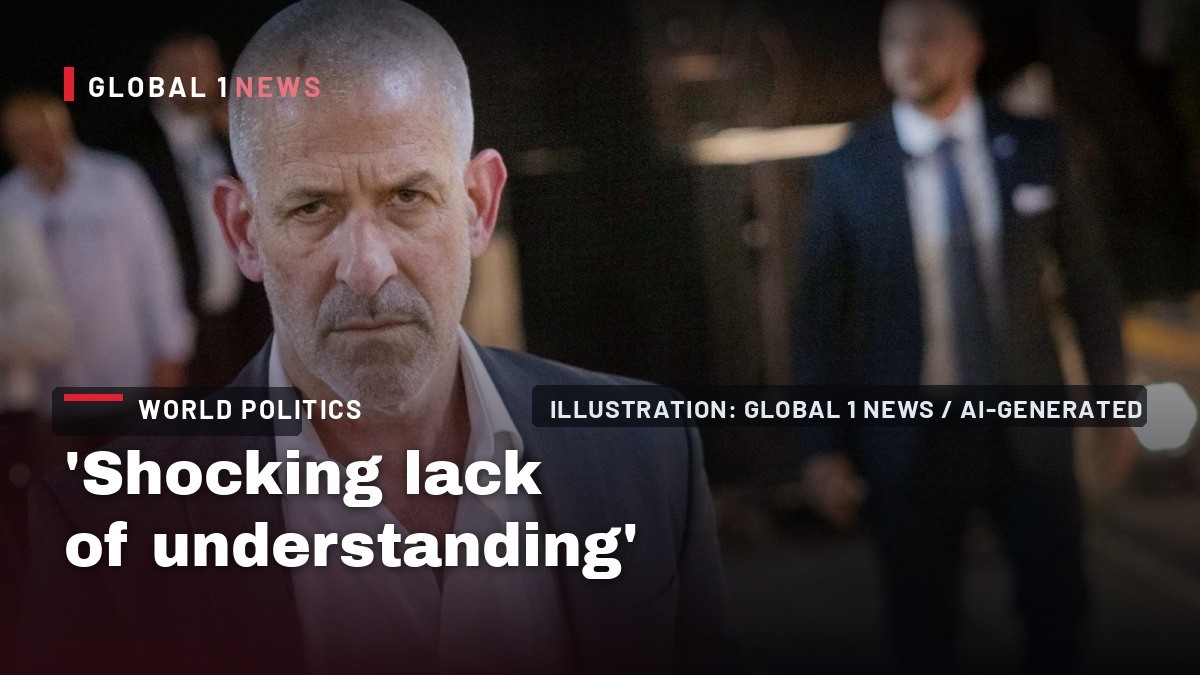
In a startling revelation that has reignited debate over Israel’s security preparedness, an internal Shin Bet document dated two days before the Oct. 7, 2023 massacre shows that then‑head Ronen Bar was largely focused on negotiating a long‑term ceasefire with Hamas, rather than assessing the group’s imminent threat. The report, first disclosed by Channel 11 on Oct. 15, 2026, has been described by journalist Ayala Hasson as evidence of a “shocking lack of understanding” of Hamas’s true intentions and of its leader, Yahya Sinwar.
Context of the internal Shin Bet report
The document, titled “Consultation regarding the management of negotiations for a long‑term ceasefire with Hamas,” was produced by Bar and his deputy in the days leading up to the Oct. 7 attack. According to Hasson’s interview on Channel 11, the report’s focus was on “Sinwar’s interests, benefits and concessions,” reflecting Bar’s preoccupation with how a truce could be achieved. The emphasis on ceasefire logistics, rather than on intelligence gathering about Hamas’s operational plans, is presented as the core of the criticism.
Hasson highlighted that the discussion between Bar and his deputy centered on questions such as “What could be offered to him?” and “What did Sinwar want?” rather than probing the militant group’s strategic objectives. The report’s own language, as cited by the journalist, underscores that Bar’s energy and attention were directed toward a “long‑term ceasefire arrangement” rather than anticipating a large‑scale assault.
Bar’s focus on a truce with Sinwar
Two days before the Oct. 7 massacre, Bar is reported to have gone “all‑in” on a truce with Sinwar. The internal memo, as described by Hasson, details a negotiation‑oriented mindset, with Bar evaluating potential concessions and benefits that could be extended to Hamas’s leadership. This approach, according to the Channel 11 exposé, left Bar blind to the “murderous” intent that Sinwar was allegedly pursuing.
Hasson’s commentary stresses that Bar’s failure to discern Sinwar’s true plans was not merely an oversight but a fundamental misreading of Hamas’s strategic posture. She argued that Sinwar “managed to wrap him around his little finger and take him for a fool,” suggesting that the Shin Bet chief was outmaneuvered by the Hamas leader’s deception.
Political fallout and legal battle
The Channel 11 report surfaced a day after Ronen Bar filed a defamation lawsuit against Prime Minister Benjamin Netanyahu. Bar’s suit centers on a Sept. 28 post by Netanyahu on X, where the prime minister accused Bar of “failures and crimes.” The timing of the exposé, coinciding with Bar’s legal challenge, has added a political dimension to the security controversy.
Netanyahu himself amplified the report by posting a link to Hasson’s interview on his X account on Oct. 15, further cementing the issue as a matter of public debate. The prime minister’s engagement with the story underscores the broader implications for Israel’s security leadership and the accountability mechanisms that govern them.
Implications for Shin Bet’s mandate
The Shin Bet agency is tasked with gathering intelligence and thwarting terrorism. Hasson’s assessment that the agency’s chief “failed to discern and understand what Sinwar was planning” strikes at the heart of that mandate. She described the episode as a “disgraceful failure,” implying a breach of the core responsibilities of Israel’s internal security service.
By focusing on ceasefire negotiations, Bar’s leadership, as portrayed in the internal memo, appears to have diverged from the agency’s primary objective of threat detection. The report’s emphasis on “interests, benefits and concessions” rather than on operational intelligence raises questions about the balance between diplomatic outreach and security vigilance within Israel’s intelligence community.
Media’s role in uncovering the lapse
The revelation was brought to light by Ayala Hasson, a journalist who hosts the current‑affairs program “Seven with Ayala Hasson” on Channel 11. Her interview framed the internal Shin Bet document as evidence of a systemic blind spot in the agency’s assessment of Hamas. By labeling the findings as a “shocking lack of understanding,” Hasson positioned the story as a critical examination of leadership decisions made in the lead‑up to a national tragedy.
Channel 11’s decision to publish the report and Hasson’s subsequent commentary have sparked a broader conversation about the transparency of security agencies and the role of media in holding them accountable. The coverage highlights how internal documents, when disclosed, can reshape public perception of past events and influence ongoing political narratives.
Broader security lessons for Israel
The episode underscores the tension between pursuing diplomatic solutions and maintaining robust intelligence assessments. While ceasefire negotiations can be a valuable tool in conflict management, the Shin Bet report suggests that an over‑emphasis on diplomatic channels, without parallel threat analysis, may leave a security apparatus vulnerable to surprise attacks.
For policymakers, the lesson is to ensure that negotiation teams are complemented by rigorous intelligence scrutiny. The internal memo’s focus on “what could be offered” rather than on “what Hamas was planning” illustrates the risk of allowing diplomatic optimism to eclipse hard‑line security assessments.
Future outlook for Shin Bet and Israeli security policy
In the wake of the Channel 11 exposé, the Shin Bet agency faces renewed scrutiny over its internal decision‑making processes. The criticism leveled by Hasson and amplified by Netanyahu’s social‑media post may prompt internal reviews of how intelligence priorities are set during periods of diplomatic outreach.
As Israel continues to navigate a complex security environment, the balance between negotiation and vigilance will remain a central challenge. The revelations about Bar’s focus on a long‑term ceasefire, juxtaposed with the tragic outcome of Oct. 7, serve as a stark reminder that security leadership must integrate diplomatic ambitions with uncompromising threat assessment to safeguard the nation.
This article was produced with AI-assisted research and editorial support. Reporting is based on the source material cited below. Sources: JNS (Jewish News Syndicate); jns.org; Global1.News (18 October 2026).
By Hannah Berg, Staff Writer
What's Your Reaction?
 Like
0
Like
0
 Dislike
0
Dislike
0
 Love
0
Love
0
 Funny
0
Funny
0
 Wow
0
Wow
0
 Sad
0
Sad
0
 Angry
0
Angry
0
Israel Correspondent at Global1.News. Based in Tel Aviv, covering Israeli politics, security, technology, and society. Provides balanced, deeply-sourced reporting on one of the most closely-watched regions in the world.













Comments (0)