
RFK Jr. names 8 new members to influential preventive medicine task force
Robert F. Kennedy Jr.’s latest move—naming eight new members to the U.S. Preventive Services Task Force—has set off a firestorm that goes well beyond the usual political theater.
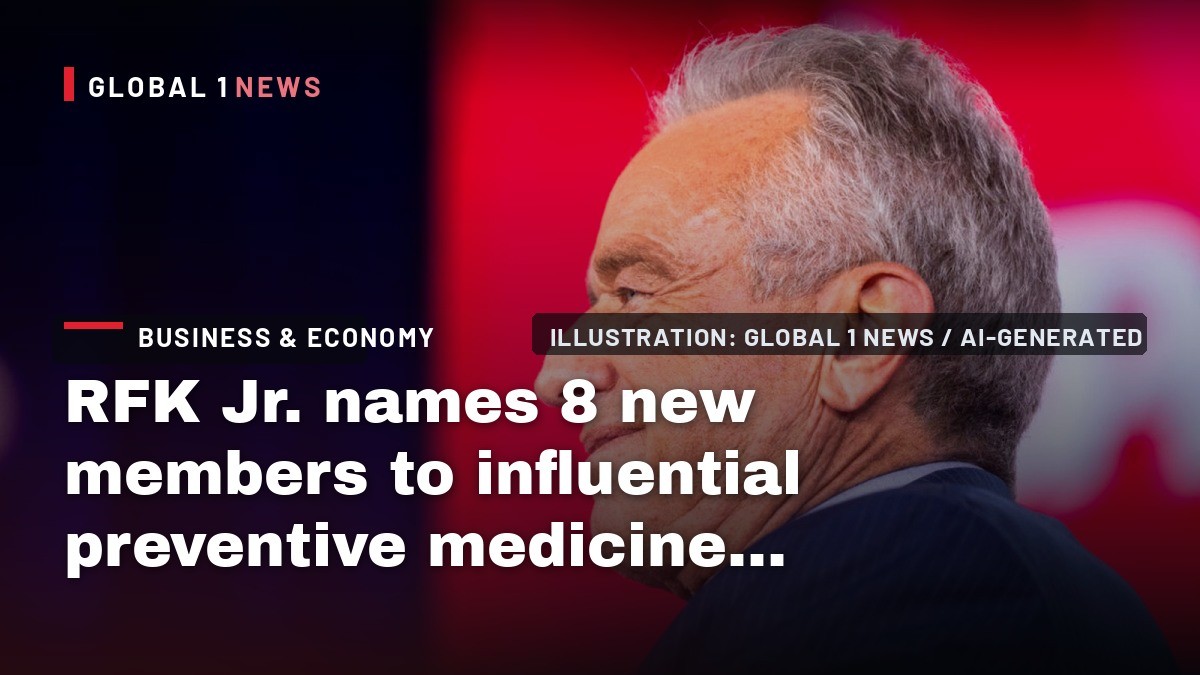
Robert F. Kennedy Jr.’s latest move—naming eight new members to the U.S. Preventive Services Task Force—has set off a firestorm that goes well beyond the usual political theater. As a founder who has spent a decade wrestling with the real‑world cost of running production servers, I see a clear parallel: when a governing body that’s supposed to be data‑driven gets hijacked by ideology, the downstream impact on businesses can be catastrophic. The USPSTF’s recommendations dictate what insurers must cover at no charge, and when those recommendations start reflecting a political agenda rather than a rigorous evidence base, the ripple effects hit everything from health‑plan pricing to the viability of small‑scale health‑tech providers.
Why the USPSTF Matters to Hosting and Cloud Costs
The USPSTF isn’t just a medical advisory panel; it’s a price‑setting engine. Its A‑ and B‑grade recommendations force insurers to foot the bill for services, which in turn drives premium calculations and the overall cost structure of health‑related SaaS platforms. When the panel’s credibility is questioned, insurers often hedge by inflating coverage limits or demanding more extensive data audits—both of which translate into higher storage, compute, and compliance costs for any vendor handling health data.
In my own infrastructure, a shift in coverage policy can add a noticeable bump to bandwidth and encryption workloads. If the USPSTF starts endorsing broader screening protocols without solid evidence, the data ingestion rates for electronic health record (EHR) integrations can surge, forcing providers to spin up extra nodes on hyperscalers at premium rates. That’s a direct hit to the bottom line for any independent health‑tech startup trying to stay lean.
The New Slate: Specialists, Ideologues, and a Missing Doctor
The eight new members announced by Kennedy include a mix of cardiologists, a gastroenterologist, a radiologist, a family‑medicine physician, and a health economist. Notably, one appointee—Stephen Parente—is not a medical doctor at all; he’s a finance professor who served on the Trump administration’s Council of Economic Advisors and was once nominated for a senior health‑department role before the nomination was withdrawn over conflict‑of‑interest concerns.
Beyond the credentials, the ideological bent is clear. Several members have publicly criticized COVID‑19 vaccines, gender‑affirming care, or have donated to political super PACs. This mirrors the earlier “influence vaccine advisory committee” Kennedy stacked at the CDC, raising red flags about the independence of the USPSTF’s evidence‑review process. For a hosting provider, the risk is that the panel’s recommendations could become a moving target, forcing rapid re‑architecting of compliance frameworks to keep pace with politically driven shifts.
Conflict‑of‑Interest Transparency—Now Gone
Historically, the USPSTF required members to disclose conflicts of interest, a safeguard that helped maintain trust in its graded recommendations. The recent removal of that policy, coupled with the disappearance of the public webpage that listed disclosures, erodes the very transparency that insurers and providers rely on to assess risk.
From an operational standpoint, this lack of clarity makes it harder to perform due‑diligence on the data standards we adopt. When the underlying guidance may be tainted, we must double‑down on independent validation—meaning more third‑party audits, more redundant data pipelines, and ultimately higher hosting spend. It’s a classic case of “if you can’t trust the source, you have to verify everything yourself,” which is a costly proposition for any small‑to‑mid‑size cloud‑native business.
Industry Reaction: AMA’s Warning and Media Scrutiny
Willie Underwood, president of the American Medical Association, called the new slate “a significant departure from the Task Force’s traditional membership.” He emphasized that the USPSTF’s credibility rests on a primary‑care voice that understands how recommendations translate into everyday practice. The AMA’s warning signals that the medical community may push back, potentially leading to legal challenges or calls for congressional oversight.
Meanwhile, the New York Times has filed a lawsuit after being stonewalled on FOIA requests for the nomination materials. The lack of transparency fuels speculation and erodes confidence, which can translate into market instability. In the tech world, uncertainty often drives providers to over‑provision resources as a hedge against sudden regulatory changes—a practice that inflates cloud bills and reduces margins.
Potential Business Risks for Health‑Tech Startups
For startups building preventive‑care platforms, the stakes are high. If the USPSTF starts issuing recommendations that are later rescinded or heavily contested, insurers may suspend coverage for certain services, leaving providers with unpaid claims and sunk‑cost infrastructure. A sudden drop in covered services can also trigger churn as patients lose access to reimbursable screenings or treatments.
Moreover, the ideological tilt of the new members could lead to recommendations that favor less‑tested interventions, prompting regulators to demand additional evidence from vendors. That means more data collection, longer trial periods, and extra compute cycles to process and validate outcomes—again, a direct hit to hosting budgets.
What This Means for Cloud and Hosting Providers
Hosting providers serving the health‑care sector must brace for a wave of compliance churn. Expect insurers to tighten audit requirements, and anticipate that many of our health‑tech customers will need to redesign their data pipelines to accommodate shifting coverage rules. This translates into higher demand for secure, HIPAA‑compliant storage, more granular access controls, and robust audit‑log capabilities.
From a cost perspective, the safest bet is to lock in longer‑term capacity contracts with hyperscalers before any price spikes occur. However, remember that hyperscalers often embed hidden fees for data egress and compliance tooling. For independent providers, building out private‑cloud or hybrid solutions can mitigate those fees and give you tighter control over cost spikes driven by policy changes.
Actionable Advice for Founders and Operators
First, audit your current compliance stack. Identify any dependencies on USPSTF‑driven coverage rules and map out how a shift in recommendations would affect your revenue model. Second, diversify your cloud strategy. Relying solely on one hyperscaler leaves you exposed to sudden price hikes or policy‑driven service changes. Third, invest in automated compliance tooling that can quickly adapt to new grading criteria—think policy‑as‑code frameworks that let you toggle coverage assumptions without rewriting code.
Finally, keep a close eye on the political and legal battles surrounding the USPSTF. The AMA’s statements, media lawsuits, and any congressional hearings will be early indicators of how far the panel’s credibility may have slipped. Being proactive now can save you from scrambling later when a new recommendation forces you to rebuild your data pipelines under a tight deadline.
In short, Kennedy’s appointment spree isn’t just a political footnote; it’s a looming operational risk for anyone whose business model leans on preventive‑care coverage. Treat it like a looming DDoS attack—prepare, diversify, and automate, or you’ll be left picking up the pieces when the policy tide turns.
— Allan Ali, Founder
This article was produced with AI-assisted research and editorial support. Reporting is based on the source material cited below. Sources: Ars Technica; arstechnica.com; Global1.News (19 September 2026).
By Allan Ali, Global1.News
What's Your Reaction?
 Like
0
Like
0
 Dislike
0
Dislike
0
 Love
0
Love
0
 Funny
0
Funny
0
 Wow
0
Wow
0
 Sad
0
Sad
0
 Angry
0
Angry
0

Publisher of Global1.News. Automation architect, systems builder, and the guy making sure the truth gets published.














Comments (0)