
Reserve Bank of India launches data center in Bhubaneswar, Odisha
The Reserve Bank of India just cut the ribbon on a fresh data centre in Bhubaneswar, Odisha, and the whole thing reads like a textbook case of a sovereign entity trying to play the hosting game on its own terms.
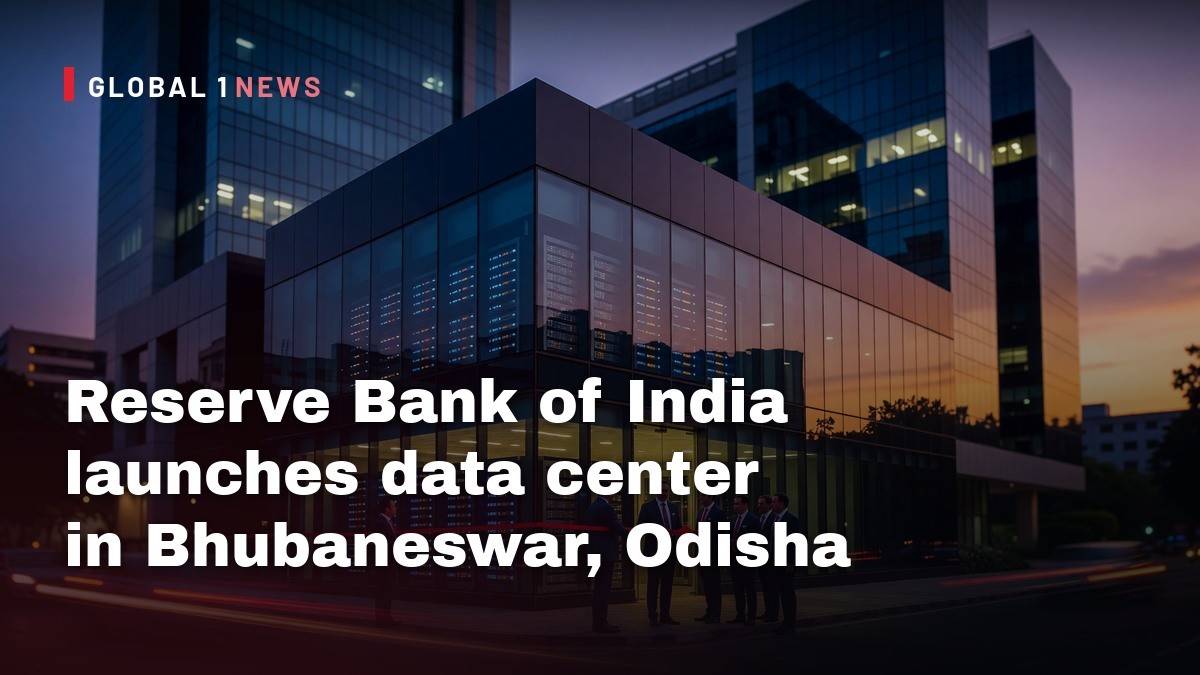
The Reserve Bank of India just cut the ribbon on a fresh data centre in Bhubaneswar, Odisha, and the whole thing reads like a textbook case of a sovereign entity trying to play the hosting game on its own terms. Over the weekend Prime Minister Narendra Modi stood beside RBI officials as they unveiled a 700‑rack facility at Info Valley‑II, a development that broke ground on an 18.5‑acre plot back in March 2023. The bank is touting the site as a “significant milestone” for the nation’s financial‑system backbone, but for us in the trenches of real‑world hosting, the real story is what this means for independent providers trying to stay afloat against hyperscalers and VC‑fueled hype.
Why RBI’s new centre matters to the hosting ecosystem
First off, the RBI isn’t just adding another box of servers; it’s building a Tier IV‑certified complex, the highest reliability tier recognised by Uptime Institute. That level of redundancy—dual power, cooling, and fire‑suppression loops—sets a benchmark that most private data‑centre operators can only dream of hitting without deep pockets. For a central bank to demand Tier IV, it signals that regulatory bodies are now expecting the same fault‑tolerance from the financial‑services supply chain that they get in‑house.
From a risk‑management perspective, the RBI’s move forces every downstream vendor—payment processors, fintech platforms, even the cloud‑service brokers that stitch together APIs—to rethink their disaster‑recovery strategies. If the central bank’s primary hub sits in Navi Mumbai and now has a 700‑rack backup in Bhubaneswar, any provider that still leans on a single‑site, single‑provider model is suddenly exposed. The message is clear: diversify, or risk being left out of the next compliance checklist.
The economics of a sovereign data centre
Running a 700‑rack facility is no cheap hobby. The RBI’s decision to embed 590 kW of on‑site solar capacity shows an attempt to offset operating costs, but the capital outlay for Tier IV infrastructure dwarfs any savings from renewable generation. For independent hosting firms, the takeaway is that cost‑compression tricks—like “green” power credits—won’t cut it when a regulator demands rock‑solid uptime. You either invest in the right tier of resilience or you’ll be priced out of the contracts that require it.
What’s more, the RBI’s backing provides a kind of price‑floor for the market. When a central bank can afford to build a dedicated facility, it undercuts the narrative that hyperscalers are the only affordable way to get Tier IV‑grade reliability. Smaller players can argue that a shared‑infrastructure model—leveraging carrier‑neutral sites that meet Tier IV specs—offers a viable alternative to the “pay‑as‑you‑go” cloud model that often comes with hidden over‑usage fees.
Strategic location: why Odisha matters
Choosing Bhubaneswar, far from the traditional data‑centre hubs of Mumbai and Delhi, is a strategic move that reflects a broader push to spread critical infrastructure across the country. The Info Valley‑II site sits on a sprawling 18.5‑acre campus, giving the RBI room to expand beyond the initial 700 racks if needed. For us, the lesson is that geography is becoming a risk factor in its own right. Natural‑disaster zones, power‑grid reliability, and regional regulatory nuances are now part of the due‑diligence checklist.
Independent providers that have already established a presence in secondary markets—whether in Tier‑2 Indian cities or emerging hubs in Southeast Asia—will find themselves better positioned to win contracts that require geographic redundancy. The RBI’s move essentially validates the business case for decentralised edge locations, something many VC‑backed startups have been shouting about without the hard‑nosed data to back it up.
What Tier IV certification really entails
Tier IV isn’t just a marketing badge; it means the facility can sustain a single point of failure without impacting operations. That translates to dual power feeds, on‑site generators, and redundant cooling loops—all built to survive a total loss of a utility feed. The RBI’s certification by Uptime Institute tells us they’ve gone through the rigorous audit process, which includes live‑fault testing. For a founder, that’s a red flag that any vendor you partner with must prove similar resilience if you want to stay in the RBI’s supply chain.
In practice, this pushes the market toward higher‑grade hardware and smarter monitoring. You can’t rely on a single SNMP poll to catch a cooling failure when a Tier IV client expects sub‑second alerting. The operational overhead rises, but the upside is a more predictable service level that can be monetised through premium SLAs. That’s the kind of value‑add that can differentiate a boutique hosting firm from a generic cloud reseller.
Implications for hyperscalers and the “pay‑as‑you‑go” model
The RBI’s own data centre is a direct challenge to the narrative that only the big hyperscalers can deliver the scale and reliability required for mission‑critical workloads. By building a sovereign facility, the central bank sidesteps the pricing power and data‑sovereignty concerns that come with handing over payment‑system workloads to Amazon, Google, or Microsoft. For us, that’s a signal that governments worldwide may start replicating this model, carving out a niche for regional data‑centre operators who can meet Tier IV standards without the massive price‑tag of the hyperscalers.
That said, the RBI isn’t abandoning the cloud entirely. The new centre is described as a backup site to the primary facility in Navi Mumbai, which suggests a hybrid approach: primary workloads on a modern, possibly cloud‑augmented environment, with a hardened on‑prem backup. Independent providers can position themselves as the “glue” that connects public cloud services to these sovereign backups, offering orchestration platforms that automate failover without the vendor lock‑in.
Actionable steps for founders and hosting operators
If you’re running a data‑centre or a managed‑services business, the RBI launch forces you to ask three hard questions: 1) Does my infrastructure meet Tier IV or at least Tier III standards? 2) Do I have a geographically diverse footprint that can serve as a disaster‑recovery partner for regulated clients? 3) How am I pricing resilience—am I bundling it as a premium service or bleeding it out as hidden cost?
Start by auditing your power and cooling redundancy against Uptime’s tier definitions. If you fall short, consider partnering with a carrier‑neutral site that already holds Tier IV certification rather than trying to build it from scratch. Next, map out a regional expansion plan that mirrors the RBI’s move into secondary cities; a modest footprint in a Tier‑2 hub can become a strategic differentiator. Finally, be transparent with your clients about the cost of resilience. Offer tiered SLAs that let them choose the level of redundancy they need, and lock in multi‑year contracts that smooth out the capital expense.
Bottom line: sovereign data centres are reshaping the risk landscape
The RBI’s 700‑rack, Tier IV‑certified data centre in Bhubaneswar is more than a political photo‑op; it’s a concrete shift in how critical financial infrastructure is being sourced. For independent hosting founders, it’s a wake‑up call to invest in true resilience, diversify geographically, and stop leaning on the “best‑practice” checklists that crumble under real‑world failure. The era of “just use the cloud” is over for regulated sectors—now you need a hybrid, sovereign‑first strategy that can survive a power outage, a cyber‑attack, or a policy shift.
In short, if you want to stay relevant in 2026 and beyond, stop chasing hype and start building the kind of rock‑solid, regionally distributed infrastructure that the RBI just proved is possible. The market will reward those who can deliver Tier IV‑grade reliability without the price‑gouging of the hyperscalers. That’s the path to sustainable growth in a world where data sovereignty is no longer a buzzword but a regulatory requirement.
— Allan Ali, Founder
This article was produced with AI-assisted research and editorial support. Reporting is based on the source material cited below. Sources: Data Center Dynamics; datacenterdynamics.com; Global1.News (26 October 2026).
By Allan Ali, Global1.News
What's Your Reaction?
 Like
0
 Dislike
0
 Love
0
 Funny
0
 Wow
0
 Sad
0
 Angry
0

Publisher of Global1.News. Automation architect, systems builder, and the guy making sure the truth gets published.















Comments (0)