
Public Tender: Laboratory equipment, Grenada
The GIZ Caribbean Agency has opened a public tender that could see a fresh influx of laboratory equipment into Grenada, a development that resonates far beyond the island’s modest borders.
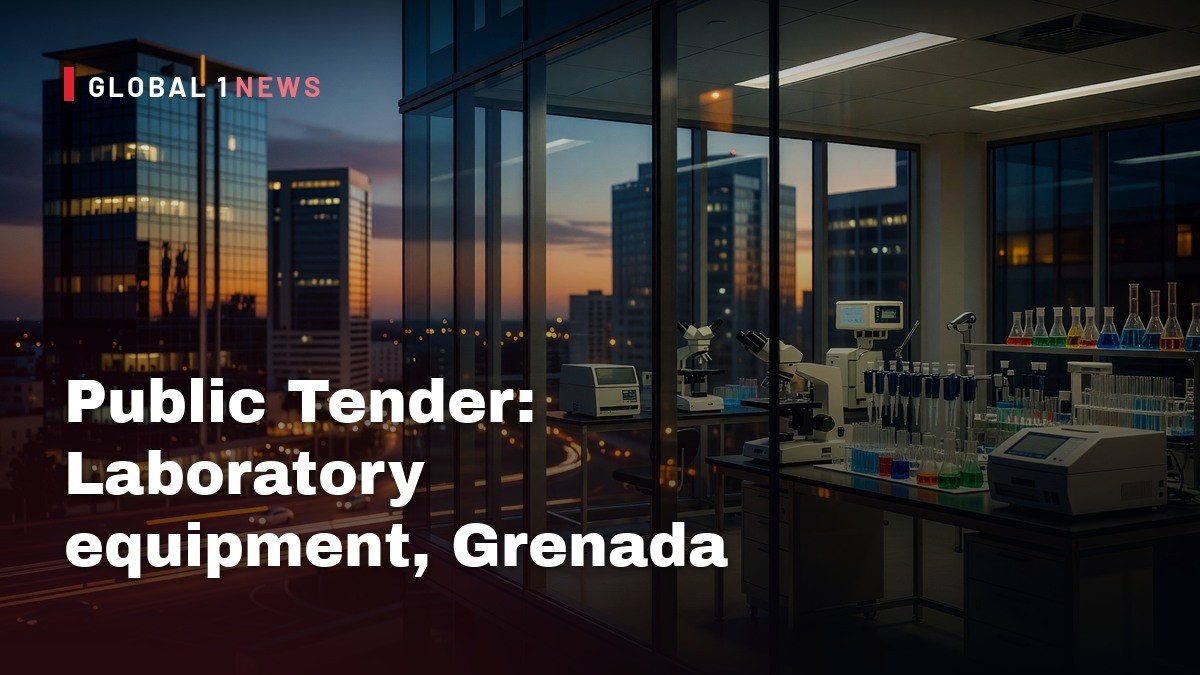
The GIZ Caribbean Agency has opened a public tender that could see a fresh influx of laboratory equipment into Grenada, a development that resonates far beyond the island’s modest borders. Framed within the BioWaste Caribbean project, the tender invites suppliers from across the region – and indeed the wider world – to submit technical and financial proposals for a suite of lab gear aimed at bolstering Grenada’s capacity to manage biomedical waste. While the announcement is succinct, the implications ripple through the wider Caribbean, touching on public health, environmental stewardship and the ever‑present challenge of securing reliable funding for essential infrastructure.
Understanding the BioWaste Caribbean Project
The BioWaste Caribbean project, under the auspices of the German development agency GIZ, seeks to strengthen the region’s ability to handle hazardous medical waste safely and sustainably. By providing modern equipment and training, the programme hopes to curb the informal dumping of bio‑hazardous material that has long plagued islands with limited waste‑management infrastructure. The current tender is a concrete step in that direction, targeting Grenada as a pilot site where new laboratory apparatus will be deployed to support safer waste treatment processes.
From a broader perspective, the initiative aligns with a growing Caribbean consensus that health‑related waste cannot be ignored any longer. The region has witnessed a surge in medical waste generation, especially in the wake of recent public health emergencies, and the need for robust, compliant disposal mechanisms has become ever more pressing. By channeling resources into Grenada, GIZ hopes to set a benchmark that other islands can emulate, fostering a ripple effect of improved waste handling across the Caribbean basin.
The Tender Mechanics: What Suppliers Need to Know
Interested parties are instructed to submit three distinct documents: a technical proposal outlining the equipment specifications and compliance with BioWaste standards; a financial proposal presented as a separate PDF; and corporate or supplier information that establishes credibility and capacity. All submissions must be emailed to the address provided in the tender notice, with the subject line clearly stating “RFQ 7000026007 — Grenada Lab Equipment‑BioWaste”. The deadline is firm – 12 November 2026, 11:59 pm UTC‑4, La Paz – leaving a narrow window for interested firms to assemble their bids.
GIZ has explicitly asked that no staff members be copied on the email, a procedural detail that underscores the agency’s desire for a streamlined, transparent process. Queries about the tender must be directed to a separate contact email before 8 November 2026, giving potential bidders a short period to seek clarification on any technical or administrative points.
Why Grenada? A Strategic Choice
Grenada’s selection as the focal point for this equipment rollout is no accident. The island nation, while small, has been proactive in its environmental and health policies, often serving as a testing ground for regional initiatives. By situating the first batch of BioWaste‑aligned laboratory tools in Grenada, GIZ can monitor implementation in a manageable setting before scaling up to larger or more complex jurisdictions.
Moreover, Grenada’s tourism‑driven economy, especially its burgeoning cruise‑ship sector, places a premium on public health standards. Ensuring that medical waste from clinics, hospitals and even temporary health stations on cruise vessels is handled correctly protects both residents and visitors, preserving the island’s reputation as a safe, welcoming destination.
Regional Implications for Public Health Infrastructure
The tender’s focus on laboratory equipment signals a shift towards more sophisticated, data‑driven approaches to waste management. Modern labs can conduct rapid testing of waste streams, ensuring that hazardous components are identified and treated appropriately. This capability is especially valuable in a region where outbreaks of infectious disease can strain already limited health resources.
By equipping Grenada with state‑of‑the‑art lab tools, the BioWaste Caribbean project may set a precedent for neighbouring islands to upgrade their own facilities. The ripple effect could see a regional uplift in standards, reducing the risk of cross‑border contamination and enhancing the Caribbean’s collective resilience to health crises.
Economic Considerations for Suppliers
For companies eyeing the Caribbean market, the tender presents a timely opportunity. While the notice does not disclose the budget or the specific equipment list, the requirement for separate technical and financial proposals suggests a detailed evaluation process that will weigh both cost‑effectiveness and technical merit. Suppliers with a track record in delivering robust, low‑maintenance laboratory solutions to tropical climates may find themselves at an advantage.
Furthermore, the tender’s tight timeline – less than two weeks from publication to submission – demands swift mobilisation of resources and a clear understanding of the procurement landscape in the Caribbean. Firms that can demonstrate prior experience with GIZ or similar development agencies may enjoy a smoother path through the evaluation stages.
Challenges and Opportunities in Implementation
Even with the best equipment, the success of the BioWaste project hinges on effective training and ongoing support. Grenada’s health workforce will need to adapt to new protocols, and the sustainability of the programme will depend on regular maintenance, calibration and supply of consumables. This presents an opening for suppliers not just to sell hardware, but to offer comprehensive service contracts, training packages and long‑term technical assistance.
Another challenge lies in integrating the new laboratory capabilities with existing waste‑management frameworks. Grenada must align the equipment’s output with its current disposal facilities, ensuring that treated waste meets national and regional regulatory standards. Coordination between the Ministry of Health, the Environmental Authority and the agencies overseeing waste treatment will be essential to translate the tender’s promise into tangible public‑health benefits.
Looking Ahead: A Blueprint for Caribbean Cooperation
The public tender for laboratory equipment in Grenada is more than a procurement notice; it is a tangible expression of regional cooperation aimed at safeguarding health and the environment. As the BioWaste Caribbean project unfolds, it will likely generate valuable data on best practices, cost structures and operational hurdles that can inform future initiatives across the CARICOM space.
In the months to come, stakeholders will be watching closely to see how quickly suppliers respond, how effectively Grenada integrates the new tools, and whether the pilot yields measurable improvements in bio‑hazardous waste handling. Success could pave the way for similar tenders in other islands, fostering a network of well‑equipped laboratories that collectively raise the Caribbean’s capacity to protect its peoples and its natural beauty from the hidden dangers of medical waste.
This article was produced with AI-assisted research and editorial support. Reporting is based on the source material cited below. Sources: Now Grenada; nowgrenada.com; Global1.News (02 November 2026).
By Sharon Sahatoo, Staff Writer
What's Your Reaction?
 Like
0
 Dislike
0
 Love
0
 Funny
0
 Wow
0
 Sad
0
 Angry
0

Caribbean Correspondent at Global1.News. Based in Port of Spain, Trinidad, covering Caribbean politics, economy, energy, climate, and culture. Amplifying the voices and stories of the Caribbean region.














Comments (0)