
Pakistan Condemns Deadly Houthi Attack: Is This a Turning Point?
The killing of three Pakistani nationals in a Houthi missile strike on a commercial vessel in the Bab al-Mandeb Strait has thrust Islamabad into the heart of the Red Sea crisis, transforming a regional maritime conflict into a test of the newly signed Mecca Joint Defense Agreement.
The killing of three Pakistani nationals in a Houthi missile strike on a commercial vessel in the Bab al-Mandeb Strait has thrust Islamabad into the heart of the Red Sea crisis, transforming a regional maritime conflict into a test of the newly signed Mecca Joint Defense Agreement. The attack, which also wounded a fourth Pakistani citizen, has elicited a forceful diplomatic response from Pakistan's Deputy Prime Minister and Foreign Minister, Mohammad Ishaq Dar, signaling that the calculus of the Iran-aligned Houthi movement may have just encountered a new strategic variable.
Pakistan's Condemnation and the Diplomatic Tightrope
Islamabad, Pakistan – August 12, 2026 — The Houthi attack on the Tanzania-flagged vessel Tihamah on Tuesday, August 11, has moved beyond the confines of Yemen's protracted war. With three Pakistani citizens confirmed dead and another injured, Foreign Minister Ishaq Dar issued a "strong condemnation" of the assault, pledging the repatriation of remains and immediate support to the affected families. In a statement that carried significant diplomatic weight, Dar confirmed that Pakistan is in direct contact with both Riyadh and Sanaa over the incident, a move that underscores the delicate balancing act Islamabad must perform in a region increasingly defined by hardened alliances.
The Tihamah Attack: A Deadly Escalation
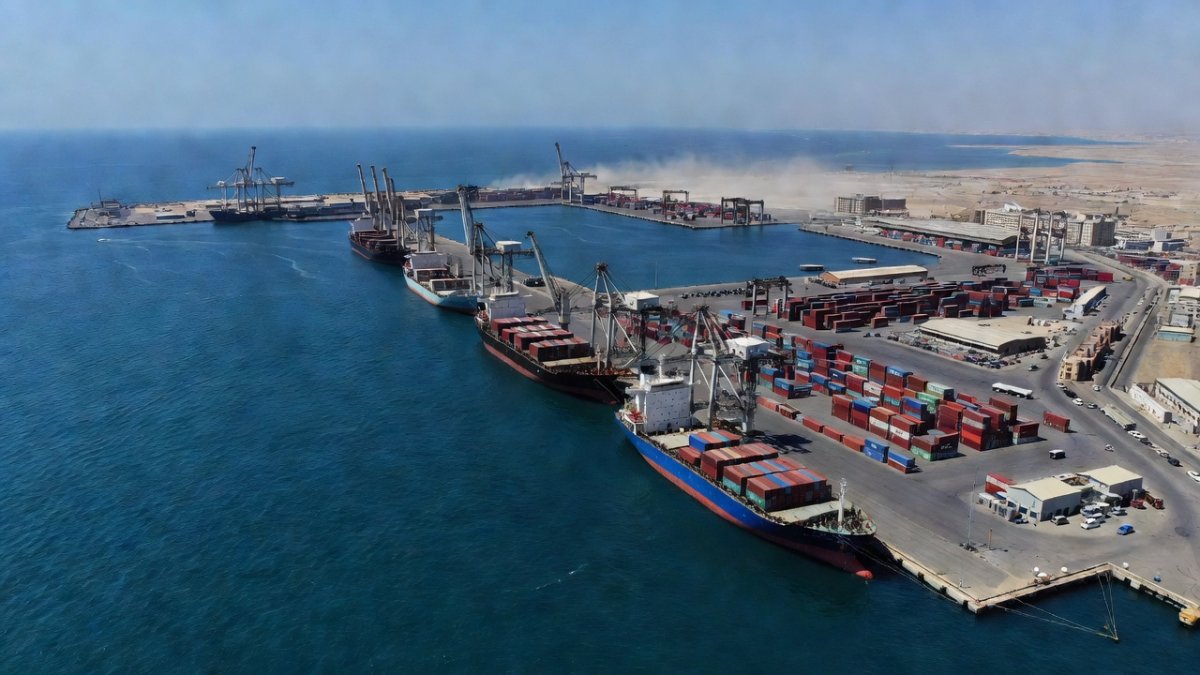
The Tihamah, an Egyptian-owned cargo ship, was struck in a "double-tap" missile assault—a tactic designed to maximize casualties by targeting rescuers. At least six people were killed, including four crew members and two first responders, with ten others injured. This incident marks the first-known shipping deaths directly linked to Houthi fire since the broader US-Israeli conflict with Iran escalated in February 2026. The attack occurred in the Bab al-Mandeb Strait, a chokepoint through which an estimated 12% of global trade passes, and which has become a central theater in the shadow war between Tehran and the US-led coalition.
Yemen's internationally recognized government has squarely blamed the Iran-backed Houthis for the strike, a charge consistent with the group's pattern of targeting commercial shipping in the Red Sea. The Houthis, who control much of western Yemen including the capital Sanaa, have repeatedly demonstrated their capacity to disrupt global commerce, but the killing of Pakistani nationals introduces a new dimension to the conflict—one that directly implicates a nuclear-armed state with its own complex relationships with both Saudi Arabia and Iran.
The Mecca Pact: A Promise Under Fire
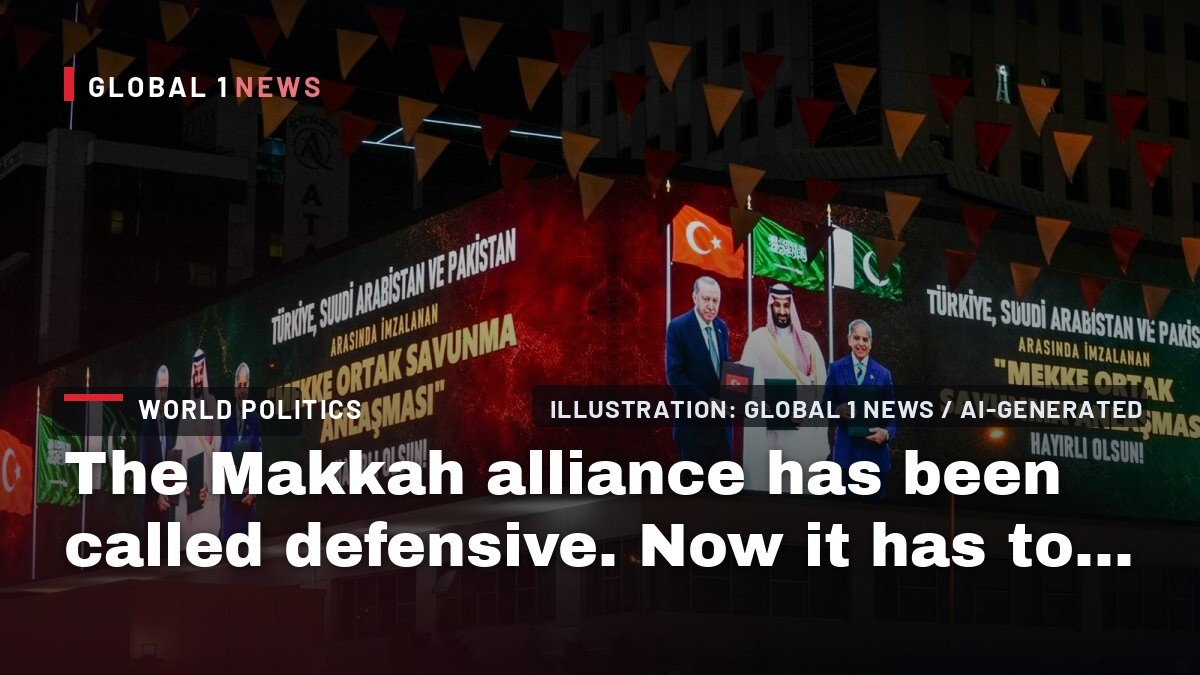
The timing of the attack is particularly consequential. Just days prior, on August 7, 2026, Saudi Arabia, Pakistan, and Turkey signed the Mecca Joint Defense Agreement in the holy city—a NATO-style mutual defense pact declaring that an attack on one member constitutes an attack on all. Analysts have been quick to identify the Houthis as the pact's first real test, and Pakistan's response to the Tihamah killings will be scrutinized as a measure of the agreement's credibility.
For Pakistan, the Mecca Pact represents a significant strategic commitment. Islamabad has historically maintained a careful balancing act between its deep military and economic ties with Saudi Arabia and its proximity to Iran, with whom it shares a lengthy and porous border. The pact, however, forces a clearer alignment. By condemning the Houthi attack and engaging directly with Riyadh and Sanaa, Pakistan is signaling that its commitment to the pact is not merely ceremonial. Yet, the question remains: how far is Islamabad willing to go? A full military response would risk igniting a conflict on its western border with Iran, a scenario Pakistani strategists have long sought to avoid.
Mokha Port and the Battle for Yemen's Coast
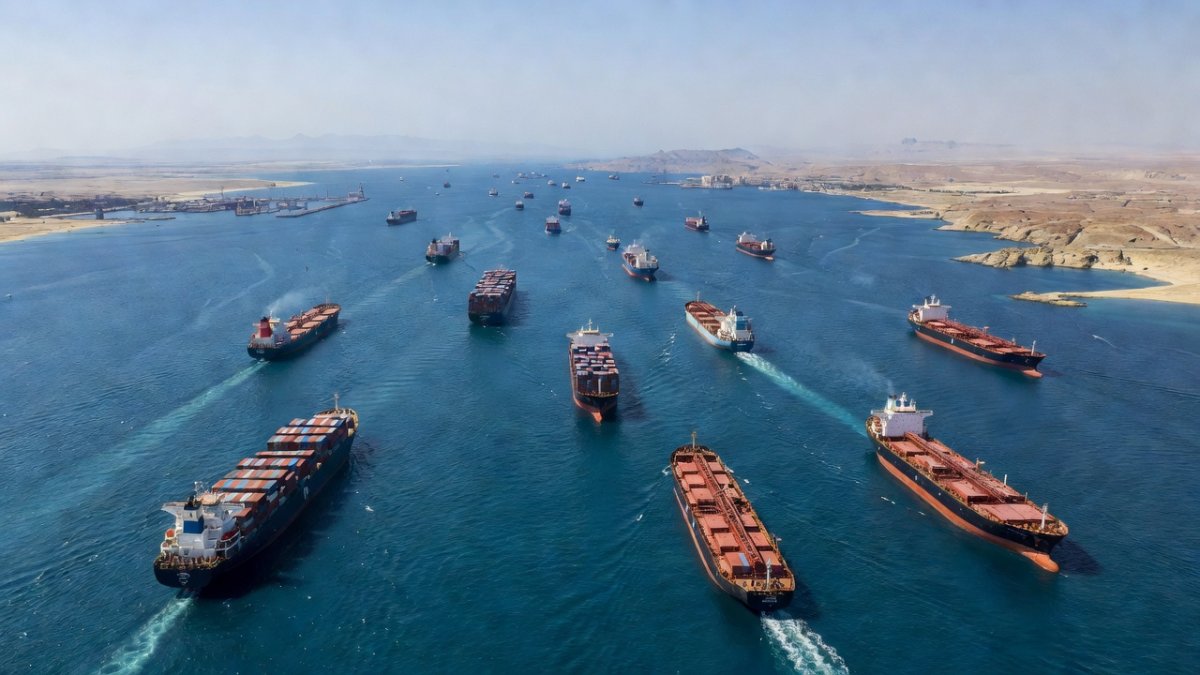
The Tihamah attack was not an isolated incident. The Houthis have renewed their offensive on the strategic port of Mokha, firing two ballistic missiles at the facility, with a Yemeni military source confirming the strikes hit the port's quay. On August 9, Houthi missile and drone attacks on Mokha killed seven people and also targeted a Saudi Aramco refinery in Jazan, southwestern Saudi Arabia. The port, a critical entry point for humanitarian aid and commercial goods, has become a flashpoint in the broader struggle for control of Yemen's Red Sea coastline.
Yemeni sources have told Al Arabiya English that 84 Houthi fighters have been killed over the past six days, indicating a significant intensification of ground and aerial operations. The Houthis have also launched ballistic missile attacks on al-Makha and Marib on August 11, suggesting a coordinated effort to expand their offensive on multiple fronts. This escalation appears designed to test the resolve of the Saudi-led coalition and its allies, even as the region grapples with the wider implications of the US-Iran conflict.
Iran's Shadow and the Regional Power Calculus
The Houthi attacks cannot be viewed in isolation from Iran's broader strategic posture. Tehran has long used the Houthis as a proxy to project power into the Red Sea and the Bab al-Mandeb Strait, threatening both Saudi Arabia's southern flank and the maritime routes vital to global energy supplies. The February 2026 escalation of the US-Israeli war with Iran has only heightened this dynamic, with the Houthis acting as a force multiplier for Tehran's efforts to disrupt Western and Gulf interests.
For Iran, the Houthi campaign serves multiple purposes: it diverts Saudi military resources, pressures the kingdom's economy through attacks on infrastructure like the Aramco refinery in Jazan, and demonstrates Tehran's ability to influence events far from its borders. The killing of Pakistani nationals, however, introduces a risk that Tehran may not have fully calculated. Pakistan is not merely a Saudi ally; it is a nuclear-armed state with a significant military capability and a history of deploying troops to the Gulf region. While Islamabad is unlikely to seek direct confrontation with Iran, the pressure to respond—either through increased support for the Saudi-led coalition or through diplomatic channels—will mount.
Energy Markets and the Global Economic Fallout
The disruption to Red Sea shipping has already had profound effects on global energy markets. Shipping traffic through the Red Sea and the Strait of Hormuz has fallen amid the widening disruption, with insurance premiums for vessels transiting the region skyrocketing. The Bab al-Mandeb Strait, through which a substantial portion of the world's oil and liquefied natural gas flows, has become a high-risk zone, forcing tankers to reroute around the Cape of Good Hope—a journey that adds weeks to transit times and significantly increases costs.
The Houthi attacks on Mokha and the Tihamah vessel are likely to exacerbate these trends. For Saudi Arabia, the targeting of the Aramco refinery in Jazan is a direct assault on its economic lifeline, underscoring the vulnerability of its energy infrastructure to Houthi missile and drone strikes. The kingdom has invested heavily in air defense systems, but the sheer volume of attacks and the sophistication of the Houthis' arsenal, supplied by Iran, continue to pose a formidable challenge.
Pakistan's Strategic Options and the Path Forward
As Pakistan weighs its response, several options are on the table. Diplomatically, Islamabad can leverage its relationships with both Riyadh and Tehran to de-escalate tensions, a role it has played in the past. The contact with Sanaa, the seat of Yemen's internationally recognized government, suggests Pakistan is seeking to coordinate a unified response with its allies. However, the Houthis control Sanaa, and the internationally recognized government has limited influence over the group's actions, complicating any diplomatic overtures.
Militarily, Pakistan could increase its support for the Saudi-led coalition, potentially deploying naval assets to protect shipping lanes or providing intelligence and logistical support. Such a move would be a significant escalation and would likely draw a sharp response from Iran. Alternatively, Pakistan could focus on protecting its own nationals and interests, enhancing maritime security for vessels with Pakistani crew members and strengthening its naval presence in the region.
The Mecca Pact's credibility hinges on the response to this attack. If Pakistan and its allies are seen as unwilling or unable to respond decisively, the pact's deterrent value will be severely diminished. Conversely, a robust response could signal to the Houthis and their Iranian backers that attacks on member states' citizens and interests carry significant consequences.
Regional Implications: A New Axis of Confrontation
The Pakistan-Houthi-Yemen nexus is reshaping the region's strategic landscape. The Mecca Pact, which brings together Saudi Arabia, Pakistan, and Turkey, represents a new axis of Sunni-majority powers seeking to counter Iranian influence. Turkey's involvement, driven by its own ambitions in the region and its complex relationship with Iran, adds another layer of complexity. Ankara has historically maintained pragmatic ties with Tehran, but its participation in the pact signals a willingness to align more closely with Riyadh and Islamabad on key security issues.
For the Gulf states, the Red Sea has become the frontline of a broader confrontation with Iran. The Houthi attacks on Mokha and the Tihamah are not merely acts of piracy or terrorism; they are strategic operations designed to weaken the Saudi-led coalition and demonstrate Iran's ability to project power across the region. The response to these attacks will shape the trajectory of the conflict, determining whether the Red Sea becomes a permanent zone of instability or whether a new equilibrium can be established.
Conclusion: A Turning Point or a Prelude?
The killing of Pakistani nationals in the Houthi attack on the Tihamah may indeed prove to be a turning point, but not necessarily in the way the Houthis intended. It has drawn Pakistan, a major regional power, directly into the conflict, testing the resolve of the Mecca Pact and forcing Islamabad to make difficult choices. The coming weeks will reveal whether Pakistan's condemnation translates into concrete action, and whether the pact can withstand its first major challenge.
For the Houthis and their Iranian patrons, the attack has achieved a tactical objective—disrupting shipping and inflicting casualties—but it has also galvanized a potential new alignment against them. The Red Sea, already a theater of intense competition, is now poised to become an even more volatile arena, with implications that extend far beyond Yemen's borders. As the region braces for further escalation, the strategic calculus of all parties involved is being rewritten in real time.
By Malik Hassan, Staff Writer
This article was produced with AI-assisted research and editorial support. Reporting is based on sources cited in the article.
What's Your Reaction?
 Like
0
Like
0
 Dislike
0
Dislike
0
 Love
0
Love
0
 Funny
0
Funny
0
 Wow
0
Wow
0
 Sad
0
Sad
0
 Angry
0
Angry
0

Middle East Correspondent at Global1.News. Based in Beirut, covering politics, conflict, energy, and society across the Middle East. Brings context and depth to a region often reduced to headlines.












Comments (0)