
Ombudsman Launches Probe Into P60 Billion Cebu Flood Control Projects After Devastating Monsoon Rains
Ombudsman Remulla launches probe into P60B Cebu flood control projects after severe flooding. Investigation examines substandard construction, ghost projects, and contractor concentration, with Visayas-wide scope and potential corruption charges.
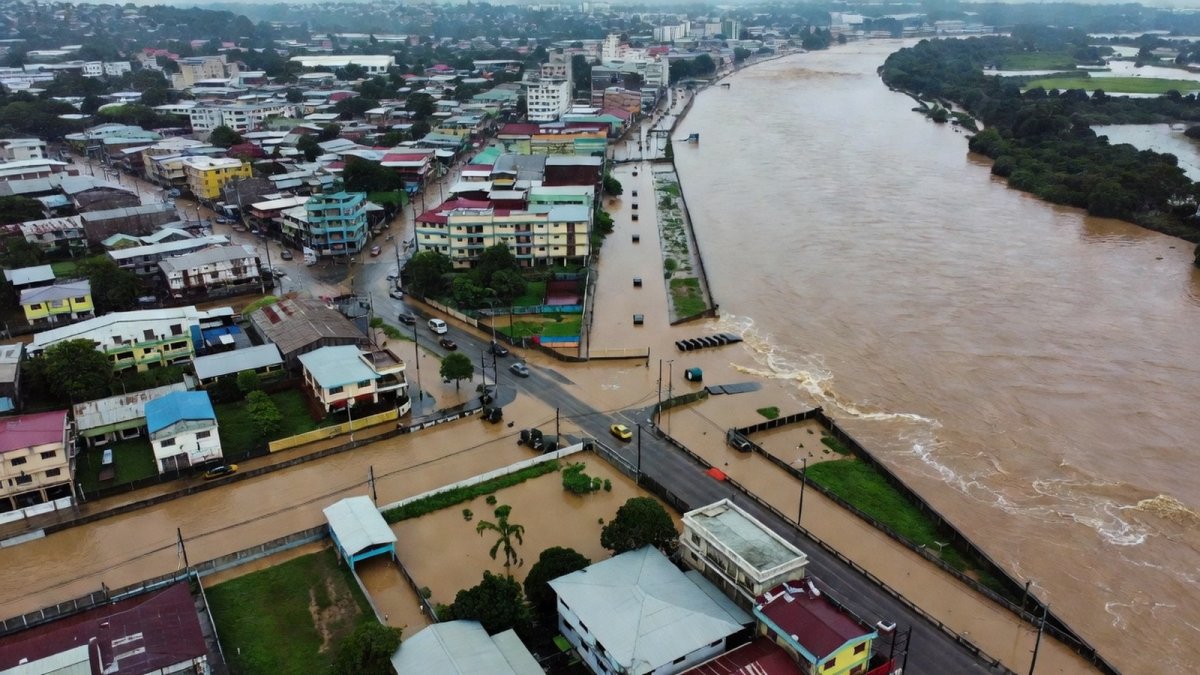
The Office of the Ombudsman has opened a sweeping investigation into roughly P60 billion worth of flood control projects implemented across Cebu over the past six years, following another round of severe flooding that submerged communities across the province last month. Ombudsman Jesus Crispin Remulla personally visited Cebu on Monday, August 10, to inspect the projects and determine whether flawed design, substandard construction, or outright corruption left residents defenseless against the rising waters.
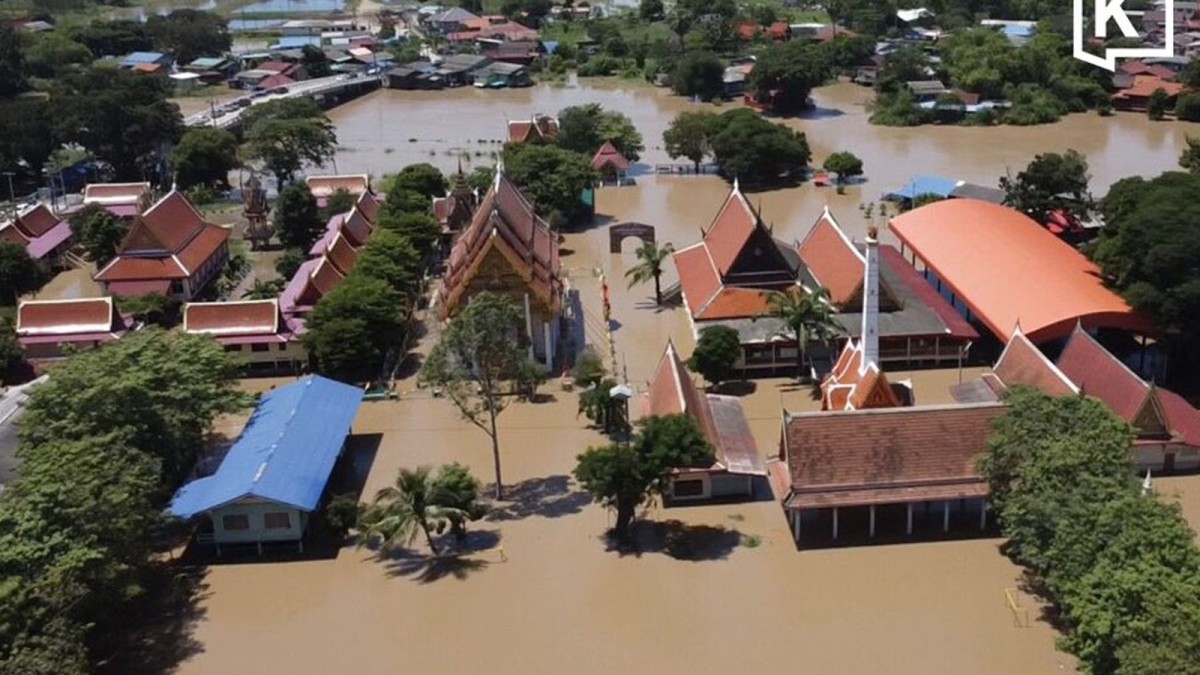
The probe comes as heavy monsoon rains, intensified by Typhoon Dolphin, have displaced hundreds of thousands of Filipinos across eight regions in recent weeks. For Cebuanos who have watched their homes, sari-sari stores, and livelihoods swamped yet again, the investigation offers a glimmer of accountability after years of repeated devastation.
A Massive Investment, Persistent Flooding
The numbers are staggering. Over the past six years, approximately P60 billion was allocated for flood control infrastructure in Cebu alone. That level of spending should have provided meaningful protection for the province's most vulnerable communities. Instead, residents in Liloan, Mandaue, Cebu City, and Talisay found themselves wading through waist-deep floodwaters again last month.
Remulla, who has been in office for about 10 months, did not mince words during his inspection. "That should be a lot of money to control the flooding, but apparently the past month flooding happened again here in Cebu," he told reporters. "We have to look at what's happening. Is it the design? Is it the execution? Or is it just corruption?"
The Ombudsman's questions cut to the heart of a problem that has plagued Philippine infrastructure for decades. When billions of pesos are poured into public works, Filipino taxpayers deserve to know whether those funds actually translated into functioning flood barriers, drainage systems, and river walls. The evidence on the ground suggests something went terribly wrong.
Remulla's visit marks his first to Cebu since assuming office, signaling that the Ombudsman's office is treating the province's flooding crisis as a priority. He was accompanied by investigators from the Ombudsman Visayas office as they toured flood-prone areas, including the Mananga River Flood Control Project in Talisay City and the Cotcot River in Liloan.
The Money Trail: P60 Billion and a Single Contractor
One of the most striking revelations from the initial inspection involves how the P60 billion was distributed. According to Remulla, approximately 25% of the total allocation went to Cebu's 7th District, which covers the municipalities of Alcantara, Alegria, Badian, Dumanjug, Ginatilan, Malabuyoc, Moalboal, and Ronda. That concentration of funds in a single district raises immediate questions about project prioritization and potential favoritism.
Even more concerning, another 25% of the total P60 billion was awarded to a single contractor identified as Quirante. When one company captures such a significant share of public infrastructure spending, it invites scrutiny over whether contracts were competitively bid or whether connections played a role in the awards.
The 7th District's heavy allocation is particularly puzzling given that some of the worst flooding in recent weeks occurred in northern and central Cebu, including Liloan and Mandaue. Residents in those areas have repeatedly asked why their communities remain vulnerable despite the massive spending elsewhere.
Remulla declined to identify specific individuals suspected of wrongdoing, but he made clear that the Department of Public Works and Highways (DPWH) Central Visayas regional office would come under intense scrutiny. The investigation will examine whether district engineers and project supervisors fulfilled their duties or whether they looked the other way as substandard work was accepted and paid for.
What Inspectors Found: Sheet Piles, Ghost Projects, and Digital Verification
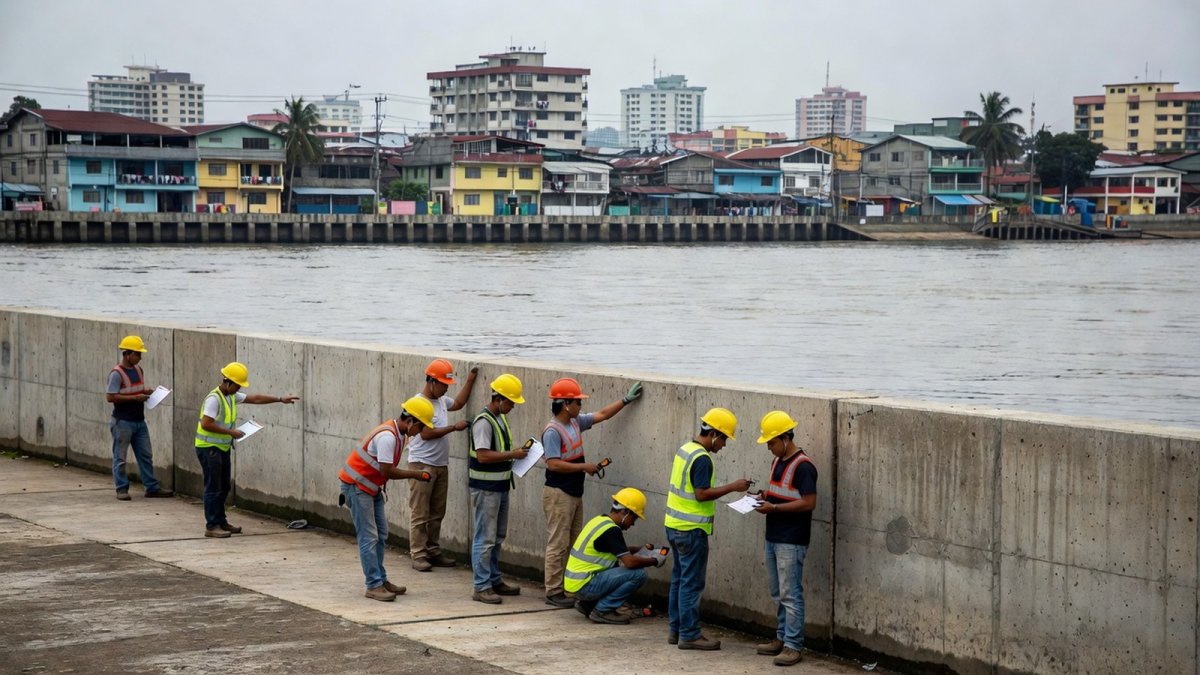
During Monday's inspection, Remulla highlighted specific technical irregularities that cannot be readily seen at first glance. One example involves sheet piling, the steel barriers used to reinforce riverbanks and prevent erosion. National standards require sheet piles to be 14 meters in length, but Remulla noted that experience in Luzon, particularly in Bulacan, revealed a troubling pattern.
"For example, the sheet piling of flood control structures is set at 14 meters as a national standard. Is it the proper standard or is it over specified?" Remulla said. "From what we experienced in Luzon, in Bulacan, the 14 meters standard is four meters long. So the 10 meters can be easily seen."
In other words, contractors may have been installing sheet piles that were significantly shorter than the specified standard, leaving flood control structures weaker than designed. The difference between what was paid for and what was actually delivered represents potential losses to the government and, ultimately, to the Filipino taxpayers who funded these projects.
The Ombudsman's office is also investigating alleged ghost projects, where funds were released for projects that either do not exist or were never completed. Investigators are using digital tools to verify project coordinates, cross-checking reported locations against satellite imagery and on-the-ground inspections. Duplicate project entries, where the same project was billed multiple times, are also being examined.
These technical breaches may not capture headlines the way dramatic corruption scandals do, but they represent the quiet erosion of public trust. When a flood wall collapses or fails to hold because it was built with substandard materials, the consequences are measured in lost homes, damaged businesses, and endangered lives.
The Human Cost: Barangays Underwater Again
Behind the billions of pesos and the technical specifications are real Filipino families who have endured yet another season of flooding. In Liloan, residents along the Cotcot River watched helplessly as monsoon rains swelled the waterway, sending muddy floodwaters into their homes. In Mandaue, low-lying barangays were submerged for days, forcing families to evacuate to higher ground with whatever belongings they could carry.
The scenes were painfully familiar. Children being carried on their parents' shoulders through flooded streets. Elderly residents being helped into rescue boats. Sari-sari store owners tallying their losses as water ruined their inventory. Jeepney drivers unable to navigate submerged roads, losing precious income. These are the faces of infrastructure failure.
More than 380,000 people have been affected by flooding across eight regions in recent weeks, according to official reports. In Cebu, the flooding disrupted daily life for weeks, closing schools, halting work, and straining the resources of local government units already stretched thin by repeated disasters.
For many Cebuanos, the question is simple: where did the P60 billion go? Their barangays still flood. Their streets still turn into rivers. Their homes still fill with water. The disconnect between the massive public spending and the persistent flooding is what drives public anger and fuels demands for accountability.
The Ombudsman's investigation offers hope that someone will finally answer for these failures. But for families who have lost everything, hope alone is not enough. They need functioning flood control infrastructure that protects their communities when the rains come.
Beyond Cebu: A Visayas-Wide Crackdown on Public Works Corruption
The Cebu investigation is just the beginning. Remulla announced that the Ombudsman plans to examine the implementation and effectiveness of public works projects in flood-prone areas across the entire Visayas region. The DPWH Central Visayas office will face scrutiny, but other regional offices may also come under the microscope.
The probe is expanding beyond flood control projects to examine broader corruption schemes involving government contractors and conflicts of interest. The Ombudsman is also considering lifestyle checks on several district engineers, a standard tool for identifying public officials whose spending exceeds their legitimate income.
To strengthen the investigation, the Ombudsman will deploy 20 additional lawyers to the Visayas office. These lawyers will focus on evidence-gathering and prosecution, ensuring that any cases developed during the investigation can withstand judicial scrutiny.
Remulla is also advocating for mandatory digital public bidding platforms, arguing that technology can make government transactions more transparent and allow ordinary citizens to monitor how public funds are spent. "From the barangay up to the executive department, it should already be digital," he said. "We have to work at both ends of the spectrum. Do not notice only what is above, everything should be given attention."
This push for digitalization reflects a broader recognition that corruption thrives in the shadows. When bidding processes are opaque and project records are paper-based, there are countless opportunities for manipulation. Digital platforms would create an auditable trail that could deter wrongdoing and make detection easier.
What Happens Next: Building Strong Cases, No Timelines
Remulla has been careful not to promise quick results. When asked about a timeline for filing cases, he declined to commit, saying, "We have to build up strong cases." The Ombudsman's office is known for thorough investigations that can take months or even years to complete, particularly when they involve complex infrastructure projects and multiple layers of responsibility.
However, Remulla hinted that within three years, there will be a resolution to the flood control issue. That timeline suggests the Ombudsman is committed to seeing this investigation through to its conclusion, whether that involves criminal charges, administrative sanctions, or both.
The Senate blue ribbon committee has also deferred its own flood control probe to the Ombudsman, recognizing that a coordinated investigation would be more effective than parallel inquiries. This deference signals a measure of trust in the Ombudsman's ability to handle the complex case.
For now, the investigation is in its early stages. Investigators are gathering documents, interviewing witnesses, and verifying project records. The digital tools being used to check project coordinates will help identify ghost projects and duplicate entries. The additional lawyers will strengthen the prosecution team.
Remulla's message throughout the inspection was consistent: transparency must be upheld, and impunity has to stop. "We have to return to decency," he said, encapsulating the broader goal of restoring public trust in government institutions.
A Test of Accountability for Filipino Taxpayers
This investigation is about more than flood control projects in Cebu. It is a test of whether the Philippine government can hold accountable those who betray the public trust. Every peso lost to corruption is a peso that could have built a stronger flood wall, a better drainage system, or a more resilient community.
For the families in flooded barangays, the stakes could not be higher. They have endured the consequences of failed infrastructure for years. They have watched their homes fill with water, their belongings float away, and their livelihoods wash down the drain. They deserve answers.
The Ombudsman's investigation offers the possibility of justice. But justice will only be meaningful if it leads to concrete improvements in flood control infrastructure and genuine accountability for those responsible for the failures.
As the investigation unfolds, Cebuanos and Filipinos across the country will be watching. The outcome will send a powerful message about whether the government is serious about fighting corruption or whether the P60 billion will simply become another footnote in the long history of Philippine public works failures.
The bayanihan spirit that Filipinos are known for has helped communities survive the floods, with neighbors helping neighbors, volunteers distributing relief goods, and families opening their homes to those displaced. But bayanihan cannot replace functioning infrastructure. It cannot compensate for substandard construction. It cannot undo the damage caused by corruption.
What it can do is remind us of what is at stake. Every Filipino deserves to live in a community where public funds are spent honestly and effectively. Every barangay deserves flood control that actually works. Every family deserves to sleep through a monsoon rain without fear of waking up in water.
The Ombudsman's investigation is a step toward that vision. Whether it succeeds will depend on the strength of the evidence gathered, the determination of the prosecutors, and the willingness of the public to demand accountability. The people of Cebu have waited long enough. They deserve nothing less than the truth.
By Bella Reyes, Staff Writer
This article was produced with AI-assisted research and editorial support. Sources: Philstar.com, GMA News, SunStar Cebu, Daily Tribune, MYTV Cebu.
===SUMMARY=== Ombudsman Remulla launches probe into P60B Cebu flood control projects after severe flooding. Investigation examines substandard construction, ghost projects, and contractor concentration, with Visayas-wide scope and potential corruption charges.What's Your Reaction?
 Like
0
Like
0
 Dislike
0
Dislike
0
 Love
0
Love
0
 Funny
0
Funny
0
 Wow
0
Wow
0
 Sad
0
Sad
0
 Angry
0
Angry
0

Philippines/Southeast Asia Correspondent at Global1.News. Manila-based journalist covering Philippine politics, environment, maritime security, and social issues. Passionate about marine conservation and the communities protecting the Philippines' natural heritage.












Comments (0)