
North Korea denies being behind record $6.3bn Binance hack
When Binance announced that a “record‑breaking” $6.3 billion crypto heist had hit its platform, the headlines quickly turned to geopolitics. U.S. Binance’s spokesperson framed that amount as a “relatively limited portion” of the exchange’s total assets, which sit at roughly $157 billion.
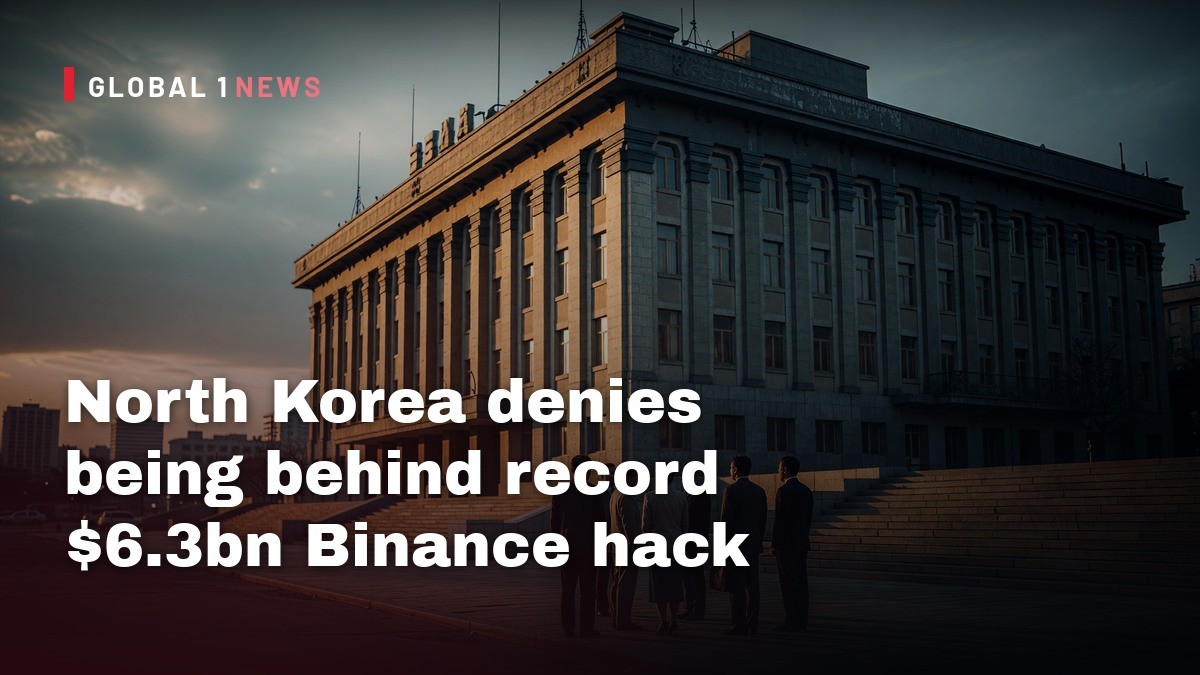
When Binance announced that a “record‑breaking” $6.3 billion crypto heist had hit its platform, the headlines quickly turned to geopolitics. U.S. agencies pointed the finger at North Korea, while Pyongyang’s own spokesperson dismissed the claim as “absurd rhetoric.” The clash of narratives reveals more than a simple cyber‑crime story; it spotlights how state‑backed hackers have become a bargaining chip in the broader contest over sanctions, digital finance and international reputation.
What happened: the Binance breach in numbers
According to the BBC, the hack on Binance – the world’s largest cryptocurrency exchange – resulted in a net outflow of $4.72 billion after transactions resumed on a Sunday. Binance’s spokesperson framed that amount as a “relatively limited portion” of the exchange’s total assets, which sit at roughly $157 billion. The company also noted that withdrawals have begun to stabilise, describing the on‑chain activity as “normal and expected.”
Binance has repeatedly pledged to cover the losses, saying it has already reimbursed around 95 % of the stolen assets. The breach, investigators say, began when an engineer’s laptop was compromised, giving the attacker the ability to trigger unauthorised withdrawals. While Binance has not commented on the alleged North Korean involvement, its public focus remains on technical remediation and user protection.
U.S. agencies lay the blame on Pyongyang
The FBI, the Secret Service and unnamed cyber analysts have publicly linked the hack to a state‑backed hacking unit known as TraderTraitor, also identified as the Lazarus Group. The agencies have called on industry partners to block transactions tied to the group, positioning the incident as part of a broader pattern of North Korean cyber‑crime used to fund its sanctioned economy.
In the official narrative, the $6.3 billion theft is described as the “largest in history,” underscoring the scale of the operation and the perceived threat to the global crypto ecosystem. By framing the attack as state‑sponsored, U.S. officials aim to galvanise coordinated defensive measures across exchanges, regulators and law‑enforcement bodies.
North Korea’s rebuttal: a diplomatic counter‑strike
Kim Yo‑jong, a senior official and sister of leader Kim Jong Un, responded on Tuesday with a statement that dismissed the accusations as a “sinister attempt” by the United States to tarnish Pyongyang’s image. She called the claim a “grave political provocation” and accused the U.S. of misleading the international public by attributing all global cyber crimes to North Korea.
Kim’s remarks echo a familiar pattern: denying responsibility while simultaneously reaffirming the regime’s official stance against “malicious acts in cyberspace.” The language frames the accusation as part of a broader geopolitical rivalry, shifting the focus from the technical details of the hack to the political theatre surrounding it.
TraderTraitor/Lazarus: the recurring suspect
The trader‑focused unit, known as TraderTraitor, has been linked to several high‑profile crypto thefts. In 2025, the same group was blamed for a then‑record $1.5 billion hack of the Bybit exchange. The continuity of these attacks has cemented the Lazarus Group’s reputation as the go‑to cyber‑weapon for North Korea’s illicit financing strategy.
Analysts from the S Rajaratnam School of International Studies note that Pyongyang has systematically built its cyber capabilities by recruiting top university talent and funneling them into intelligence‑overseen hacker units. This institutional pipeline explains the sophistication and persistence of the attacks, as well as the state’s willingness to leverage them for economic survival under sanctions.
Impact on Binance users and the wider crypto market
For ordinary Binance users, the breach translated into a sudden freeze on withdrawals and heightened anxiety about the safety of digital assets. While the exchange reports that withdrawal levels are normalising, the psychological impact lingers, especially for those who saw a portion of their holdings disappear in the scramble to secure funds.
Market‑wide, the hack reinforced concerns about the vulnerability of centralized exchanges, prompting a modest shift toward self‑custody solutions and decentralized platforms. Yet Binance’s swift technical response—freezing compromised accounts, working with issuers to lock down assets, and pledging near‑full reimbursement—helped contain a broader loss of confidence that could have spiralled into a market sell‑off.
Why the hack matters beyond the headline numbers
The $6.3 billion figure is eye‑catching, but the real story lies in how state‑backed cyber‑crime is reshaping the financial landscape. For governments, the hack underscores the urgency of developing cross‑border coordination mechanisms to track and block illicit crypto flows. For the crypto industry, it highlights the need for robust internal security protocols, especially around privileged access points like engineers’ laptops.
Moreover, the diplomatic tug‑of‑war between the U.S. and North Korea illustrates how cyber‑theft is becoming a tool of geopolitical leverage. By attributing the attack to Pyongyang, the U.S. not only seeks to isolate the regime economically but also to rally international consensus for stricter crypto regulations. Conversely, North Korea’s denial aims to preserve whatever diplomatic breathing room it retains, framing the accusation as part of a broader “absurd rhetoric” campaign.
What comes next: possible scenarios for users and regulators
In the short term, Binance will likely continue its reimbursement programme, aiming to close the remaining gap in the stolen assets. The exchange’s emphasis on “technical nature” of the breach suggests ongoing forensic work to pinpoint the exact attack vector and prevent recurrence.
Regulators, meanwhile, may tighten AML (anti‑money‑laundering) requirements for crypto platforms, especially those operating across jurisdictions. The FBI’s call for industry partners to block TraderTraitor‑linked accounts could evolve into formal sanctions or black‑listing of wallet addresses tied to North Korean actors.
For everyday traders, the episode serves as a reminder to diversify risk: using hardware wallets, enabling multi‑factor authentication, and staying alert to unusual login activity. As the crypto ecosystem matures, the balance between convenience and security will remain a central tension, amplified whenever a state‑sponsored hack makes global headlines.
This article was produced with AI-assisted research and editorial support. Reporting is based on the source material cited below. Sources: BBC Technology; bbc.co.uk; Global1.News (03 November 2026).
By Nova Chen, Staff Writer
What's Your Reaction?
 Like
0
 Dislike
0
 Love
0
 Funny
0
 Wow
0
 Sad
0
 Angry
0

Trend Reporter at Global1.News. Based in San Francisco, tracking the stories crossing from social platforms, forums, and community discussions into mainstream news — tech breakthroughs, cultural shifts, and world events that real people are engaging with right now.














Comments (0)